





How Style Plier
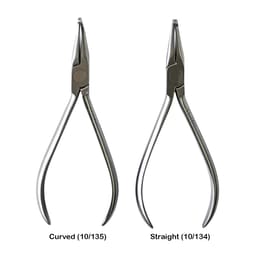
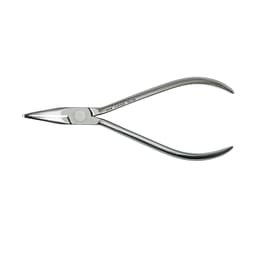
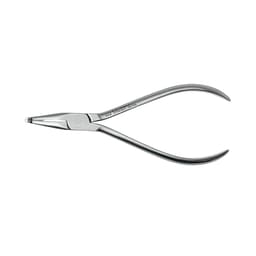
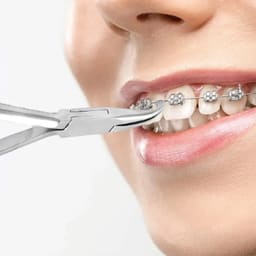
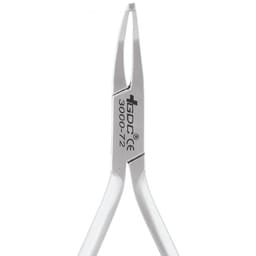
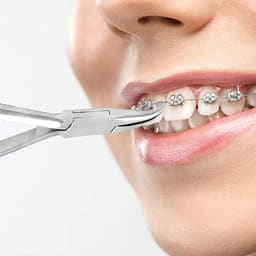
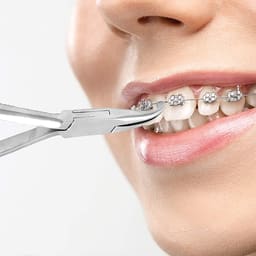
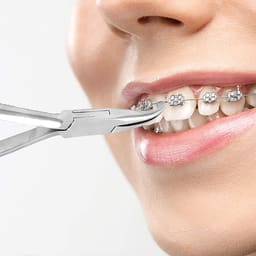
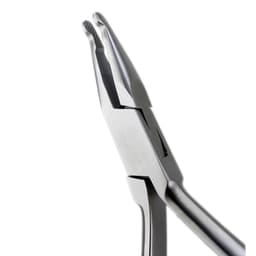
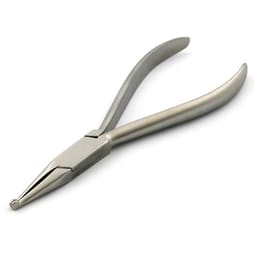
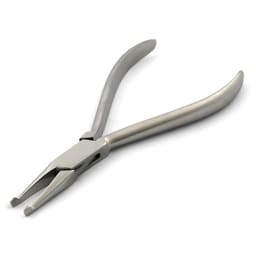
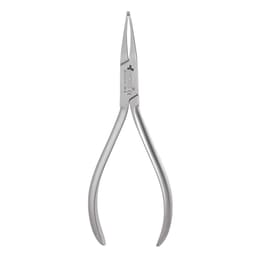
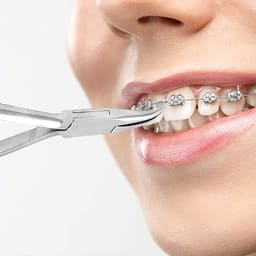
A How style plier is a general utility holding plier used in orthodontics to grip small items — brackets, wire, ligatures, and bands — securely while they are positioned. Its short round beaks, finely serrated, clamp firmly instead of shaping or cutting. It comes with straight or curved beaks in 2mm and 4mm widths, mostly tungsten-carbide tipped, with Waldent, GDC, OSL, and Koden among the brands.
 Recommended
 Price- High to LowPrice- Low to High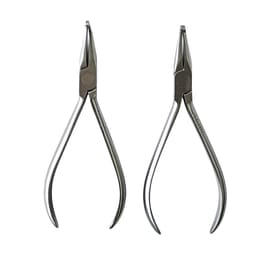

Only 4 Left
 59
59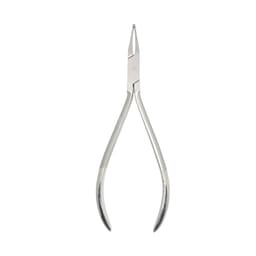
 59
59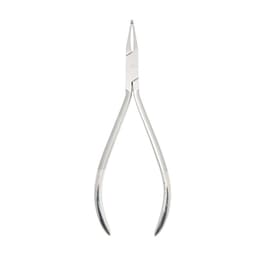

Only 3 Left
59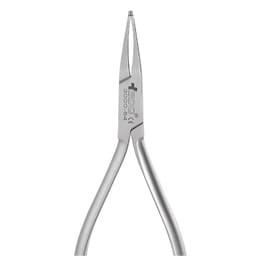
 21
21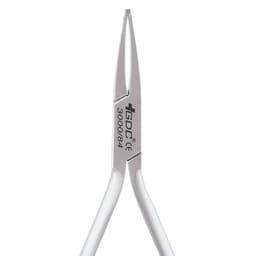

Only 4 Left
59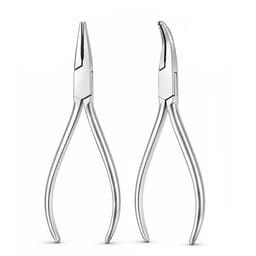
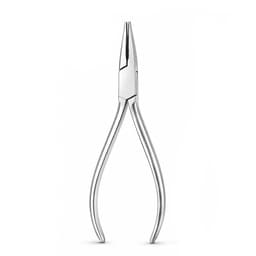
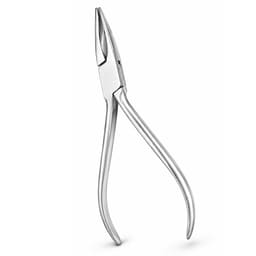
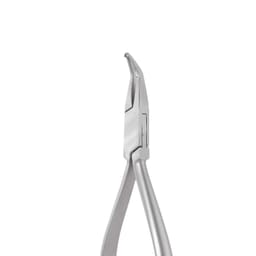
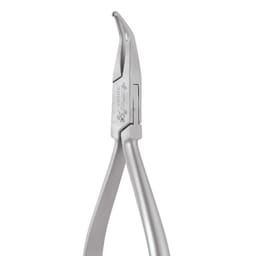 21
21How Style Plier
Where a Weingart or a bird-beak plier is built for one specific task, the How plier does the opposite: it is the versatile holder a clinician reaches for when something small needs a firm, reliable grip. Its beaks are short and round with fine serrations, so they clamp a bracket, a length of wire, a ligature, or a band without it slipping or rotating. Nothing about it is specialised — that generality is exactly the point, since a tray always needs one dependable grip that suits many small tasks. On the orthodontic instruments tray of a fixed-appliance clinic, it serves as the catch-all holder.
What it holds and does
The How plier proves useful through breadth, not specialisation:
- Holds a bracket — grips a bracket steady while it is carried to the tooth or repositioned.
- Grips wire and auxiliaries — clamps a length of wire, a spring, or a hook while it is placed or bent by another instrument.
- Manages ligatures — holds and manipulates a metal ligature during tie-in, working with the ligature ties that secure the arch wire.
- General handling — picks up and steadies any small component on the tray.
Because it is not tuned to one job, the How plier fills the gaps between the specialised pliers, which is why most trays keep one.
Straight or curved, 2mm or 4mm
The How plier is chosen by beak shape and width:
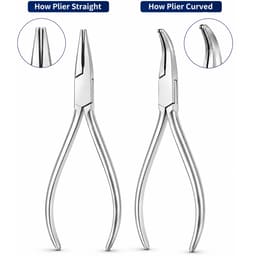
- Straight beak — an in-line grip for direct, front-of-mouth handling.
- Curved beak — an angled tip that reaches posterior areas and keeps the hand out of the sight line.
- 2mm beak — a finer tip for smaller components and tighter grips.
- 4mm beak — a wider tip for a broader, more stable hold on larger items.
A clinic often keeps a straight and a curved, and picks the 2mm or 4mm width to suit the size of what is being held. Unlike the arch-wire-placing universal plier, the How plier is a holder rather than a wire-placement tool.
Build and the TC option
For a plier gripped many times a day, the beak and joint decide its life:
- Serrated round beaks — the fine serrations bite the item held so it does not slip, without marking it heavily.
- Tungsten-carbide tips — TC-tipped versions resist wear on the gripping surface and keep their bite far longer than plain steel.
- Box joint — a well-machined pivot holds the two beaks true, so the grip stays even edge to edge.
A plain-steel How plier suits lighter use; the TC-tipped models pay off in a busy clinic that grips hard components all day. Wiped down and oiled after use, a well-made How plier keeps its grip through years of routine handling.
Buy How style pliers at Dentalkart
The How pliers here cover the working choices — straight and curved beaks, 2mm and 4mm widths, plain and tungsten-carbide — from GDC, Waldent, OSL, and Koden. A clinic can match the beak shape and width to how it handles small components, and keep both a straight and a curved on the tray. Each is a genuine branded tool, and the beak details and availability sit on its own product page.
Frequently Asked Questions (FAQs):
What is a How plier used for?
A How plier is a general holding plier that grips small orthodontic items — brackets, wire, ligatures, bands — firmly while they are handled or positioned. Its short, round, finely serrated beaks deliver a secure but versatile hold, rather than a set bending or cutting action. It is the utility grip a tray leans on whenever a small component needs steadying.
Does a How plier do the same job as a Weingart plier?
No — they serve different purposes. A Weingart (universal) plier is purpose-built for seating arch wire, its angled tips shaped for that one task. The How plier, by contrast, is a general holder with round serrated beaks that grips a wide range of small components rather than placing wire. Most trays carry both: the Weingart for the arch wire, the How for general holding.
Straight or curved beak — which suits the work?
Straight beaks suit direct handling at the front of the mouth; curved beaks reach around to posterior areas and keep the hand from blocking the view. One is not superior to the other — each covers access the other cannot. Many operators simply keep a straight and a curved side by side so either approach is ready.
What does the 2mm or 4mm beak width mean?
The number is the beak width. A 2mm beak is finer, for smaller components and a more precise grip; a 4mm beak is wider, giving a broader, more stable hold on larger items. Choose the width to match the size of what you most often hold, or keep both for flexibility across different tasks.
Are tungsten-carbide tips worth it on a How plier?
For a plier used to grip many times a day, yes. Tungsten-carbide gripping surfaces resist the wear that smooths a plain-steel beak over time, so the serrations keep their bite and the plier holds securely for far longer. A clinic that only handles components now and then can save with a plain-steel version.