




Universal Plier
4.8
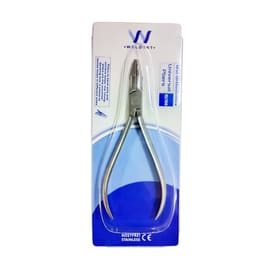
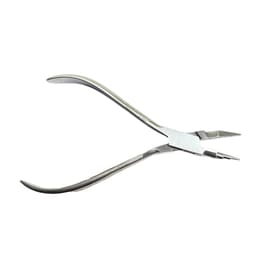
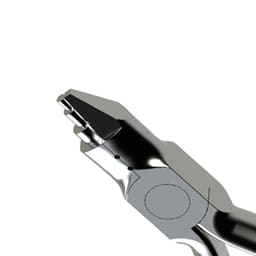
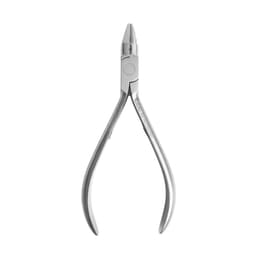
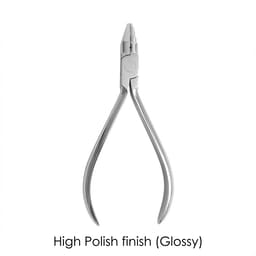
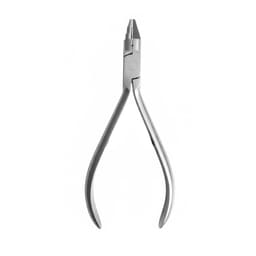
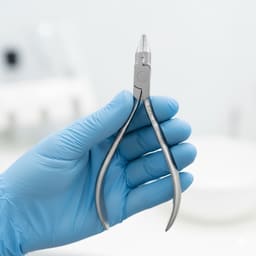
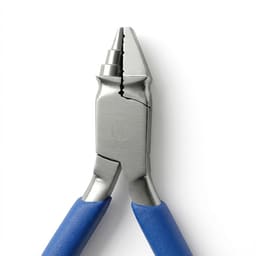
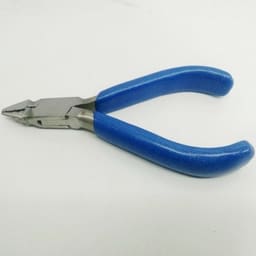
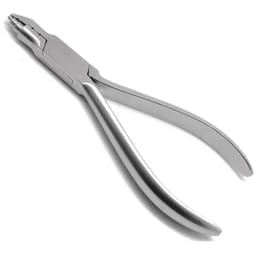
A universal plier, or Weingart plier, is an orthodontic hand instrument with fine serrated beaks, stocked in stainless steel from GDC, GI Dental, OSL, and Koden. It grips a round or rectangular arch wire and places it into the brackets and molar tubes. One tip is fine and pointed, the other short and beaked, so the wire is guided intraorally without slipping.
Sort by - Recommended
 Recommended
 Price- High to LowPrice- Low to High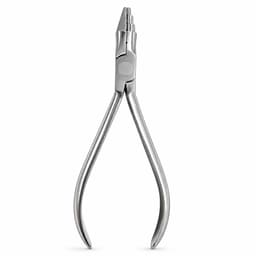


★ 5.0
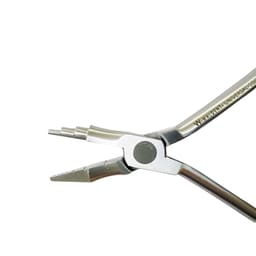
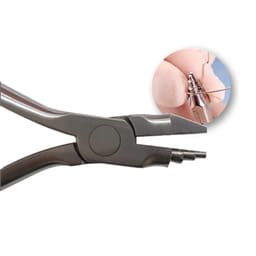
(2)Orthodontic wire-bending plier with conical and flat beaks for forming loops, curves, and precise angled bends
₹ 790₹ 1700
53.53% Off
 35
35View Similar Products
Only 4 Left
8.38% Off
23View Similar Products

Only 2 Left
★ 4.7
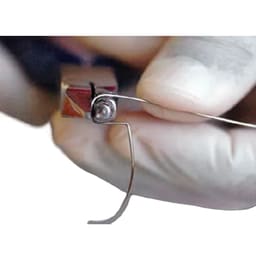
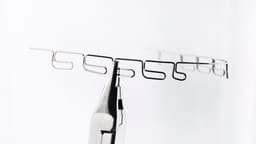
(11)Universal pliers are used to make clasps, bows, loops, and springs.
₹ 1055₹ 1848
42.91% Off
21View Similar Products
★ 4.6
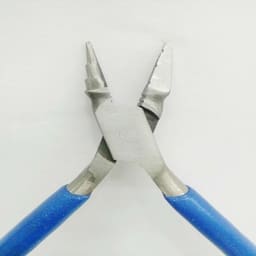
(16)Universal Plier for precise wire bending, looping, and removing adhesives from brackets and appliances
₹ 229₹ 280
18.21% Off
5View Similar Products
Only 2 Left
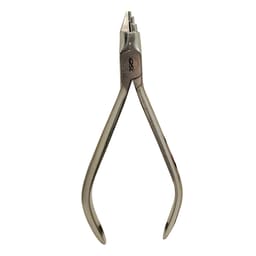
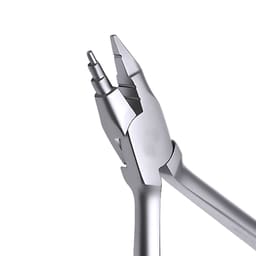
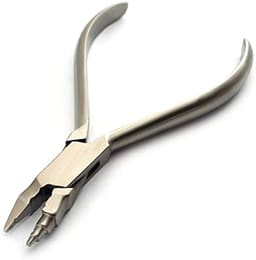
Versatile orthodontic plier for precise bending, loops, and clasps on wires up to 0.9 mm
₹ 2000₹ 4500
55.56% Off
40View Similar Products
Filters
Sort By
RecommendedUniversal Plier
The universal plier — its classic pattern is the Weingart — is the plier an orthodontist reaches for to place an arch wire. One tip is fine and pointed, the other short and beaked, and both carry serrations so the plier grips a round or rectangular wire firmly and guides it into the bracket slots without the wire slipping. It is called "universal" because it covers the everyday wire-handling that would otherwise need several tools. It belongs to the wider set of orthodontic instruments a clinic keeps on the ortho tray.
Where it sits among the ortho pliers
An orthodontic tray carries several pliers, each with one job — the universal plier is the wire-placement one, not a bender or a cutter:
- Universal (Weingart) — grips and places the arch wire; serrated tips, no cutting edge.
- Bird-beak / three-prong — form loops and bends in the wire, which the universal plier does not.
- Distal-end cutter — trims the wire flush behind the last tube after it is placed.
- Ligature / pin-and-ligature cutter — cuts ties and thin ligature wire.
Knowing that split matters when ordering: the universal plier is the one that seats wire into the brackets and molar buccal tubes, while the cutting and bending is left to the dedicated pliers.
Using it to place an arch wire
The plier earns the "universal" name across a single wire change:
- Pick up the wire — the serrated beaks hold the arch wire without it rotating or sliding.
- Feed the ends through — push each wire end through the terminal molar tube so the arch seats symmetrically.
- Seat into the brackets — walk the wire into each slot along the arch, holding it for the ligature or module.
- Tuck the ends — nudge any long distal end tidy before the distal-end cutter trims it.
Because the tips grip rather than cut, the wire surface is not nicked, so it slides freely once ligated. The plier steadies the wire that is tied into the brackets and molar bands along the arch.
Build and specification
A universal plier is a lifetime instrument, so the spec is worth reading before ordering. The stocked pliers — GDC's 3000/55, GI Dental, OSL, and Koden — are surgical-grade stainless steel with a box joint, the machined pivot that keeps the two tips meeting cleanly through years of use. The serrations should be crisp and even so the grip is secure without scoring the wire, and the joint takes a drop of instrument milk before each autoclave cycle to stay smooth. A loose joint or worn serrations is what retires a plier, not the steel itself.
Frequently Asked Questions (FAQs):
What is a universal plier used for in orthodontics?
A universal, or Weingart, plier is used to grip and place an arch wire into brackets and molar tubes, hold it during tie-in, and make small tucks or bends. Its serrated tips give a firm hold on round or rectangular wire without cutting it. It is the everyday wire-handling plier in a fixed-appliance setup.
Is a universal plier the same as a Weingart plier?
Yes — "universal plier" and "Weingart plier" refer to the same instrument. It has slim, angled, serrated beaks designed to hold and place arch wire intraorally. Some catalogues list it under either name, and both describe the general-purpose wire-placement plier used through most orthodontic appointments.
Can a universal plier cut arch wire?
No — a universal plier grips and places wire but does not cut it. Its tips are serrated for hold, not sharpened. Cutting a distal wire end or trimming a ligature needs a dedicated distal-end cutter or ligature cutter. Using a universal plier to cut would damage its serrations and leave a poor cut.
What should I look for when buying one for a clinic?
Look for surgical-grade stainless steel, a precisely machined box joint that keeps the tips aligned, and cleanly cut serrations that grip without scoring the wire. A smooth spring return reduces hand fatigue. These features decide whether the plier stays accurate through years of repeated autoclaving, which matters more than the initial price.
How do I keep a universal plier working through repeated sterilisation?
A stainless-steel universal plier handles repeated steam sterilisation, but the box joint needs care. Clean off debris after use, put a drop of instrument milk on the joint, then autoclave per the maker's cycle. Skipping the lubrication lets the joint stiffen over many cycles, so oiling it each time keeps the action smooth for years.