





Weingart Plier
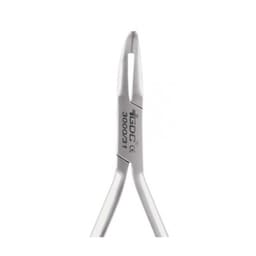
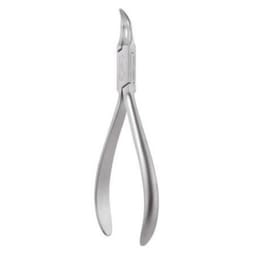
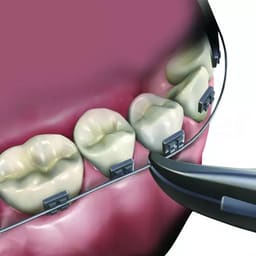
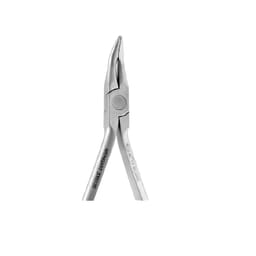
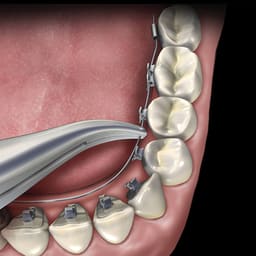
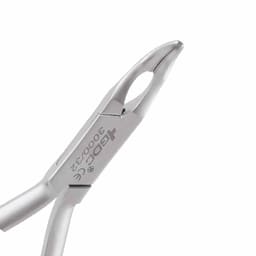
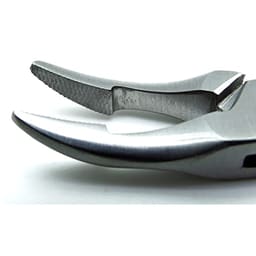
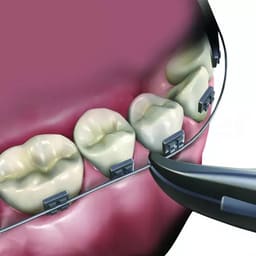
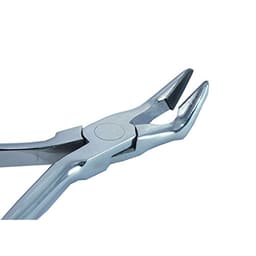
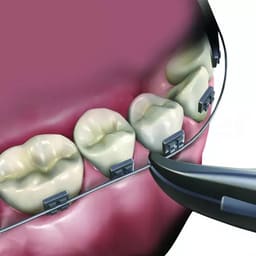
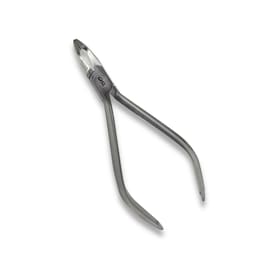
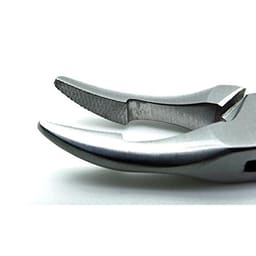
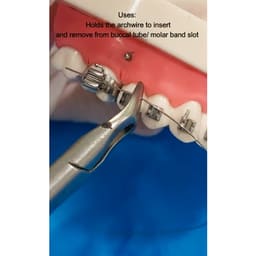
A Weingart plier is an orthodontic arch-wire placing plier — its slim, angled, serrated beaks grip the wire and seat it into the brackets and molar tubes. Also catalogued as a universal plier, it is stocked in standard (utility) and slim heads, in plain steel or tungsten-carbide, from brands such as GDC, Koden, Waldent, and OSL.
 Recommended
 Price- High to LowPrice- Low to High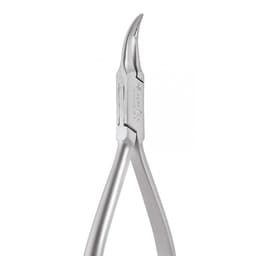

Only 5 Left
 40
40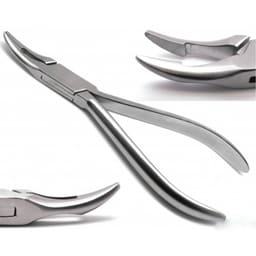

Only 5 Left
40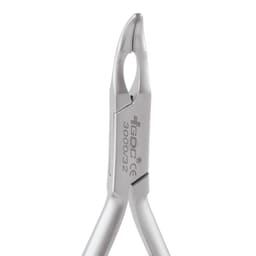

Only 4 Left
59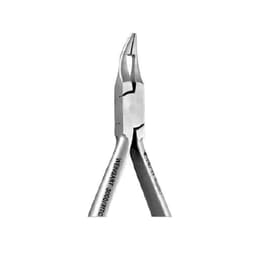

Only 5 Left
59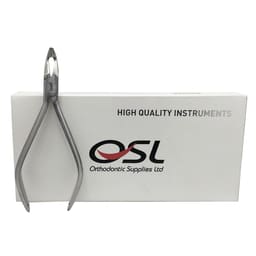
 40
40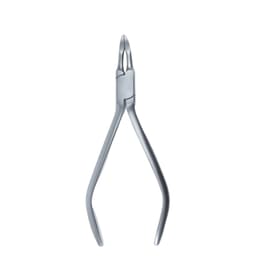 29
29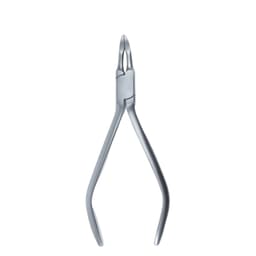 21
21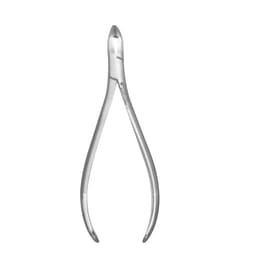
Weingart Plier
Weingart is the pattern name carried by the plier most catalogues also list as a universal plier — the serrated, angled instrument used to carry an arch wire and settle it into the brackets and tubes. What a buyer actually decides between, once the job is understood, is the form of the Weingart: how wide the head is and whether the grip is plain steel or tungsten-carbide. Those choices change how the plier reaches, grips, and lasts, and they are what this range is built around. The placement technique itself is covered on the matching universal-plier listing; here the focus is the variants. It is one of the orthodontic instruments a fixed clinic buys in the pattern that best fits its hands and cases.
Standard (utility) versus slim head
The first choice is the width of the head:
- Standard / utility head — a fuller beak that grips a wire with more surface and takes firmer handling, good for general placement.
- Slim head — a narrower beak that slips into a crowded arch or a tight space where a full head would crowd the field.
- Both in the kit — many clinics keep a standard for routine work and a slim for the awkward, closely spaced cases.
The width is chosen for access — a slim Weingart shines on tight arches, a standard one on open ones. Both feed the same working wire home into the molar buccal tubes.
Plain steel versus tungsten-carbide
The second choice is the grip surface:
- Plain steel — a serviceable, lower-cost grip that suits lighter or occasional use.
- Tungsten-carbide (TC) — a harder grip face, often gold-handled, that keeps its serrations sharp far longer under daily placement.
Because the plier grips a wire at nearly every visit, the serrations wear, and a TC surface is what resists that wear. A clinic placing wire all day gains most from carbide; a lighter user is well served by plain steel. The placement action these grips perform is set out on the universal plier page, the same tool under its other name.
Matching a Weingart to the practice
Putting the two choices together points to the right buy:
- Busy, mixed caseload — a standard TC for durability plus a slim for tight arches covers most situations.
- High daily volume — carbide grip surfaces throughout, to hold the bite through constant use.
- Occasional or training use — a plain-steel standard head is economical and perfectly serviceable.
The pattern name stays the same; it is the head width and grip material that decide which Weingart suits a given clinic.
Buy Weingart pliers at Dentalkart
The Weingart pliers here span the standard and slim heads in plain and tungsten-carbide, from GDC, Waldent, OSL, and Koden. A practice can pick the head width for its access and the grip material for its turnover, or keep one of each. All are authentic branded tools; the precise variant and a stock indicator appear on every listing.
Frequently Asked Questions (FAQs):
Is a Weingart plier the same as a universal plier?
Yes — they are two names for the same instrument, the serrated angled plier that carries an arch wire and settles it into the brackets and molar tubes. Catalogues list it under either name. This page focuses on the Weingart variants a buyer chooses between; the placement technique is described on the universal-plier listing.
Standard or slim head — which should I pick?
The slim head reaches into crowded or narrow arches where a full head would get in the way, while the standard (utility) head gives a broader, firmer grip for general placement. If your caseload includes tight, closely spaced arches, a slim is worth having; many clinics keep a standard for routine work and a slim alongside it.
What does the tungsten-carbide version add?
Carbide is harder than steel, so a TC grip face keeps its serrations sharp far longer against the wire it takes hold of each visit. Gold handles usually mark it, and it costs more, but for daily placement it stays secure long after a steel face would smooth over. For lighter use, plain steel is the economical pick.
Is the slim head less durable than the standard?
The slim beak carries less metal at the tip, so it is marginally less robust to heavy handling than a full utility head — but placing arch wire calls for control, not force, so it holds up well in normal use. Pick the slim for access on crowded arches and the standard for a fuller, firmer grip; a tungsten-carbide version of either resists wear best.
Do I need more than one Weingart?
Not necessarily, but many practices keep two — a standard head for everyday placement and a slim head for tight arches — and often choose tungsten-carbide on the one used most. A single standard plier covers routine work; the second is about access and durability rather than a different function.