


Periodontal knives
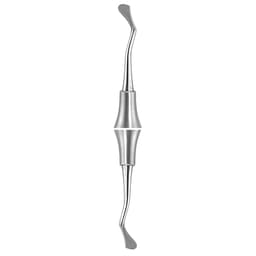
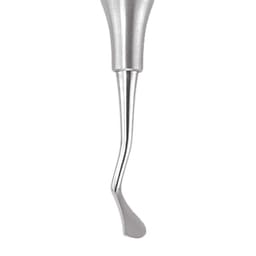
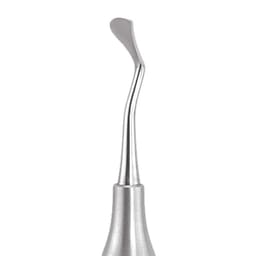
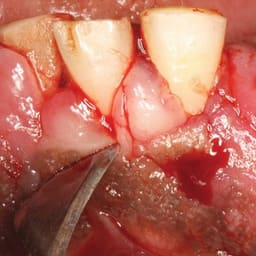
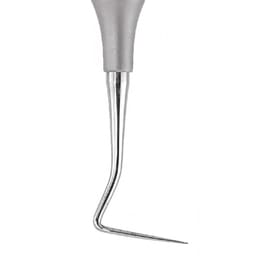
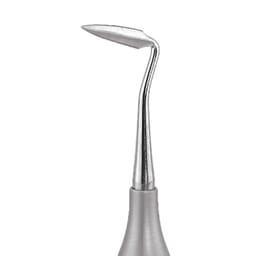
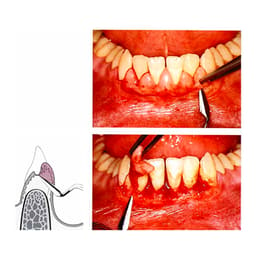
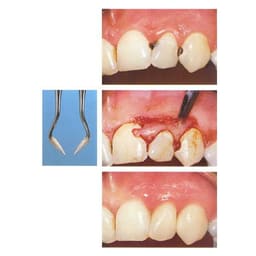
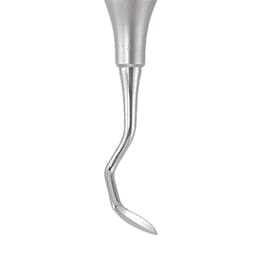
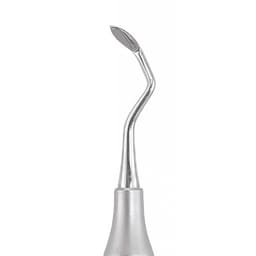
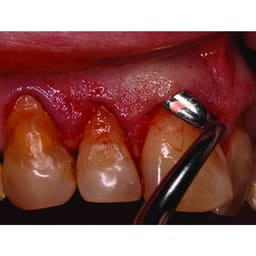
Periodontal knives incise and excise gingival tissue during gingivectomy, distal wedge resection, interdental papilla excision and VISTA tunnelling root coverage. The range covers Kirkland kidney blades for gingivectomy, Orban spear blades for interdental, Buck angled blades for distal wedge, Crane-Kaplan for interdental bevel and tunnelling knives for minimally-invasive root coverage — from GDC, Waldent and Julldent.
 Recommended
 Price- High to LowPrice- Low to High
Only 5 Left
 22
22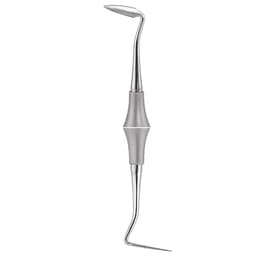
Only 3 Left
22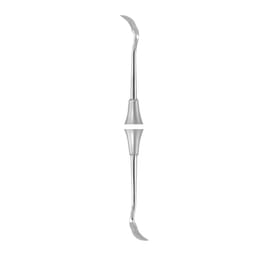
Only 5 Left
22

 22
22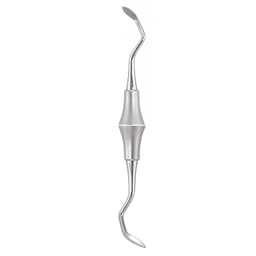
Only 3 Left
22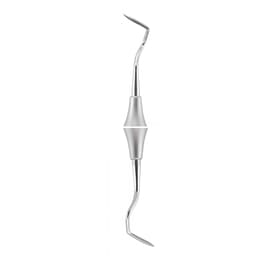
Only 2 Left
22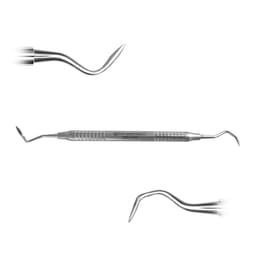
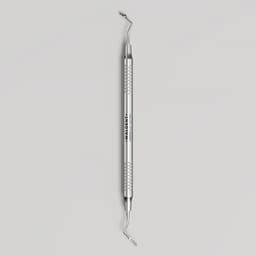
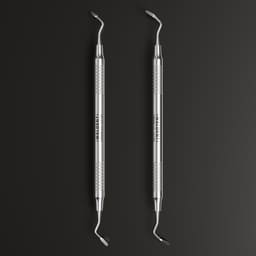
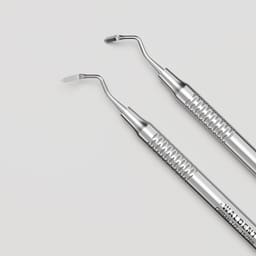
 15
15Periodontal Knives — Kirkland, Orban, Buck, Crane-Kaplan & Tunnelling Knives
Periodontal knives are sharp-bladed surgical instruments with site-specific blade geometries used to incise and excise gingival tissue during gingivectomy, gingivoplasty, distal wedge resection, interdental papilla excision, and minimally-invasive root coverage procedures. Each pattern carries a defined blade shape — kidney-shaped Kirkland for gingivectomy, spear-shaped Orban for interdental access, angled Buck for distal wedge surgery, Crane-Kaplan for interdental gingivectomy, and curved tunnelling knives for VISTA and pouch-and-tunnel root coverage.
Types of Periodontal Knives
Kirkland Knives — Primary Gingivectomy
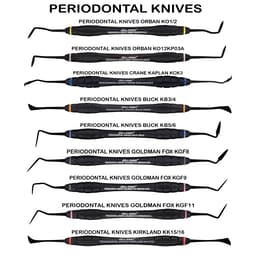
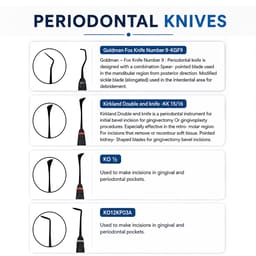
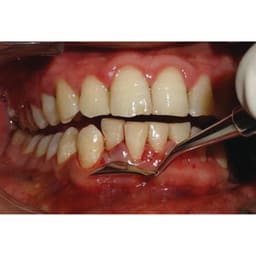
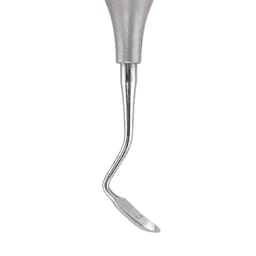
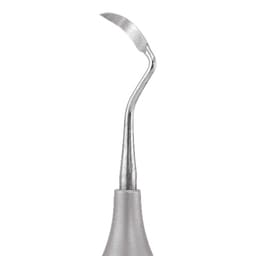
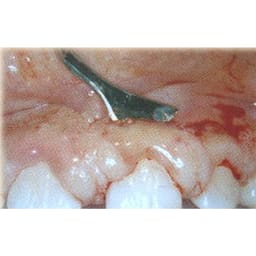
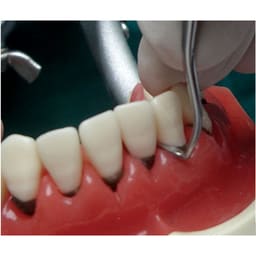
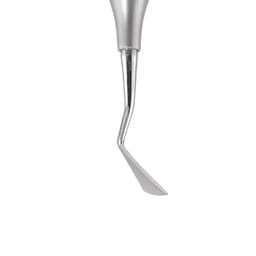
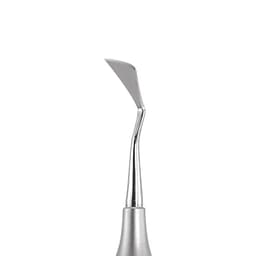
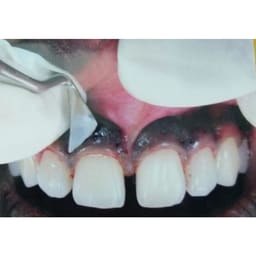
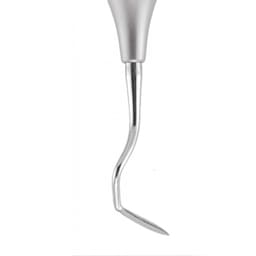
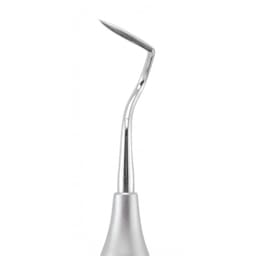
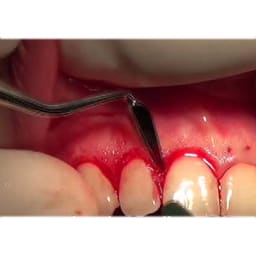
Kirkland knives carry a kidney-shaped blade with a curved cutting edge — the workhorse for routine bevelled gingivectomy and gingivoplasty incisions on the facial and lingual surfaces. Example product: GDC Kirkland Knife #6 (KK15/16).
Orban Knives — Interdental Papilla Excision
Orban knives have a slim spear-shaped blade engineered to negotiate the narrow interdental embrasure for papilla recontouring and interdental gingivectomy where Kirkland blades cannot reach. Example product: GDC Orban Knife #6 (KO1/2); thinner KO12/KPO3A variant available for tighter access.
Buck Knives — Distal Wedge & Posterior Surgery
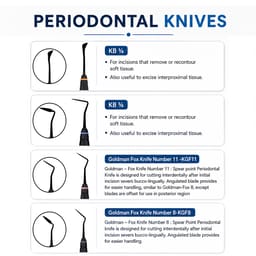
Buck knives carry an angled blade designed for distal wedge resection behind the terminal molar and for posterior gingivectomy where straight-blade access is limited by the retromolar pad. Example product: GDC Buck Knife #6 (KB3/4); KB5-6 variant available for alternative angle.
Crane-Kaplan Knife — Interdental Gingivectomy
The Crane-Kaplan knife combines a straight cutting edge with an interdental-access shank for precise interdental gingivectomy bevel cuts during pocket-elimination surgery. Example product: GDC Crane-Kaplan Knife #6 (KCK3).
Tunnelling Knives — VISTA & Pouch-and-Tunnel Root Coverage
Tunnelling knives are dedicated curved-tip blades for the Vestibular Incision Subperiosteal Tunnel Access (VISTA) technique and pouch-and-tunnel root coverage — releasing the mucosal flap subperiosteally without incision-line scarring. Example product: GDC Tunnelling Knives - 1 #6 (TKN1/6); TKN2/6 variant available for alternative tip angle.
Complete Periodontal Kits — Pre-Curated Surgical Trays
Complete kits deliver a matched set of knives, blade handles and ancillary periodontal-surgery instruments — efficient for new operatory setup or replacement of the full periodontal-surgery tray. Example product: Waldent Periodontal Kit Set of 15 (K15/6).
When are periodontal knives used?
Periodontal knives are used during periodontal surgery to incise and excise gingival tissue when scalpel blades cannot deliver the bevel geometry, depth control or anatomical access the procedure demands.
- Bevelled gingivectomy and gingivoplasty (Kirkland or Crane-Kaplan)
- Interdental papilla excision and interdental gingivectomy (Orban)
- Distal wedge resection behind the terminal molar (Buck)
- VISTA tunnelling for minimally-invasive root coverage
- Pouch-and-tunnel mucogingival surgery (tunnelling knives)
- Crown lengthening soft-tissue contouring and pocket elimination surgery
How to choose the right periodontal knife
- Procedure type — Kirkland for bevelled gingivectomy, Orban for interdental, Buck for distal wedge, tunnelling knives for VISTA. Match the blade to the surgery.
- Access site — Anterior facial/lingual favours Kirkland kidney blades; interdental and posterior demand slim spear (Orban) or angled (Buck) geometries.
- Blade replacement vs reusable — Reusable hardened-steel knives (Kirkland, Orban, Buck) need regular sharpening; some clinicians prefer disposable surgical blades for sterility predictability.
- Tip thickness — Standard Orban for typical interdental access; thinner KO12/KPO3A for very tight interdental spaces.
- Surgery volume — Practices performing periodontal surgery weekly benefit from a complete kit (Waldent Set of 15) rather than sourcing knives individually.
- Handle ergonomics — Knurled stainless-steel handles deliver tactile feedback; resin-coated handles reduce hand fatigue during long open-flap procedures.
Periodontal knife brands available on Dentalkart
Periodontal knives at Dentalkart cover three trusted brands — GDC (broadest range covering Kirkland KK15/16, Orban KO1/2 plus thinner KO12/KPO3A, Buck KB3/4 and KB5/6, Crane-Kaplan KCK3, and Tunnelling TKN1/6 and TKN2/6), Waldent (Periodontal Knives and complete Periodontal Kit Set of 15) and Julldent (Periodontal Knives).
Why buy periodontal knives from Dentalkart
Every periodontal knife ships 100% genuine, sourced directly from the manufacturer or authorised Indian distributor. Dentalkart's 10-day replacement policy covers manufacturing defects; nationwide delivery reaches every Indian pincode within 24–48 hours from temperature-controlled storage. Trusted by 50,000+ dentists across 110000+ Indian pincodes.
Frequently Asked Questions (FAQs):
What is a Kirkland knife used for?
A Kirkland knife is used for bevelled gingivectomy and gingivoplasty incisions on the facial and lingual surfaces — the kidney-shaped blade with curved cutting edge follows the gingival contour smoothly. It is the workhorse periodontal knife for pocket-elimination surgery, crown-lengthening soft-tissue contouring, and routine gingival reshaping where straight scalpel blades cannot deliver the bevel angle required.
What is the difference between a Kirkland and an Orban knife?
A Kirkland knife has a broad kidney-shaped blade for facial and lingual gingivectomy; an Orban knife has a slim spear-shaped blade specifically for interdental papilla excision where the Kirkland blade is too wide for embrasure access. Most periodontal surgical trays carry both — Kirkland for the buccal surface, Orban for interdental contouring during the same procedure.
Which periodontal knife is best for VISTA root coverage surgery?
For VISTA (Vestibular Incision Subperiosteal Tunnel Access) root coverage surgery, a dedicated tunnelling knife such as the GDC TKN1/6 is the correct choice. The curved tip releases the mucosal flap subperiosteally through a single vertical vestibular incision, advancing the flap coronally without incision-line scarring across the recession defect.
How often should periodontal knives be sharpened?
Periodontal knives should be sharpened after every 5–8 surgical uses, or whenever the cutting edge dulls and produces ragged tissue cuts. A dull periodontal knife tears gingiva rather than cutting cleanly, compromising healing and increasing post-operative discomfort. Sharpening on an Arkansas or India stone restores the original bevel angle.
Are the periodontal knives on Dentalkart genuine?
Yes — every periodontal knife on Dentalkart is 100% genuine, sourced directly from the manufacturer or authorised Indian distributor. GDC, Waldent and Julldent ship in original brand packaging with manufacturer batch identifiers. Quality is verified at receiving against the manufacturer's published specifications before being released for dispatch.