

Orthodontic Burs & Strips
4.4
Orthodontic burs and strips are the tools used for interproximal reduction, or IPR — shaving a thin sliver of enamel between teeth to create space during treatment. IPR burs are diamond-coated rotary tips run in a handpiece, while abrasive strips are thin bands worked by hand. Both remove enamel in a controlled way, and the category also covers debonding burs.
Sort by - Recommended
 Recommended
 Price- High to LowPrice- Low to High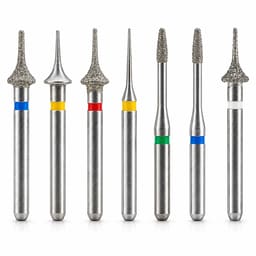
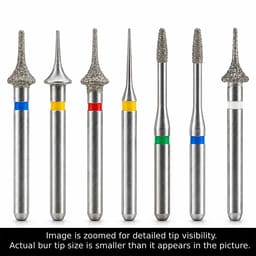
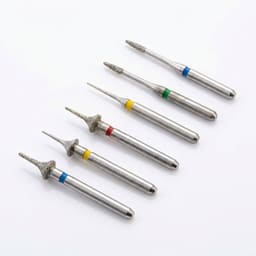
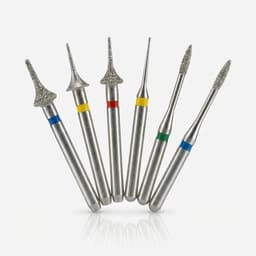
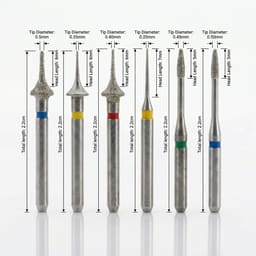
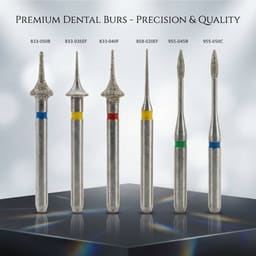
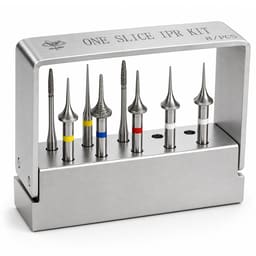
Premium diamond IPR burs for precise interproximal enamel reduction in orthodontic and clear aligner treatment procedures
Starting at₹ 125
View Similar Products
_11zon.jpg?w=256)

★ 4.4
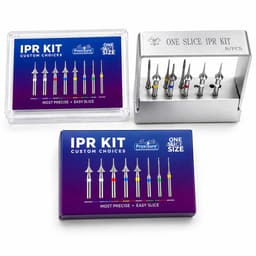
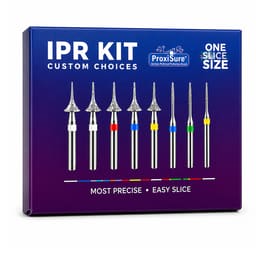
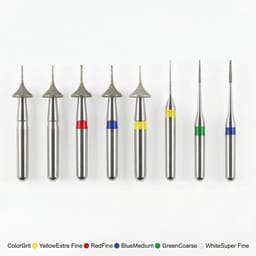
(10)A complete 8-bur diamond IPR kit with multi-grit options for precise interproximal enamel reduction in orthodontic procedures
₹ 730₹ 1800
59.44% Off
 35
35View Similar Products
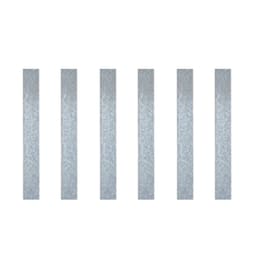
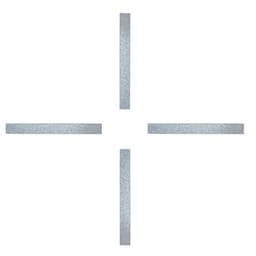
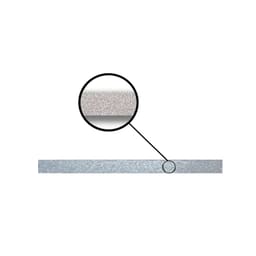
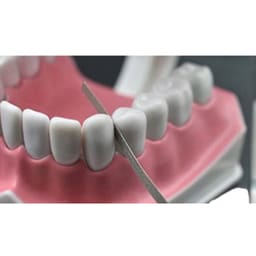
Diamond-coated abrasive strips for precise dental reduction, available in single or double-sided options
Starting at₹ 792
View Similar Products
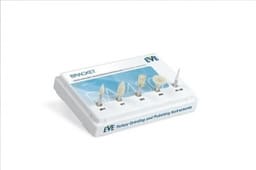
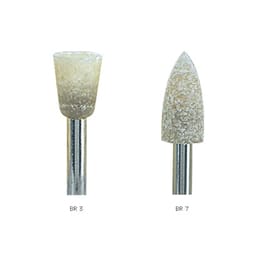
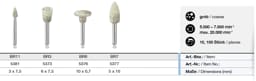
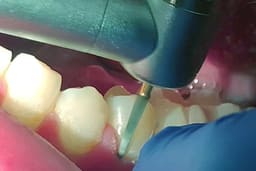
Safe and effective Bracket Debonding Kit for adhesive removal after bracket debonding
₹ 1495₹ 1665
10.21% Off
15View Similar Products
NOTIFY ME
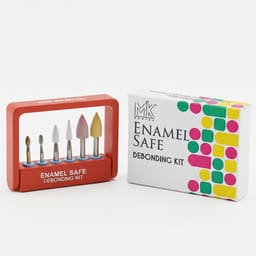
Enamel Safe debonding kit removes composite safely after braces or aligners, protecting enamel and ensuring smooth, polished teeth
₹ 1530₹ 2450
37.55% Off
31View Similar Products
Filters
Sort By
RecommendedOrthodontic Burs & Strips
Sometimes an orthodontist needs a little space to align teeth without extractions or expansion. Interproximal reduction creates it by removing a fraction of a millimetre of enamel from the sides of the teeth. The burs and strips in this category are how that is done. They shave enamel precisely and in tiny amounts, so crowding can be relieved and the contact points reshaped.
The amount removed is small and planned. Enamel is only a couple of millimetres thick, so IPR takes just a sliver, measured in tenths of a millimetre. Done correctly, it is safe and does no lasting harm. These tools give the control needed to stay within that safe margin. They belong with the wider orthodontics range.
Burs versus strips
There are two ways to do IPR, and each has its place.
An IPR bur is a diamond-coated rotary tip run in a handpiece. It cuts quickly and suits larger reductions or several contacts. A SuperEndo Proxisure IPR bur kit gives a graded set for this. An abrasive strip is a thin metal or plastic band coated with diamond grit, worked back and forth by hand between the teeth. Strips give fine control for small reductions and final smoothing. Many clinicians use a bur to open the contact and a strip to finish.
Coarse to fine
IPR works best in stages, moving from a coarser abrasive to a finer one.
Opening the contact
A coarser diamond bur or strip removes the bulk of the enamel and opens the tight contact between two teeth. This is the cutting stage, done carefully to the planned amount. A single SuperEndo IPR diamond bur handles this reduction step.
Finishing and polishing
Once the space is made, a finer bur or strip smooths the shaved surface. A rough enamel surface holds plaque and stains, so polishing it back to a smooth finish protects the tooth. This finishing pass is as important as the cutting one.
Doing it safely
IPR is safe only when it is measured and controlled.
The amount to remove is planned in advance, often with a gauge to check the space created. Water spray cools the tooth during bur work to avoid heat. Working slowly and checking often keeps the reduction within enamel and away from the pulp. Used this way, IPR is a routine, low-risk step; rushed or over-done, it can sensitise the tooth.
Debonding burs
The category also holds burs for the end of treatment.
When braces come off, adhesive is left on the enamel. A debonding bur removes that composite cleanly without gouging the tooth, leaving a smooth surface. These are shaped and graded differently from cutting or IPR burs. The wider range of rotary tips for every stage sits in the burs range.
Frequently Asked Questions (FAQs):
What are orthodontic burs and strips used for?
They are used for interproximal reduction, or IPR — removing a thin sliver of enamel between teeth to create space during orthodontic treatment. IPR burs are diamond rotary tips run in a handpiece; abrasive strips are hand-worked bands. Both shave enamel in tiny, controlled amounts to relieve crowding. The category also includes debonding burs for removing bracket adhesive.
What is interproximal reduction (IPR)?
Interproximal reduction is the controlled removal of a fraction of a millimetre of enamel from the sides of teeth. It creates small amounts of space to align crowded teeth without extractions or expansion. Because enamel is a couple of millimetres thick, IPR takes only a sliver, measured in tenths of a millimetre, so it is safe when done correctly.
Should I use a bur or a strip for IPR?
It depends on how much space is needed. A diamond bur in a handpiece cuts quickly and suits larger reductions or several contacts. An abrasive strip gives fine control for small reductions and final smoothing. Many clinicians open the contact with a bur and finish with a strip. Both remove enamel; the choice is about speed versus fine control.
Is interproximal reduction safe for teeth?
Yes, when it is measured and controlled. Only a small, planned amount of enamel is removed, kept well within its thickness and away from the pulp. Water cooling protects against heat, and polishing the surface afterward prevents plaque build-up. Rushed or excessive IPR can cause sensitivity, so careful technique and finishing are what keep it safe.
What is a debonding bur used for?
A debonding bur removes the composite adhesive left on the enamel after braces are taken off. It cleans away the residual bonding material without gouging or scratching the tooth, leaving a smooth surface. Debonding burs are shaped and graded for this specific job, which is different from the cutting done by IPR burs during treatment.