


Osteotomes bone chisel
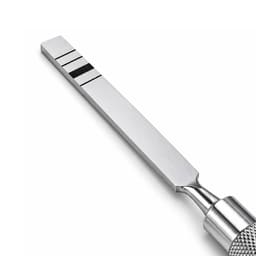
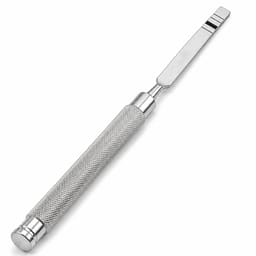
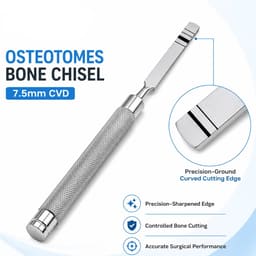
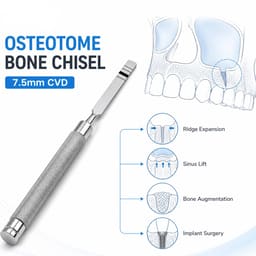
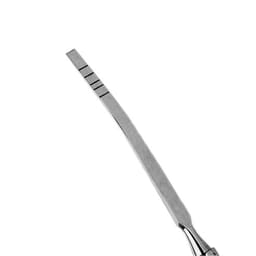
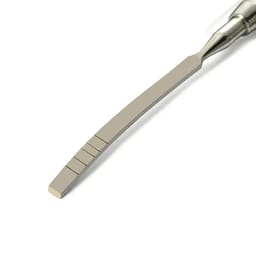
Osteotomes and bone chisels are hand instruments used in oral and implant surgery to cut, shape, split and condense bone. A chisel cuts and trims bone, usually tapped with a mallet. An osteotome compresses and moves bone to prepare an implant site. The category includes straight, curved, ridge-splitting and Ochsenbein types for different surgical steps.
 Recommended
 Price- High to LowPrice- Low to High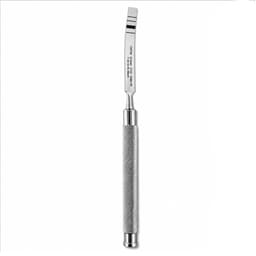

Only 1 Left
 10
10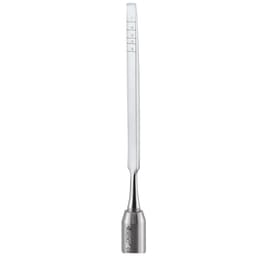
Only 4 Left
28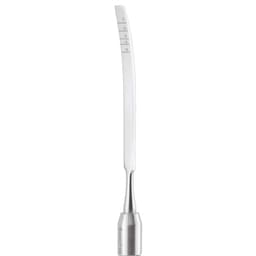
Only 3 Left
28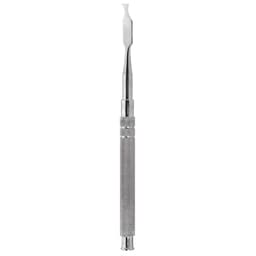
Only 4 Left
23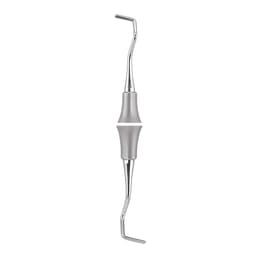
Only 4 Left
Only 4 Left
24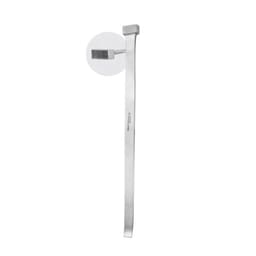
Only 4 Left
13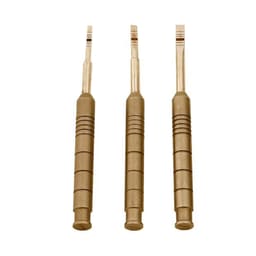
Only 4 Left
70Osteotomes & Bone Chisels
Bone surgery needs the right cutting edge. The job might be trimming a bony ledge, splitting a narrow ridge to widen it, or condensing a soft site before an implant. A chisel or osteotome does that work. These are tapped, driven or pressed by hand, so the surgeon controls the cut precisely. Powered burs are faster, but hand instruments give feel and avoid heat damage.
The two names describe two actions. A chisel has a sharp bevelled edge that cuts and removes bone. An osteotome has a shaped tip that compresses and displaces it rather than removing it. Many instruments in this category do both, but the distinction guides which one to reach for. You will find them alongside the fixtures and kits in the implantology range.
The main types
The category holds several forms, each shaped for a task.
Osteotome chisels
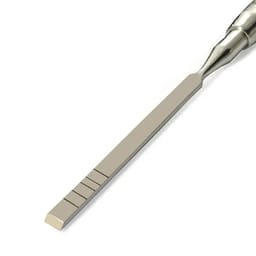
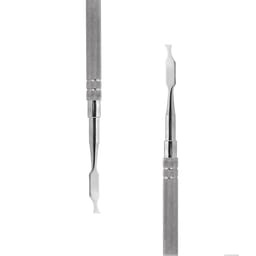
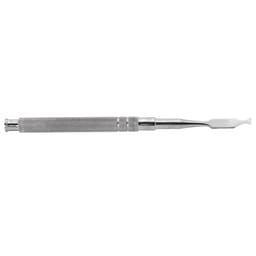
An osteotome chisel condenses and shapes bone, often to prepare or widen an implant site without removing material. It comes straight or curved to reach different sites. A GDC osteotome chisel (straight, 4mm) is a standard example for direct access.
Ridge-splitting chisels
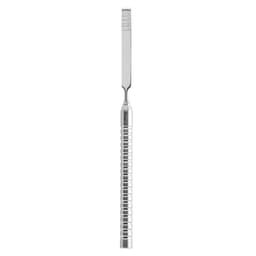
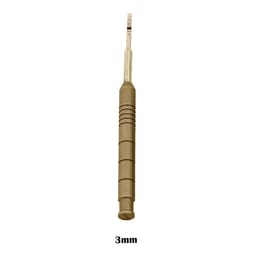
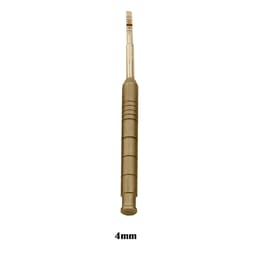
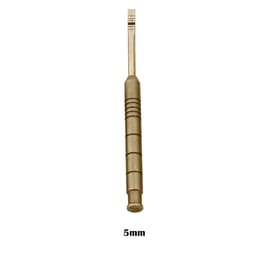
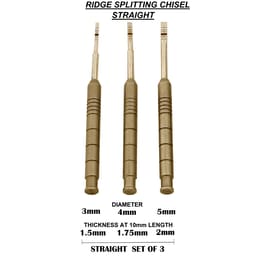
When a ridge is too thin for an implant, a ridge-splitting chisel divides it lengthways so it can be widened and grafted. These come as graded sets. A JullDent ridge-splitting chisel set gives the range of widths for this technique.
Ochsenbein and specialist chisels
Some chisels are shaped for specific surgical steps rather than implant site prep.
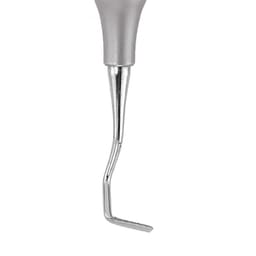
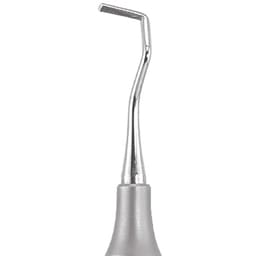
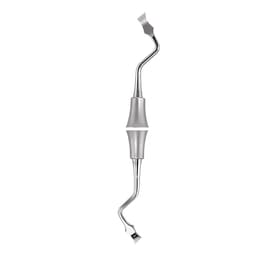
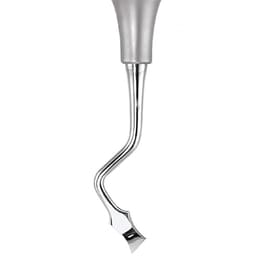
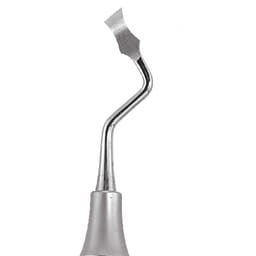
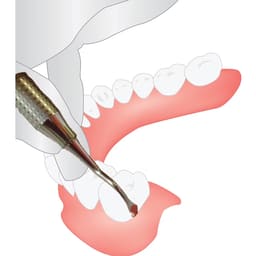
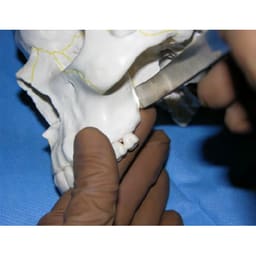
An Ochsenbein chisel is used in osseous (periodontal) surgery to reshape and trim the bone around the teeth. Its angled blade reaches the margins cleanly. A GDC Ochsenbein chisel is made for this contouring work. A pterygoid chisel, by contrast, is shaped to reach the far back of the upper jaw.
Straight or curved
The shape of the shaft decides where the instrument can reach.
A straight chisel suits open, direct access — the front of the mouth or an exposed ridge. A curved chisel reaches around structures and into the back of the arch, where a straight shaft cannot line up. Most trays carry both so the surgeon can match the tool to the site. The full set sits with the other surgical instruments for the procedure.
Using and choosing
A chisel is driven by tapping its handle with a surgical mallet, in small controlled steps. Sharpness matters: a sharp edge cuts cleanly with less force, while a blunt one crushes bone and needs harder blows. Keep the edge maintained and sterilised between cases.
Choose by the job. An osteotome for condensing, a ridge-splitting set for narrow ridges, an Ochsenbein for osseous surgery, and straight or curved to match access. Look for surgical stainless steel that holds an edge and survives repeated autoclaving.
Frequently Asked Questions (FAQs):
What is the difference between an osteotome and a bone chisel?
They do different actions. A bone chisel has a sharp bevelled edge that cuts and removes bone. An osteotome has a shaped tip that compresses and displaces bone rather than cutting it away, often to prepare or widen an implant site. Many instruments blur the line, but the names point to whether bone is removed or moved.
What is a ridge-splitting chisel used for?
It divides a narrow bony ridge along its length so the ridge can be widened for an implant. When there is not enough width, the chisel splits the crest and the two walls are eased apart, then grafted. Ridge-splitting chisels come as graded sets of increasing width to open the ridge in controlled steps.
What is an Ochsenbein chisel?
An Ochsenbein chisel is used in osseous periodontal surgery to reshape and trim the bone around teeth. Its angled blade reaches the bone margins to remove ledges and contour the bone for healthy gum architecture. It is a resective tool, different from the osteotomes used to condense bone for implants.
Are osteotomes and chisels used with a mallet?
Yes, usually. A chisel or osteotome is driven by tapping its handle with a surgical mallet in small, controlled steps. This gives the surgeon fine control over depth and direction. Some condensing osteotomes are also pushed by hand pressure alone. Controlled tapping avoids over-cutting and protects nearby structures.
What material should a bone chisel be made of?
Surgical-grade stainless steel. It takes and holds a sharp edge, does not corrode, and stands up to repeated autoclave cycles and mallet blows. A sharp, well-maintained edge cuts bone cleanly with less force, so keeping the edge in good condition is as important as the steel itself.