

Waxes
Dental waxes are the shapeable materials a lab and clinic use to build patterns, set denture teeth, record a bite, and box an impression. Maarc, DPI, MDM, Rolex, and Samit make the modelling, carving, pattern, sticky, boxing, and bite formats. Each is graded by hardness and melting point, from soft pink modelling wax to hard, low-ash blue pattern wax.
 Recommended
 Price- High to LowPrice- Low to High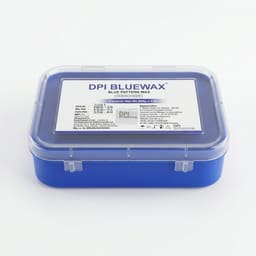
 7
7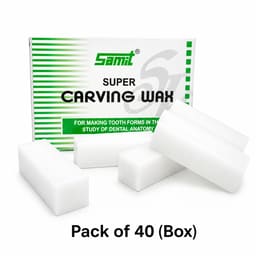
 6
6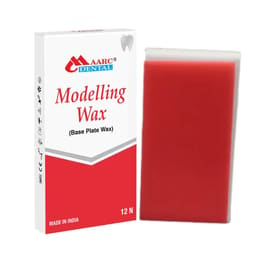
 3
3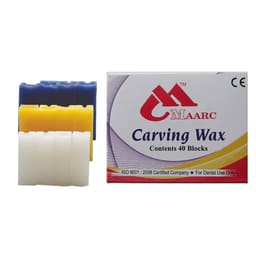
Dental Waxes — Modelling, Carving, Pattern, Sticky, Boxing and Bite Registration Waxes
Dental wax is a working material, not a finished one — it holds a shape long enough to build, record, or fix something, then melts away or is replaced once the permanent material takes over. A soft pink sheet is warmed and adapted over a cast to set denture teeth; a hard blue block is carved into a crown pattern that is later cast in metal; a sticky stick tacks two pieces together for soldering. What separates one wax from the next is how hard it is and the temperature it flows at, and the prosthodontics bench keeps several on hand for their different jobs.
Types of dental wax
Modelling and base-plate wax
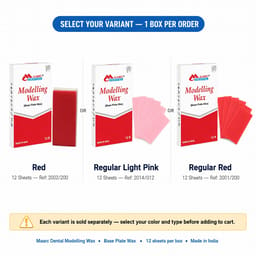
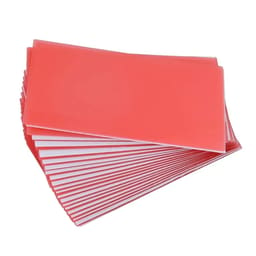
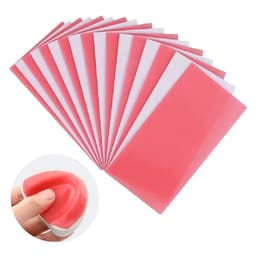
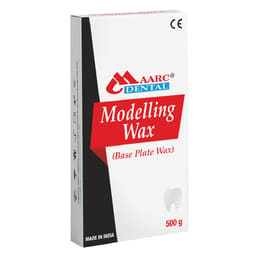
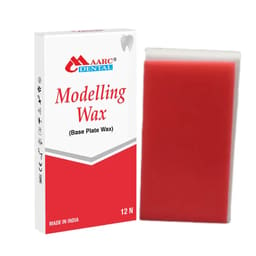
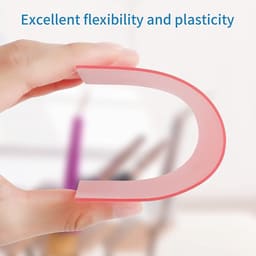
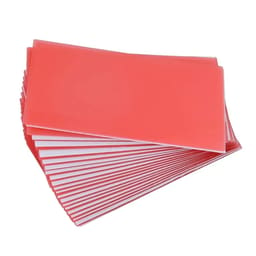
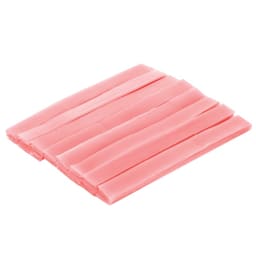
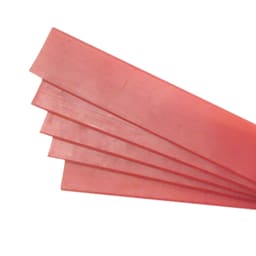
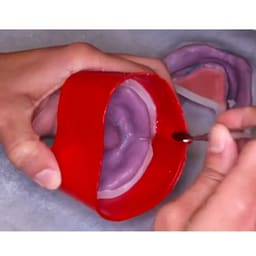
Soft pink or red sheet wax is the denture wax. Warmed in a water bath, it drapes over the cast to form the trial base and holds the artificial teeth in position for the try-in, then trims cleanly with a Le Cron and burns out without residue at processing. The Maarc Modelling Wax Hard - 500g (2010/500) is a rigid grade that keeps a bite rim stable.
Carving wax blocks
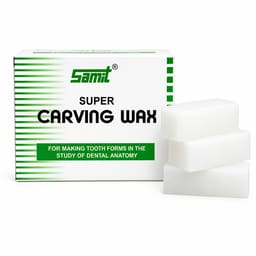
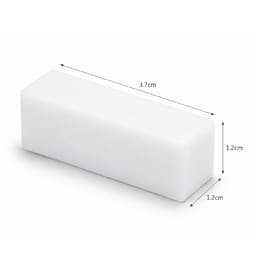
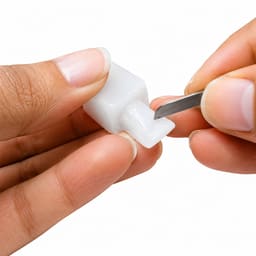
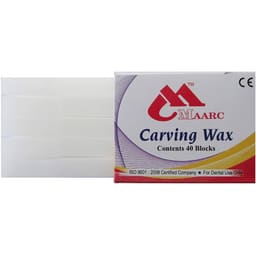
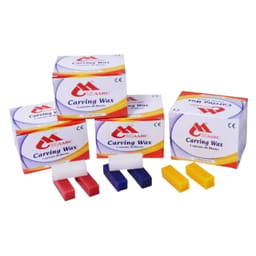
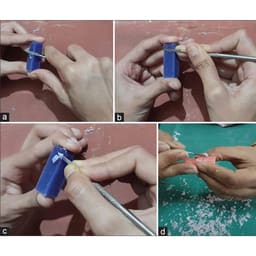
Hard, dense wax blocks are made to be carved rather than melted — they take a knife edge cleanly, which is why they are the material dental students shape teeth from and technicians use for a custom pattern. The Samit Carving Wax Blocks (Pack of 40) is a bulk teaching pack.
Pattern and inlay-casting wax
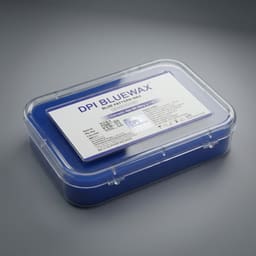
Pattern wax is the one that becomes a metal restoration. Built up on a die into the shape of an inlay, onlay, crown, or coping, it is invested and burned out so molten alloy fills the space it leaves — so it has to hold fine detail and leave almost no ash. The Rolex Inlay Casting Wax is a blue casting grade, and Maarc's multi-colour Pattern Wax covers the sticks.
Sticky wax
Sticky wax does one job: it tacks pieces together and then lets go cleanly. A hard, high-adhesion wax that snaps rather than bends when set, it holds metal parts aligned for soldering, fixes a fractured pattern for repair, and jigs a bridge before joining. The Maarc Sticky Wax is the bench standard for it.
Boxing, beading, spacer and utility waxes
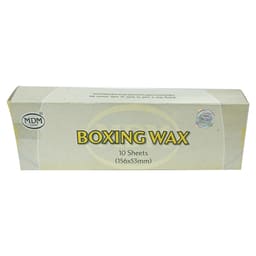
A cluster of specialist waxes serve the impression and model stage: boxing wax walls off an impression so stone pours into a neat base, beading wax seals and extends the tray periphery, spacer wax leaves room for a wash impression, and soft utility-wax rope adapts a tray or relieves an appliance chairside. The Maarc Boxing Wax forms the pour base.
Bite registration wax
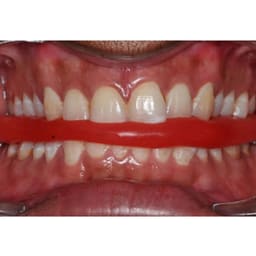
For occlusal records there is bite registration wax — an aluminium-filled, dimensionally stable wafer that captures how the upper and lower teeth meet and holds that record steady to the articulator. The Maarc Perfect Bite Registration Wax (2213/010) takes the occlusal record.
Connector and clasp profile wax
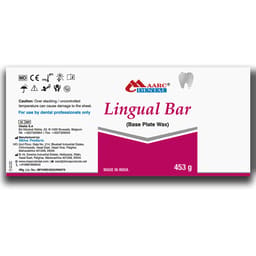
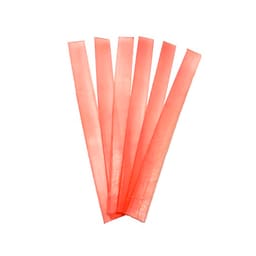
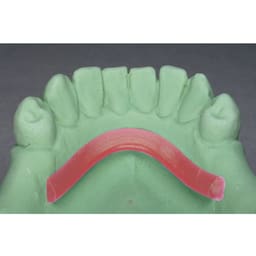
For framework work, pre-formed profile waxes drop a ready-made bar or clasp shape straight into a partial-denture wax-up instead of shaping it by hand. The Maarc Lingual Bar Base Plate Wax supplies the connector profile.
When dental waxes are used
Wax turns up at nearly every lab and try-in step:
- Adapting a denture base plate and setting the teeth for the try-in
- Carving a crown, inlay, or onlay pattern for casting
- Recording how the upper and lower teeth meet
- Boxing and beading an impression before the model is poured
- Sticking metal parts together for soldering or a repair
- Waxing a partial-denture framework with connector and clasp profiles
- Relieving a rubbing bracket or appliance chairside with utility wax
How to choose dental wax
- Match the wax to the job — soft modelling wax for denture set-up, hard block wax for carving, low-ash pattern wax for anything that gets cast.
- Hardness for the climate — a harder grade keeps its shape in a warm lab; a softer one adapts more easily but slumps in heat.
- Burn-out for cast work — a pattern or sprue wax has to leave near-zero ash, or the casting comes out flawed.
- Soften in water, not flame — a 50–55 °C water bath warms wax evenly; a naked flame boils off the paraffin and leaves it brittle.
- Buy fresh and store flat — wax distorts and ages, so order only a few months' supply at a time and keep the sheets flat and cool.
Dental wax brands on Dentalkart
Maarc's wax range is the broadest of the lot — covering nearly every format from modelling and pattern to clasp and utility — which makes it the natural pick for a lab that wants to stock one supplier.
DPI's pattern wax and model cement are the long-standing Indian lab names, and MDM, Rolex, and Samit cover the carving, sticky, boxing, and inlay grades at prices that suit a teaching lab or a high-volume bench.
Why buy dental waxes from Dentalkart
Wax is cheap, but the wrong wax wastes a whole cast or a whole try-in, so it comes down to having the right format for each step and stock that has not gone hard or warped in the drawer. Every format the bench runs on is stocked — modelling and pattern, carving and sticky, boxing and bite — across Maarc's broad line and the value grades beside it, and it sits alongside the denture base material, investment, and stone the wax work feeds into, so a lab can keep every format fresh and matched to what comes after it.
Frequently Asked Questions (FAQs):
What are the main types of dental wax?
They sort by job. Modelling and base-plate wax build dentures; carving-block wax is shaped by knife for teeth and patterns; pattern and inlay wax become cast metal restorations; sticky wax fixes parts for soldering; boxing, beading, and spacer waxes handle impressions; bite wax records the occlusion; and utility wax adapts trays and appliances. Each has its own hardness and melting point.
How is modelling wax different from pattern wax?
They sit at opposite ends of the hardness scale. Modelling wax is soft and pink, meant to drape over a cast and hold denture teeth, and it forgives handling. Pattern wax is hard and usually blue, made to be carved into a precise inlay or crown shape on a die and to burn out with almost no ash for casting. Using one for the other's job gives a poor result.
Why shouldn't I soften wax over a flame?
A flame overheats the wax unevenly and boils off its paraffin, which changes how it flows and leaves it brittle and prone to cracking as it is adapted. A thermostatically controlled water bath at 50–55 °C warms the whole piece to an even, workable softness without degrading it — which is why it is the standard for modelling, pattern, and bite waxes.
What is sticky wax used for?
Sticky wax is a temporary adhesive for the bench. It tacks metal components in alignment before soldering, holds a fractured wax pattern together for repair, and fixes castings to a die or a jig during assembly. It is made hard and high-adhesion so it grips firmly and then snaps off cleanly rather than smearing.
Why does dental wax go bad, and how do I store it?
Wax ages and distorts. Left in heat or stacked under weight, sheets warp and lose the properties they need to soften and adapt evenly, and old wax can turn brittle. Store it flat, cool, and out of sunlight, buy only a few months' worth at a time, and check the manufacturing date — a warped or crumbly pack is past use.