Login
carousel image
carousel image

Intraoral Camera

4.5

Intraoral cameras are handheld imaging devices that capture photos and video inside the patient's mouth for diagnosis and patient education. Indian clinics run Waldent, Endoking, and True Smile for USB, integrated-screen, and wireless chairside imaging. Dentalkart ships to 110000+ pincodes across India and supplies 50,000+ dentists and dental colleges.

Intraoral Camera

Intraoral cameras are pen-shaped handheld imaging devices used inside the patient's mouth to capture high-resolution photos and video of the teeth, gums, and oral tissues. The camera tip houses a CMOS sensor and LED light ring; the image is sent to a connected display via USB, HDMI, or wireless link. Modern units offer fixed or variable focus, magnification up to 100x, angle views from 0 to 90 degrees, and specialised imaging software. They serve patient education, chairside diagnosis, before-and-after documentation, and insurance claims.

Types of Intraoral Cameras

USB-laptop intraoral cameras

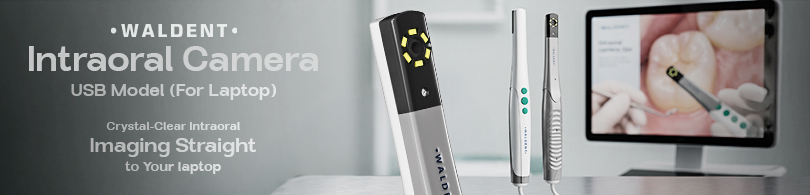
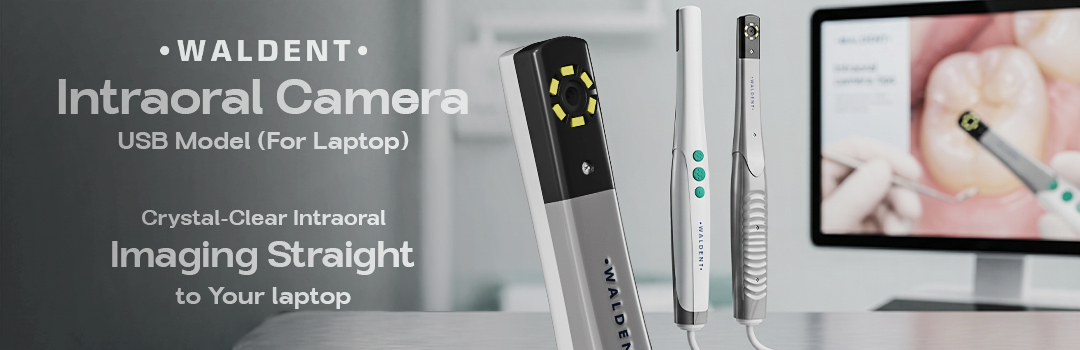
USB intraoral cameras plug directly into a laptop or desktop and stream live video through the brand's imaging software. They are the most cost-effective format and the easiest to install in any clinic with a chairside PC. Example: Waldent Intraoral Camera USB Model — 5-megapixel camera with easy-to-install software for laptop use.

TV-output intraoral cameras

TV-output cameras connect via AV or HDMI to any monitor or TV in the operatory. They suit clinics where a dedicated PC is not on the chairside and the dentist just needs the image on a display for patient education.

Wireless intraoral cameras

Wireless cameras pair to a phone, tablet, or chairside display over Wi-Fi or Bluetooth, removing the cable from the operatory floor. They are useful when the camera moves between operatories or when the dentist works from a tablet. Example: True Smile Intra Oral Dental Camera — sleek wireless intraoral camera with 2 MP sensor, 8 LEDs, and Full HD imaging.

Intraoral cameras with integrated screen

Integrated-screen cameras include their own LCD on the handle or a dock, so the dentist sees the image without turning to a separate monitor. They are useful in retrofitted operatories without permanent screen mounts. Example: Waldent Ergo Intra Oral Camera with Screen (10 MP).

Ultra HD intraoral cameras

Ultra HD cameras use a higher-resolution sensor (8 to 16 MP) and a wider focus range for crisper images of crack lines, caries margins, and gingival inflammation. They suit prosthodontists and periodontists who need image-grade quality for case documentation.

When are intraoral cameras used?

Intraoral cameras are used during the dental exam and during treatment to capture a magnified view of teeth, gums, and restorations. The image goes to a chairside screen so the patient sees what the dentist sees in real time. Saved images become part of the patient's digital record.

  • Patient education during treatment plan presentation
  • Caries detection in posterior teeth and proximal surfaces
  • Crack line and fracture documentation for restorative diagnosis
  • Before-and-after photos for crown, veneer, and aesthetic cases
  • Insurance claims and pre-authorisation documentation
  • Periodontal photography for gingival inflammation tracking

How to choose the right intraoral camera

  1. Connectivity (USB, HDMI, wireless). USB is the cheapest and most reliable, plugging straight into any laptop. HDMI/TV models suit clinics without chairside PCs. Wireless models are most flexible but need charging and occasional re-pairing.
  2. Image resolution. 2 megapixel sensors are enough for patient education. 5 megapixel and above is needed for caries detection and case documentation. 10 megapixel and Ultra HD models give the clearest crack-line and restoration margin images.
  3. Focus and magnification. Fixed-focus cameras keep things simple but lose detail outside the sweet spot. Variable-focus cameras adjust from close-up (5 mm) to wide field (full quadrant). Magnification up to 100x helps with caries and crack detection.
  4. Software integration. Some cameras work only with the brand's bundled software; others export TWAIN or DICOM images that integrate with practice management software. Confirm compatibility with your clinic's PMS before purchase.
  5. Sterilisation and infection control. Disposable barrier sheaths are the norm; the camera body itself is not autoclavable. Check that disposable sheaths are stocked locally and affordable in bulk.
  6. Warranty and support. Indian brands like Waldent offer 12-month warranties with direct service. Imported brands route service through national distributors, with longer turnaround on board-level repair.

Intraoral camera brands available on Dentalkart

Dentalkart stocks intraoral cameras from Waldent, Endoking and True Smile. Waldent's intraoral camera range covers USB, integrated-screen, and PMS-connected models for general practice. True Smile and Endoking serve the entry-level wireless and cordless segments.

Why buy intraoral cameras from Dentalkart

Dentalkart sources every intraoral camera directly from the manufacturer or the brand's authorised distributor in India. Each unit ships with the manufacturer's warranty (12 to 24 months on most brands). The box includes the camera wand, imaging software, and a starter pack of disposable barrier sheaths. Orders reach 110000+ pincodes across India, with cash on delivery available on most listings and EMI options through partner banks. Replacement sheaths and spare cables are stocked separately for ongoing supply.

Filters
Sort By
Recommended

Intraoral cameras are pen-shaped handheld imaging devices used inside the patient's mouth to capture high-resolution photos and video of the teeth, gums, and oral tissues. The camera tip houses a CMOS sensor and LED light ring; the image is sent to a connected display via USB, HDMI, or wireless link. Modern units offer fixed or variable focus, magnification up to 100x, angle views from 0 to 90 degrees, and specialised imaging software. They serve patient education, chairside diagnosis, before-and-after documentation, and insurance claims.

Types of Intraoral Cameras

USB-laptop intraoral cameras

USB intraoral cameras plug directly into a laptop or desktop and stream live video through the brand's imaging software. They are the most cost-effective format and the easiest to install in any clinic with a chairside PC. Example: Waldent Intraoral Camera USB Model — 5-megapixel camera with easy-to-install software for laptop use.

TV-output intraoral cameras

TV-output cameras connect via AV or HDMI to any monitor or TV in the operatory. They suit clinics where a dedicated PC is not on the chairside and the dentist just needs the image on a display for patient education.

Wireless intraoral cameras

Wireless cameras pair to a phone, tablet, or chairside display over Wi-Fi or Bluetooth, removing the cable from the operatory floor. They are useful when the camera moves between operatories or when the dentist works from a tablet. Example: True Smile Intra Oral Dental Camera — sleek wireless intraoral camera with 2 MP sensor, 8 LEDs, and Full HD imaging.

Intraoral cameras with integrated screen

Integrated-screen cameras include their own LCD on the handle or a dock, so the dentist sees the image without turning to a separate monitor. They are useful in retrofitted operatories without permanent screen mounts. Example: Waldent Ergo Intra Oral Camera with Screen (10 MP).

Ultra HD intraoral cameras

Ultra HD cameras use a higher-resolution sensor (8 to 16 MP) and a wider focus range for crisper images of crack lines, caries margins, and gingival inflammation. They suit prosthodontists and periodontists who need image-grade quality for case documentation.

When are intraoral cameras used?

Intraoral cameras are used during the dental exam and during treatment to capture a magnified view of teeth, gums, and restorations. The image goes to a chairside screen so the patient sees what the dentist sees in real time. Saved images become part of the patient's digital record.

  • Patient education during treatment plan presentation
  • Caries detection in posterior teeth and proximal surfaces
  • Crack line and fracture documentation for restorative diagnosis
  • Before-and-after photos for crown, veneer, and aesthetic cases
  • Insurance claims and pre-authorisation documentation
  • Periodontal photography for gingival inflammation tracking

How to choose the right intraoral camera

  1. Connectivity (USB, HDMI, wireless). USB is the cheapest and most reliable, plugging straight into any laptop. HDMI/TV models suit clinics without chairside PCs. Wireless models are most flexible but need charging and occasional re-pairing.
  2. Image resolution. 2 megapixel sensors are enough for patient education. 5 megapixel and above is needed for caries detection and case documentation. 10 megapixel and Ultra HD models give the clearest crack-line and restoration margin images.
  3. Focus and magnification. Fixed-focus cameras keep things simple but lose detail outside the sweet spot. Variable-focus cameras adjust from close-up (5 mm) to wide field (full quadrant). Magnification up to 100x helps with caries and crack detection.
  4. Software integration. Some cameras work only with the brand's bundled software; others export TWAIN or DICOM images that integrate with practice management software. Confirm compatibility with your clinic's PMS before purchase.
  5. Sterilisation and infection control. Disposable barrier sheaths are the norm; the camera body itself is not autoclavable. Check that disposable sheaths are stocked locally and affordable in bulk.
  6. Warranty and support. Indian brands like Waldent offer 12-month warranties with direct service. Imported brands route service through national distributors, with longer turnaround on board-level repair.

Intraoral camera brands available on Dentalkart

Dentalkart stocks intraoral cameras from Waldent, Endoking and True Smile. Waldent's intraoral camera range covers USB, integrated-screen, and PMS-connected models for general practice. True Smile and Endoking serve the entry-level wireless and cordless segments.

Why buy intraoral cameras from Dentalkart

Dentalkart sources every intraoral camera directly from the manufacturer or the brand's authorised distributor in India. Each unit ships with the manufacturer's warranty (12 to 24 months on most brands). The box includes the camera wand, imaging software, and a starter pack of disposable barrier sheaths. Orders reach 110000+ pincodes across India, with cash on delivery available on most listings and EMI options through partner banks. Replacement sheaths and spare cables are stocked separately for ongoing supply.

Frequently Asked Questions (FAQs):

What is an intraoral camera used for in dentistry?

An intraoral camera is used to capture magnified photos and video of the teeth and oral tissues during examination and treatment. The image goes to a chairside screen for the dentist and patient to see together. It supports patient education, treatment planning, before-and-after documentation, insurance claims, and digital patient records.

What's the difference between an intraoral camera and an intraoral scanner?

Intraoral cameras and intraoral scanners do different jobs. A camera captures 2D photos and video for patient education and documentation; it does not produce a 3D file. A scanner captures a 3D digital impression for crown, bridge, and aligner fabrication. Cameras start at ₹4,000; scanners start at ₹1.5 lakh.

Which intraoral camera is best for a general dental clinic in India?

For a general dental clinic in India, a 5 megapixel USB intraoral camera covers the work. Waldent USB model sits in the ₹4,000 to about ₹42,000 range. Step up to a 10 megapixel integrated-screen model like the Waldent Ergo for chairside documentation. Wireless models from True Smile suit clinics where the camera moves between operatories.

How long does an intraoral camera last?

A well-cared-for intraoral camera lasts 3 to 5 years of daily clinic use. The cable bend point and the camera tip fail first; a broken cable is the single most common reason units are sent for repair. Use disposable barrier sheaths every patient. Imported brands tend to outlast Indian models by 1 to 2 years on the same daily volume.

Are intraoral cameras on Dentalkart genuine?

Yes, every intraoral camera on Dentalkart ships from the manufacturer or authorised Indian distributor. Each unit comes with the manufacturer's warranty card, imaging software, and a starter pack of disposable sheaths. A 10-day replacement window covers transit damage and dead-on-arrival defects. After that, the manufacturer's 12 to 24 month warranty covers electrical and sensor failure.

Stay Connected
15k+

Followers

ABOUT
Contact Us
About Us
Careers
CONTACT US
Investor Relations
Dealer Price Bulk Inquiry
Waldent Dealership
Sell on Dentalkart
HELP
Orders
Refunds
Payments
Rewards
POLICY
Return Policy
Terms of Use
Privacy
Sitemap
REGISTERED OFFICE ADDRESS

2016-2026, VASA DENTICITY LIMITED

Crafted with in India

Our Payment Partners
gpay
paytm
rupay
phonepe
visa
masterCard
like
4.5
Average online rating