

Laboratory Products
4.0
Dental laboratory products are the bench materials and equipment a technician uses to build and finish dental work. The group brings together articulators and facebows for the bite, die stone for pouring models, ceramics for layering crowns, and solder and flux for metalwork, along with formers, pliers, and torches. Together they take a case from impression to finished appliance.
Sort by - Recommended
 Recommended
 Price- High to LowPrice- Low to High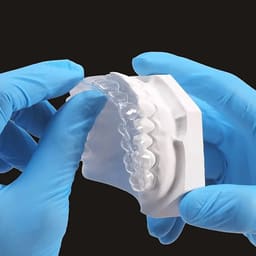


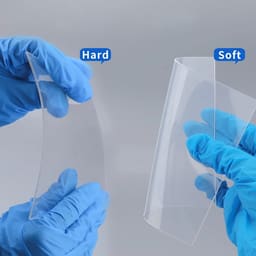
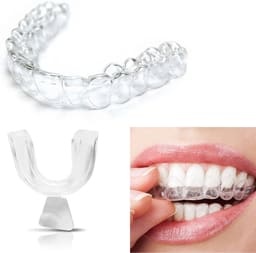
Flexible thermoforming plastic sheets designed for accurate dental appliance fabrication.
₹ 1750₹ 1975
11.39% Off
 17
17View Similar Products

Stone(3kg)23.jpg?w=256)
Stone(3kg)3wwee.jpg?w=256)
Stone(3kg)65555555.jpg?w=256)
Stone(3kg)2122233.jpg?w=256)

Only 1 Left
★ 3.0
(2)High-strength yellow colored Type IV dental die stone (3kg) for precise model fabrication.
₹ 959₹ 960
0.10% Off
2View Similar Products

★ 4.7
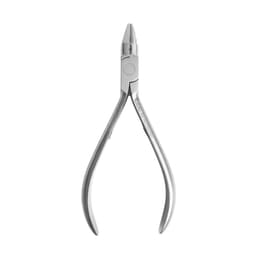
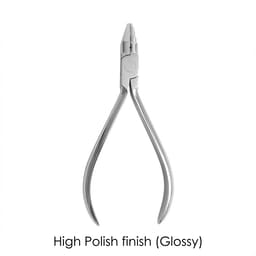
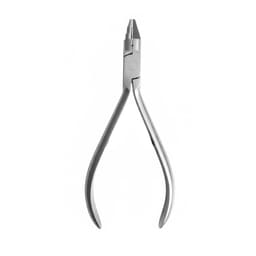
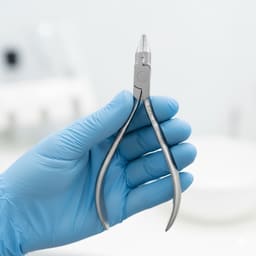
(11)Universal pliers are used to make clasps, bows, loops, and springs.
₹ 1055₹ 1848
42.91% Off
21View Similar Products
Only 1 Left
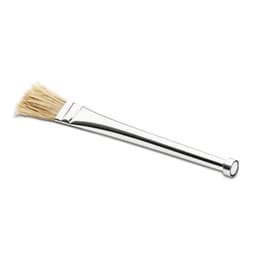
Effective and durable pellet brush with a magnet for precision
₹ 2345₹ 3125
24.96% Off
20View Similar Products
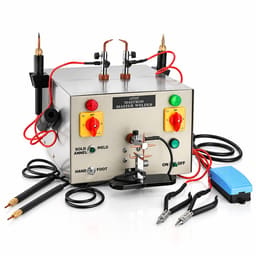
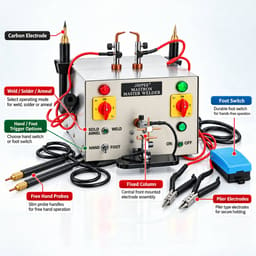
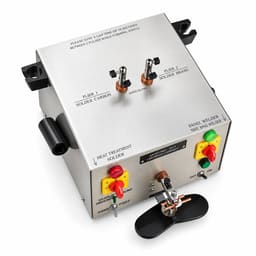
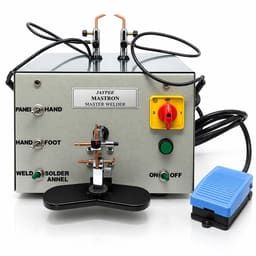
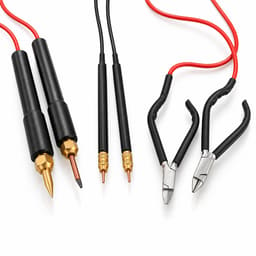
Only 1 Left
Spot welds orthodontic bands, solders, anneals and shape sets NiTi wire in one benchtop unit
₹ 64595₹ 72990
11.50% Off
645View Similar Products
Only 4 Left
View Similar Products
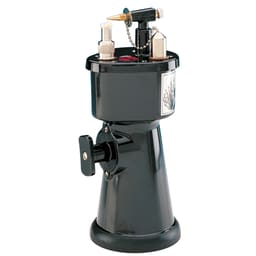
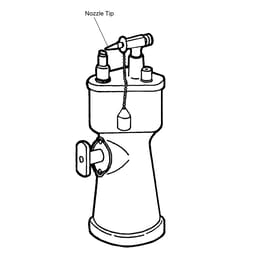
Only 1 Left
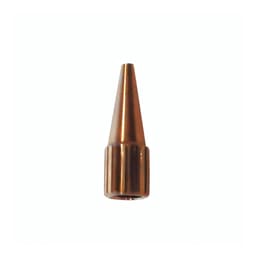
Alcohol Torch Nozzle Tip: Precision-engineered for focused flame, ensuring accurate application in dental procedures.
₹ 1589₹ 2000
20.55% Off
15View Similar Products
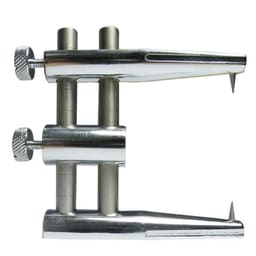
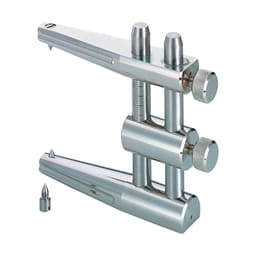
Only 4 Left
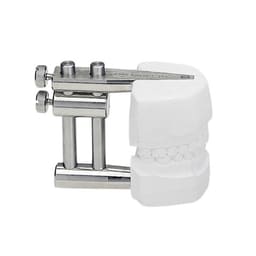
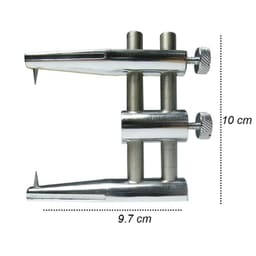
Stable occlusal holder with sliding arms for precise model analysis and orthodontic treatment planning
₹ 5249₹ 6406
18.06% Off
52View Similar Products
Filters
Sort By
RecommendedLaboratory Products
Everything on this page belongs on the technician's bench, not at the chair. It is the kit a dental lab runs on: the articulators that hold a case, the stone that pours its models, the ceramics that dress a crown, and the solder that joins a framework. The list mixes durable equipment with day-to-day consumables, so a single order might carry an articulator alongside a bag of die stone. Browse it as the working core of the dental laboratory range.
Mounting and models
Accurate lab work starts with a well-poured, well-mounted cast:
- Articulators hold the upper and lower models and mimic how the jaws close and slide — disposable ones for a single unit, adjustable ones for full-arch cases.
- Facebows carry the jaw relationship across to the articulator so the bite is reproduced, not guessed.
- Die and model stone pour the cast itself; Type IV die stone for hard, abrasion-resistant dies, softer model stone for the base.
Get this stage right and the restoration seats more predictably, straight into prosthodontics work.
Building and joining
Once the model is ready, the case is built up and its metalwork joined:
- Ceramic modifiers and build-up powders layer shade and character onto a crown or coping.
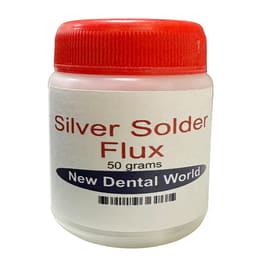
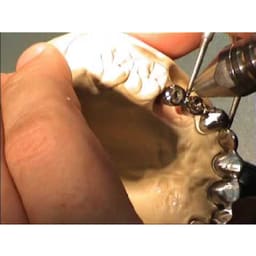
- Silver solder and flux bond metal parts — an ortho wire, a repaired framework — with the flux cleaning the surface so the solder flows.
- Grinding and separating discs trim and part metal and ceramic after it sets.
Shade-match the ceramics to your build-up system and to the impression taken with your impression materials.
Buying tips
Two quick checks before you add to cart:
- Stay in one system. Articulators, facebows, and split fixators are easiest to use when the parts come from the same range — mixed brands rarely mate cleanly.
- Split kit from consumables. Articulators, formers, and pliers are bought once and last; stone, solder, flux, and discs run out, so reorder those on a cycle. Many labs pair their bench kit with a milled CAD/CAM workflow.
Frequently Asked Questions (FAQs):
What counts as a dental laboratory product?
It is any bench material or tool a technician uses to fabricate and finish dental work. On this page that means articulators and facebows for the bite, die and model stone for casts, ceramic build-up materials for crowns, silver solder and flux for metal, and hand tools like formers, pliers, and torches. Essentially, the kit that sits between a poured model and a finished restoration.
Why does a technician need an articulator?
Because a restoration has to fit the way the patient actually bites. An articulator clamps the upper and lower casts and reproduces how the jaws meet and move, so a crown, bridge, or denture is built to the real occlusion rather than a flat guess. A facebow feeds the jaw relationship in. Disposable articulators cover single units; adjustable ones handle complex, full-arch cases.
Which die stone should I pour a working model in?
For dies that take build-up and get handled, use Type IV die stone — it is dense, hard, and holds fine margins without wearing. For the wider model base, a softer model stone is enough and more economical. Whichever grade you pour, keep to the stated water-to-powder ratio, because getting that wrong changes both the set strength and the dimensional accuracy.
How do silver solder and flux work together?
The solder is a filler alloy that melts to bridge two metal parts; the flux is what makes that possible. Applied first, flux strips oxide off the surface and stops it reforming under the torch, so the molten solder wets the metal and flows into the joint instead of balling up. Used together they give a clean, sound join on wires and frameworks.
Are these products meant for the clinic or the lab?
Chiefly the lab. Articulators, gypsum, ceramics, solder, formers, and discs are technician equipment, used on the bench rather than in the surgery. A handful — pliers, disposable articulators — cross over to chairside use. The category deliberately mixes the two, so read each product's description to see where it is intended to be used before ordering.