


Extraction Instruments
Extraction instruments are the oral-surgery tools for removing teeth and roots — elevators and luxators that loosen a tooth in its socket, forceps that grip and deliver it, root tip picks for retrieving fragments, and rongeurs for trimming bone. They come in tooth-specific and paediatric patterns for every position in the mouth. Brands include GDC, Waldent, API, and Veecare.
 Recommended
 Price- High to LowPrice- Low to High
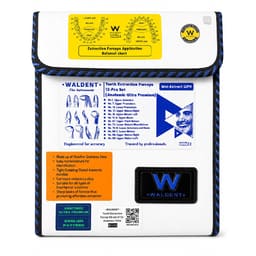
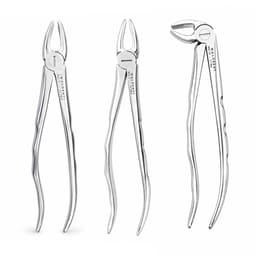
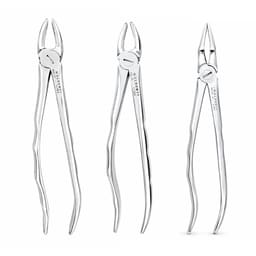
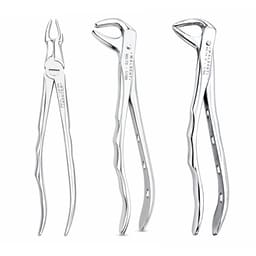
Only 5 Left
 649
649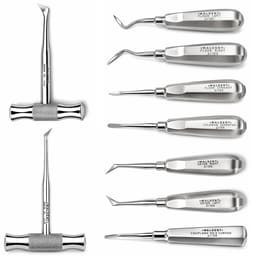
 199
199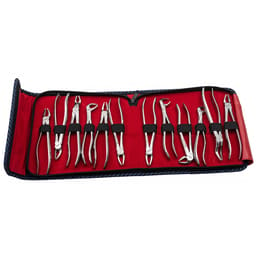
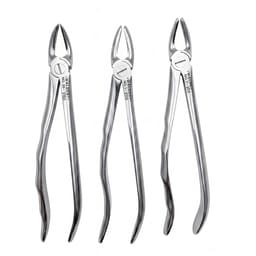
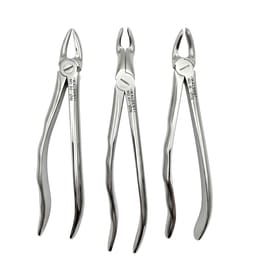 599
599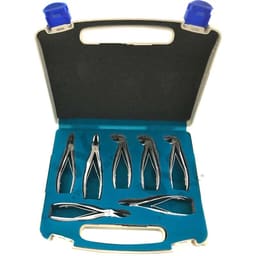
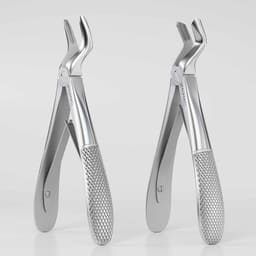
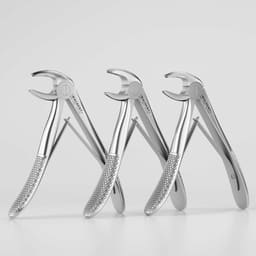
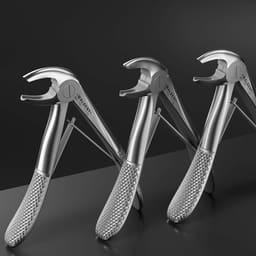
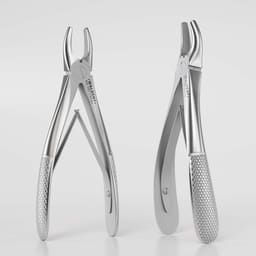
 240
240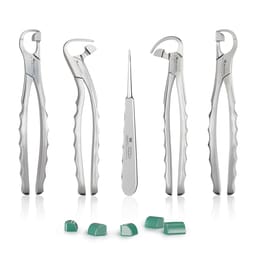
 850
850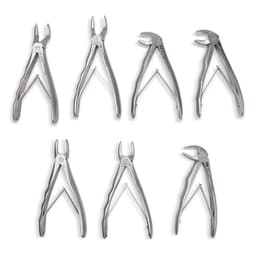


Only 5 Left
385.jpg?w=256)
Only 2 Left
21
Extraction Instruments
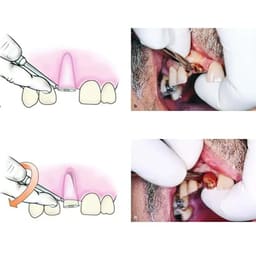
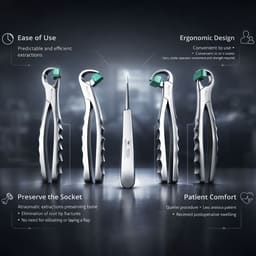
Removing a tooth is a sequence of steps, and each has its own instrument. First the tooth is loosened in its socket with an elevator or luxator worked around the root; then it is gripped and delivered with a forceps shaped to that tooth; if a root snaps, a fine root tip pick retrieves the fragment; and any sharp bone left at the margin is smoothed with a rongeur. Extraction instruments are the family that covers this whole sequence, in patterns matched to adult and paediatric teeth and to every position from incisor to third molar. Because the right instrument makes an extraction cleaner and less traumatic, a surgical tray carries several. Local anaesthetic from the local anaesthesia range is given before any of them is used.
The instrument families
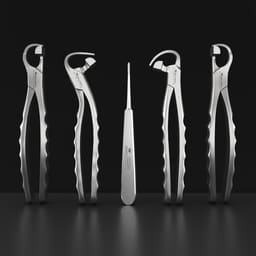
The instruments fall into a few working groups:
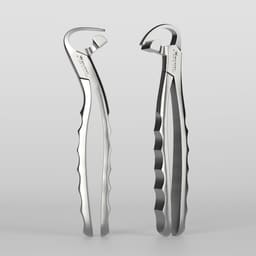
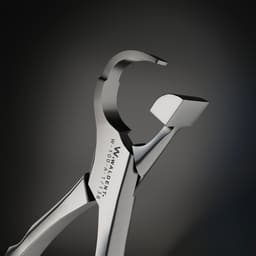
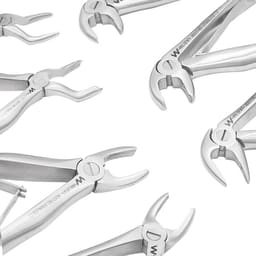
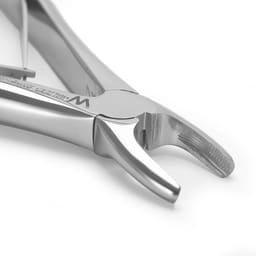
- Forceps — clamp onto the crown or root to lift the tooth out, their beaks shaped to a particular tooth and side.
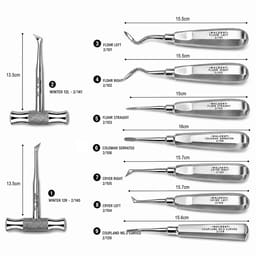
- Elevators — lever a tooth loose in its socket before forceps are applied; Cryer, Flohr, and straight patterns are common.
- Luxators — finer, sharper blades that cut the periodontal ligament for an atraumatic, minimally invasive loosening.
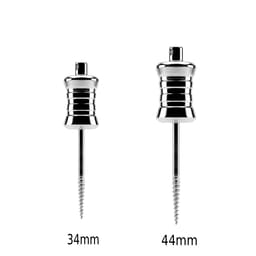
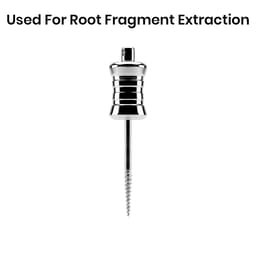
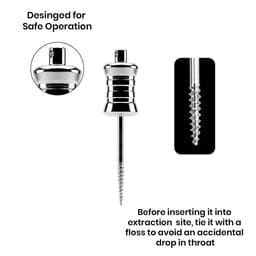
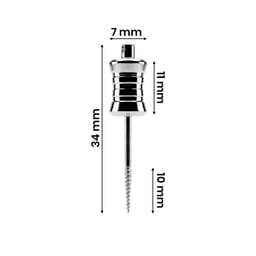
- Root tip picks — slender, pointed instruments that lift a fractured root tip or fragment from the socket.
- Bone rongeurs — sprung cutting jaws that nibble away sharp bony edges after the tooth is out.
Most extractions use an elevator or luxator first and a forceps second, with the pick and rongeur kept for when they are needed.
Choosing forceps by tooth
Forceps are the most pattern-specific of the group, because a beak has to fit one tooth's shape:
- Upper vs lower — upper forceps run straight or gently curved, lower forceps are angled down to reach the mandibular arch.
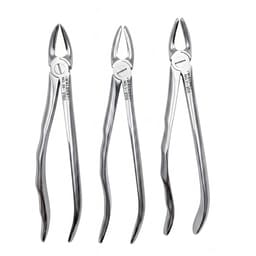
- By tooth — anterior, premolar, molar (left and right, to match the root pattern), and root-tip forceps each have a distinct beak.
- Universal patterns — some forceps suit a range of teeth in one arch, useful as a general-purpose grip.
- Paediatric — smaller forceps sized for primary teeth, often supplied as a pedo kit.
Matching the forceps to the tooth is what gives a secure grip and a clean delivery, so a practice keeps a spread of patterns or a ready-made kit.
Elevators, luxators, and bone instruments
The loosening and finishing instruments matter as much as the forceps:
- Elevators — a blade and handle used with a controlled lever action to mobilise the tooth; a shot-blast or textured handle gives grip.
- Luxators — thinner and sharper than an elevator, worked down the periodontal space to sever the ligament with minimal pressure.
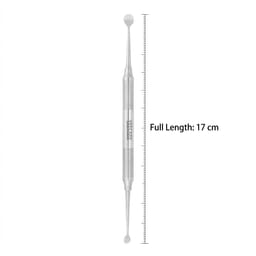
- Root tip picks — double-ended fine tips for teasing out a retained apex.
- Rongeurs and scissors — a rongeur trims bone, and surgical scissors cut tissue or suture at closure.
Once the tooth has come away, the socket is closed using material from the sutures range, and larger sockets may be preserved with a graft.
Kits and build
For instruments used with force on hard tissue, the build decides how long they last and how they feel:
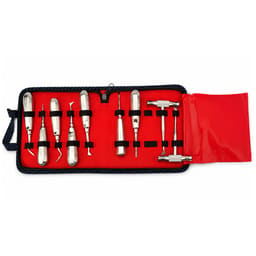
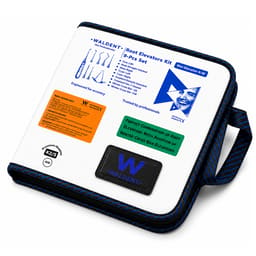
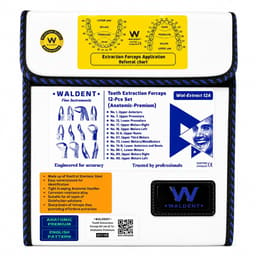
- Kits — a set of 7 or 12 forceps, or a physics-forceps set, equips a surgery in one purchase and covers the common tooth positions.
- Handles — textured, shot-blast, or ergonomic handles reduce slip and hand fatigue during a firm extraction.
- Tips and edges — tungsten-carbide or hardened working ends on luxators and scissors hold their edge; forceps beaks are made to grip without crushing.
When a socket needs preserving after a difficult extraction, a graft from the bone grafts range fills and supports it.
Buy extraction instruments at Dentalkart
The extraction instruments here span forceps for every tooth position — adult and paediatric, upper and lower, ergonomic and physics patterns — plus root elevators, luxators, root tip picks, rongeurs, and surgical scissors, from GDC, Waldent, API, Veecare, and Julldent, as single instruments or ready kits. A surgery can build its tray tooth by tooth or take a kit. Each item is a branded, genuine instrument; its page states the exact pattern, the tooth it fits, and current availability.
Frequently Asked Questions (FAQs):
Which instruments are used to extract a tooth?
Two, principally: an elevator or luxator to free the tooth within its socket, then a forceps matched to that tooth to grip and deliver it. A root tip pick retrieves any fractured fragment, and a bone rongeur trims sharp bone afterwards. Most extractions use the elevator-then-forceps sequence, with the other instruments kept for when a case needs them.
How are extraction forceps numbered?
Each forceps pattern has a number tied to the tooth and arch it fits — for example a universal type for a range of teeth in one jaw, distinct patterns for upper anterior, premolar, and molar teeth, left- and right-sided molar forceps, and fine root-tip patterns. The number is a shorthand for the beak shape, so ordering by it matches the forceps to the tooth.
Elevator or luxator — how do they differ?
The elevator works by leverage — its blade is levered against bone and root to prise the tooth upward. The luxator is slimmer and keener, driven down alongside the root to sever the periodontal ligament rather than lever, which frees the tooth more gently. A common sequence is to luxate first, then elevate, then reach for the forceps.
Should I buy an extraction kit or individual forceps?
A kit — a set of 7 or 12 — equips a new surgery quickly and covers the common tooth positions at a lower per-piece cost. Individual forceps let an established practice replace a worn pattern or add a specific one it lacks. Many clinics start with a kit and top up with single patterns as their caseload demands.
Are there separate forceps for children's teeth?
Yes. Paediatric (pedo) forceps are smaller, sized to grip primary teeth and their finer roots without over-spanning them. They are often sold as a pedo kit covering the upper and lower primary positions. Using an adult forceps on a primary tooth risks a poor grip, so a practice treating children keeps the pedo patterns.