

Implant Drills
3.3
Sort by - Recommended
 Recommended
 Price- High to LowPrice- Low to High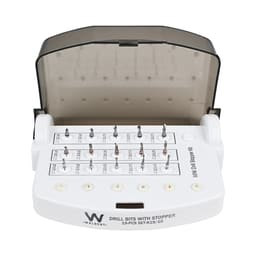
Only 2 Left
★ 1.0
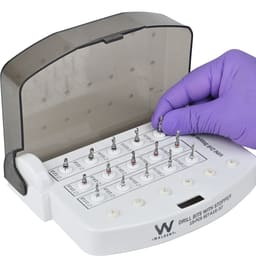
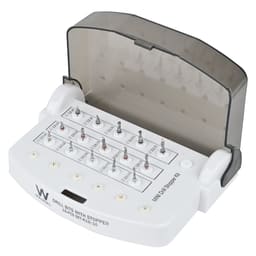
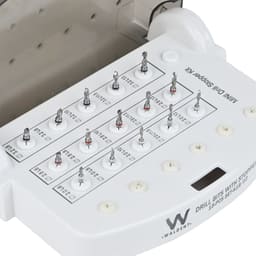
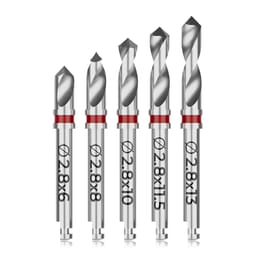
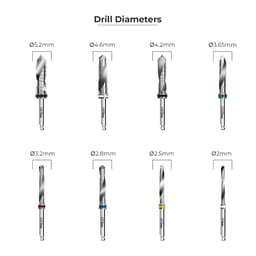
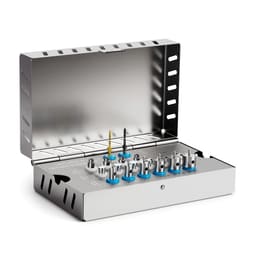
(1)Integral Stopper Drills Kit to assure accurate depth control for dental implant placement
₹ 18605₹ 36000
48.32% Off
 930
930View Similar Products
★ 4.5
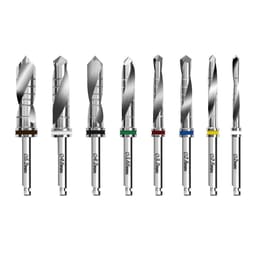
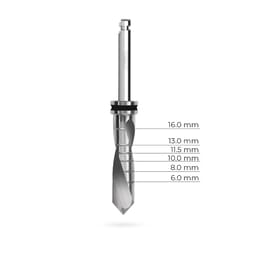
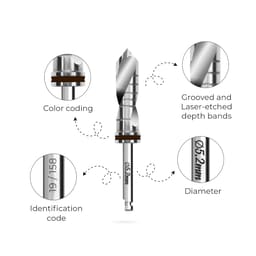
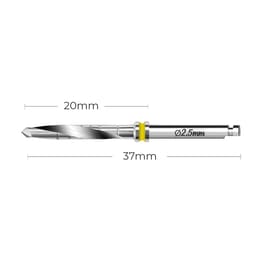
(2)Straight implant drills for preparation of implant site
Starting at₹ 790
View Similar Products
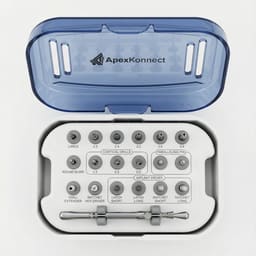
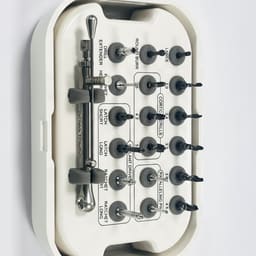
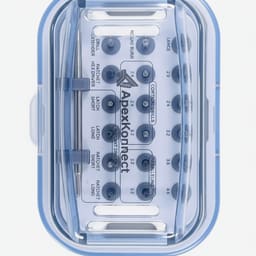
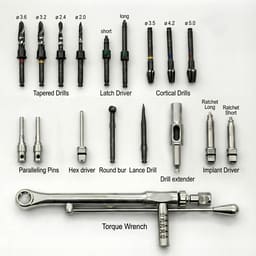
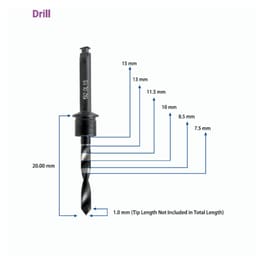
Comprehensive surgical kit with drills, drivers, and torque wrench for precise implant placement
₹ 48000₹ 50000
4.00% Off
1kView Similar Products
Gift At ₹1
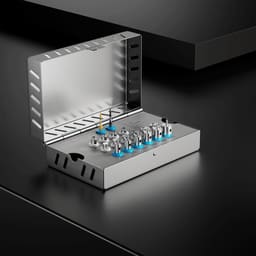
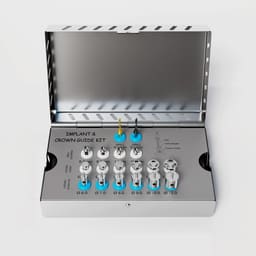
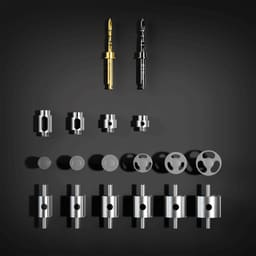
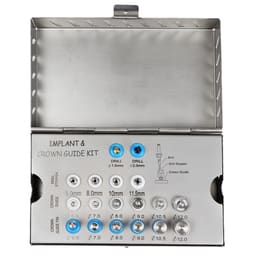
Set of 18 Implant Guide Drills compatible with all implant systems
₹ 23650₹ 68640
65.54% Off
1.1kView Similar Products
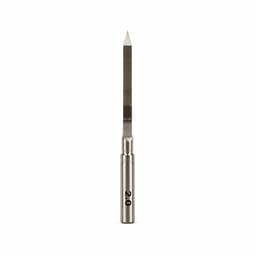
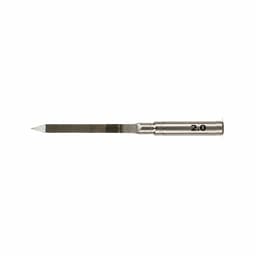
View Similar Products
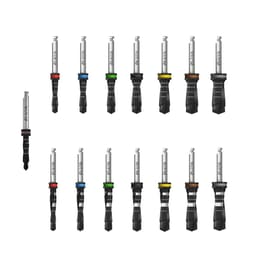
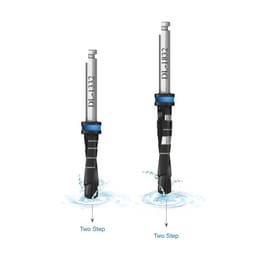
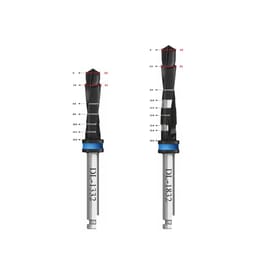
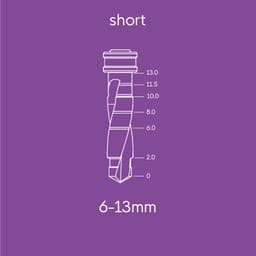
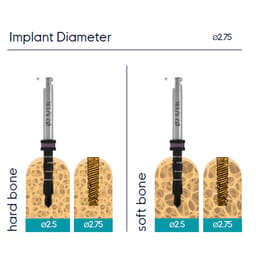
Two-step drills designed for precise and efficient osteotomy preparation in dental implant procedures
Starting at₹ 3735
View Similar Products
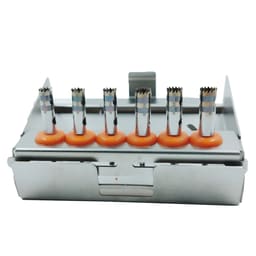
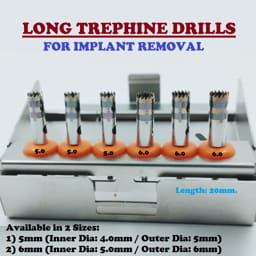
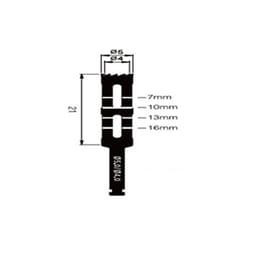
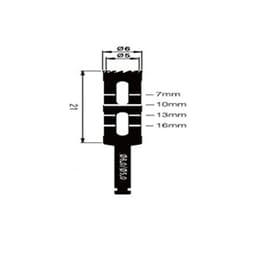
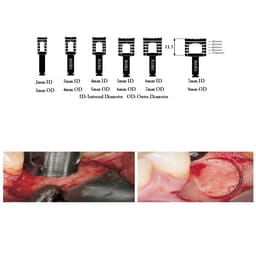
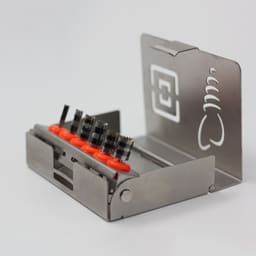
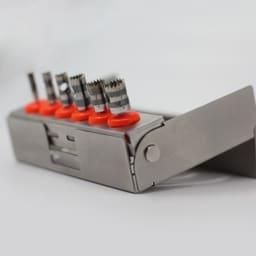
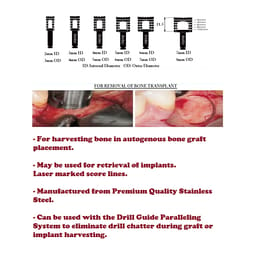
Long Trephine for harvesting bone in autogenous bone graft placement.
Starting at₹ 2099
View Similar Products
Only 2 Left
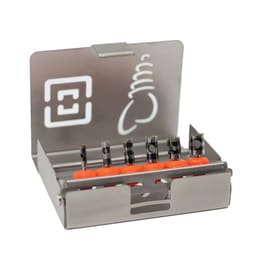
Trephine Drills Set used for harvesting bone in autogenous bone graft placement.
₹ 9525₹ 11400
16.45% Off
190View Similar Products
Filters
Sort By
RecommendedMaximizing Implant Success: The Role of Premier Drill Technology
Dental implant procedures need drills to work properly. These drills help make sure the bone is prepared correctly. The implant is put in the right place. Good implant drills are important because they help the dentist cut the bone carefully and control how deep they cut. This helps the dentist make a spot for the implant without hurting the bone. Implant drills are useful for types of dental implant procedures. They can be used for single-tooth implants or for procedures like full-arch rehabilitations. Having drills makes the surgery faster and easier on the patient. This also helps the implant longer. There are different kinds of implant drills including pilot drills and final drills. Each one is used at a step in the process. Using the drill at the right time is important, for making sure the implant is stable and heals correctly. Implant drills are a part of dental implant procedures and help dental clinicians achieve good results.
Benefits of Implant Drills
Ensures Precise Osteotomy Preparation:
Implant drills have marks on them and really sharp edges. These help make sure the hole is the depth and size. This is important, for drills because it helps doctors put the implants in the right place. Implant drills are made to do a specific job and that is to help with ideal implant positioning.
Enhances Primary Stability:
Drills that are designed properly help keep the bone around the implant site strong. This means the implant has a foundation and it will be stable right away. This is important for immediate or delayed loading protocols. The bone density around the site is very important, for the overall success of the implant. Designed drills really help with this. They make sure the bone stays dense and the implant has the support it needs.
Reduces Surgical Trauma:
The flute designs are really good. The tips are very sharp. This helps to stop much heat from being made and it also helps to prevent damage to the bone. When we use these flute designs the tissues, around the area are. This means that the healing process is better. The flute designs really help with healing outcomes.
Improves Surgical Efficiency:
Sequential drill systems make the implant process smoother. They help reduce the time spent in the chair. This is done while keeping the accuracy high.
Durable & Autoclavable:
Implant drills are made from good stainless steel or special surgical alloys. This means they do not get damaged easily by things, like water or air. They can also be. Sterilized many times without any problems. Implant drills are a choice because they are strong and can withstand a lot of use. Implant drills are made to last and work well after being sterilized many times.
When to Use Implant Drills?
Implant drills are used during various stages of implant site preparation:
Pilot Drilling:
Pilot drilling is done to start making the osteotomy and to get the angle and position. The goal of pilot drilling in this process is to initiate the osteotomy and establish the correct angulation and positioning of the osteotomy. This step is important, for the procedure and the osteotomy.
Sequential Drilling:
Sequential Drilling is a process where we gradually make the hole in the bone bigger until it is the size for the implant. We do this by using drills that get progressively bigger. The hole gets bigger too and it matches the size of the implant that we want to put in. This is a step, in the process of putting in the implant, which is the Sequential Drilling.
Surgical Drills:
These are the main tools used in implant surgery. The Surgical Drills make the hole in the jawbone where the dental implant will go. This hole is called an osteotomy. The Surgical Drills come in sizes. This is so they can be used with types of dental implants. The Surgical Drills are very important, for surgery. They help make sure the dental implant is placed correctly in the jawbone.
Depth Control Drills:
Getting the depth is really important for implant success. The dentist uses drills called depth control drills to help get the depth just right when placing the implant. This way the implant is put in the jawbone at the level. The dentist needs to make sure the implant is at the depth, in the jawbone for it to work properly.
Parallel-Sided Drills:
These drills keep the same size all the way through. They are really useful when you need to make a hole in the bone that's the same size all the way through like when you are putting in a specific type of implant that needs a certain size hole. This is important because the implant needs to fit in the bone. Sided Drills are good for this because they make a hole that is the same size, as the drill.
Sinus Lift Drills:
When a patient does not have bone in the upper jaw for an implant Sinus Lift Drills are used. These Sinus Lift Drills are really important, for a procedure called sinus augmentation. The Sinus Lift Drills make room in the sinus cavity. This room is necessary for the implant to be placed properly. The Sinus Lift Drills help create the space that is needed for the implant.
Precautions When Using Implant Drills
While implant drills are essential surgical instruments, proper usage is critical:
- Always follow the manufacturer’s drilling protocol and recommended RPM.
- Ensure adequate irrigation to prevent overheating of bone.
- Check drill sharpness regularly; dull drills increase heat and trauma.
- Use sequential drilling without skipping sizes unless protocol specifies.
- Sterilize properly before every procedure to maintain surgical asepsis.
Why Choose Dentalkart for Implant Drills?
Dentalkart offers a comprehensive range of implant drills compatible with leading implant systems, ensuring precision and clinical reliability. Each product is sourced from trusted manufacturers to maintain consistent quality and performance standards.
With competitive pricing, authentic products, and seamless doorstep delivery, Dentalkart supports dental professionals with dependable solutions for implantology procedures. You can also explore related implant surgical kits, implant motors, and guided surgery accessories to streamline your workflow in one place.
FAQs
Q1. Are implant drills reusable?
Yes, implant drills are reusable if properly cleaned, sterilized, and maintained according to manufacturer guidelines.
Q2. What RPM is recommended for implant drilling?
Typically, implant drilling is performed between 800–1500 RPM depending on bone density and surgical protocol.
Q3. Why is irrigation important during implant drilling?
Irrigation prevents excessive heat generation, which can damage bone and compromise osseointegration.
Q4. Can the same drill be used for all implant systems?
Not always. Drill design and diameter must match the specific implant system being used for accurate osteotomy preparation.