

Brackets
4.5
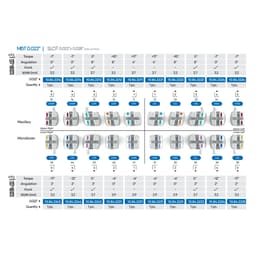
Orthodontic brackets are metal or ceramic attachments bonded to each tooth that hold the archwire and carry the prescription guiding tooth movement. Metal, ceramic, sapphire, and self-ligating kits in MBT and Roth come from 3M Unitek, OrthoMetric, Koden, and Waldent. Each kit is built to a fixed slot — 0.022 or 0.018 — with tip, torque, and rotation set per tooth.
Sort by - Recommended
 Recommended
 Price- High to LowPrice- Low to High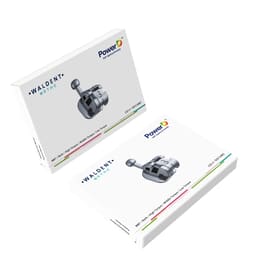

★ 5.0
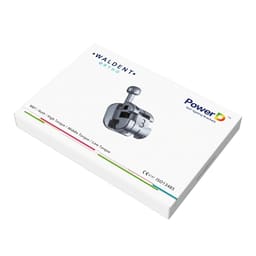
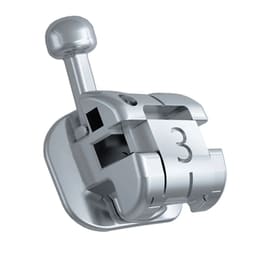
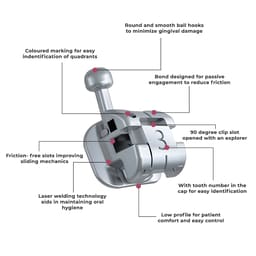
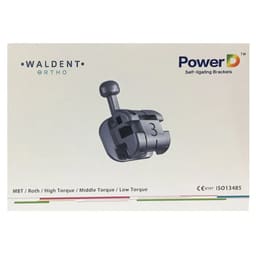
(3)Premium Superior Quality Passive Self Ligating Brackets MBT 0.022
₹ 2085₹ 35750
94.17% Off
 42
42View Similar Products
★ 4.8
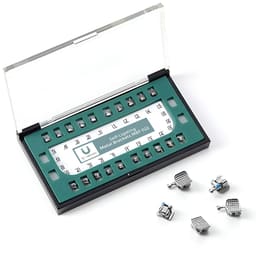
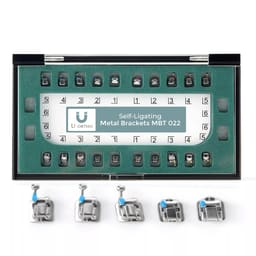
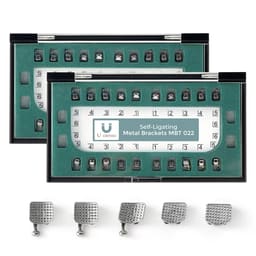
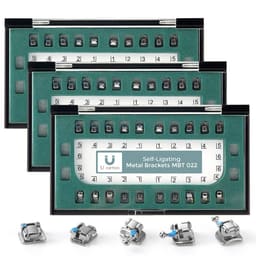
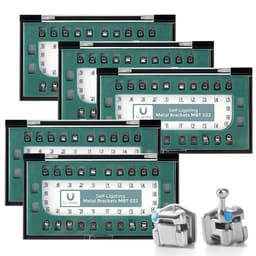
(4)The U Ortho Self-Ligating MBT Brackets offer a sleek, low-profile design that reduces friction and discomfort, ensuring efficient and comfortable orthodontic treatment.
₹ 1545₹ 32510
95.25% Off
75View Similar Products

★ 4.7
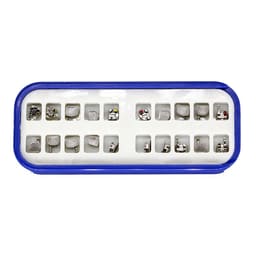
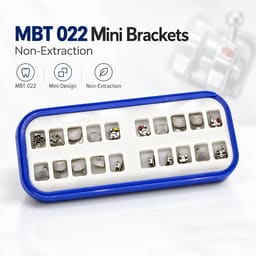
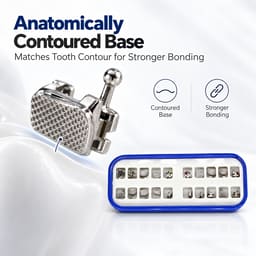
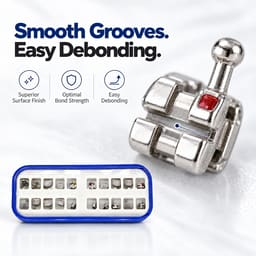
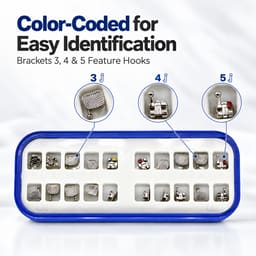
(20)Color coded metal bracket kit with bonding pads that are anatomically contoured for optimal performance
₹ 185₹ 22400
99.17% Off
5View Similar Products
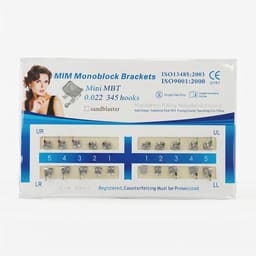
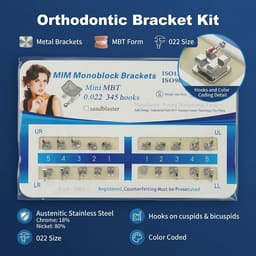
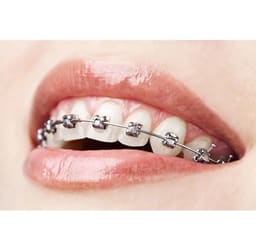
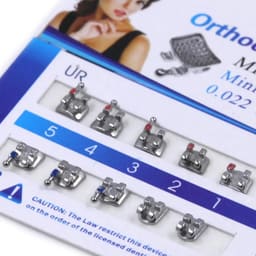
★ 4.6
(45)Color-coded, low profile metal brackets kit with anatomically contoured base
₹ 150₹ 22400
99.33% Off
5View Similar Products
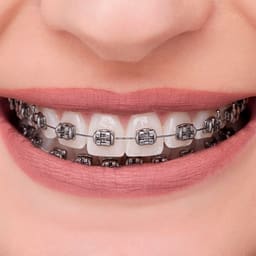
★ 4.0
(2)Durable metal bracket kit designed for efficient orthodontic treatment with advanced technology and customization options
₹ 23429₹ 216000
89.15% Off
1.1kView Similar Products
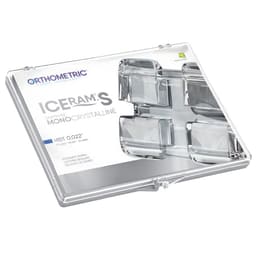
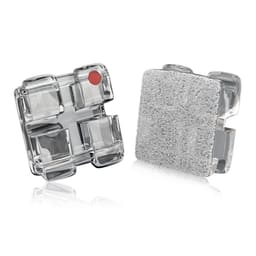
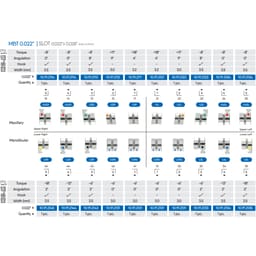
★ 4.6
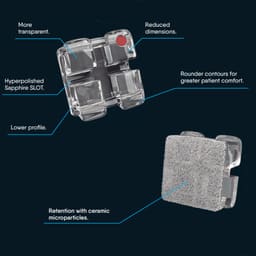
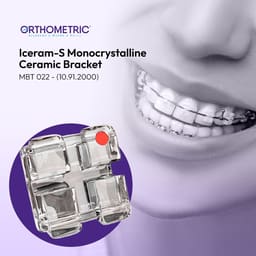
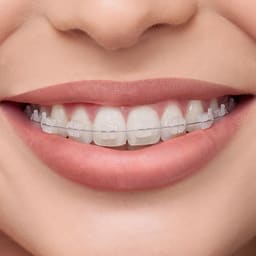
(5)Offer exceptional transparency and comfort, featuring monocrystalline ceramic and reduced size for optimal patient comfort.
₹ 14055₹ 43200
67.47% Off
133View Similar Products
★ 5.0
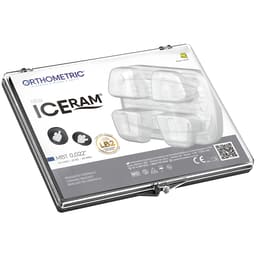
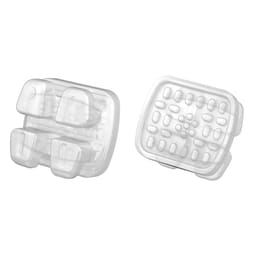
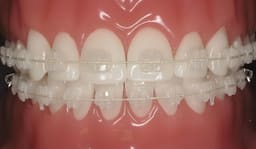
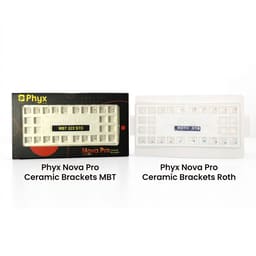
(2)Ceramic brackets offering aesthetic appeal, comfort, and enhanced retention for effective orthodontic treatment
₹ 2799₹ 18000
84.45% Off
30View Similar Products
_1.jpg?w=256)
View Similar Products
Filters
Sort By
RecommendedOrthodontic Brackets — Metal, Ceramic, Sapphire and Self-Ligating Kits in MBT and Roth
A bracket is the small fixed attachment bonded to each tooth in braces treatment; its slot grips the archwire, and the wire's force, channelled through the bracket, walks the tooth to its planned place. What separates one bracket from another is its prescription — the tip, torque, and rotation built into the slot for that specific tooth — and its slot size, either 0.022 or 0.018 inch. The standard versions are injection-moulded from stainless steel; the clear ones are made of alumina ceramic or a single grown sapphire crystal for patients who want the appliance to show as little as possible.
Types of orthodontic brackets
Metal brackets (MBT and Roth)
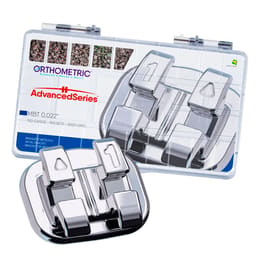
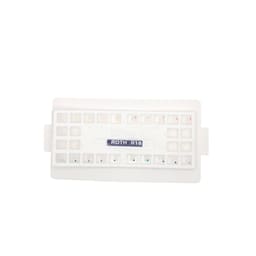
Metal is the everyday choice — strong, low cost, and easy to remove at debond — injection-moulded from stainless steel to hold the slot to tight tolerance. MBT 0.022 is the default across Indian practice, with MBT 0.018 and Roth as alternatives. The OrthoMetric Advanced Series Metal Bracket Kit MBT 022 is a representative kit.
Ceramic brackets
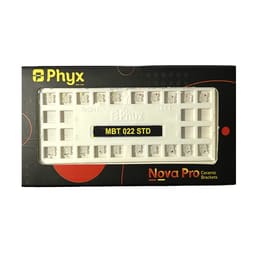
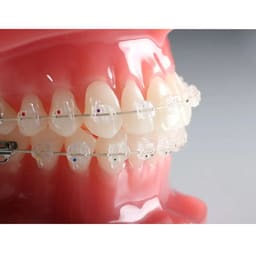
Polycrystalline ceramic brackets are tooth-shaded and semi-translucent, so they sit far less visibly on the tooth — the usual pick for adults who still want fixed mechanics. They cost more than metal and need a careful debond to protect enamel. The Koden Premium Plus MBT Ceramic Bracket Kits cover the MBT 0.022 and 0.018 slots.
Self-ligating brackets
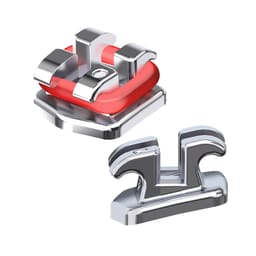
A self-ligating bracket holds the wire with its own clip or gate instead of an elastic or wire tie, which trims the time spent at each adjustment and lowers friction in the slot. They come passive, for the freest sliding, or active, for firmer rotational control. The 3M Unitek Smart Clip Self Ligating Brackets MBT are a clip-style system.
Sapphire (monocrystalline) brackets
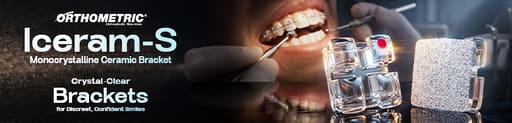
Cut from a single grown crystal of aluminium oxide, sapphire brackets are almost see-through and stay clear through treatment, making them the most discreet fixed option. They carry the highest price in the category and reward gentle handling at debond.
Low-profile mini-twin brackets
Narrower and flatter than a standard twin, low-profile brackets sit closer to the tooth and rub the cheek and lip less in the settling-in weeks, without giving up rotational control. The 3M Unitek Victory Series Low Profile Brackets are a common example.
When orthodontic brackets are used
Brackets are bonded for fixed-appliance treatment whenever the case calls for tooth-by-tooth control that aligners or removable plates cannot give:
- Aligning crowding, closing spacing, and de-rotating teeth
- Correcting Class I, II, and III malocclusions on bracket-and-wire mechanics
- Levelling deep bite, open bite, and posterior crossbite
- Pre-prosthetic alignment before a crown, bridge, or implant
- Surgical-orthodontic cases worked up before and after orthognathic surgery
- Re-treating a relapsed case that drifted after earlier therapy
How to choose orthodontic brackets
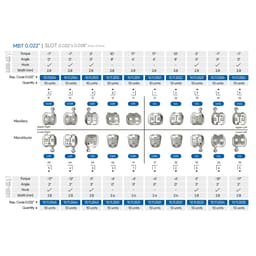
- Prescription — MBT 0.022 is the default in Indian orthodontics; Roth suits those trained on it, Begg for specific traditional mechanics. Stay on one prescription across an arch.
- Slot size — the 0.022 slot takes heavier finishing wires and leads the market; 0.018 gives tighter early engagement. Keep a clinic on a single slot, since wires and auxiliaries do not cross over.
- Material — metal for strength and value, polycrystalline ceramic for an aesthetic adult case, sapphire for the most discreet finish.
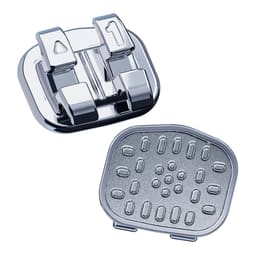
- Base design — mesh, foil-mesh, and laser-etched bases trade bond strength against ease of debond and enamel residue, so match the base to how aggressively you bond.
- Twin or self-ligating — self-ligating shortens chairside time and friction; a conventional twin costs less per case.
- Kit format — 5×5 single-case or multi-case promo kits; check whether hooks come on canines and premolars and whether tubes and ligatures are bundled.
Orthodontic bracket brands on Dentalkart
3M Unitek and Ortho Organizer anchor the imported tier used in teaching departments and high-volume practices, with tightly controlled slot tolerances across metal and self-ligating lines.
OrthoMetric, Koden, and Waldent carry most Indian general orthodontics by case volume, while UU Ortho, TP Orthodontics, D-Tech, Phyx, Osstem, and Rabbit Force fill the mid and value tiers for MBT and Roth kits in the wider orthodontics range.
Why buy orthodontic brackets from Dentalkart
With brackets the slot is everything: a few microns of error in its floor or walls changes how the wire expresses torque and tip, so how precisely a kit is made shapes the finish more than anything printed on the label. The brackets here are genuine — metal-injection-moulded steel or precision-grown ceramic built to their stated MBT, Roth, and slot spec — and each case is marked with its prescription and slot so it is never mixed on the arch. Ordering the kit alongside its molar tubes, ligatures, and matching archwires keeps a case on one prescription from bond-up to debond.
Frequently Asked Questions (FAQs):
What does an orthodontic bracket do?
A bracket is bonded to a tooth and holds the archwire in its slot. The wire, shaped to the target arch, pushes back toward its original form and carries the tooth with it; the bracket's built-in tip, torque, and rotation steer that movement so each tooth finishes in its planned position.
MBT or Roth — which prescription should I pick?
Pick the one you were trained on and keep to it across the arch. Both place tip, torque, and rotation into the slot so the wire does the finishing, but the built-in values differ, and mixing prescriptions on one arch upsets how the wire seats. MBT 0.022 is the most common starting point in Indian practice.
Metal, ceramic, or sapphire — how do I choose?
By how visible the patient will accept against cost and handling. Metal is strongest, cheapest, and simplest to debond. Polycrystalline ceramic is tooth-shaded for adults who want discretion at a moderate premium. Sapphire is near-invisible and the priciest, and both clear options need a gentle debond to spare the enamel.
Should I use a 0.022 or 0.018 slot?
The 0.022 slot dominates because it accepts the heavier rectangular finishing wires and most stock auxiliaries fit it. The 0.018 slot engages light early wires more tightly and appears often in low-friction systems. Run a clinic on one slot size — wires, tubes, and accessories from the two are not interchangeable.
How many cases does a bracket kit cover?
It depends on the format. A 5×5 single-case kit holds twenty brackets — five per quadrant across both arches. Multi-case promotional kits scale that up to, say, two hundred brackets for ten cases, and often add archwires, ligatures, and modules. Check whether the canines and premolars come with pre-welded hooks.