

Implant Prosthetics
4.3
Implant prosthetics are the components that restore an integrated implant into a working tooth. What you need depends on the restoration: a single crown, a bridge or a full arch, held by a screw or by cement. This category covers the abutments, screws, scan bodies, analogs and drivers for that phase, across every major implant system.
Sort by - Recommended
 Recommended
 Price- High to LowPrice- Low to High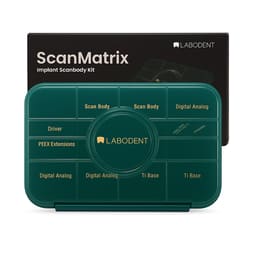
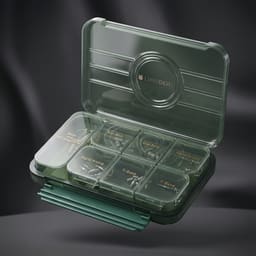
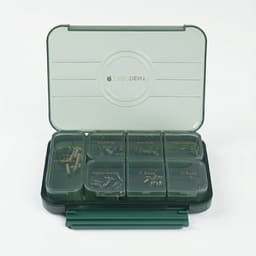
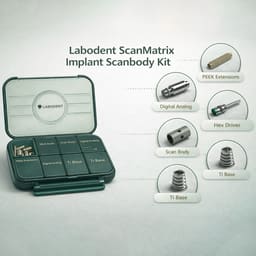
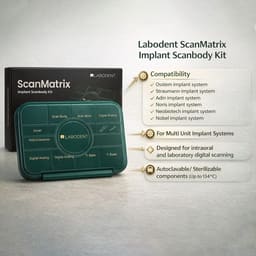
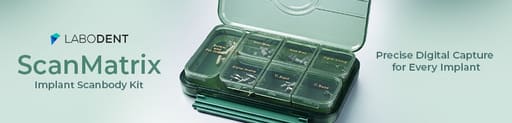
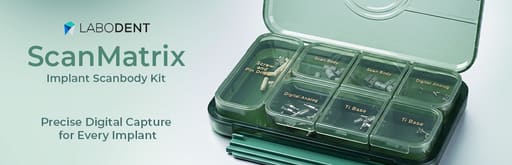
Comprehensive kit for implant scanning, analog placement, and prosthetic precision
₹ 73830₹ 134400
45.07% Off
 3.6k
3.6kView Similar Products
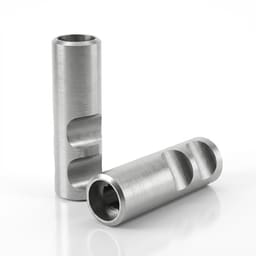
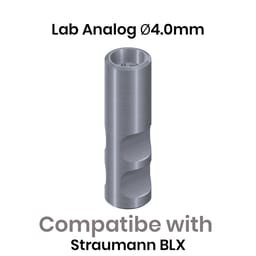
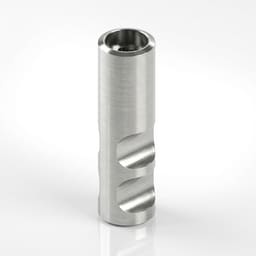
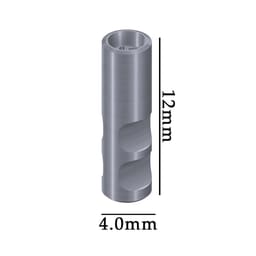
Precision-engineered titanium lab analog for Straumann BLX implant system
₹ 945₹ 1790
47.21% Off
45View Similar Products
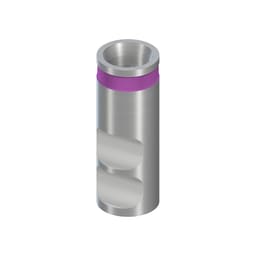
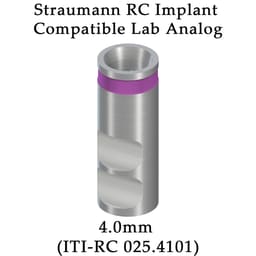
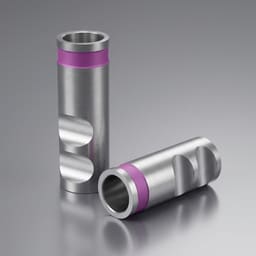
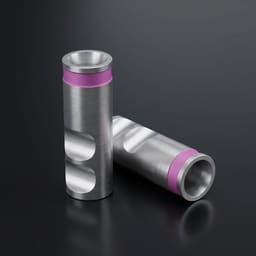
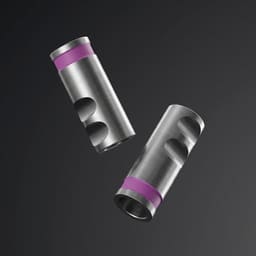

Precise Straumann RC compatible implant analog for accurate laboratory model reproduction
₹ 200₹ 390
48.72% Off
8View Similar Products
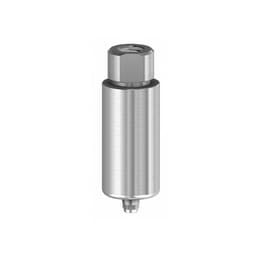
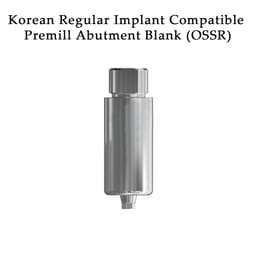
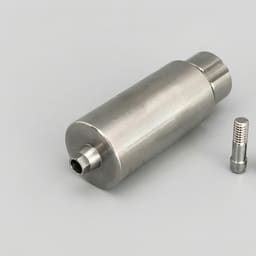
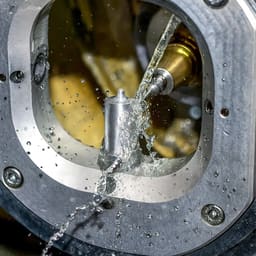
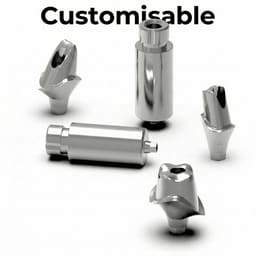
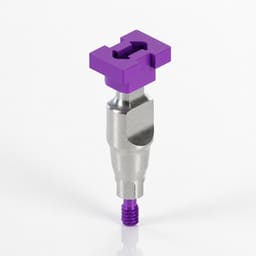
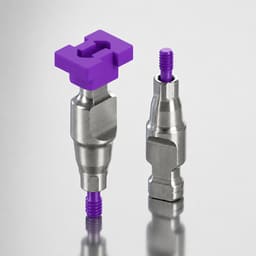
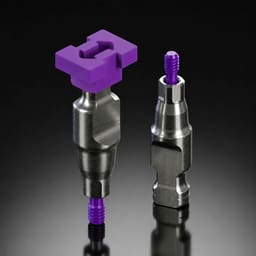
High-precision titanium premill blank for customized abutments, compatible with Korean Regular Implant systems
₹ 630₹ 1190
47.06% Off
24View Similar Products
★ 3.0
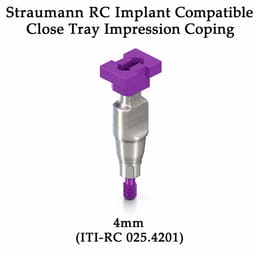
(1)Straumann RC Implant Compatible Close Tray Impression Coping ensures precise implant-level impressions with secure engaging connection and 4mm diameter compatibility
₹ 475₹ 790
39.87% Off
20View Similar Products
★ 5.0
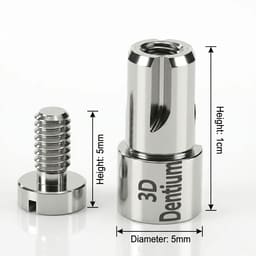
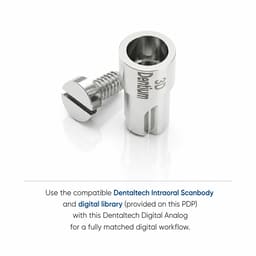
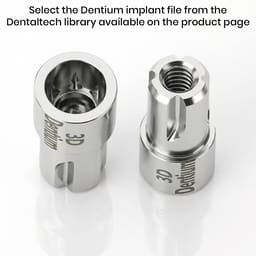
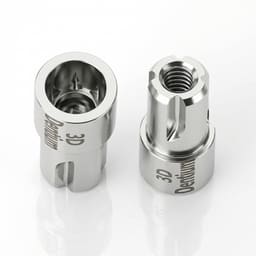
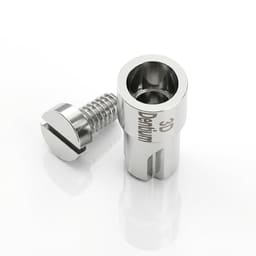
(1)Digital analog compatible with multiple implant systems for accurate implant position replication in 3D models
₹ 525₹ 790
33.54% Off
25View Similar Products
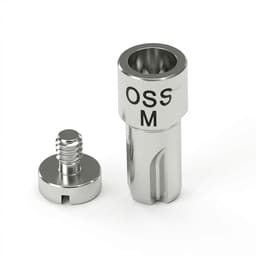
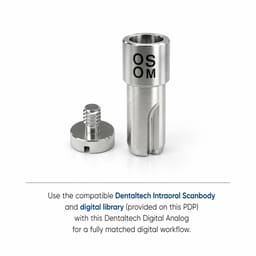
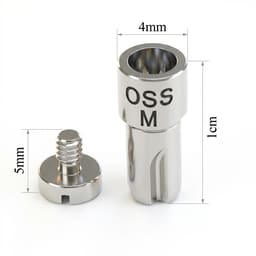
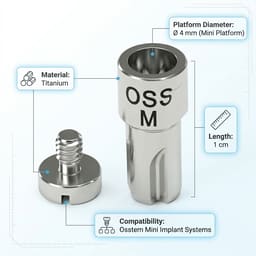
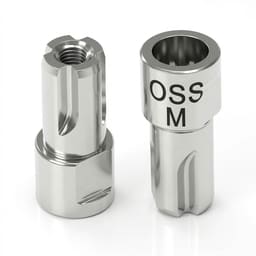
Digital analog compatible with Osstem Mini Implant systems for accurate implant position replication in 3D models
₹ 525₹ 790
33.54% Off
25View Similar Products

★ 4.7
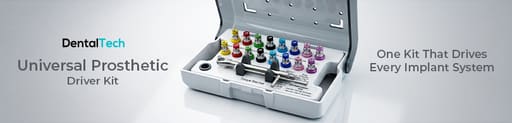
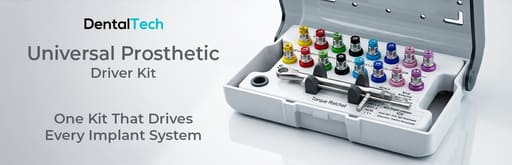
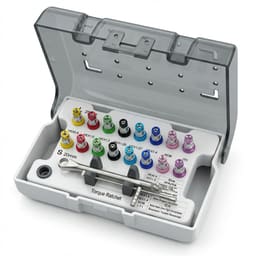
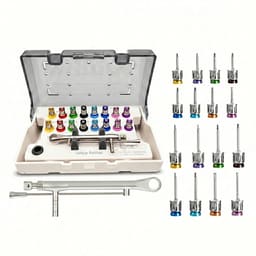
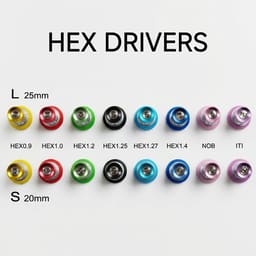
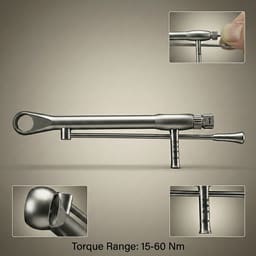
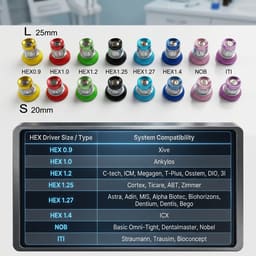
(24)Complete implant driver kit with torque ratchet and color-coded Hex Driver for precise prosthetic screw placement
₹ 3145₹ 13990
77.52% Off
155View Similar Products
Filters
Sort By
RecommendedImplant Prosthetic Components
Implant prosthetics are the components used to restore an implant once it has healed — the parts that connect the fixture in the bone to the final crown, bridge or denture. This category stocks that restorative set for the major implant systems.
What this category contains
The range breaks down into six component types:
- Scan bodies — screwed into the implant so an intraoral scanner can record its position for a digital case. The Osstem Regular scan body is one example.
- Digital analogs — the lab counterpart that reproduces the implant inside a 3D-printed model. The Osstem Regular digital analog matches the scan body above.
- Premill blanks and Ti-bases — titanium bases milled into a custom abutment that carries the crown. The Osstem premill blank is the Regular-platform version.
- Abutment screws — the torqued screw that fixes the abutment and crown to the implant, stocked per system. The Straumann BLT RC abutment screw comes in packs of ten.
- Prosthetic drivers — the hand tools that seat those screws. The universal prosthetic driver kit covers the common system tips.
- Castable and prep abutments — for cast-to and custom-prepared abutment work, and transfer copings for conventional impressions.
Which components a case needs
The parts you order follow the restoration and how it is held.
- Screw-retained crown — a premill blank or Ti-base plus an abutment screw; no cement near the tissue.
- Cement-retained crown — a stock or custom abutment with the crown cemented over it.
- Full arch or overdenture — multi-unit abutments to raise and align the connection across several implants.
A digital case adds a scan body and analog; a conventional one uses a transfer coping instead.
Match the platform before you order
Every part here is cut to a single implant connection. The range covers Osstem, Nobel and Neodent GM, Straumann BLT in RC and NC, Dentium, DIO, and the shared Adin, Noris, MIS and AB systems — so take the brand and platform from the surgical record first, because a part for one system will not seat on another even when it looks identical.
Why buy implant prosthetics from Dentalkart
A restorative component is used once, per case, and has to be the exact match for a fixture placed months earlier — so what matters is that the listing states its system, platform and pack size in plain text.
The stages either side are stocked in the same catalogue, from the healing abutments that shape the tissue beforehand to the restorative parts here, so a case is ordered in one go.
The fixtures these parts restore are in implants, so the surgical and restorative sides of a case can be sourced together.
Frequently Asked Questions (FAQs):
What is the difference between a screw-retained and a cement-retained implant restoration?
A screw-retained restoration is held by a screw passing through the crown, so it is retrievable and leaves no cement near the tissue — which lowers peri-implantitis risk. A cement-retained restoration uses an abutment with a separate crown cemented over it: simpler to make and forgiving of angulation, but it risks trapped subgingival cement if the margin is deep.
What is a multi-unit abutment used for?
A multi-unit abutment is used for full-arch and overdenture cases. It raises the prosthetic connection above the gum and corrects for implants placed at differing angles, so a full-arch bridge or bar can seat passively across several implants. Single crowns and short bridges usually use standard or custom abutments instead.
Which components does a single-tooth implant crown need?
A single implant crown needs a way to capture the implant position — a scan body for a digital case or a transfer coping for a conventional one — an abutment to carry the crown, usually custom-milled from a premill blank for the best emergence, and an abutment screw to secure it. The crown is then either screwed down or cemented.
Why must a prosthetic component match the implant system?
Each component is machined to one implant connection, and the hex, diameter and thread are specific to that system. A part built for Osstem will not seat on a Nobel or Straumann implant, even when it looks identical, and forcing it damages the connection. Always confirm the fixture's brand and platform before ordering.
Do I need a system-specific driver for the abutment screws?
Yes. Each system cuts its own hex into the screw head, and a driver that is only a near-fit will round the head under torque — a hard problem to recover from deep on an implant. A matched driver, or a universal driver kit covering the major systems, keeps the screw properly engaged.