





Sutures
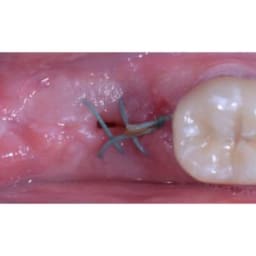
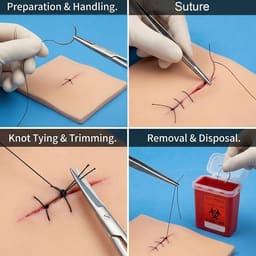
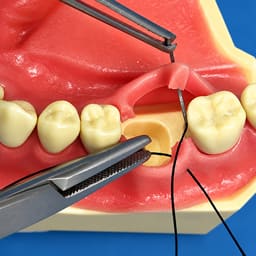
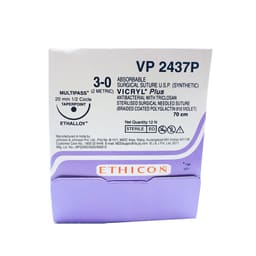
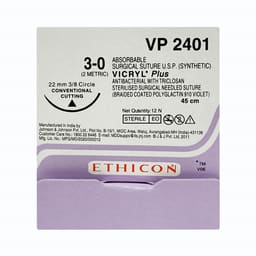
A dental suture is sterile thread with an attached needle, used to close a surgical flap or extraction socket so the wound heals. The material can be absorbable, which dissolves on its own, or non-absorbable, which is removed later. Most dental work uses an absorbable braided 3-0 suture such as Ethicon Vicryl, matched to a cutting or taper needle.
 Recommended
 Price- High to LowPrice- Low to High

Only 1 Left
 50
50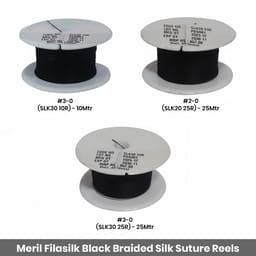


Only 1 Left
45
 58
58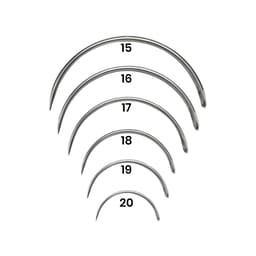
 42
42Dental Sutures
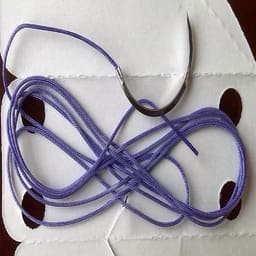
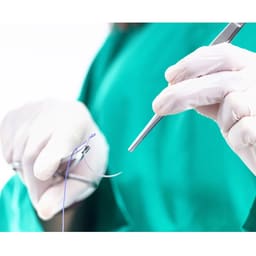
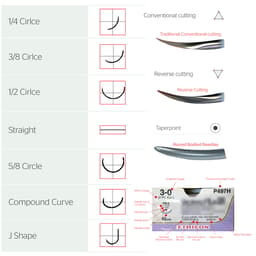
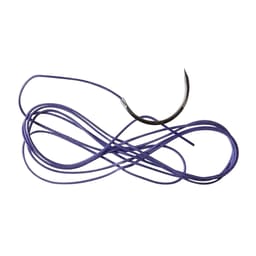
A dental suture is a sterile surgical thread with a pre-attached needle, used to close a flap or extraction socket after an oral procedure. Each pack is defined by three specifications — the thread material (absorbable or non-absorbable), the gauge (3-0, 4-0, 5-0), and the needle (point type and curvature). Reading those three off the foil is how a practice matches a suture to the case. The needle is driven with a needle holder.
Suture materials: absorbable vs non-absorbable
The material decides whether the suture dissolves on its own or has to be removed at a follow-up visit:
- Absorbable — braided polyglactin 910 (Vicryl, Vicryl Plus) is the intraoral standard. It breaks down by hydrolysis in one to three weeks, so no removal appointment is needed. Vicryl Plus adds a triclosan antibacterial coating to lower the risk of wound colonisation.
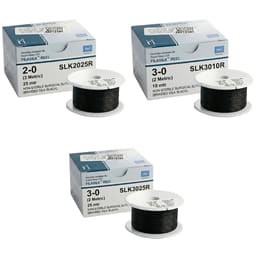
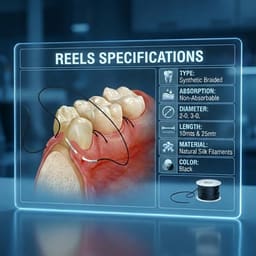
- Non-absorbable — silk or nylon stays in place until removed at review. It gives longer support and a firmer, more secure knot for cases that need the flap held for two weeks or more.
Gauge and needle reference
Gauge runs 3-0, 4-0, 5-0 and so on: the more zeros, the finer the thread and the less trauma it leaves. A quick reference for ordering:
- 3-0 — general intraoral closure, extraction sockets and flaps under tension. The default for most practices.
- 4-0 / 5-0 — finer anterior and mucogingival work where the suture track must be minimal.
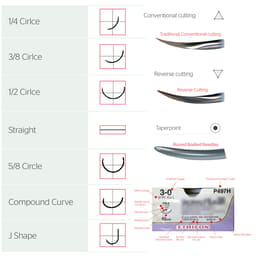
- Cutting needle — a triangular edge for tough, keratinised attached gingiva.
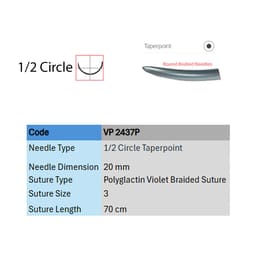
- Taper (round-bodied) needle — spreads soft mucosa without cutting, for delicate tissue.
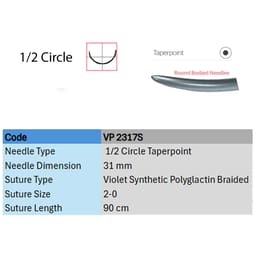
Curvature is usually 3/8 or 1/2 circle for intraoral access. These sutures close the sites opened in oral surgery.
Buying for a practice or clinic
Sutures are a consumable, so most buyers stock by box rather than single unit. Ethicon Vicryl and Vicryl Plus ship in boxes of 12 foil packs, each a single-use sterile suture-needle unit. A few pointers when ordering:
- Stock 3-0 Vicryl as the base — a 3-0 on a cutting needle covers the bulk of routine extraction and flap closures.
- Hold a finer 4-0 — for anterior and mucogingival work where the suture track must be minimal.
- Keep a bare needle for refills — a loose cutting needle covers a lab or top-up need.
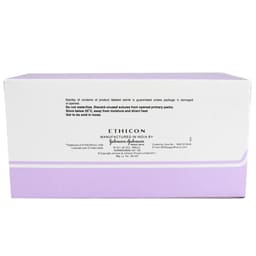
- Check on receipt — confirm the expiry date and an intact sterile foil seal; a breached or out-of-date pack is discarded.
After tying, the tails are trimmed with fine surgical scissors.
Frequently Asked Questions (FAQs):
Which suture should sit on the tray for routine extractions?
A 3-0 absorbable braided suture on a cutting needle covers most extraction and flap closures, since it holds firm gingiva securely and dissolves without a removal visit. Keep a finer 4-0 for thin anterior tissue and a non-absorbable silk for cases that need support held for two weeks. That small spread handles almost every chairside case.
Does the number of zeros change how a suture behaves?
Yes — the zeros set the thread thickness, and thickness changes both grip and trauma. A 3-0 is stout enough to hold a flap under tension but leaves a visible track on thin tissue; a 4-0 or 5-0 is gentler on delicate mucosa but tears more easily under load. Pick the coarsest gauge the tissue will tolerate for a secure hold.
Will a taper needle pass through firm attached gum?
Not easily — a taper needle is round and pushes tissue aside, which is ideal for soft mucosa but drags and stalls in tough keratinised gum. For firm attached gingiva, a cutting needle with its sharp edge slices a clean path through. Reserve the taper for delicate soft tissue and reach for a cutting needle on dense gum.
How long before an absorbable suture dissolves?
An absorbable braided suture such as polyglactin 910 loses most of its strength within one to two weeks and is fully absorbed over a few weeks after that. That covers the early healing window for a routine flap or extraction. If a wound needs support longer than that, a non-absorbable suture removed at review is more suitable.
What is the advantage of a swaged needle over an eyed one?
A swaged needle is crimped onto the end of the thread at the factory, so a single strand trails one continuous point. An old eyed needle carries a doubled thread through the eye, which drags a bulkier channel and traumatises tissue more. The swaged type also arrives sterile in the foil, ready to load straight into the needle holder.