
Dr. Yashasvi Sharma
Contributing Dental Clinician
A Guide to Curing Lights
LED vs Halogen Explained
Effective light polymerization is a cornerstone of adhesive dentistry. Selecting the right unit for an Indian practice involves understanding technology, applications, and maintenance to ensure long-lasting, successful composite restorations for your patients.
Table of Contents
Halogen vs. LED Sources
- Halogen units use a tungsten filament bulb and filters.
- They generate significant heat and require internal cooling fans.
- LED technology produces specific light wavelengths more efficiently.
- LEDs have a much longer lifespan, often over 10,000 hours.
- They are more portable, lightweight, and frequently cordless.
- Halogen bulbs degrade over time, reducing their curing effectiveness.
Halogen
- Lower initial purchase cost
- Broad emission spectrum
- Bulb degrades with use
- Generates significant heat
- Requires a cooling fan
LED
- High energy efficiency
- Long lifespan (10,000+ hours)
- Minimal heat production
- Lightweight and portable design
- Consistent power output
Wavelength, Irradiance, and Beam
- Wavelength must match the composite's photoinitiator, typically camphorquinone (468 nm).
- Irradiance (power density) should be at least 1000 mW/cm².
- A collimated beam ensures consistent power delivery at a distance.
- Beam profile uniformity prevents 'hot spots' and uneven curing.
- Check for compatibility with newer photoinitiators like Lucirin TPO.
- The light guide's tip diameter directly affects the final irradiance value.
Check Manufacturer Guidance
Always check the composite manufacturer's instructions for recommended irradiance and curing time, typically 20-40 seconds for a 2mm increment.
Clinical Curing Modes
- Standard mode provides constant high-intensity output for most situations.
- Ramp mode starts low and increases intensity to reduce shrinkage stress.
- Pulse mode alternates light on and off for thermal stress reduction.
- High-power or 'boost' modes are for rapid curing of veneers or sealants.
- Some units have specialized modes for orthodontic bracket bonding.
- Use lower intensity modes for deep cavities located near the pulp.
Maintenance and Performance Testing
- Clean the light guide tip with a soft cloth and disinfectant after use.
- Autoclave removable light guides according to manufacturer instructions.
- Visually inspect the tip for any cured resin, cracks, or debris.
- Regularly test the unit's output with a dental radiometer.
- Ensure the battery is fully charged before starting daily procedures.
- Protect the unit from being dropped to avoid damaging the optics.
Weekly Performance Checklist
Inspect for cured composite debris and clean with an appropriate solvent.
Use a radiometer to ensure output is above the 1000 mW/cm² minimum.
Fully charge the unit and check for signs of poor battery life or overheating.
Ensure single-use plastic barriers are used for every patient for infection control.
Avoid Inadequate Curing
An output drop of just 20% can lead to incomplete polymerization, resulting in post-operative sensitivity, restoration failure, and poor color stability over time.
Frequently Asked Questions
It is recommended to test the output of your polymerization unit weekly using a dental radiometer. A consistent reading below 1000 mW/cm² indicates a potential issue with the bulb, battery, or optics. This regular check ensures every restoration receives adequate energy for a full cure, preventing premature failure and post-operative complications.
Not necessarily. Most LED units emit blue light in the 450-490 nm range, which is perfect for camphorquinone (CQ), the most common photoinitiator. However, some newer composites use alternative photoinitiators like Lucirin TPO, which require a broader light spectrum that includes violet light around 405 nm. Always check compatibility before use.
A single-wave LED emits light at a narrow peak, typically around 468 nm, which is highly effective for CQ-based composites. A polywave (or multi-wave) unit incorporates additional diodes to produce a broader spectrum of light, covering both blue and violet wavelengths. This makes it compatible with a much wider range of photoinitiators beyond just CQ.
The energy delivered to the composite decreases significantly as the tip moves away, following the inverse square law of light. Holding the tip just 2 mm away from the surface can reduce the effective irradiance by up to 40%. For a predictable cure, always keep the light guide tip as close as possible to the restoration without touching it.
A disposable plastic barrier sleeve is essential for infection control, preventing cross-contamination between patients. It is a critical component of safety protocols because most light guides cannot be reliably sterilized with high heat. The barrier also protects the unit's lens from harsh cleaning agents that could damage the surface over time, ensuring a 99% light transmission.
Written by
Dr. Yashasvi Sharma
Contributing Dental Clinician
Dr. Yashasvi Sharma is a contributing Dental professional at Dentalkart Blogs, where she distills chair-side clinical experience into evidence-based, practice-ready guides for Indian dentists. Her work bridges the gap between academic dentistry and everyday practice, translating global research into actionable insights tailored to the realities of Indian clinical settings.
Keep reading
Browse all →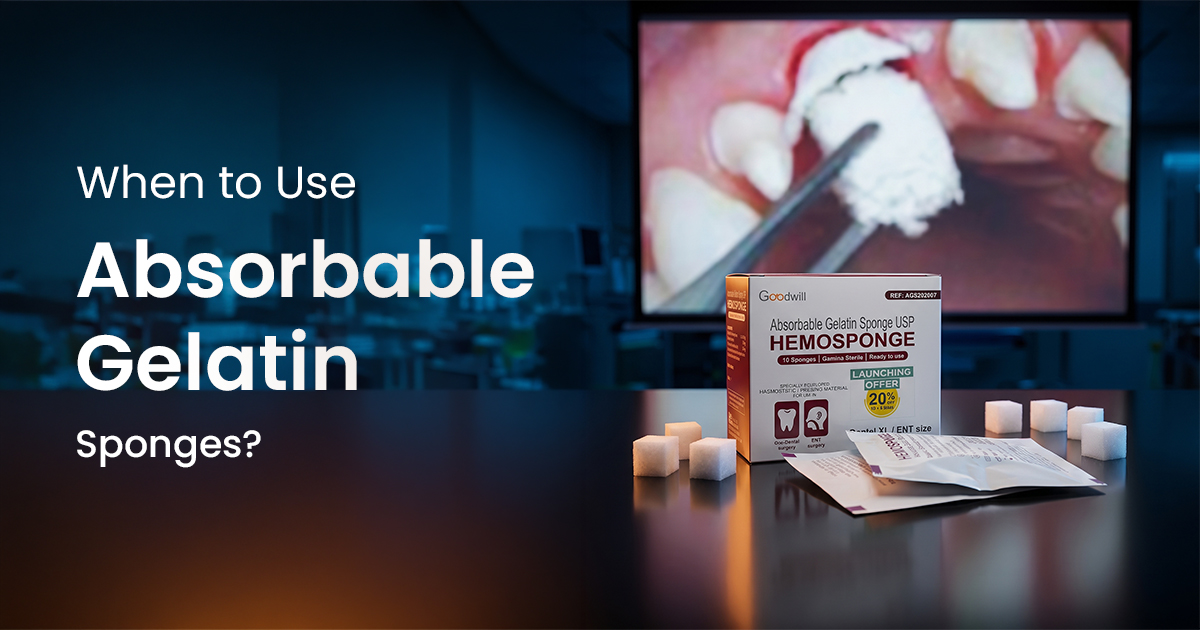
When to Use Absorbable Gelatin Sponges?
When to Use Absorbable Gelatin Sponges?Clinical Hemostasis Case Selection An absorbable dental hemostatic sponge is a sterile, porcine-derived gelatin foam used

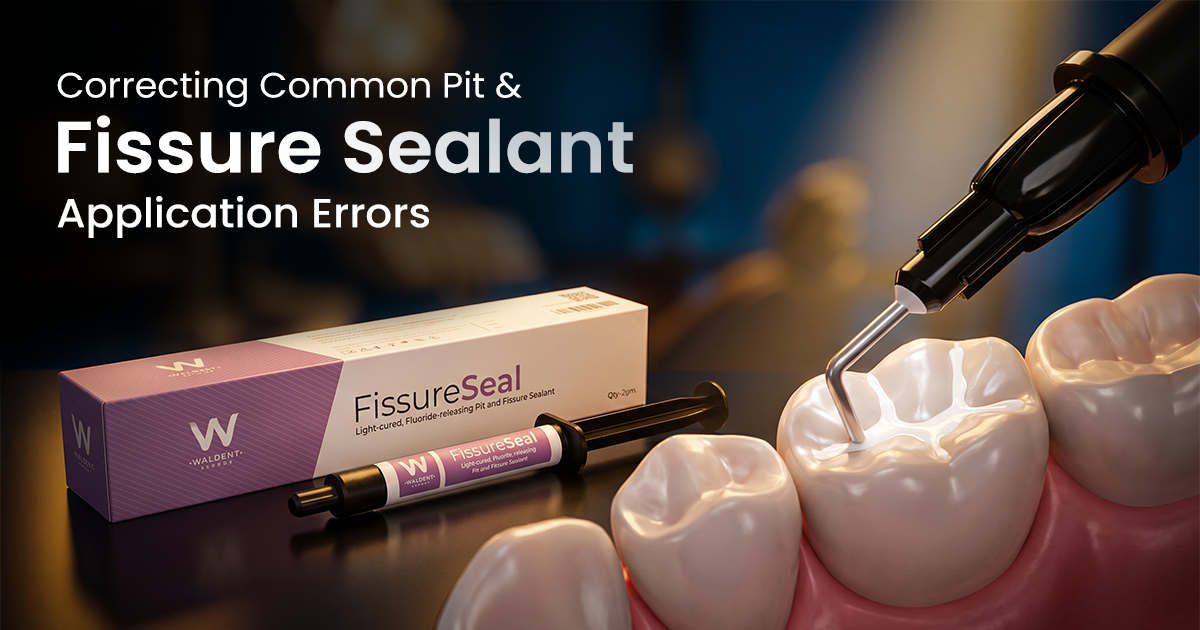
Correcting Common Pit & Fissure Sealant Application Errors
Correcting Common Pit & Fissure Sealant Application ErrorsAn Evidence-Based Guide Successful pit and fissure sealant application is technique-sensitive, and

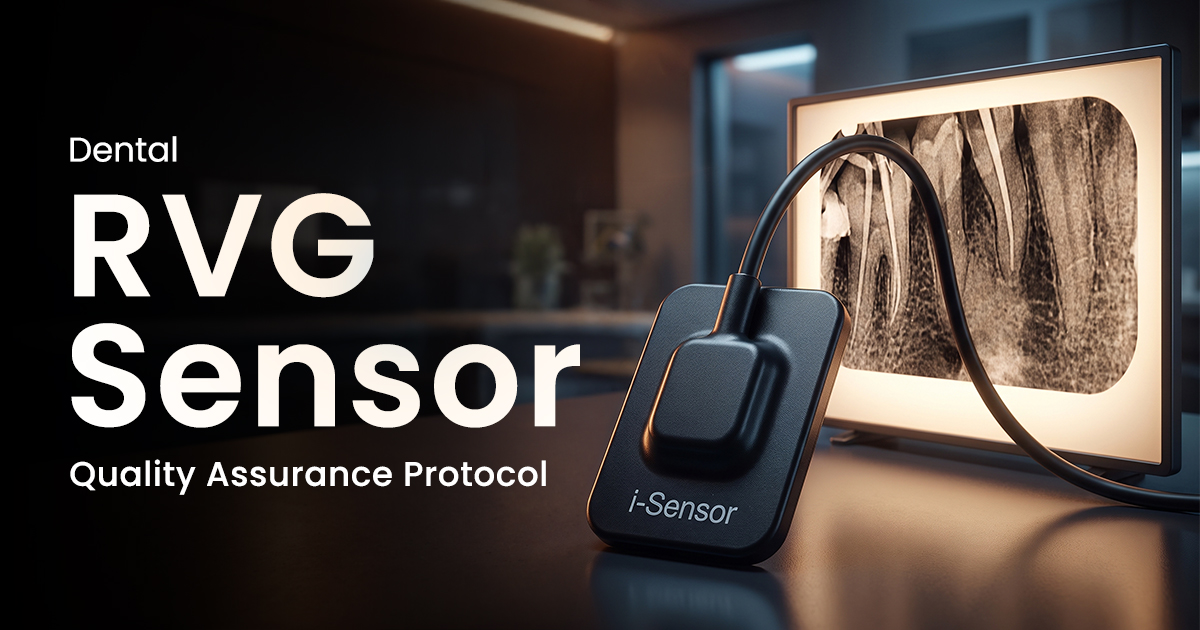
Dental RVG Sensor Quality Assurance Protocol
Dental RVG Sensor Quality Assurance ProtocolA Clinical Calibration Guide A dental RVG (radiovisiography) sensor quality assurance protocol is a set of routine t