Green Dentistry: Sustainable Practices for the Modern Clinic

Dr. Yashasvi Sharma
Contributing Dental Clinician
Modern dental care is shifting from purely clinical outcomes to a broader approach that includes environmental responsibility. Green dentistry focuses on reducing waste, conserving resources, using safer materials, and minimizing environmental toxins - all while maintaining excellent patient care.
Being eco-conscious is more than an ethical step; it improves efficiency, reduces long-term costs, and strengthens the clinic’s reputation as a responsible healthcare provider.
Why Green Dentistry Matters
Dental clinics impact the environment in many ways—not only through material waste but also through energy use, water consumption, chemical handling, and indoor air quality. A typical clinic generates plastics, chemicals, single-use disposables, and metal-containing waste such as Amalgam, but it also relies heavily on electricity, water, and sterilization systems.
Adopting sustainable practices helps:
- Reduce pollution and overall environmental impact
- Improve safety for the dental team
- Lower long-term energy and material consumption
- Enhance patient confidence in a socially responsible clinic
Core Pillars of Green Dentistry
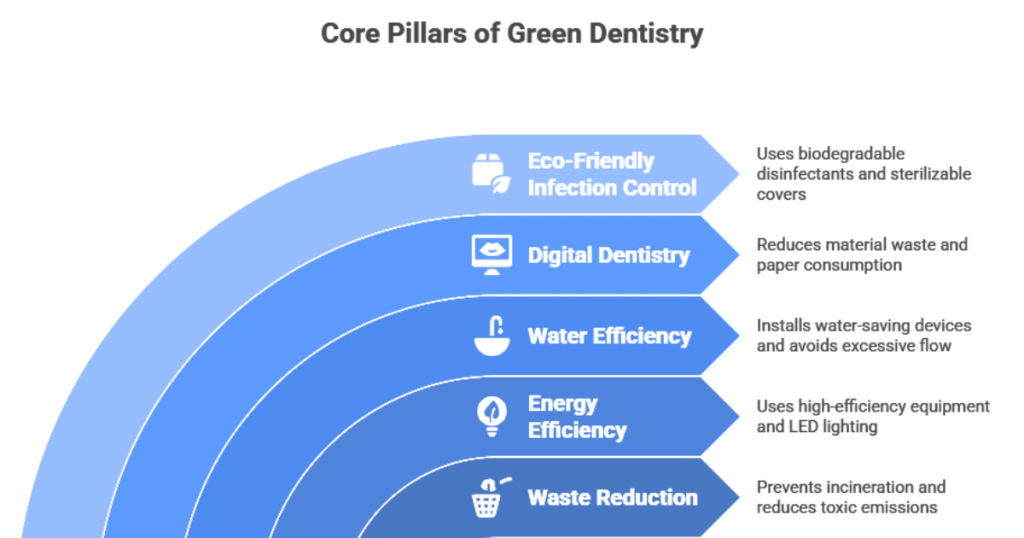
Sustainable Clinical Practices in Modern Dentistry
1. Safe Management of Hazardous Dental Materials in Modern Dentistry
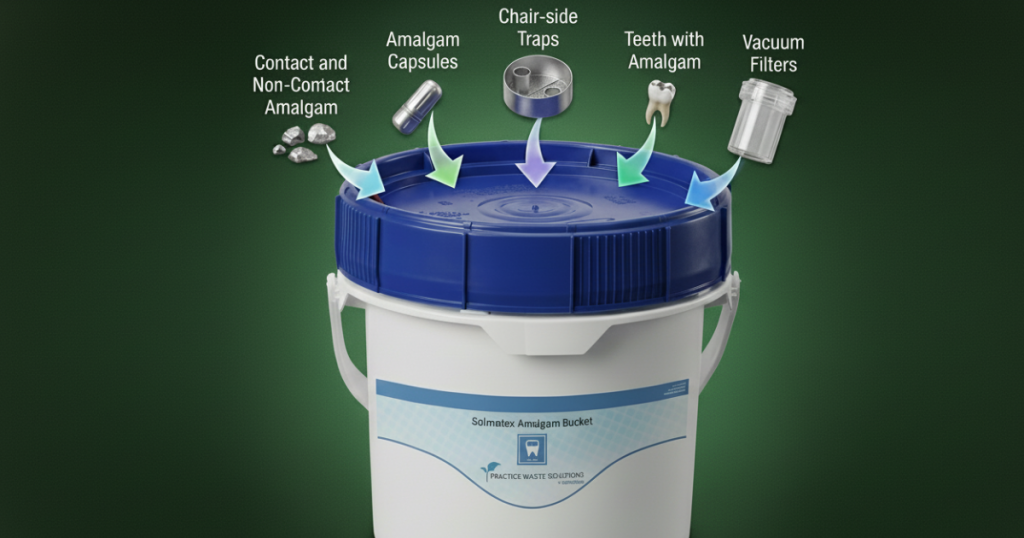
Some materials especially amalgam require strict handling to prevent mercury pollution.
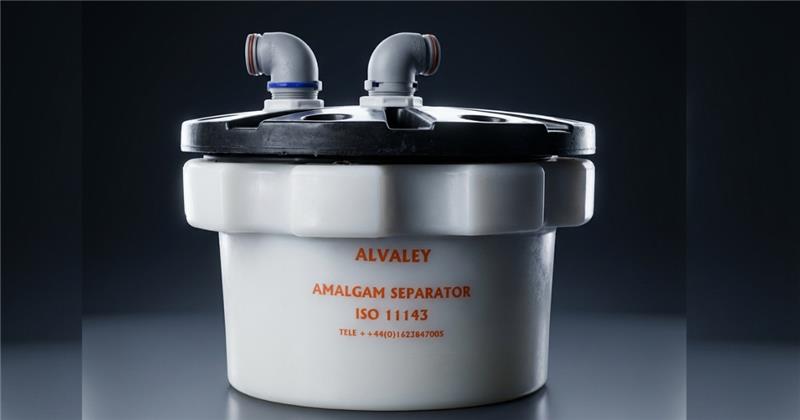
- Use ISO-compliant amalgam separators
- High-volume evacuation during removal
- Avoid unnecessary grinding
- Store waste in sealed, mercury-resistant containers
- Never discard in regular bins or drains
- Send all amalgam waste to authorized recyclers
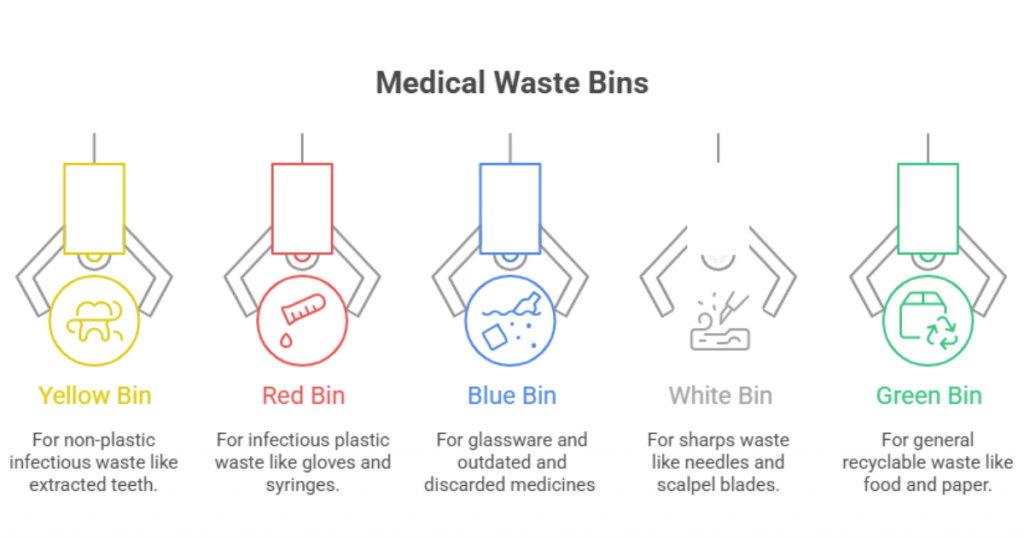
Products: SoClean Bio-Medical Waste Bin With Foot Pedal, Fairbizps Bio-Medical Sharp Container - 3 L
2. Eco-Conscious Materials and Product Choices
- Biocompatible Restoratives: Choose mercury-free options like composites, ceramics, and glass ionomers.
- Sustainable Disinfection: Prefer low-VOC, biodegradable disinfectants.
- Green Procurement: Work with suppliers offering recyclable packaging and verified eco-certifications.
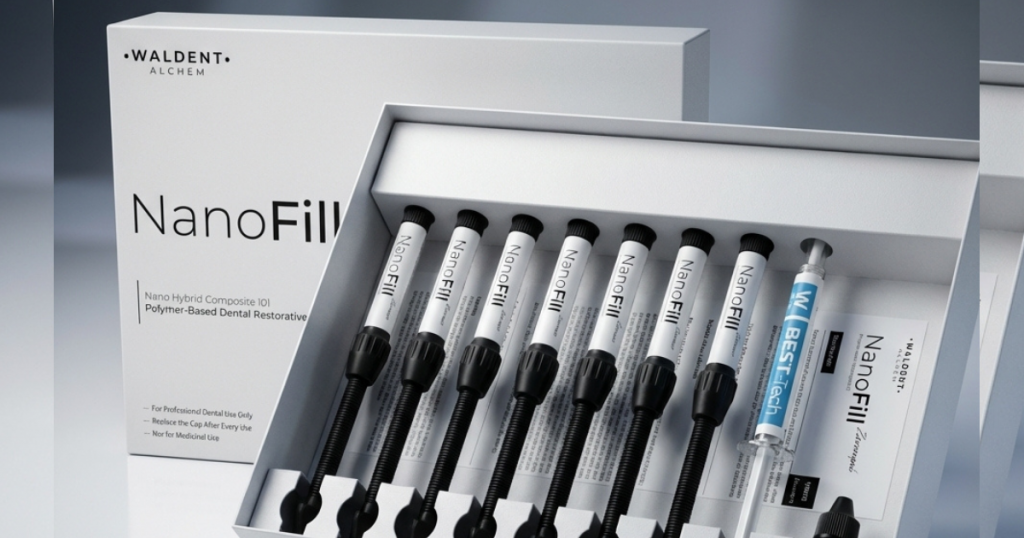
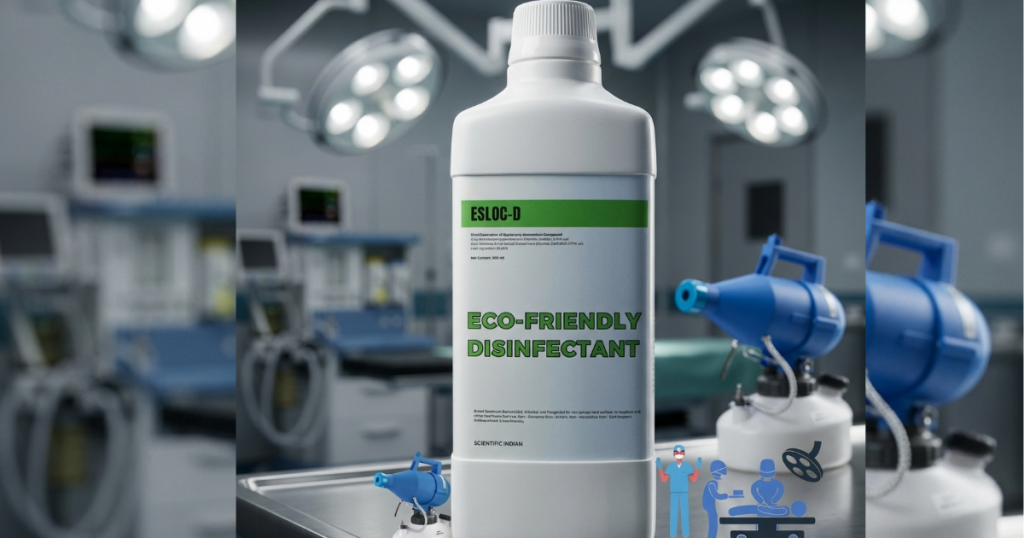
Products- Waldent NanoFill Zirconium Composite Kit, Rubydent RubyCem Glass Ionomer Filling Cement
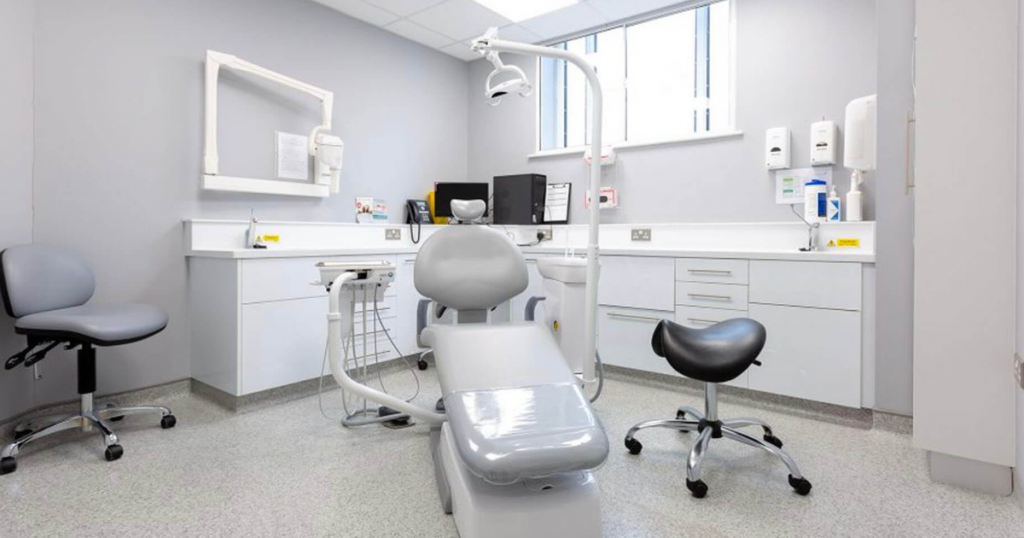
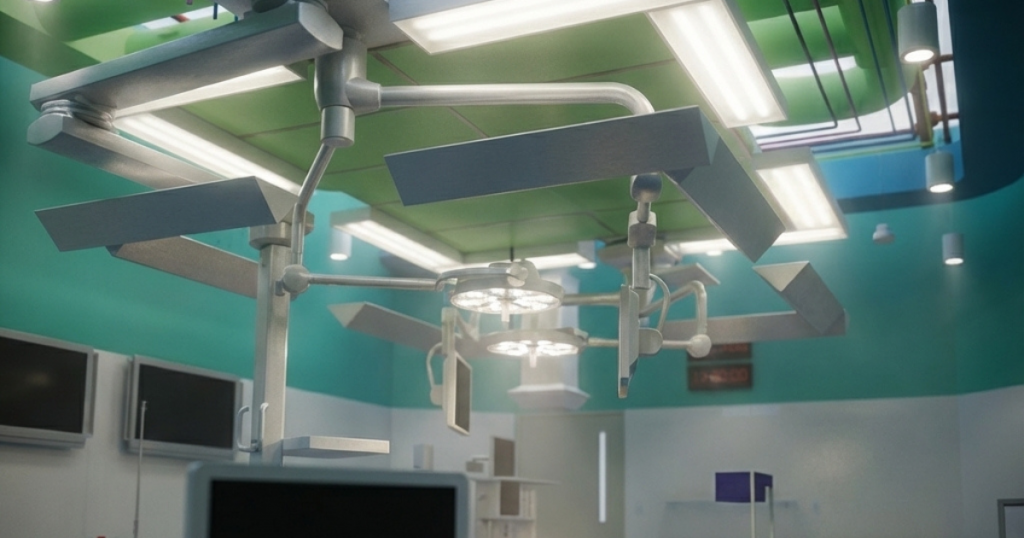
3. Environmentally Focused Clinic Design
- Use energy-efficient HVAC systems
- Choose eco-certified furniture and flooring
- Ensure proper ventilation for chemical safety
- Maximize natural light
- Use low-emission paints and materials
4. Involving Patients in Green Practices
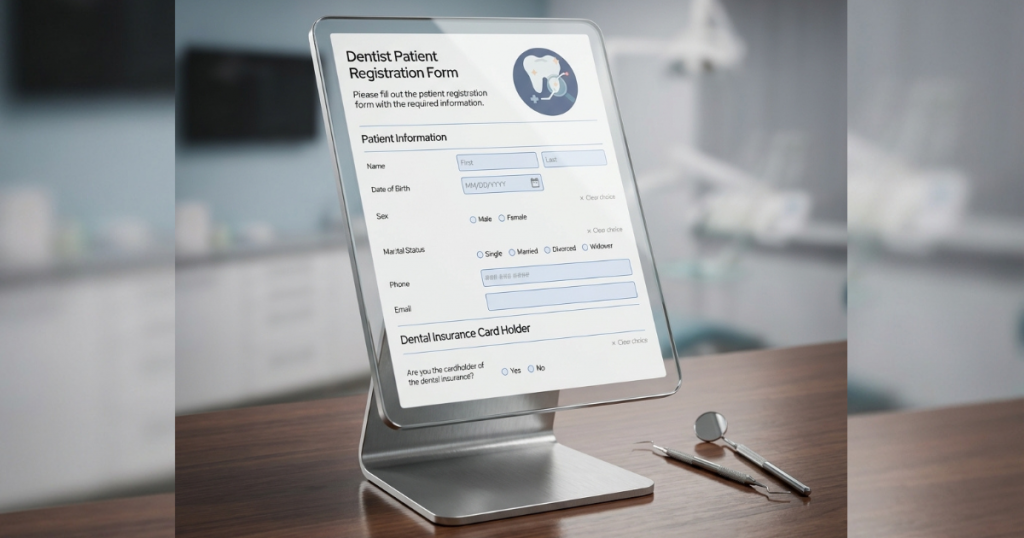
- Provide digital forms instead of paper
- Share eco-friendly oral-care guidance
- Promote recyclable or refillable hygiene product
- Encourage participation in oral-care recycling programs

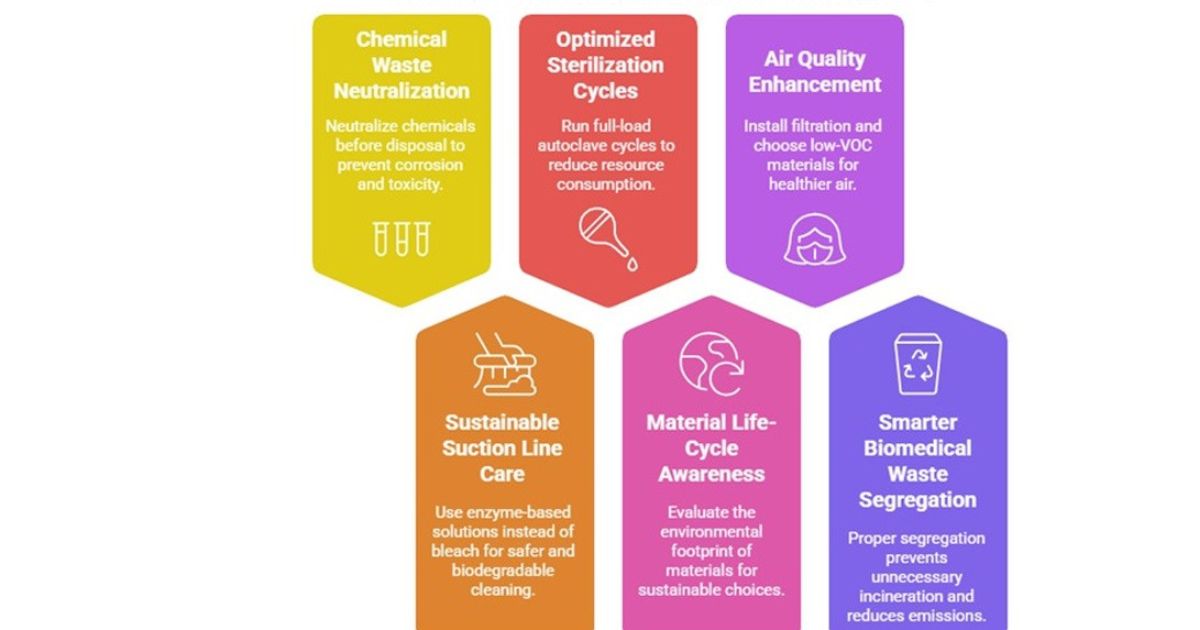
Innovative & Less-Known Sustainability Practices
Conclusion
Green dentistry is no longer optional- it is an essential direction for modern clinical practice. By adopting eco-friendly workflows, managing waste responsibly, controlling materials like amalgam, and using digital and energy-efficient technologies, clinics can significantly lower their environmental impact.
Sustainable practices not only protect the planet but also improve clinic efficiency, ensure regulatory compliance, and build long-term patient trust.
FAQ's
Amalgam contains mercury, which is toxic to both the environment and human health. Replacing amalgam with safer, mercury-free alternatives like composite resins reduces pollution and improves patient safety
Installing low-flow faucets, using water-efficient equipment, and implementing water conservation practices can help dental clinics reduce water usage significantly.
Examples include biodegradable floss, bamboo toothbrushes, refillable toothpaste containers, and eco-friendly cleaning agents that reduce plastic waste.
Yes, switching to digital records and online systems significantly reduces paper consumption, helping to conserve trees and reduce waste.
Written by
Dr. Yashasvi Sharma
Contributing Dental Clinician
Dr. Yashasvi Sharma is a contributing Dental professional at Dentalkart Blogs, where she distills chair-side clinical experience into evidence-based, practice-ready guides for Indian dentists. Her work bridges the gap between academic dentistry and everyday practice, translating global research into actionable insights tailored to the realities of Indian clinical settings.
Keep reading
Browse all →
When to Use Absorbable Gelatin Sponges?
When to Use Absorbable Gelatin Sponges?Clinical Hemostasis Case Selection An absorbable dental hemostatic sponge is a sterile, porcine-derived gelatin foam used

Correcting Common Pit & Fissure Sealant Application Errors
Correcting Common Pit & Fissure Sealant Application ErrorsAn Evidence-Based Guide Successful pit and fissure sealant application is technique-sensitive, and

Dental RVG Sensor Quality Assurance Protocol
Dental RVG Sensor Quality Assurance ProtocolA Clinical Calibration Guide A dental RVG (radiovisiography) sensor quality assurance protocol is a set of routine t