
Dr.Prerna
Dental Content Contributor
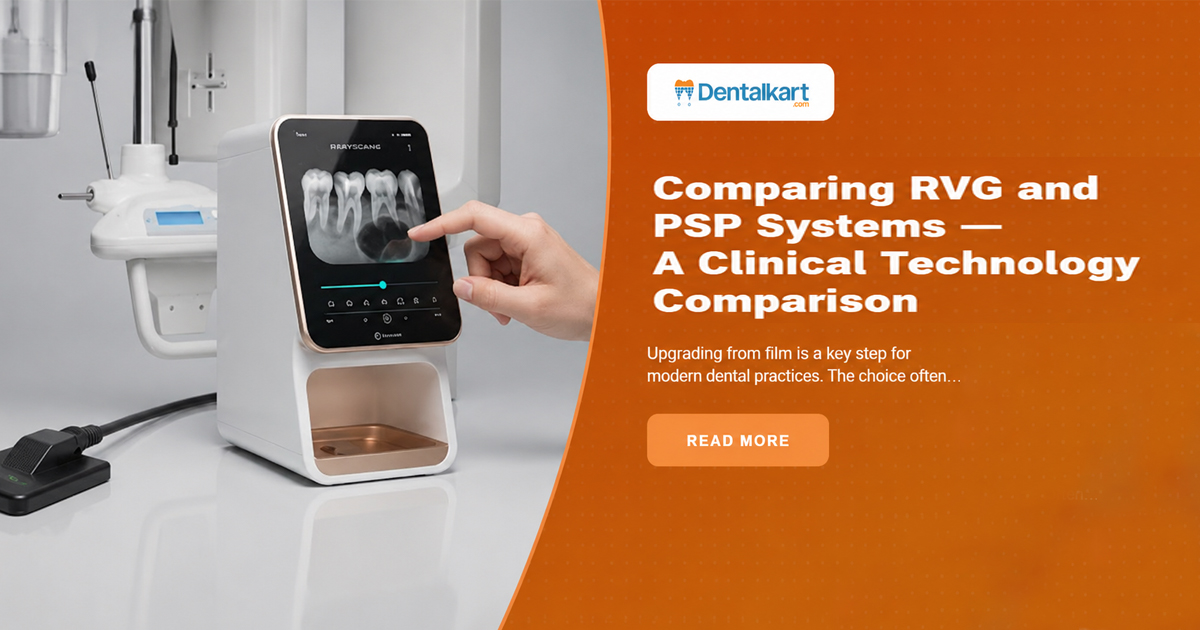
Comparing RVG and PSP Systems
A Clinical Technology Comparison
Upgrading from film is a key step for modern dental practices. The choice often comes down to instant RVG sensors or flexible PSP systems. Understanding their differences helps select the best fit for your clinic's workflow and patient care.
Table of Contents
Workflow and Speed Comparison
- RVG provides near-instantaneous image acquisition on the monitor.
- PSP plates require a separate scanning step after patient exposure.
- This scanning process adds approximately 30 to 90 seconds per image.
- RVG is ideal for time-sensitive procedures like single-visit endodontics.
- The PSP workflow closely mimics traditional film, easing staff transition.
- Multiple PSP plates can be exposed before convenient batch scanning.
IMAGING WORKFLOW: RVG VS. PSP
Position the wired sensor, expose, and view the image instantly in 3-5 seconds.
Position the wireless plate, expose, remove, scan, and then view the image.
RVG is immediate, while the PSP scanning step adds 30-90 seconds per image.
Image Quality and Diagnostics
- RVG sensors typically offer a higher theoretical spatial resolution.
- PSP systems produce images with a wider, more forgiving dynamic range.
- This wider range can compensate for minor exposure setting variations.
- Both allow for digital software enhancement, contrast, and magnification tools.
- Final image quality is heavily dependent on the specific brand and model.
- Software processing is crucial for maximizing diagnostic value from raw data.
RVG Sensors
- Highest theoretical resolution
- Instant image for procedures
- Less forgiving on exposure settings
PSP Plates
- Wide dynamic range
- Film-like feel and workflow
- Lower resolution than top RVG
Size, Comfort, and Durability
- PSP plates are thin, wireless, and flexible for easier intraoral placement.
- This flexibility significantly improves patient comfort, especially for small mouths.
- RVG sensors are rigid, thicker, and have an attached data cable.
- The tethered cable on RVG sensors can sometimes complicate positioning.
- PSP plates are susceptible to scratches and bending over repeated use.
- RVG sensors are a fragile, high-cost item vulnerable to damage from drops.
KEY PHYSICAL CHARACTERISTICS
PSP plates are thin and flexible, mimicking film for better patient tolerance.
RVG sensors are rigid and have a direct cable for instant data transfer.
RVG sensors are fragile if dropped, while PSP plates scratch over time.
PSP offers multiple sizes and flexibility, simplifying difficult placements.
Cost, Maintenance, and Integration
- RVG systems generally have a higher initial cost per chairside sensor.
- PSP systems have a lower initial cost but require ongoing plate replacement.
- Phosphor plates are consumables that degrade and need replacement periodically.
- RVG sensors have no consumable costs but a very high replacement cost.
- PSP scanners require periodic cleaning and maintenance for optimal function.
- Always confirm software compatibility with your existing practice management system.
| Factor | RVG System | PSP System |
|---|---|---|
| Initial Investment | High | Moderate |
| Consumable Costs | None | Plates (recurring) |
| Replacement Risk | High cost (sensor) premium | Low cost (plate) |
| Maintenance | Minimal (sensor) | Scanner cleaning |
Frequently Asked Questions
For high-volume practices, a PSP system is often more efficient. You can expose multiple plates on different patients consecutively and then batch-scan them, streamlining the imaging workflow. An assistant can manage the scanning process, freeing up the clinician. A typical batch scan of 4-6 plates can be completed in under 5 minutes, keeping operatory turnover high.
Yes, most modern intraoral sensors and PSP plates are compatible with existing conventional X-ray machines, provided they have a DC output and allow for very short exposure times, often under 0.08 seconds. Older AC units may not be suitable. It is crucial to verify compatibility to ensure optimal performance with your unit, which likely operates between 60-70 kVp.
The transition is generally smooth. PSP systems have a workflow very similar to film, making the change intuitive for most staff within 1-2 weeks. RVG systems require more practice with sensor placement due to their rigidity and cable, which might take a few weeks to master. Proper staff training, typically completed in a single 4-hour session, is key for both.
Written by
Dr.Prerna
Dental Content Contributor
Dr. Prerna Sahrawat is a dentist with over 4 years of experience in clinical dentistry and dental content writing. She is passionate about simplifying complex dental concepts into practical, evidence-based content that helps dentists make informed clinical and purchasing decisions while staying updated with the latest advancements in dentistry.
Keep reading
Browse all →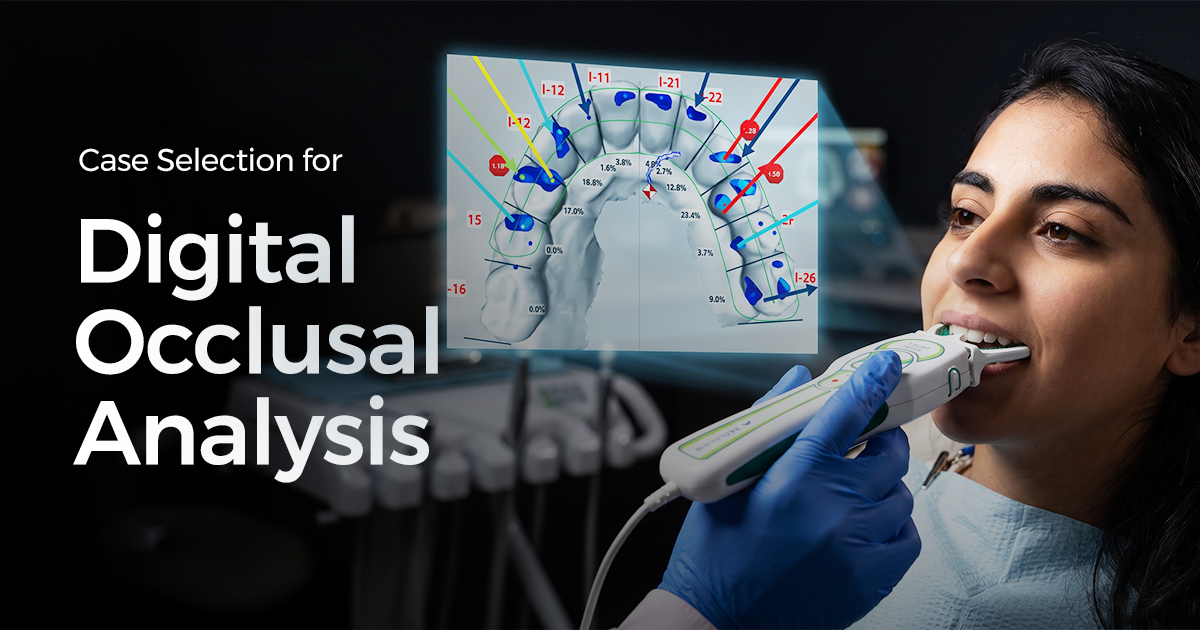
Case Selection for Digital Occlusal Analysis
Case Selection for Digital Occlusal AnalysisA Clinical Decision Guide A digital occlusal analysis system provides objective, dynamic data on bite timing and for

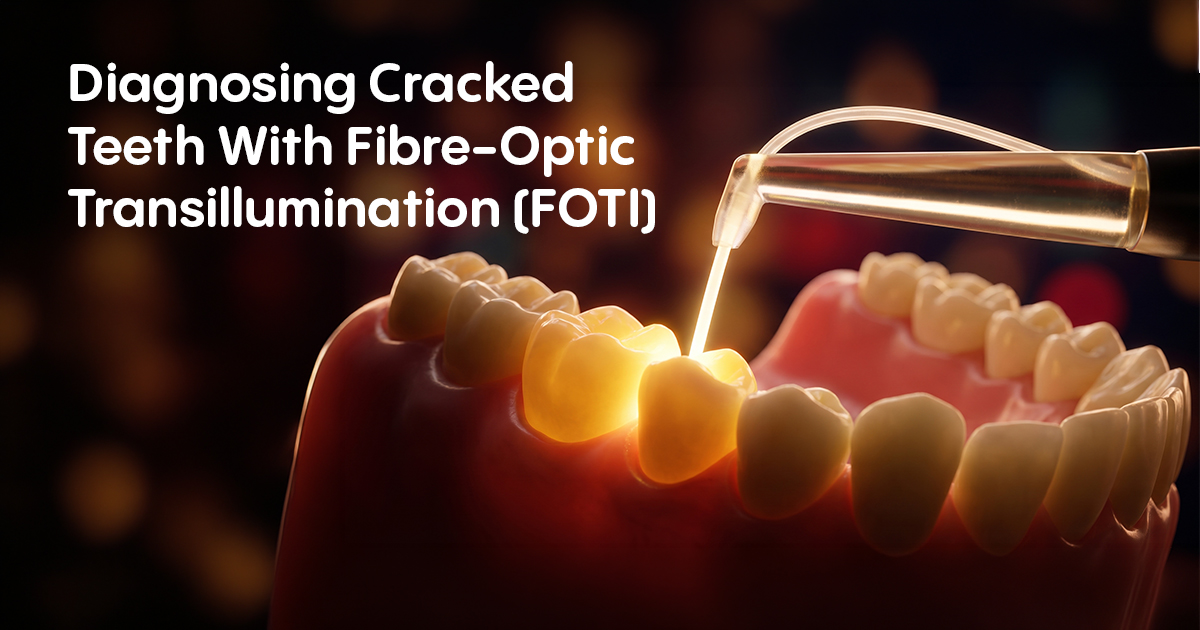
Diagnosing Cracked Teeth With Fibre-Optic Transillumination
Diagnosing Cracked Teeth With Fibre-Optic Transillumination (FOTI)A Clinical Selection Guide Fibre-optic transillumination (FOTI) is a diagnostic method using a
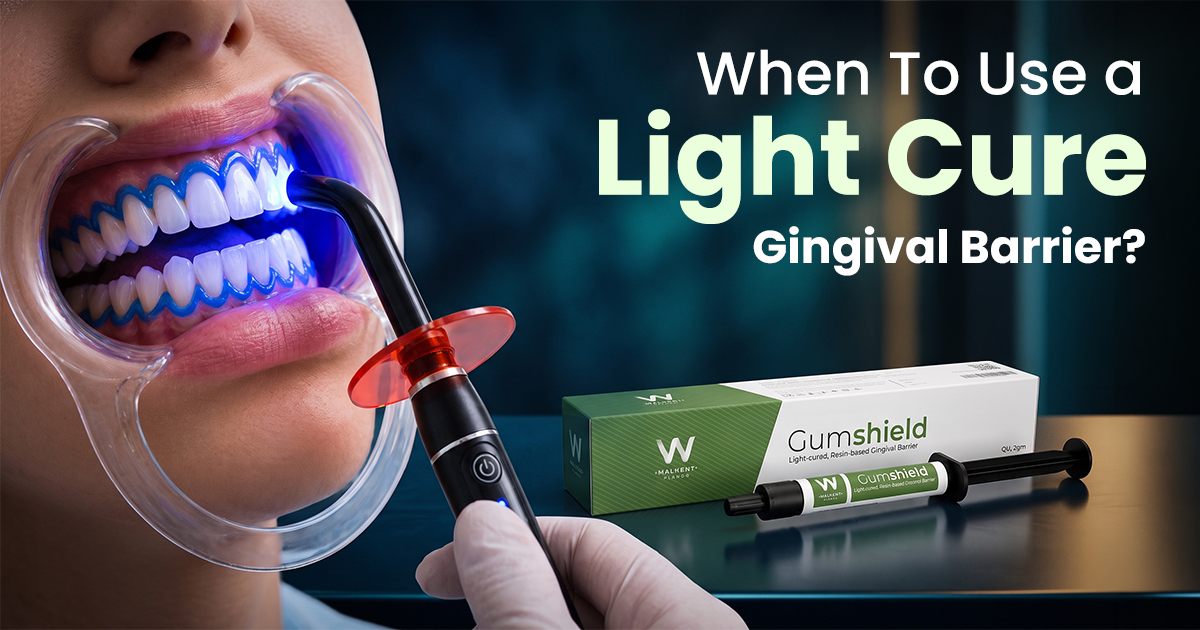
When To Use a Light Cure Gingival Barrier?
When To Use a Light Cure Gingival Barrier?A Clinical Selection Guide. A liquid gingival barrier is a light-curable resin used to isolate and protect soft tissue