
Dr. Yukti
Contributing Dental Clinician
Selecting Your Ideal Dental Loupes
A Clinical Magnification Guide
Making the right choice in clinical optics is a pivotal career decision, influencing both your precision and long-term ergonomic health. Proper magnification can significantly reduce physical strain and elevate the quality of your detailed procedural work.
Table of Contents
Choosing Magnification Power
- 2.5x magnification is ideal for beginners and general dentistry procedures.
- It offers the widest field of view and the most forgiving depth.
- 3.5x strikes a great balance between magnification and field of view.
- This power is excellent for detailed endodontic or restorative work.
- 5.0x and higher offer powerful magnification for precise surgical procedures.
- It requires a very stable hand and has a much narrower viewing field.
| Magnification | Best For | Field of View | Learning Curve |
|---|---|---|---|
| 2.5x | General Dentistry, Students, Hygiene | Widest best | Easiest |
| 3.5x | Restorative, Endodontics, Crown Prep | Moderate | Moderate value |
| 5.0x+ | Surgical, Specialized Micro-dentistry | Narrowest | Steepest premium |
TTL vs. Flip-Up Loupes
- TTL loupes are custom-made for your specific pupillary distance.
- They typically offer a slightly wider field of view than flip-ups.
- Flip-up models allow for an unobstructed, non-magnified view when needed.
- They are easily shared among users with different prescriptions or measurements.
- TTL is generally lighter as the optics are integrated into the lens.
- Flip-ups can accommodate changes in your prescription eyewear more easily.
Through-the-Lens (TTL)
- Lighter weight for all-day comfort
- Wider field of view
- No hinge mechanism to adjust
- Prescription changes require new lenses
- Cannot be shared with other users
Flip-Up
- Can be worn over prescription glasses
- Easily 'flipped up' for normal vision
- Shareable between multiple operators
- Heavier due to the hinge assembly
- Slightly smaller field of view
Critical Ergonomics: Distance & Angle
- Your working distance is the length from your eyes to the work area.
- Measure this distance while maintaining a straight, neutral spine.
- The declination angle prevents you from tilting your head forward.
- A proper angle keeps your neck and cervical spine comfortably aligned.
- Incorrect measurements will lead to chronic neck, back, and shoulder pain.
- Always get professionally measured to ensure the most accurate fit.
ACHIEVING NEUTRAL POSTURE WITH LOUPES
The ideal distance from your eyes to the oral cavity, keeping your back straight.
The steepness of the oculars' angle, which allows you to keep your chin up.
A neutral, upright position that minimizes strain on your neck, shoulders, and back.
Measure Your Working Distance
To get a close estimate, sit in your usual working posture and have a colleague measure from the bridge of your nose to the patient's front tooth. For most dentists, this is between 35 cm and 45 cm.
Integrating Illumination for Clarity
- LED headlights eliminate shadows cast by overhead operating lights.
- Co-axial illumination aligns the light beam with your line of sight.
- This provides a bright, shadow-free view of the entire work area.
- Modern LEDs offer true color rendition for accurate shade matching.
- Integrated lighting significantly reduces eye strain during long procedures.
- Cordless battery options provide complete freedom of movement.
KEY BENEFITS OF LED ILLUMINATION
Co-axial light travels with your gaze, illuminating exactly what you see.
High CRI (Color Rendering Index) lights help with precise shade matching.
Bright, consistent light prevents your pupils from constantly adjusting.
Modern battery packs are lightweight and offer all-day power for mobility.
Frequently Asked Questions
Sit in your typical operating position with an assistant. Maintain an upright, ergonomic posture and focus on a target where you would normally work. Have your assistant measure the distance from the bridge of your nose to the target. For most dentists, this falls between 350 mm and 450 mm. A professional fitting is always recommended for 100% accuracy to prevent posture issues.
Yes, you have options. Flip-up styles can be worn directly over your existing prescription glasses. For Through-the-Lens (TTL) models, your prescription is built directly into the carrier lenses of the frames. This provides a wider field of view but requires updating the entire unit if your prescription changes significantly, usually after a shift of more than 1.0 diopter.
Not necessarily. While higher power reveals more detail, it comes with trade-offs. Each step up in magnification, for instance from 2.5x to 3.5x, can reduce your field of view by up to 40%. It also decreases your depth of field, making it harder to keep the entire oral cavity in focus. Start with a lower power like 2.5x and only upgrade when your procedural needs absolutely demand it.
Weight is a critical factor for comfort during long procedures. Quality entry-level optics, particularly TTL models, are surprisingly lightweight. You can expect a good pair to weigh between 45 and 75 grams. Flip-up models are slightly heavier due to the hinge mechanism, but modern designs work to minimize this difference to prevent strain on your nose and ears over a full 8-hour day.
The adaptation period varies, but most clinicians feel comfortable within 1 to 2 weeks of consistent use. Start by wearing them for shorter, simpler procedures, about 30 minutes at a time. Gradually increase the duration as your eyes and brain adjust to the magnified field. Resisting the urge to look over the top of the frames will speed up the process significantly.
Written by
Dr. Yukti
Contributing Dental Clinician
Dr. Yukti Jain is a BDS-qualified dental professional and Product Specialist at Dentalkart with expertise in dental materials, equipment, and clinical innovations. Passionate about evidence-based dentistry, she creates insightful, research-driven content that simplifies complex topics and empowers dental professionals to make informed clinical and purchasing decisions.
Keep reading
Browse all →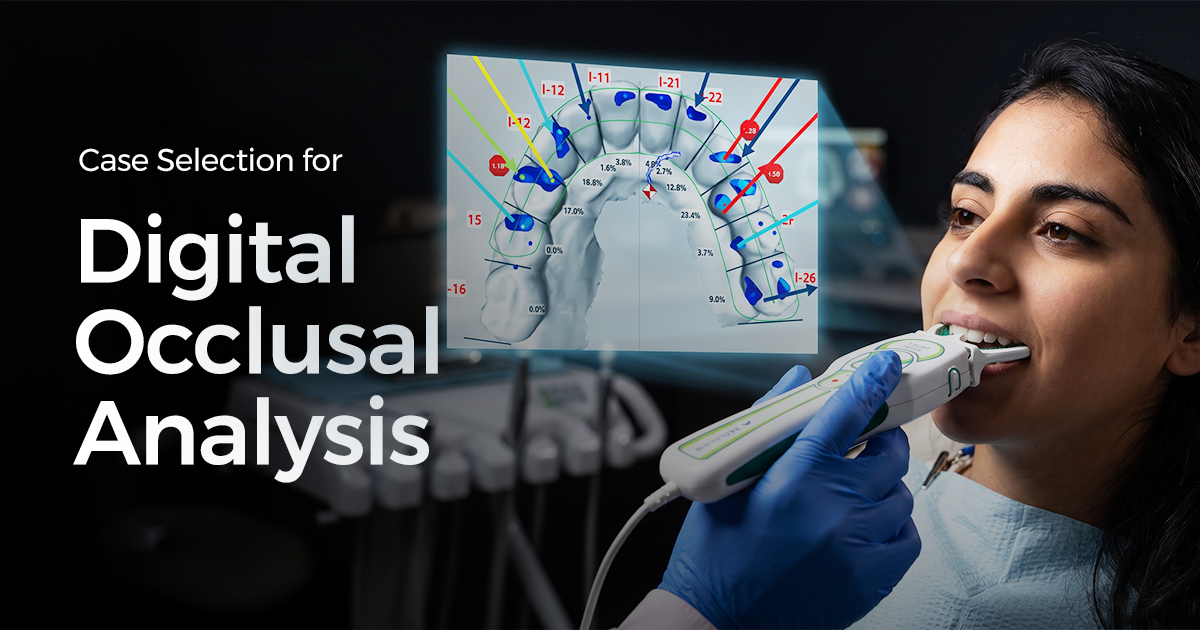
Case Selection for Digital Occlusal Analysis
Case Selection for Digital Occlusal AnalysisA Clinical Decision Guide A digital occlusal analysis system provides objective, dynamic data on bite timing and for
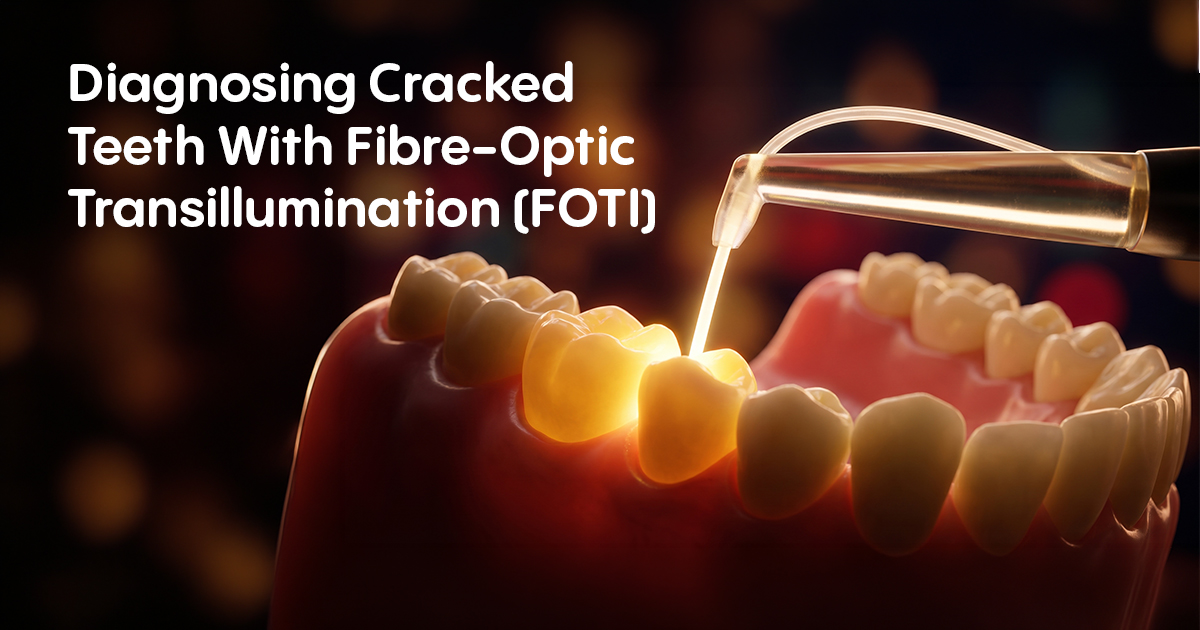
Diagnosing Cracked Teeth With Fibre-Optic Transillumination
Diagnosing Cracked Teeth With Fibre-Optic Transillumination (FOTI)A Clinical Selection Guide Fibre-optic transillumination (FOTI) is a diagnostic method using a
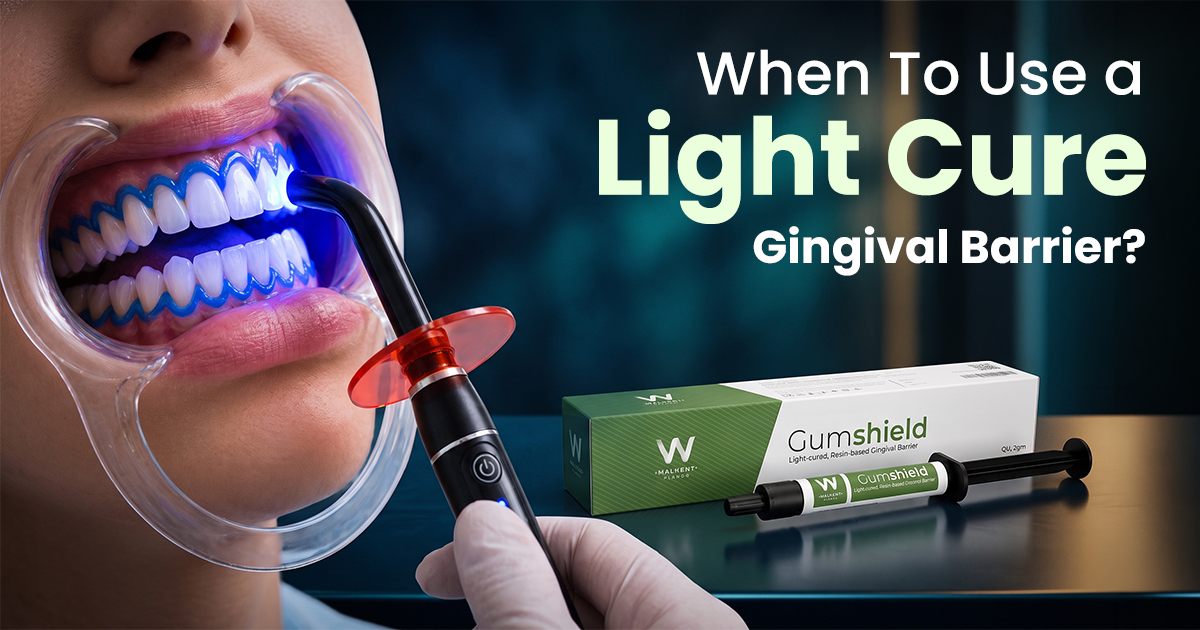
When To Use a Light Cure Gingival Barrier?
When To Use a Light Cure Gingival Barrier?A Clinical Selection Guide. A liquid gingival barrier is a light-curable resin used to isolate and protect soft tissue