Understanding ISO & CE Certifications on Dental Products: What They Really Mean
Dr. Noopur Aggarwal
Contributing Dental Clinician
Did you ever sit down and read online when you were about to purchase Dental Products and notice "ISO and CE Certifications marked" printed on the packet and wonder, what does it really mean? If so, then you're among the majority. Most dentists work with these terms daily but are not always clear on how they impact product quality, safety, and even compliance.
Here, we clarify these terms and inform you precisely why you should care for the practicing dentist deserving access to dependable, safe, and high-performing dental instruments and materials.
Why Certifications Matter in Dentistry relies on accurate instruments and biocompatible materials that contact soft tissue, bone, and restorative interfaces. From Composite resins and Rotary files to sterilization machines and Dental Chairs, every product you work with has the ability to influence treatment success and patient safety.
Standards like ISO and CE verify the products you're working with meet demanding global standards for:
- Safety
- Performance
- Sterility
- Material integrity
- Manufacturing quality
Essentially, these certifications are a seal of trust that protects both dentists and patients.
What Is ISO Certification?
ISO = International Organization for Standardization the ISO is a non-governmental international organization headquartered in Geneva, Switzerland. It develops international standards that ensure the quality, safety, and performance of products and services in various industries including health care and dentistry. Why It Matters for Dental Products.
When a dental product is ISO certified, the business means that they comply with strict quality control processes that are in place under internationally accepted standards.
For example:
- The biocompatibility of the material composition is verified
- Production is engineered in a way to provide consistency
- The product is safe to use within the clinic
- Common ISO Standards for Dentistry
In Simple Words:
If a product is labeled as ISO 13485 certified, it means that the entire manufacturing process of raw material packaging is conforming to international medical device safety standards.
| ISO Standard | Applies To | Meaning / Purpose |
| ISO 13485 | Dental and medical device manufacturers | Expects the company to implement a quality management system for medical devices. |
| ISO 10993 | Dental materials (resins, adhesives, cements) | Ensures biocompatibility and safety for use in the mouth. |
| ISO 6876 | Endodontic sealers | Sets up physical properties like setting time, solubility, and film thickness. |
| ISO 4823 | Elastomeric impression materials | Sets up viscosity, elasticity, and precision. |
| ISO 7405 | Dental restorative materials | Tests for safety via biological testing of dental products. |
What Is CE Certification?
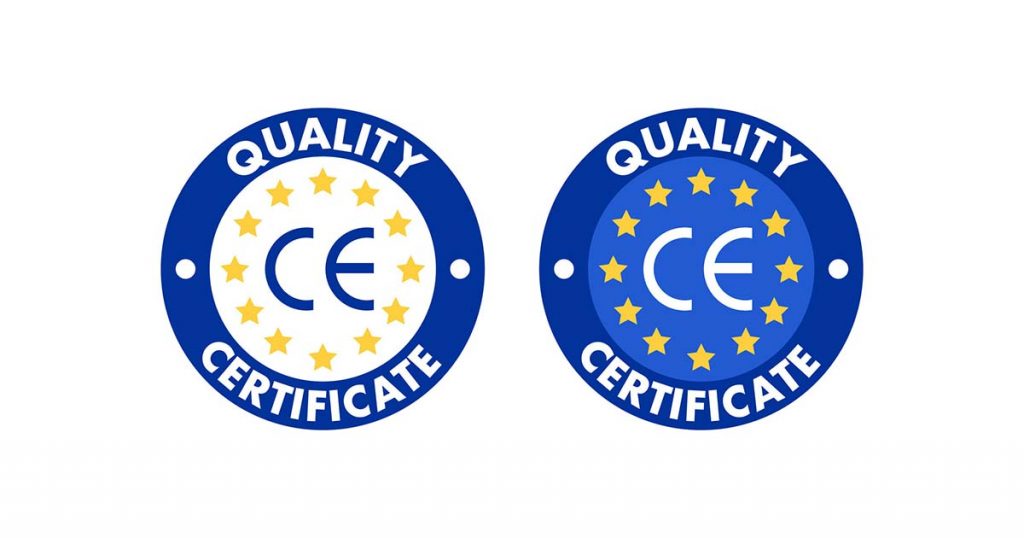
CE = Conformité Européenne (European Conformity) The CE mark is a European Union law marking for any dental or medical product that's sold within the European Union (EU). It's a testament to the fact that the product complies with EU health, safety, and environmental protection requirements but here's the twist, CE marking is no longer Europe's monopoly. It's now a symbol of world quality, and most non-EU producers will voluntarily become CE certified to show world acceptability. How CE Certification Functions The producers must go through a complex process before they can utilize the CE mark:
- Risk Assessment: Evaluate all the potential risks the product entails.
- Testing & Verification: Tests in the lab to demonstrate compliance with EU safety standards.
- Documentation: Maintain a technical file for all safety and performance information.
- Third-Party Audit: Some devices must be examined and certified by a Notified Body (third-party testing facility).
- CE Marking: Once it is ensured that all the criteria have been fulfilled, the product may be marked with the CE mark and placed on the EU market legally.
CE Mark Classification of Dental Devices CE marking categorizes dental devices based on the risk to the patient:
| Class | Risk Level | Examples in Dentistry | Certification Requirement |
| Class I | Low Risk | Dental mirrors, tweezers, impression trays | Self-certified by manufacturer |
| Class IIa | Moderate Risk | Endodontic files, dental burs, resin cements | Involves the intervention of Notified Body |
| Class IIb | Medium-High Risk | Dental handpieces, curing lights, implant drills | Rigorous testing and documentation |
| Class III | High Risk | Implants, bone grafts, surgical devices | Rigorous testing and documentation |
Fun Fact- Though gloves and dental masks are both Class I medical devices, they are still in need of CE marking so it can be confirmed that they are safe and uphold the required standards of material.
| Area | ISO Certification | CE Certification |
| Scope | Quality management systems international standard | European safety mark for products |
| Focus | Process-oriented (how it's produced) | Product-focused (is it safe to use) |
| Issued By | International Organization for Standardization | European Union (Notified Bodies) |
| Applies To | Manufacturers across the globe | Goods on the market in Europe |
| Purpose | Guarantees manufacturing consistency | Guarantees product compliance with EU law |
How to Verify ISO or CE Marking
This is how you can verify prior to purchasing dental products online:
- Check the packaging to see if there is ISO number (e.g., ISO 13485) and CE mark. ISO certification of dental products and CE certified dental instruments should be the preference.
- Request documents – Original brands have certificates on request.
- Check online – Visit the website of the manufacturer.
- Be suspicious of unclear terms CE-approved is a wrong term; the proper expression is CE-marked
Buy from certified websites– Genuine websites like Dentalkart ensure that every product on the site is of minimum quality.
Interesting Facts Dentists Should Know?
There are over 24,000 ISO standards in the world 150+ directly applicable to dentistry.
CE marks are recognized in over 30 nations beyond Europe.
Even dental CAD/CAM software needs to be CE certified as a "Class IIa medical device. CE marking only began in 1993, while ISO has been in existence since 1947
Last Thoughts You're a dentist; your success is not all about you but the consistency of the instruments you play with daily. ISO and CE marking are logos only to a certain extent; they're a guarantee that your equipment and materials are safe, compliant, and ready to work each time.
Frequently Asked Questions (FAQs)
1. Can one possess both ISO and CE certifications on a product?
Yes, some quality dental companies possess both, reflecting process quality (ISO) and product safety (CE).
2. Do all dental materials require to be CE marked?
Yes, any dental item to be put in the European market will have to be CE-marked, large or small, or intentional.
3. How long is the period of CE certification?
Generally, it will be effective for 3–5 years depending on the product type and rule amendments.
4. Is ISO certification mandatory for all dental manufacturers?
It is not mandated by legislation, but it is maintained by most foreign suppliers to meet international standards of quality.
Written by
Dr. Noopur Aggarwal
Contributing Dental Clinician
Dr. Noopur Aggarwal writes for Dentalkart Blogs on clinical decision-making, patient communication, and the materials and tools that shape modern dental practice.
Keep reading
Browse all →
Dental Ethics & Legal Guide: Consent, Records, and Patient Safety
Dental practice involves much more than technical expertise. It involves trust, accountability, and responsibility. Every day, dentists place patients
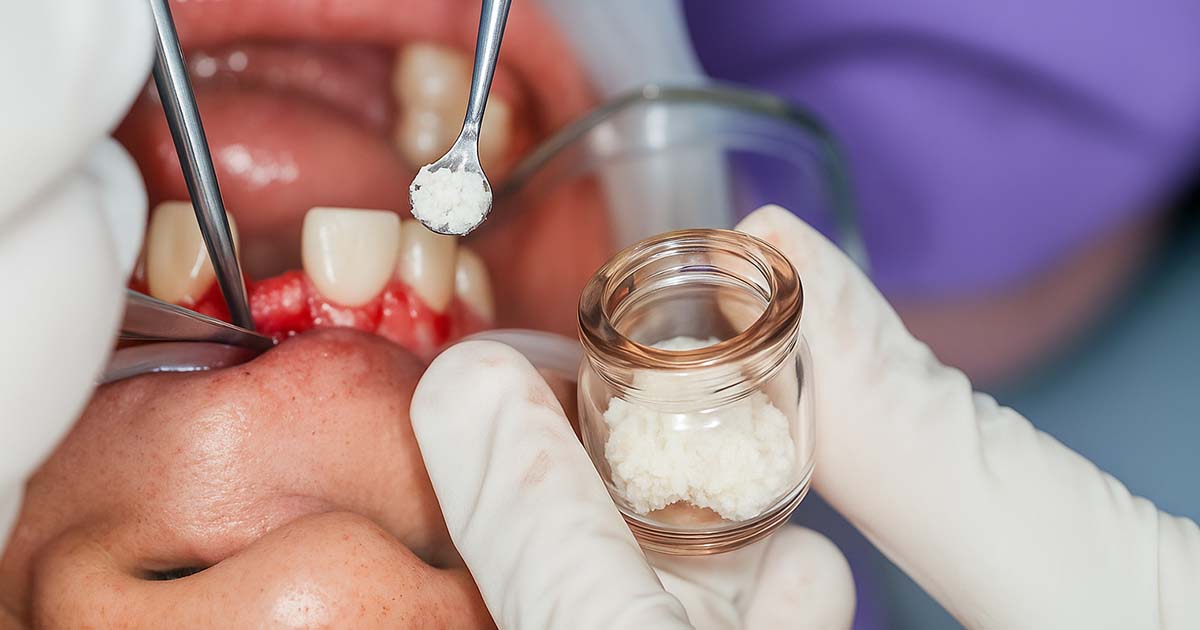
Bone Grafts and Membranes: Everything Dentists Need to Know
In the field of periodontics and implantology, achieving optimal bone regeneration is essential for long-term success. Whether dealing with bone loss due to per

Top Must-Read Dentistry Books for BDS Students
As a dental student, navigating through the vast sea of textbooks and reference materials can be overwhelming. Whether you're just beginning your journey in the