


Banding
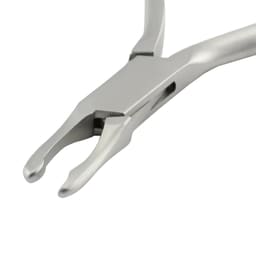
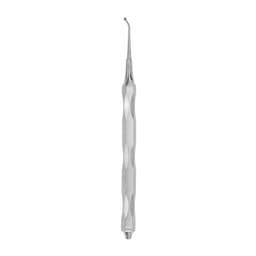
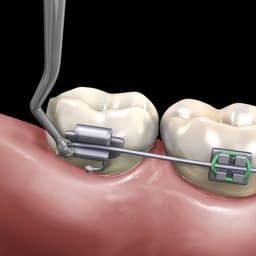
Banding instruments are the tools used to fit an orthodontic band onto a molar — contouring the band to the tooth, seating it to the gum line, and tucking the wire end behind the last tube. A band contouring plier shapes the band, and a distal bending instrument turns the arch-wire end in. Stocked from Koden and GDC for chairside band fitting.
 Recommended
 Price- High to LowPrice- Low to High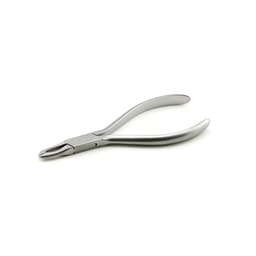
 10
10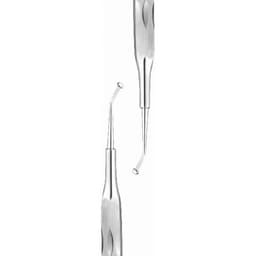
 20
20Banding
Banding is the step of cementing a preformed metal band around a molar so it anchors a fixed appliance. Getting it right takes a few dedicated instruments: one to contour the band to the tooth, one to seat it, and one to finish the arch-wire end once the band carries its tube. This category groups those band-fitting tools. The bands themselves are in the bands range.
The banding steps and the tool for each
Each part of fitting a band has its own instrument:
- Contour — a band contouring plier squeezes the band to the shape of the tooth so it grips evenly all round.
- Seat — a band seater or pusher drives the band down to the gingival margin without rocking it.
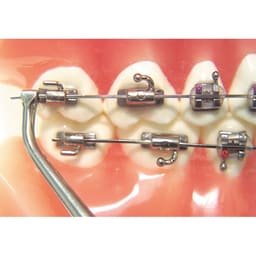
- Finish the wire — a distal bending instrument turns the arch-wire end in behind the last molar tube so it does not catch the cheek.
Together these take a band from a loose ring to a firmly seated, comfortable anchor. Once fitted, the margin is trimmed with band-cutting band cutting scissors where needed.
What a good band fit needs
A well-fitted band is what stops mid-treatment failures:
- Even contour — the band must hug the tooth all the way round, or it loosens and lets cement wash out.
- Correct seating depth — the margin sits at the gingival level, neither high nor cutting into the gum.
- A tucked wire end — the distal wire is bent in so it is passive against the soft tissue.
A rushed band that rocks or sits proud will debond; the few minutes with the right instruments are what make it last. These tools sit within the wider orthodontic instruments set for fixed-appliance work.
Buy banding instruments at Dentalkart
On Dentalkart, the Koden band contouring plier and GDC distal bending instrument sit in the same catalogue as the molar bands and tubes they fit, so a clinic can stock the whole banding step in one order rather than sourcing the tools separately. Both are genuine branded instruments with pan-India delivery, making it easy to add the pair to a new tray or replace a worn one.
Frequently Asked Questions (FAQs):
What instruments are needed to band a molar?
Banding a molar takes a band contouring plier to shape the band to the tooth, a band seater to push it down to the gum line, and a distal bending instrument to turn the arch-wire end in behind the last tube. Together they fit the band evenly and leave it comfortable, so it anchors the appliance without loosening.
What does a band contouring plier do?
A band contouring plier squeezes a preformed band to the curve of the tooth so it grips the enamel evenly all the way round. An evenly contoured band holds the cement and resists loosening. Without contouring, the band can sit loose on one side and let cement wash out, which is a common cause of a band coming off mid-treatment.
Why is a distal bending instrument part of banding?
Once the band carries the arch-wire tube, the wire runs past the last molar and its cut end can dig into the cheek. A distal bending instrument reaches back and turns that end inward so it lies passive against the tissue. It finishes the band fitting by making the appliance comfortable at the very back of the arch.
When would a clinic band a molar rather than bond a tube to it?
Band a molar when it takes heavy force or stays wet and hard to keep dry, since a cemented full ring grips all round and holds where a single bonded surface can shear off. Bonding a tube is quicker but less retentive on a broad molar. This is why the contouring and seating instruments here matter: they make the band fit that a bonded tube does not need.
Do these instruments work with any brand of band?
Yes — a band contouring plier and a distal bending instrument work on preformed molar bands regardless of brand, since they shape and seat the metal rather than fit a specific product. Match the band prescription and size to your case, and the same banding tools will contour, seat, and finish it on the tooth.