





Band Cutting Scissors
4.9
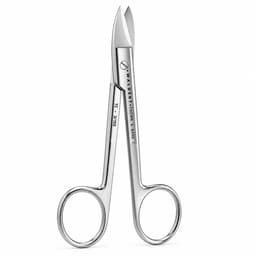
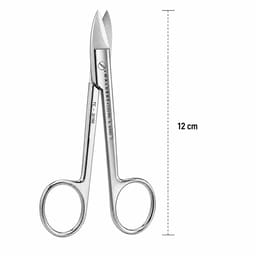
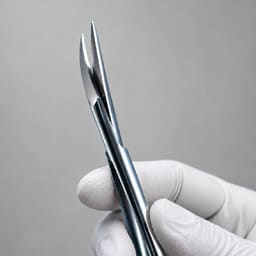
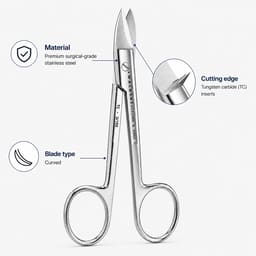
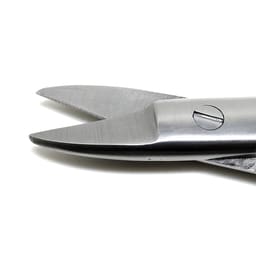
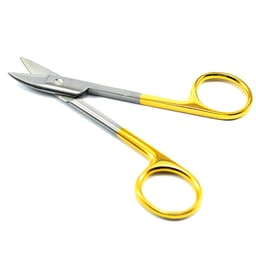
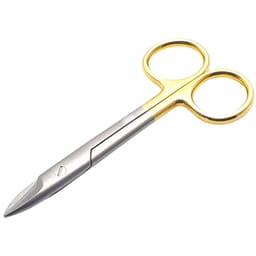
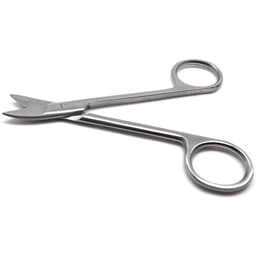
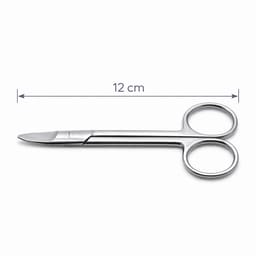
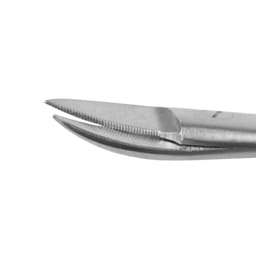
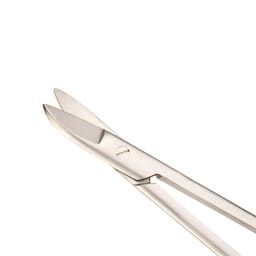
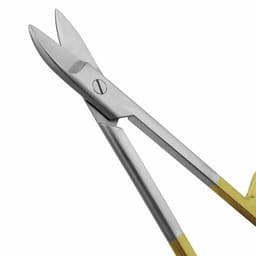
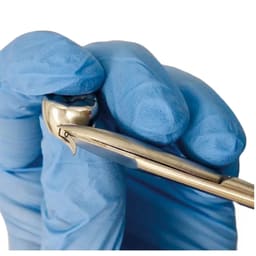
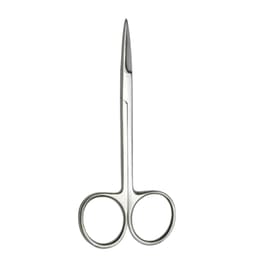
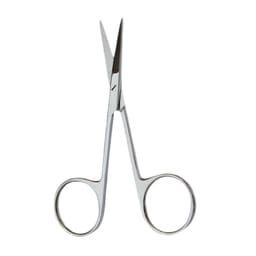
Band cutting scissors, also called crown and band scissors, are short-bladed metal scissors that trim a stainless steel crown or an orthodontic band down to the gum contour. The stubby, strong blades shear thin stainless without crushing it. Stocked in straight and curved patterns from GDC, Waldent, and Koden, some with tungsten-carbide edges that stay sharp on stainless.
Sort by - Recommended
 Recommended
 Price- High to LowPrice- Low to High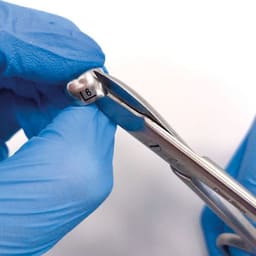
Only 5 Left
Curved TC-tipped scissors for precise trimming and festooning of dental crowns and bands
₹ 790₹ 1500
47.33% Off
 39
39View Similar Products
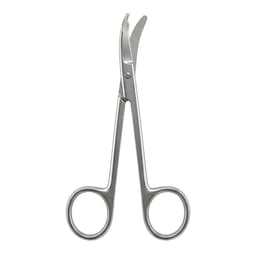
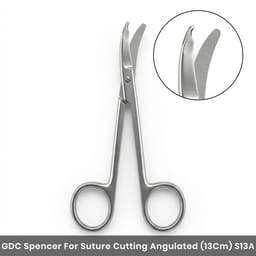
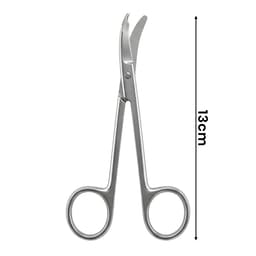
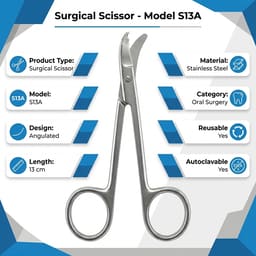
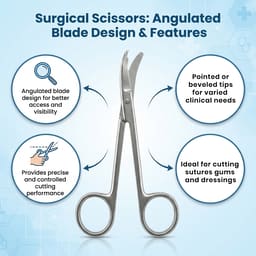
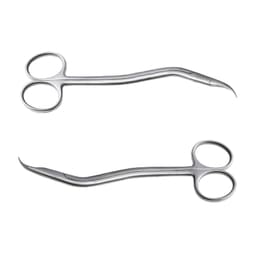
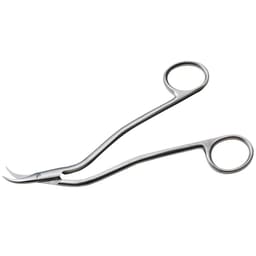
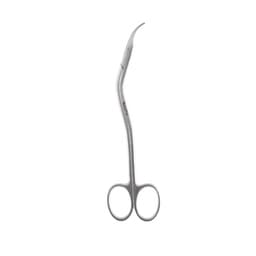
Angulated Spencer scissors designed for precise, effortless suture cutting with sharp, durable stainless-steel blades
₹ 520₹ 900
42.22% Off
10View Similar Products

★ 4.8
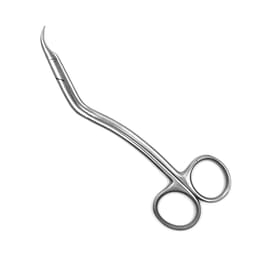
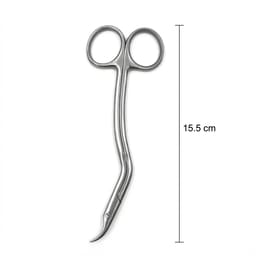
(6)Provides precise suture cutting with ergonomic comfort.
₹ 570₹ 950
40.00% Off
11View Similar Products
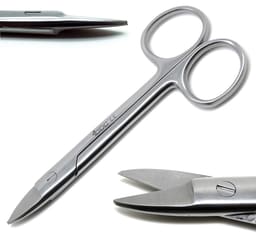

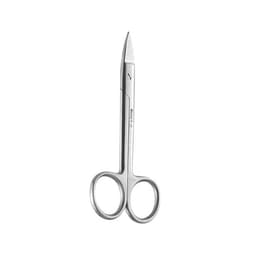
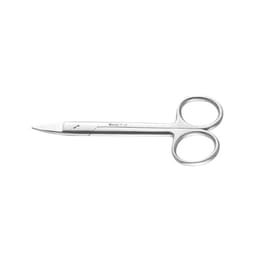
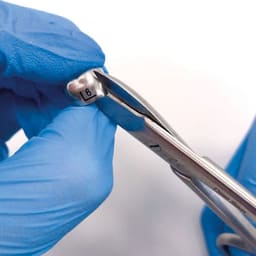
Scissors for cutting stainless steel crowns and orthodontic bands.
₹ 345₹ 630
45.24% Off
7View Similar Products
Only 5 Left
★ 5.0
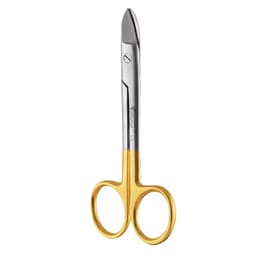
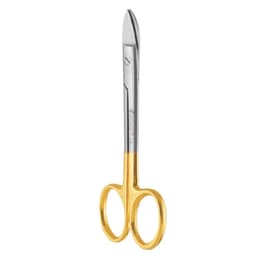
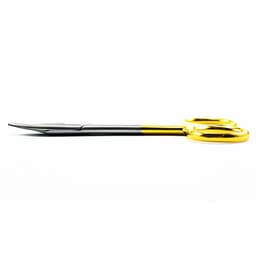
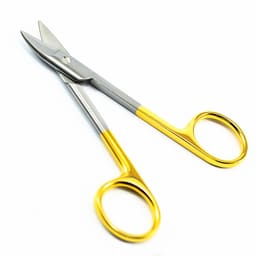
(1)Crown band scissors are used for cutting and shaping dental crowns and bands.
₹ 1975₹ 3465
43.00% Off
40View Similar Products
★ 4.7
(3)Scissors for cutting stainless steel crowns and orthodontic bands.
₹ 345₹ 630
45.24% Off
7View Similar Products
Only 2 Left
Crown band scissors are used for cutting and shaping dental crowns and bands.
₹ 1975₹ 3465
43.00% Off
40View Similar Products
Only 1 Left
15.35% Off
13View Similar Products
Filters
Sort By
RecommendedBand Cutting Scissors
A band cutting scissor is built for one difficult cut: shortening or contouring thin stainless steel without folding it. Its blades are short and heavily built, so the cutting force stays close to the pivot and the metal shears cleanly instead of bending. That is why a crown or band is trimmed with these rather than ordinary scissors, which would crush the edge. It is part of the wider orthodontic instruments set kept for band and crown work.
Straight or curved blades
The pattern is chosen for the cut and the access:
- Straight — for straight trims and cuts where the blade reaches the margin head-on.
- Curved — the blade follows the curve of a crown or band margin, contouring it to the gingival line in one pass.
Most trays carry both: a straight for quick shortening and a curved for shaping the festooned margin around the tooth. The two patterns cover the trimming that finishes a fitted crown or band.
What it trims
The scissor works on the two thin-stainless restorations it is named for:
- Stainless steel crowns — shortens an over-long preformed stainless steel crown and contours its margin to the gum before crimping and cementing.
- Orthodontic bands — trims a band edge to sit at the gingival level without impinging on the tissue.
In both cases the aim is a smooth, gum-following margin that seats passively, which the short curved blade shapes cleanly.
Blade material and the TC edge
For an instrument that cuts hardened stainless, the edge decides how long it stays useful. The stocked scissors are surgical stainless steel; several are offered with a tungsten-carbide (TC) cutting edge, whose harder inserts hold a sharp line far longer when shearing spring-hard crown and band metal. A plain stainless edge suits occasional trimming, while the TC edge earns its cost in a busy paediatric or orthodontic practice. Either way, cutting only thin stainless — never hard wire — keeps the edge true, since heavier wire needs the bands' own bands cutters instead.
Buy band cutting scissors at Dentalkart
Dentalkart carries genuine crown and band scissors from GDC, Waldent, and Koden — straight, curved, and tungsten-carbide-edged — next to the crowns, bands, and other tray instruments, so band and crown work can be ordered together. The scissors are authentic branded stock with India-wide shipping, letting a busy paediatric or ortho practice swap out a dulled pair quickly.
Frequently Asked Questions (FAQs):
What are band cutting scissors used for?
Band cutting scissors, or crown and band scissors, trim a stainless steel crown or an orthodontic band to the gum contour. Their short, strong blades shear thin stainless cleanly without crushing it, so the margin can be shortened and shaped before the crown is crimped and cemented or the band seated. They cut only thin stainless, not hard wire.
Do I need both the straight and the curved scissor?
Both, ideally. A straight scissor makes quick straight cuts and reaches a margin head-on; a curved scissor follows the curve of a crown or band edge to contour it to the gum line in one pass. Most operators keep a straight for shortening and a curved for shaping the festooned margin, so a pair of each covers the work.
Can these scissors cut orthodontic wire?
No — band cutting scissors are for thin stainless sheet like crowns and bands, not for wire. Hard arch wire or ligature wire will notch and dull the blades. Use a distal-end cutter or ligature cutter for wire and keep the band scissors only for crown and band metal so the cutting edge stays clean and sharp.
When does a TC-edged scissor pay off over plain stainless?
It pays off in a practice that trims crowns and bands regularly. The tungsten-carbide cutting edge stays keen through many more cuts of spring-hard stainless before it needs replacing, so the margin stays clean cut after cut. If crown fitting is only an occasional job, a plain surgical-stainless scissor does the same cut for less outlay.
Why not just use ordinary scissors to trim a crown?
Ordinary scissors have long, thin blades that flex and crush thin stainless rather than shearing it, leaving a folded, jagged margin. Band cutting scissors put short, rigid blades close to the pivot, so the force cuts the metal cleanly to a smooth edge that seats against the gum. The design is what makes a passive, non-irritating margin possible.