

Hand Hygiene
Hand hygiene products are the antiseptic scrubs and cleansers a dental team uses to disinfect their hands before treating a patient. A medicated scrub kills the microbes ordinary soap leaves behind, lowering the risk of passing infection to the patient. Used before gloving and between patients, hand antisepsis is the first line of clinical infection control.
Sort by - Recommended
 Recommended
 Price- High to LowPrice- Low to High


Only 1 Left
73.52% Off
 2
2View Similar Products
Filters
Sort By
RecommendedHand Hygiene
Clean hands are where cross-infection is stopped first, before a single instrument is picked up. Hand hygiene products give the dental team a medicated wash that goes further than ordinary soap. An antiseptic scrub lifts soil and kills the resident and transient microbes on the skin. Applied before gloves go on and again through the day, it protects both the patient and the operator. The category pairs naturally with the alcohol-based hand sanitizers used for a quick rub between longer scrubs.
What you can buy here
The range covers medicated hand cleansing:
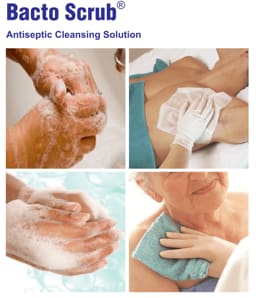
- Surgical hand scrubs — antiseptic washes (such as Bacto Scrub) for a thorough pre-treatment clean.
- Antiseptic cleansers — medicated liquids for routine hand washing through the day.
- Bulk bottles — 500 ml and larger sizes to keep a basin stocked in a busy clinic.
Each is chosen for how often hands are washed and how strong a clean the task needs. Every wash is then followed by fresh nitrile gloves over clean, dry hands.
Scrub or rub
Two approaches cover clinical hand hygiene, and they work together:
- Scrub (this category) — a medicated wash at the basin with water, for visibly soiled hands and before procedures.
- Rub — an alcohol gel applied to dry, clean hands for speed between patients, from the sanitizer range.
- The rule — wash when hands are soiled; rub when they only need re-disinfecting quickly.
A clinic keeps both, using the scrub for the deeper clean and the rub for turnover, alongside the surface disinfectants that keep the operatory clean between patients.
Where it sits in your routine
Hand antisepsis is the first step in a chain of clinical barriers:
- Wash — scrub hands with an antiseptic cleanser before treatment.
- Glove — pull on fresh gloves over clean, dry hands.
- Work clean — keep the operatory and instruments disinfected through the appointment.
Hand hygiene sits beside the tool-side of infection control in the instrument sterilization range, together covering hands, surfaces, and instruments.
Frequently Asked Questions (FAQs):
Why is hand hygiene important in a dental clinic?
Hands are the main route by which microbes move between a clinician and a patient. A medicated hand wash before treatment removes soil and kills skin microbes that ordinary soap leaves, cutting the risk of cross-infection. Done before gloving and repeated between patients, hand hygiene is the simplest and most effective barrier in a clinic's infection-control routine.
What is the difference between an antiseptic scrub and ordinary soap?
Plain soap lifts dirt but does little to kill microbes. An antiseptic scrub contains an active agent that both cleans and disinfects, reducing the bacteria and viruses on the skin far more effectively. For clinical work before a procedure, a medicated scrub is the standard, because plain washing alone does not lower the microbe load enough.
When should the dental team wash versus use a hand rub?
Wash with a scrub when hands are visibly soiled, at the start of a session, and before procedures. Use an alcohol hand rub when hands are already clean and dry and only need quick re-disinfecting between patients. The two are complementary: the scrub gives the deeper clean, the rub gives speed across a busy list.
Do I still need to wash if I wear gloves?
Yes. Gloves are a barrier, not a substitute for clean hands. Hands must be disinfected before gloving, because microbes multiply in the warm, moist space inside a glove, and gloves can develop tiny unseen tears. Washing before and after gloving keeps the routine safe even when the gloves themselves perform well.
How much hand scrub does a clinic need?
It depends on the number of clinicians and how often they wash, which in a busy practice is many times a day. A 500 ml bottle suits a single basin, while larger sizes or several bottles keep multiple stations stocked. Matching bottle size and count to daily washing avoids running dry mid-session.