




Hemostatic Solutions
4.7
A hemostatic solution is the astringent gel or liquid a dentist uses to stop gum bleeding and dry the sulcus before an impression. Aluminium-chloride, ferric-sulfate, and aluminium-sulfate agents come as gels, liquids, and cordless pastes from Ultradent, Waldent, Premier Dental, and SafeEndo. Packed into the sulcus or soaked into cord, it contracts the tissue and clots the bleeding in seconds.
Sort by - Recommended
 Recommended
 Price- High to LowPrice- Low to High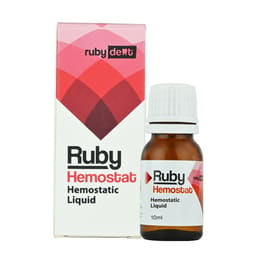

★ 4.7
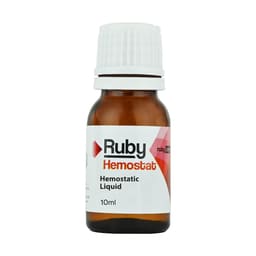
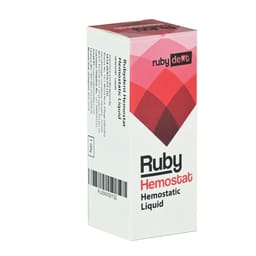
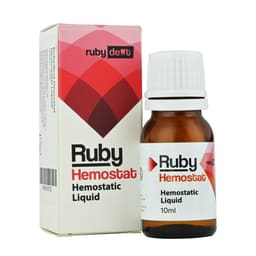
(3)Rubydent Hemostat: 25% aluminum sulfate solution for stopping minor gingival bleeding
₹ 139₹ 550
74.73% Off
 7
7View Similar Products
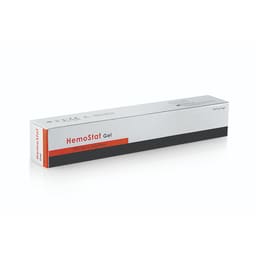
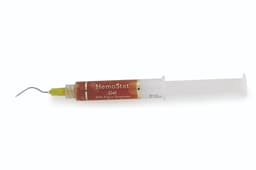
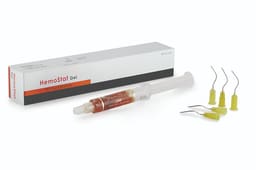
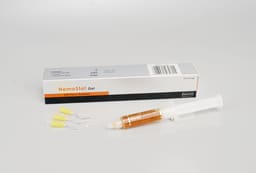
Rapid hemostasis gel for dental procedures. Gentle, fast-acting, and versatile. Easy to control application
₹ 1009₹ 1300
22.38% Off
10View Similar Products

★ 4.0
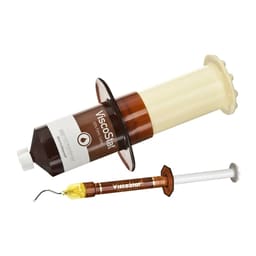
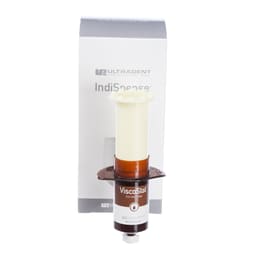
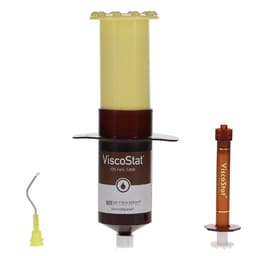
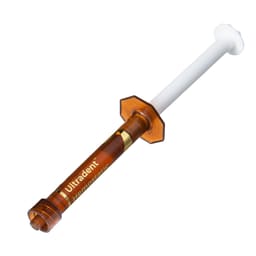
(2) Ultradent's potent hemostatic solution, 20% ferric sulfate, gentle on tissues, pH 1.0, precise bleeding control
Starting at₹ 549
View Similar Products
★ 4.5
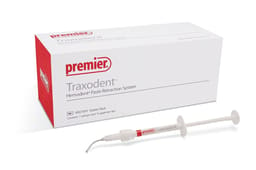
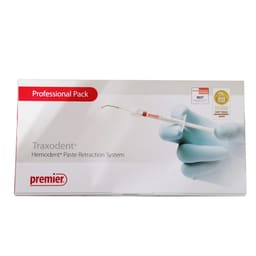
(2)Hemostatic precision, quick application, versatile use for optimal dental procedures
Starting at₹ 2039
View Similar Products

View Similar Products
★ 5.0
(1)57.66% Off
2View Similar Products

★ 5.0
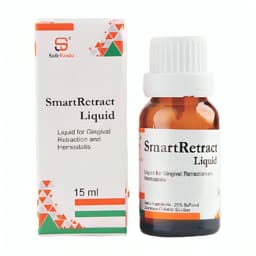
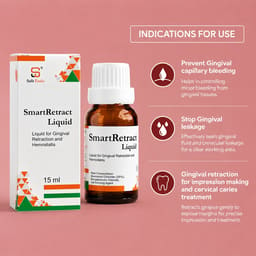
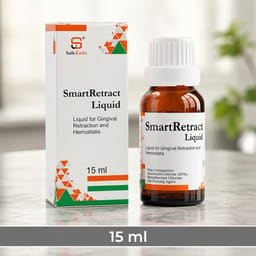
(5)15ml hemostatic liquid for precise gingival retraction, high efficiency, easy application, no discoloration.
₹ 409₹ 495
17.37% Off
4View Similar Products
★ 4.7
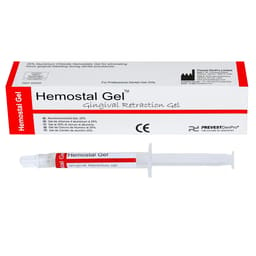
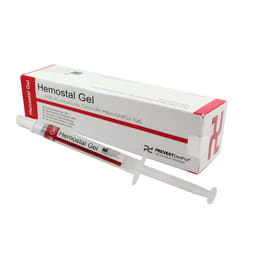
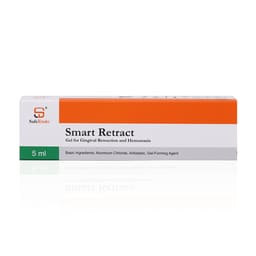
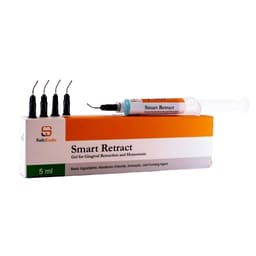
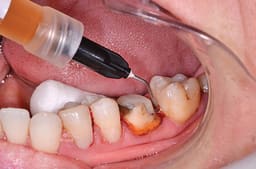
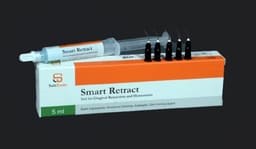
(3)A specialized gel designed for gingival retraction and hemostasis
₹ 557₹ 657
15.22% Off
6View Similar Products
Filters
Sort By
RecommendedHemostatic Solutions — Gingival Retraction and Bleeding-Control Agents
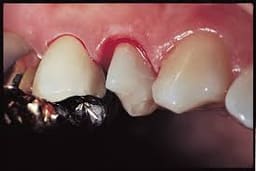
When a dentist preps a tooth for a crown or an impression, the margin usually sits at or below the gum, and the gum bleeds and weeps the moment it is touched. A hemostatic solution deals with both at once: it is an astringent — a metal-salt gel or liquid — that contracts the sulcus tissue to open it and clots the tiny vessels so the field stays dry. Without it, blood and fluid contaminate the impression or the bond; with it, the margin is clean, visible, and dry enough to work on.
Types by chemistry and form
Aluminium chloride agents
Aluminium chloride, usually around 25%, is the everyday retraction astringent — effective yet gentle enough to use routinely, and available clear for aesthetic anterior work where a stain would show. The Waldent Hemostatic Gel is a 25% aluminium-chloride gel for the sulcus.
Ferric sulfate agents
Ferric sulfate works harder and faster on a stubborn bleeder, clotting profoundly at a low pH. The trade-off is a temporary dark stain on the tissue that has to be rinsed away, and care not to leave it on a surface about to be bonded. The Ultradent Viscostat - Kit & Refills is a 20% ferric-sulfate system.
Cordless retraction pastes
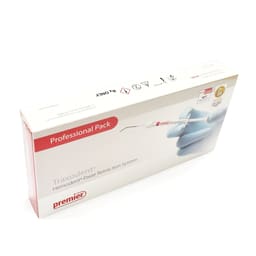
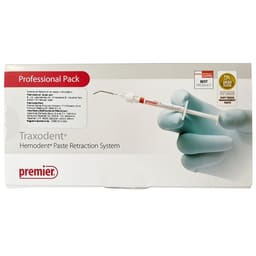
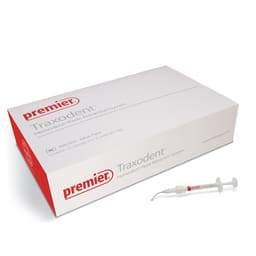
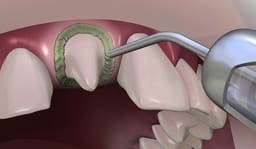
A retraction paste does the cord's job without the cord: an aluminium-chloride paste is syringed into the sulcus, left to expand and dry the tissue, then rinsed — quicker and kinder than packing cord. The Premier Dental Traxodent is the aluminium-chloride paste option.
Liquids for cord-soaking and infusion
The liquid forms are used to soak a retraction cord before it is packed, or dispensed through a fine infusor tip straight into the sulcus. Thin and non-dripping, they reach where a gel cannot. The SafeEndo SmartRetract Hemostatic Liquid 15ml is one such liquid.
Clear gels for the aesthetic zone
For anterior and aesthetic cases a colourless gel avoids the risk of a residual tint on the tissue or the restoration while still controlling the bleed. The Medicept Hemostat Gel and the non-staining DPI gels cover that need.
When these agents are used
They come out wherever the gum bleeds into a field that has to stay dry:
- Retracting and drying the sulcus before a crown or bridge impression material is taken
- Controlling bleeding at a subgingival margin during a Class V or cervical restoration
- Soaking a retraction cord before it is packed into the sulcus
- Drying the field after minor soft-tissue trauma or a gingivectomy
- Clearing a weeping margin before cementing or bonding
- Settling a small bleeder after a biopsy or curettage
How to choose the right agent
- Chemistry to the bleed — aluminium chloride for routine retraction, ferric sulfate for a heavy or stubborn bleeder, aluminium sulfate as a mild middle option.
- Clear for the aesthetic zone — a colourless aluminium-chloride gel avoids the tissue stain that ferric sulfate can leave on anterior work.
- Form to the technique — a gel to syringe into the sulcus, a liquid to soak cord or infuse, a paste for cordless retraction.
- Rinse and bonding caution — rinse ferric sulfate thoroughly, and clear any astringent off a surface before bonding, since residue interferes with adhesion.
- Tip and delivery — a fine infusor or syringe tip places the agent exactly in the sulcus without flooding the field.
Brands on Dentalkart
Ultradent is the name to beat here, with its ViscoStat line in both ferric-sulfate and clear aluminium-chloride forms, and Premier Dental brings the Traxodent retraction paste.
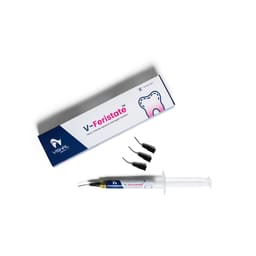
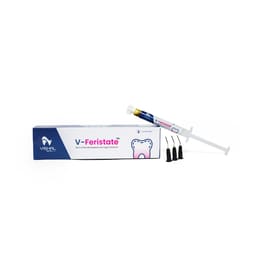
The everyday gels and liquids come from Waldent, Prevest, Medicept, Prime Dental, DPI, SafeEndo, Rubydent, and Vishal Dentocare, across aluminium-chloride and aluminium-sulfate chemistries at value prices.
Why buy from Dentalkart
A crown is only as good as the impression it was made from, and an impression is only as good as the field was dry — so the small tube of astringent that keeps the margin clean does more work than its price suggests. With both chemistries and every form stocked — gel, liquid, and cordless paste — a clinic can keep a gentle clear gel for the anterior, a ferric-sulfate for a heavy bleeder, and a cord-soaking liquid to hand, reaching for the right one by the case in front of it.
Frequently Asked Questions (FAQs):
What is a dental hemostatic solution used for?
It does two linked jobs at a subgingival margin: it retracts the gum away from the tooth to expose the finish line, and it stops the tiny bleeding and weeping that starts the moment the tissue is touched. A dry, open sulcus is what lets an impression or a restoration record and seal the margin cleanly, so the agent goes in before either.
Should I use aluminium chloride or ferric sulfate?
Match it to the bleed. Aluminium chloride, at about 25%, handles routine retraction and is gentle enough for everyday use and the aesthetic zone. Ferric sulfate clots harder and faster on a stubborn bleeder, but it is more acidic and can leave a temporary dark stain, so it is kept for the heavier cases and rinsed off well afterwards.
Does ferric sulfate stain the tissue?
It can, temporarily. Ferric sulfate reacts with blood to form a dark coagulum on the gum surface, which is why it is rinsed thoroughly after use and generally avoided on visible anterior tissue, where a clear aluminium-chloride gel does the job without the tint. The stain is superficial and clears, but it is worth avoiding under a translucent margin.
Can I use a hemostatic agent right before bonding?
Only if you clear it first. Astringent residue — ferric sulfate especially — left on prepared enamel or dentine interferes with the adhesive and weakens the bond. Rinse the surface well and re-etch if needed before applying the bonding agent, so the field is dry from the agent's effect but clean of the agent itself.
Gel, liquid, or paste — which form should I pick?
By how you work. A gel syringes straight into the sulcus and stays put; a thin liquid soaks a retraction cord or infuses through a fine tip where a gel is too thick; and a cordless retraction paste both retracts and dries in one step for clinicians who would rather skip packing cord. Most clinics settle on a gel for routine work and add a liquid or a paste for the cases that need them.