





Adams Plier
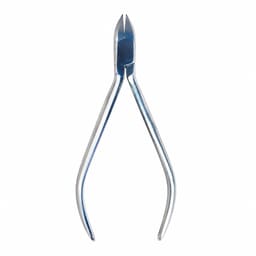
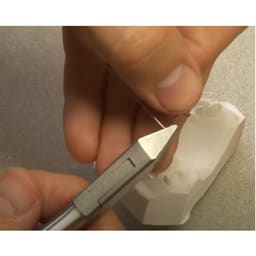
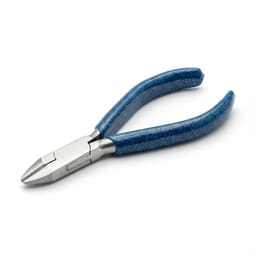
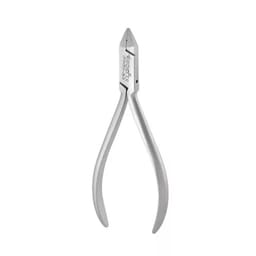
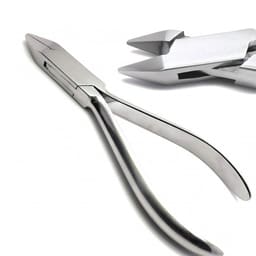
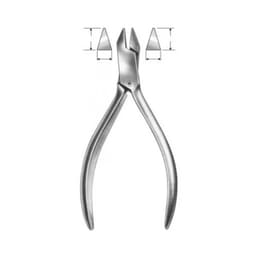
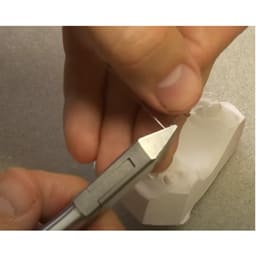
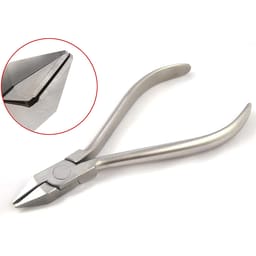
An Adams plier is a fine orthodontic plier with short, flat, square tips, used to bend the Adams clasp that retains a removable appliance. The square beaks form the sharp right-angle bends and the arrowheads that lock into a molar's undercut. Stocked in stainless steel from GDC, Waldent, OSL, and Koden, some with hard-wearing tungsten-carbide (TC) tips for stainless wire.
 Recommended
 Price- High to LowPrice- Low to High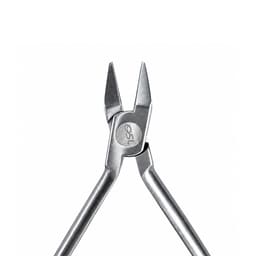
Only 5 Left
 40
40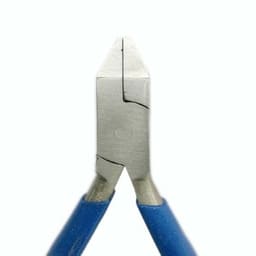
 5
5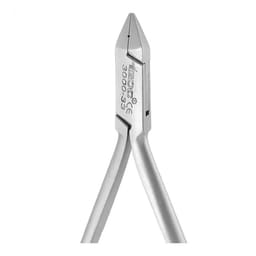
 21
21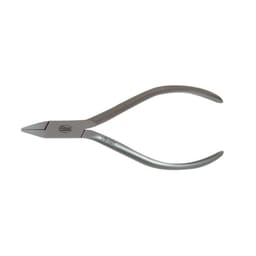
Only 1 Left
48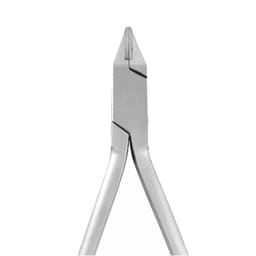
 59
59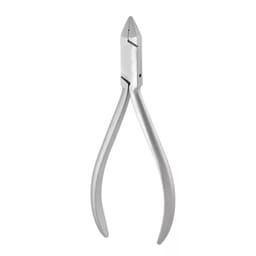 9
9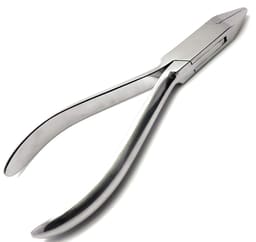 35
35Adams Plier
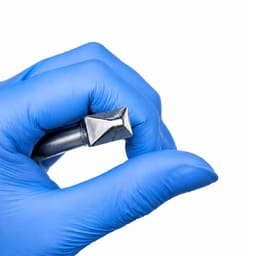
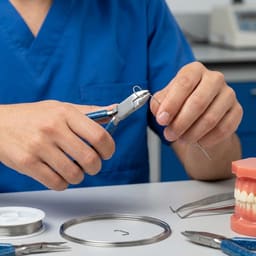
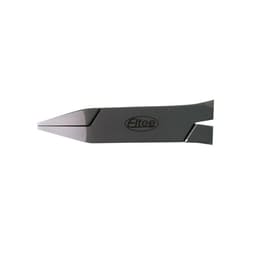
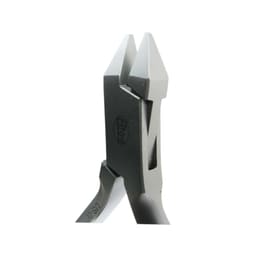
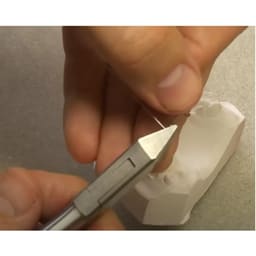
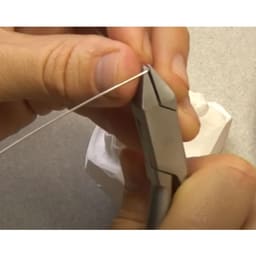
The Adams plier is defined by its tips: two short, flat, square beaks that meet edge to edge. That square profile is what lets it fold spring-hard stainless wire into the crisp right angles and arrowheads of an Adams clasp — the retentive clasp on most removable appliances and retainers. A rounded plier cannot hold the wire at the sharp angle the clasp needs. On a lab bench it usually sits with the other appliance-forming tools in the orthodontic instruments tray.
The Adams clasp it forms
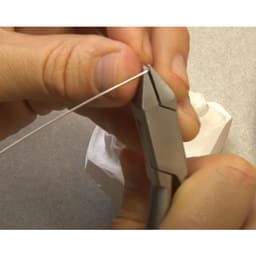
The plier exists for one signature job — the Adams (modified arrowhead) clasp:
- Arrowheads — two small V-shaped bends that engage the mesial and distal undercuts of a molar to grip it.
- Bridge — the span of wire crossing the occlusal embrasure between the two arrowheads.
- Retentive arms — the wire returning into the acrylic baseplate to anchor the clasp.
The square tips let each of these be bent precisely and re-adjusted when the clasp loosens. The wire itself is drawn from spooled laboratory wires, usually 0.7 mm stainless.
Square tips vs a round-tipped plier
The Adams plier and a general wire plier are not interchangeable:
- Square, flat beaks — grip flat wire faces for a sharp, defined bend; the Adams plier's whole purpose.
- Fine tip width — reaches the small arrowhead bends without over-bending the surrounding wire.
- Two flat surfaces — hold the wire square so the arrowhead sits true against the tooth.
A universal plier places round arch wire in a fixed appliance; the Adams plier forms angular clasps in a removable one. A lab doing removable work needs the Adams; a chairside fixed setup needs the universal.
Build and TC-tip option
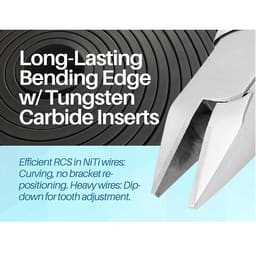
An Adams plier is bought to last, so tip material and joint decide its life. The stocked pliers are surgical-grade stainless with a box joint; GDC also offers a tungsten-carbide (TC) tipped version whose harder inserts resist wear when forming spring-hard stainless clasp wire day after day. A plain stainless tip is fine for lighter or occasional use, while the TC tip holds its edge longer in a busy lab. Because the tips do the fine work, a bent or chipped beak — not joint wear — is usually what retires an Adams plier, so protecting the tips in storage matters most.
Buy Adams pliers at Dentalkart
Dentalkart stocks genuine Adams pliers from GDC, Waldent, OSL, GI Dental, Koden, and Eltee, including the tungsten-carbide-tipped version, all part of a full orthodontic instrument range you can order alongside clasp wire and the rest of a lab tray in one place. Every plier is a sourced, authentic branded instrument, delivered across India so a clinic or lab can restock a worn tip without a supplier visit.
Frequently Asked Questions (FAQs):
What is an Adams plier used for?
An Adams plier forms and adjusts the Adams clasp — the arrowhead clasp that retains a removable appliance or retainer. Its short, flat, square tips bend spring-hard stainless wire into the sharp arrowheads and right angles the clasp needs. It is a lab and chairside plier for removable-appliance wirework, not for placing fixed arch wire.
Why does an Adams plier have square tips?
The square, flat beaks grip the wire on two flat faces, so a bend is sharp and stays where it is put. A rounded tip would let the wire slip and round off the arrowhead angle. The flat square profile is exactly what an Adams clasp's crisp right-angle bends demand, which is why the plier is shaped this way.
How is an Adams plier different from a Weingart or universal plier?
They work on different appliances. A universal (Weingart) plier grips and places round arch wire in a fixed appliance; an Adams plier folds flat, angular clasps into removable-appliance wire. The universal has rounded holding tips; the Adams has square forming tips. A lab doing retainers needs the Adams, a fixed-brace chairside needs the universal.
Is the tungsten-carbide (TC) tip worth it?
The TC-tipped Adams plier costs more but its harder tip inserts resist wear when bending spring-hard stainless clasp wire repeatedly. For a lab forming clasps daily, the TC version holds its edge and stays accurate far longer. For lighter or occasional removable work, a plain stainless-tipped plier is enough and more economical.
What wire does an Adams clasp use?
An Adams clasp is usually bent from 0.7 mm hard stainless steel orthodontic wire, which is springy enough to grip and hold its shape. Thinner wire is used for children's appliances. The wire is drawn from spooled laboratory wire and shaped entirely with the Adams plier's square tips against the working model.