





Debanding
4.7
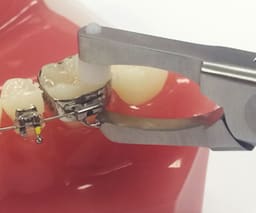
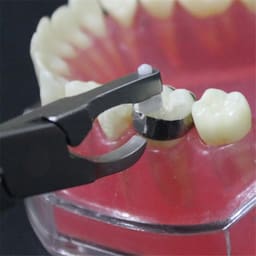
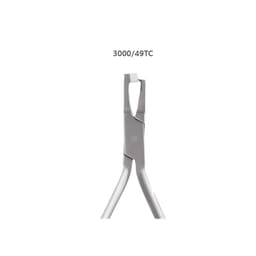
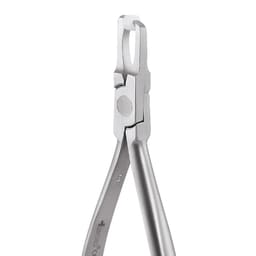
Debanding pliers take a fixed appliance off at the end of treatment, lifting cemented molar bands and bonded brackets away from the enamel with a controlled squeeze. A shaped blade or pad tucks under the band edge so it peels off cleanly. Posterior and anterior removers are stocked in plain-steel and tungsten-carbide-tipped forms, with brands including Waldent, GDC, and Koden.
Sort by - Recommended
 Recommended
 Price- High to LowPrice- Low to High


★ 5.0
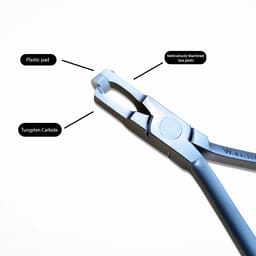
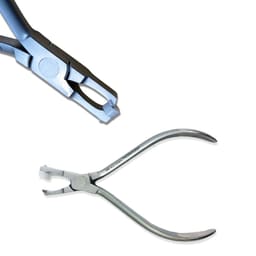
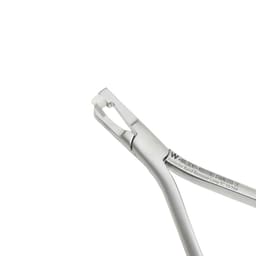
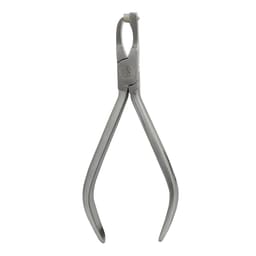
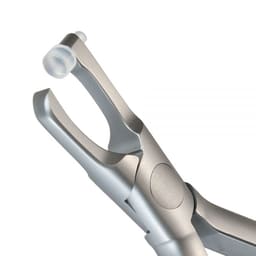
(1)Posterior band remover short with tungsten carbide tipped jaws and plastic pad for removal of seated orthodontic bands
₹ 1465₹ 3200
54.22% Off
 70
70View Similar Products

★ 4.0
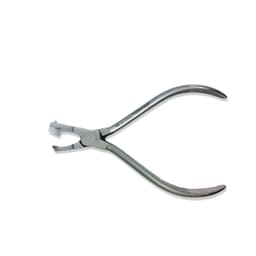
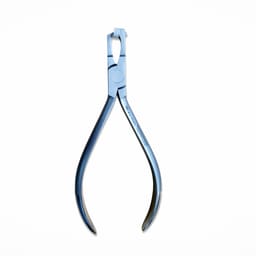
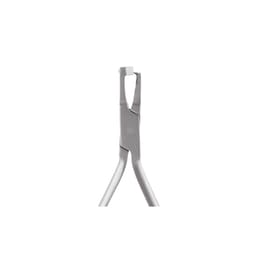
(1)Long-reach orthodontic plier for controlled removal of cemented posterior bands using a carbide blade and occlusal support pad
₹ 1465₹ 3200
54.22% Off
70View Similar Products
Only 4 Left
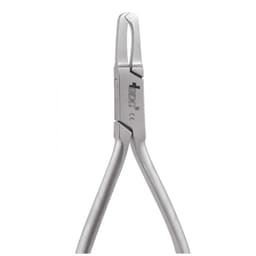
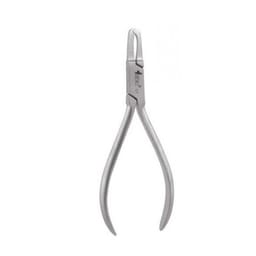
An efficient instrument for easy and safe removal of posterior bands in dental procedures.
₹ 2935₹ 4900
40.10% Off
59View Similar Products
Only 5 Left
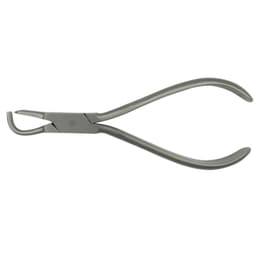
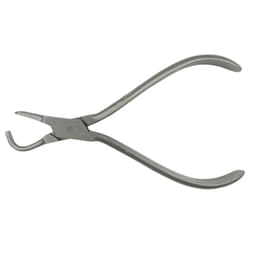
Anterior Band Remover Plier used for removing anterior bands.
₹ 1975₹ 3465
43.00% Off
40View Similar Products
Only 1 Left
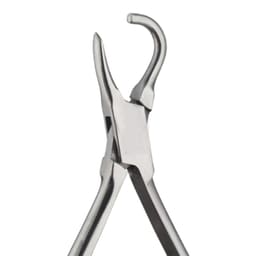
Durable band remover with nylon-tipped beak for precise posterior band removal, heat sterilizable
₹ 999₹ 1250
20.08% Off
10View Similar Products
Only 2 Left
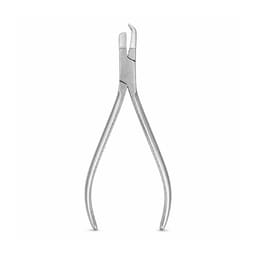
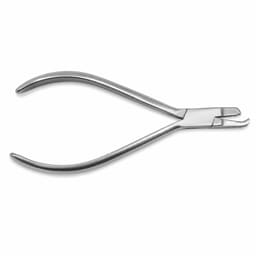
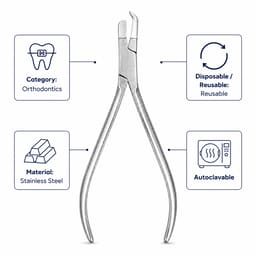
High-quality instrument for the effective and gentle removal of anterior orthodontic bands and bonding materials
₹ 884₹ 950
6.95% Off
9View Similar Products


Only 5 Left
Specialized plier with padded tip for safe, comfortable, and efficient removal of posterior orthodontic bands
₹ 2000₹ 4500
55.56% Off
40View Similar Products

Only 5 Left
★ 5.0
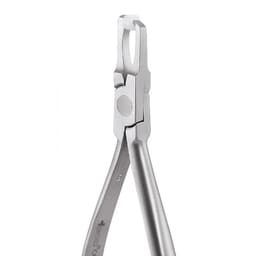
(1)An efficient instrument for easy and safe removal of posterior bands in dental procedures.
₹ 1975₹ 3300
40.15% Off
40View Similar Products
Filters
Sort By
RecommendedDebanding
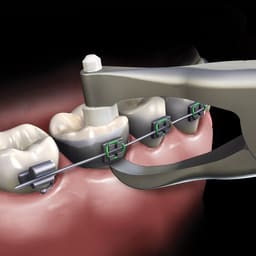
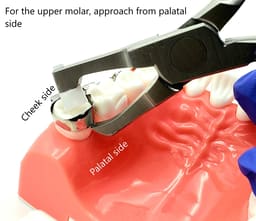
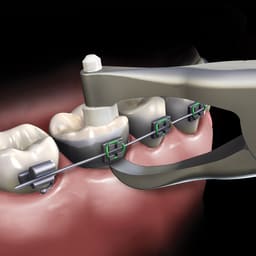
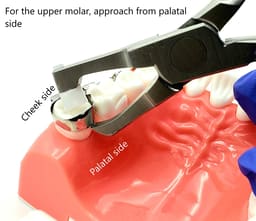
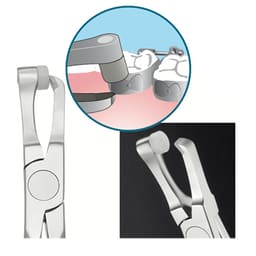
When a course of braces finishes, every band and bracket has to come off, and doing that by hand risks chipping enamel or hurting the patient. Debanding pliers make the removal deliberate: one beak carries a shaped tip that engages the band margin or sits against the bracket, the other rests on the occlusal surface, and a squeeze levers the attachment free in one movement. The design keeps the force on the metal, not the tooth. This is the closing step of the appliance the banding instruments first fitted.
Posterior and anterior removers
The pliers split by where on the arch they work:
- Posterior band remover — a longer-reach plier with a tip that hooks the gingival edge of a molar band and lifts it off the cusp.
- Anterior band remover — a shorter, finer plier for the front teeth, where access is easy but visibility and delicacy matter.
- Contouring plier (canine) — an angled plier that also adapts to the canine region between the two zones.
Molar bands are the toughest to shift, so the posterior remover carries the most leverage; the anterior version trades reach for a gentler, more visible action up front.
Reach and tungsten-carbide tips
Two features decide how cleanly a remover works and how long it lasts:
- Short or long reach — a short plier for accessible teeth and tight mouths, a long one to reach a last molar without stretching the cheek.
- Tungsten-carbide tips — a TC insert on the working tip shrugs off the wear of prising hard bands loose, keeping its edge across many more removals than an all-steel tip.
- A replaceable or capped pad — the occlusal rest is often shaped or padded to spread the reaction force and protect the opposing cusp.
A plain-steel remover is fine for occasional use, but a practice debonding cases every week gets more life from the TC-tipped versions. At debond they undo the molar bands that spent the treatment anchoring the appliance.
Taking the appliance off
Debanding runs through the arch, band by band and bracket by bracket:
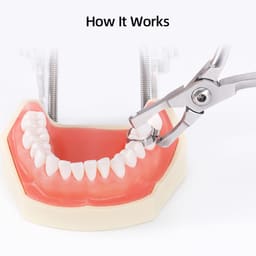
- Engage — seat the shaped tip under the gingival margin of the band, or against the bracket base, with the other beak on the occlusal surface.
- Lever — close the plier so the tip peels the band or bracket away from the enamel in a single controlled motion.
- Clear up — remove any residual cement and adhesive from the tooth, then polish the surface smooth.
Working through methodically keeps each removal quick and atraumatic. A debond appointment lays out these removers next to the polishing and finishing orthodontic instruments that follow.
Buy debanding pliers at Dentalkart
The band removers here run from GDC's short and long posterior pliers to Waldent, Koden, OSL, and API patterns, in plain and TC-tipped forms, covering the molar end and the front-tooth end of a debond alike. Every one is genuine branded stock, with reach, tip type, and availability set out on the individual product listings.
Frequently Asked Questions (FAQs):
What job does a debanding plier do?
It removes cemented bands and bonded brackets at the end of treatment. A shaped tip engages the band margin or the bracket base while the other beak rests on the biting surface, and a squeeze levers the attachment off the enamel in one controlled move. Directing the force onto the metal, not the tooth, is what keeps removal quick and comfortable.
Why are posterior and anterior removers shaped differently?
Molars sit far back and carry the toughest bands, so a posterior remover has longer reach and more leverage to lift them off the cusp. Front teeth are easy to reach but need a lighter, clearer action, so the anterior remover is shorter and finer. Matching the plier to the region makes each removal cleaner and safer.
Is a TC-tipped remover worth it for a busy practice?
Prising hard-cemented bands off gradually blunts a plain-steel tip. The tungsten-carbide insert on a TC remover holds its working edge across many more removals before it dulls, which pays back for a clinic finishing several cases a week. A practice that only occasionally debonds can spend less on a standard steel tip and get the same result.
How is enamel protected during debanding?
The plier is built to lever against the band or bracket, not the tooth, and the occlusal beak often carries a shaped or padded rest that spreads the reaction force onto the cusp safely. Used correctly, the tip peels the attachment cleanly, after which residual cement is removed and the enamel is polished back to a smooth finish.
Does one remover cover a whole debond?
Rarely — most debonds want at least a posterior remover for the molar bands and an anterior one for the front teeth, since the two regions need different reach and delicacy. A canine or contouring plier can bridge the middle. Equipping both ends of the arch makes the appointment faster than forcing one plier to do everything.