





Light Wire & Bird Beak Plier
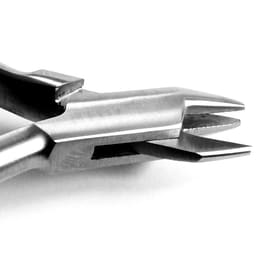
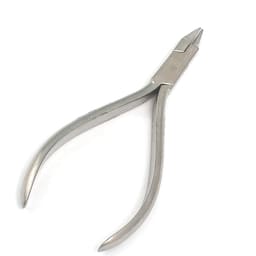
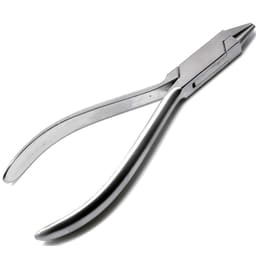
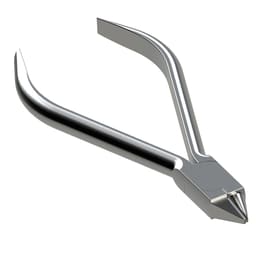
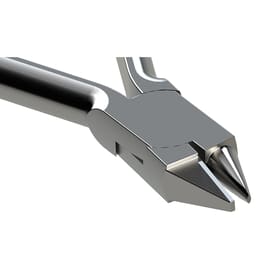
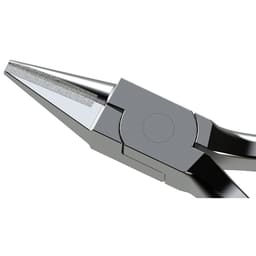
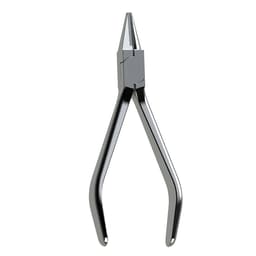
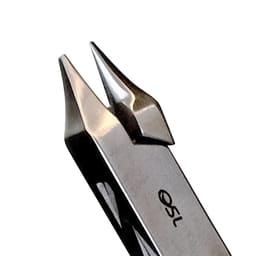
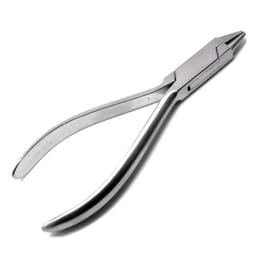
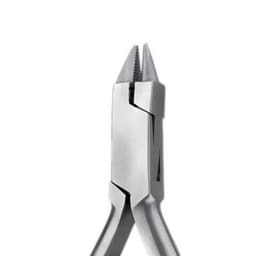
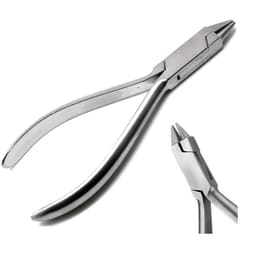
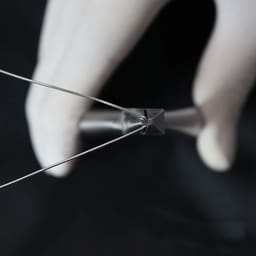
A bird beak plier, from GDC and OSL, is an orthodontic bending plier pairing a cone-shaped round tip with a three-sided pyramid tip to form loops, curves, and sharp bends in light wire. The round tip shapes a curve's radius while the pyramid tip sets a crisp angle. Short and long patterns, plain or tungsten-carbide, cover chairside and lab bending.
 Recommended
 Price- High to LowPrice- Low to High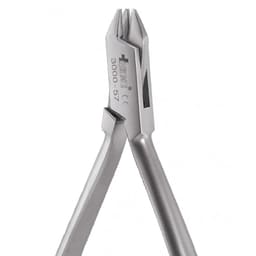

Only 5 Left
 40
40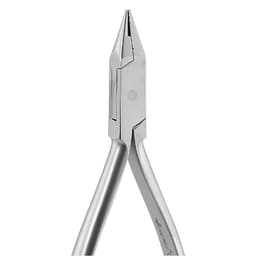
Only 2 Left
40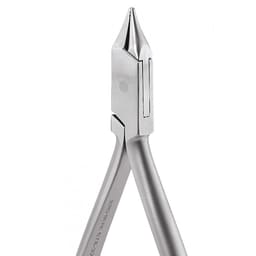
Only 2 Left
40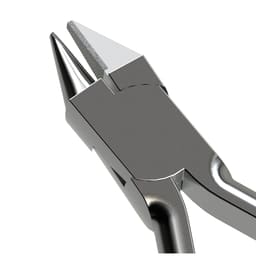
Only 5 Left
59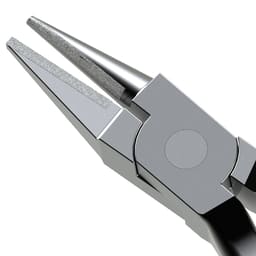
Only 4 Left
59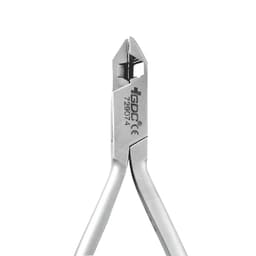
Only 2 Left
59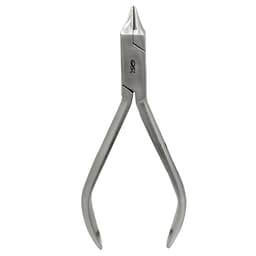
 40
40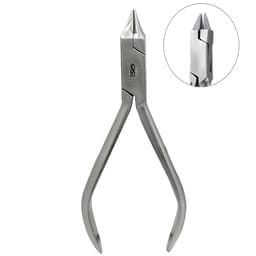
Only 5 Left
40Light Wire / Bird Beak Plier
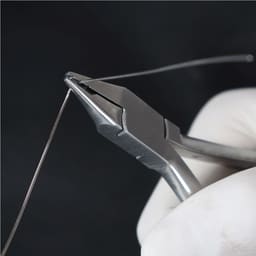
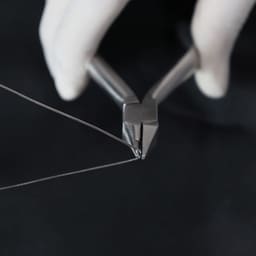
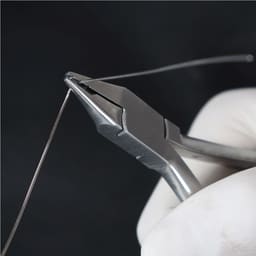
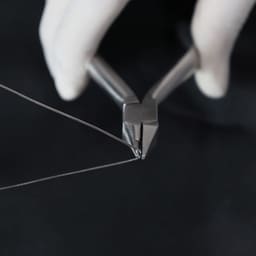
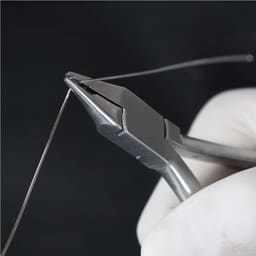
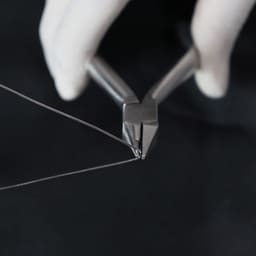
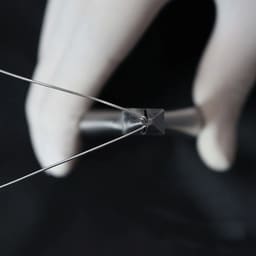
Bending a loop or a helix into a fine arch wire needs a plier whose two beaks are shaped differently, and that is exactly what a bird beak gives: one beak is a smooth cone and the other a three-sided pyramid. Wrapping wire around the cone produces a rounded curve of a set radius; pressing it against the flat pyramid face makes a sharp, defined bend. Working the wire between the two, an operator can form the loops and curves a light-wire technique calls for. It is the shaping plier in the bending group of orthodontic instruments, as opposed to a holding or cutting tool.
What the two beaks do
The whole point of the plier is the mismatched pair of beaks:
- Round (cone) beak — wire bent around it takes a curve; moving the wire up or down the taper changes the radius of that curve.
- Pyramid (square) beak — its flat faces and edges press a sharp, angular bend or a tight corner into the wire.
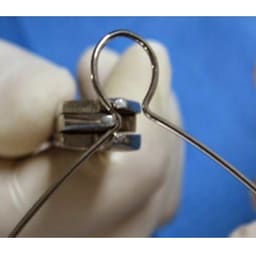
- Working together — rolling the wire between the round and flat beaks builds a loop: curved where it wraps the cone, angled where it meets the pyramid.
That combination is why one plier can shape a whole loop rather than only a single bend. The wire being formed is the light stainless laboratory wires and fine arch wire an operator bends by hand.
Forming loops and bends
A bird beak is used wherever light wire has to be shaped:
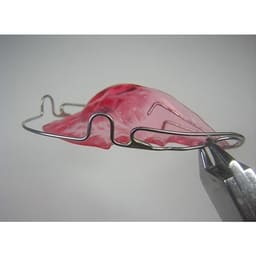
- Vertical and helical loops — opening and closing loops bent into the arch wire to move or hold teeth.
- Curves and offsets — gentle bends that adapt a wire to the arch form or step it around a tooth.
- Stops and hooks — small tight bends that create a stop or a hook on the wire.
Because the shapes are set by hand, the plier's fine, well-matched beaks decide how clean the loop turns out. Seating and adjusting the finished arch wire, rather than bending it, is instead the work of a universal plier.
Short, long, TC, and cutter options
The range varies by reach, edge, and extra function:
- Short beak — a compact head for controlled chairside bends in the mouth.
- Long beak — extra reach for lab bending and larger loops on the bench.
- Tungsten-carbide — TC-faced beaks resist the wear that hand-bending grinds into a plain-steel tip, holding their shape longer.
- Three-beak / with cutter — a pattern that adds a cutting section so a loop can be bent and the wire trimmed with one instrument.
A clinic bending light wire at the chair leans on a short plain or TC bird beak; a lab forming heavier loops takes a long or heavy-duty one. The combined bend-and-cut pattern appeals where fewer instrument changes matter.
Buy light wire and bird beak pliers at Dentalkart
The bird beak and light wire pliers here span GDC's short, long, and TC bird beaks and the three-beak-with-cutter, alongside OSL's plain, serrated, heavy-duty, and light-wire patterns. An operator can match beak reach and edge to whether the bending is done chairside or on the bench. Each listing gives the exact beak pattern and a live stock status before you order.
Frequently Asked Questions (FAQs):
Why does a bird beak plier have two different-shaped beaks?
Because forming a loop needs both a curve and a sharp bend. The cone-shaped round beak makes the rounded part of a loop, and the pyramid beak presses the angular part; working the wire between them shapes a full loop. A plier with two matching beaks could not produce both the curve and the corner in one tool.
What can you make with the round versus the pyramid beak?
The round beak sets curves — wrapping wire around it gives a rounded bend whose radius depends on where along the cone you bend. The pyramid beak makes sharp, defined angles and tight corners. Between them they produce vertical and helical loops, offsets, stops, and hooks in light arch wire.
Short or long bird beak — which reach fits the work?
A short beak gives close control for bends made chairside inside the mouth; a long beak reaches further and suits lab bending or larger loops on the bench. Many practices keep both, but if buying one, match it to where most of your wire-bending happens — at the chair or at the workbench.
Are tungsten-carbide beaks worth it on a bending plier?
Hand-bending stainless wire slowly wears a plain-steel beak, rounding the pyramid edges that make a crisp bend. Tungsten-carbide faces resist that wear and hold their defined shape far longer, so loops stay clean. For an operator who bends wire regularly, TC beaks are the more durable choice; occasional bending manages on plain steel.
What is the three-beak plier with a cutter for?
It combines bird-beak bending with a cutting section, so an operator can form a loop and trim the wire without swapping instruments. It fits an operator moving through a bend-and-cut sequence at speed. If you prefer a dedicated cutter for a cleaner cut, a standard bird beak plus a separate wire cutter also works.