





Loop Forming
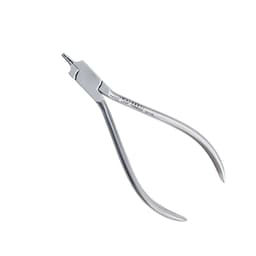
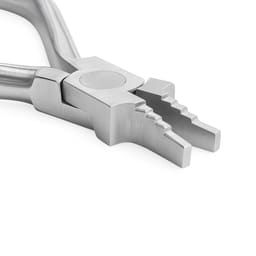
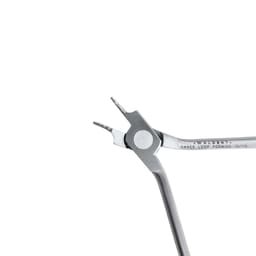
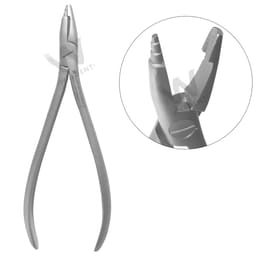
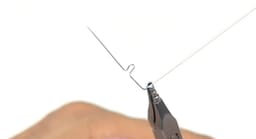
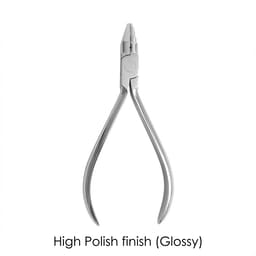
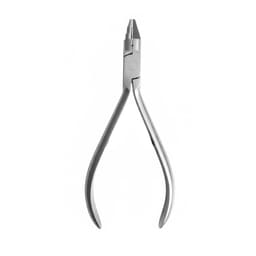
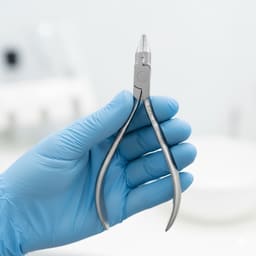
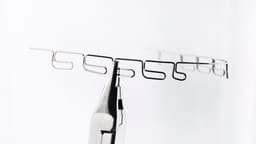
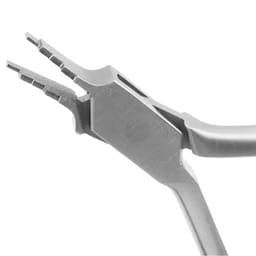
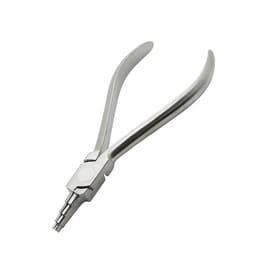
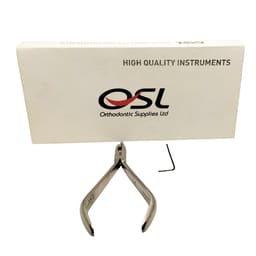
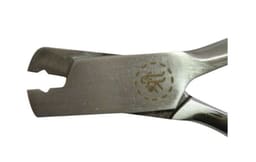
A loop forming plier is an orthodontic instrument that bends a defined, repeatable loop into arch wire in a single movement. Its graduated or stepped beaks set each loop's size, so the same shape forms every time. Named patterns make specific loops — the Nance for several sizes, plus Tweed, Omega, and Facebow — used for space closure, retraction, and archwire adjustment.
 Recommended
 Price- High to LowPrice- Low to High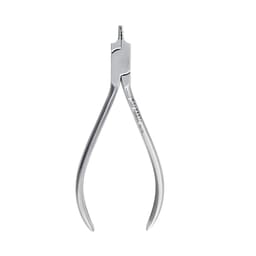

 40
40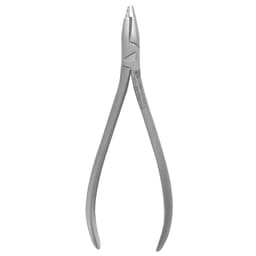
 35
35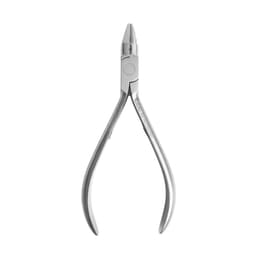

 21
21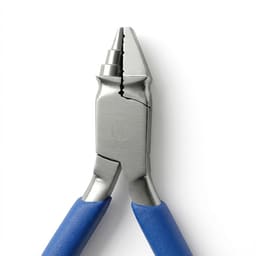
 5
5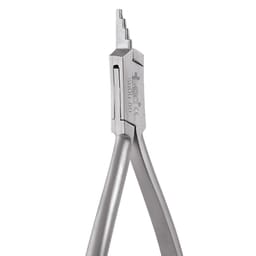

Only 4 Left
40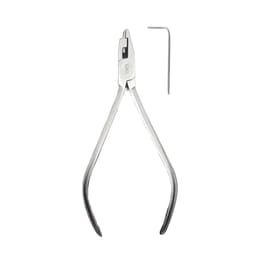
Only 5 Left
40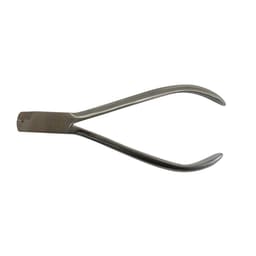
Only 2 Left
20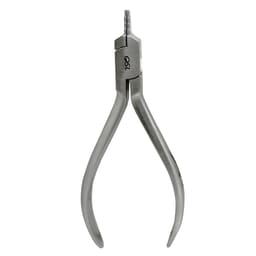


Only 5 Left
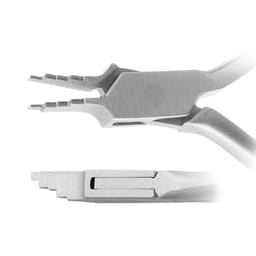
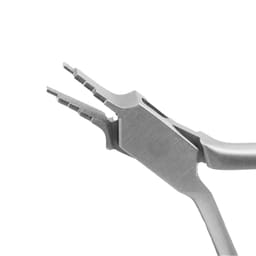
40Loop Forming Plier
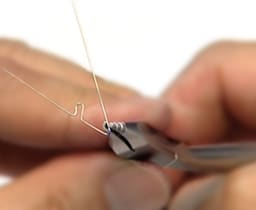
A loop bent into an arch wire — to close a space, retract teeth, or add flexibility — works best when it is the right size and the same every time it is made. A loop forming plier is built for exactly that: its beaks are graduated or stepped so wrapping the wire around them produces a loop of a set dimension, rather than a shape judged by eye. Where a freehand plier leaves the size to the operator's hand, a loop former fixes it in the tool. That repeatability is why these pliers carry named patterns, each tied to a particular loop. They sit among the wire-bending orthodontic instruments a fixed-appliance practice uses to shape arch wire.
The named loop patterns
Each pattern is designed around one kind of loop:
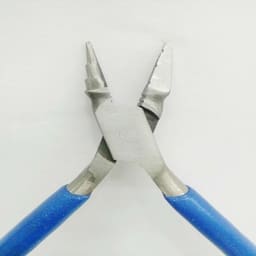
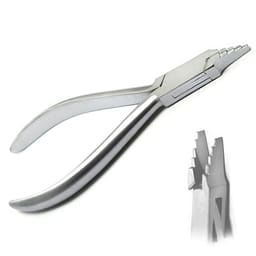
- Nance loop plier — graduated round beaks that form vertical and helical loops in a range of sizes from one plier.
- Tweed loop plier — shaped for the loops of the Tweed technique, giving consistent bends for that method.
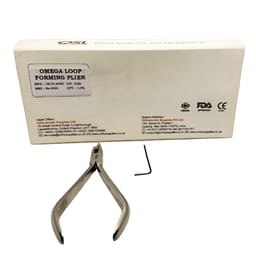
- Omega loop plier — forms the closed omega (Ω) loop used as a stop or an anchorage bend on the arch wire.
- Facebow loop plier — bends the loops and adjustments used on a facebow or headgear component.
Choosing among them follows the technique in use: a practice bending omega stops keeps the omega plier, while one working the Tweed method takes the Tweed. What gets looped is the arch and laboratory wires an operator shapes at the chair or bench.
A preset loop versus freehand bending
The value of a loop former is consistency:
- Set size — the graduated beak decides the loop dimension, so every loop matches without measuring.
- Speed — one wrap around the correct beak step forms the loop, saving the fiddling a freehand bend needs.
- Repeatability — a series of identical loops across an arch behaves predictably under load.
Curves, offsets, and one-off loops sized by hand fall to the freehand light wire bird beak plier; a loop former is for the same loop made again and again.
Graduated beaks and build
For a plier that forms a defined loop under repeated use, the beak and joint matter:
- Graduated or stepped beak — the machined steps or taper set the loop sizes; their accuracy decides how true the loop comes out.
- Matched, firm tips — beaks that meet cleanly grip the wire so it wraps without slipping off the step.
- A solid joint — a well-fitted pivot keeps the beaks aligned so the loop size stays constant over time.
A well-made loop former turns out the same loop for years; a worn or loose one drifts off size. Autoclaved along with the bending kit, it holds its accuracy through long service.
Buy loop forming pliers at Dentalkart
The loop forming pliers here cover the main patterns — Nance, Tweed, Omega, and Facebow — from Waldent, GDC, OSL, GI Dental, Shree, and Koden, alongside universal pliers. A practice can match the plier to its technique and the loop it forms most. The pliers are all branded and genuine, and each listing names its loop pattern next to a live stock indicator.
Frequently Asked Questions (FAQs):
What does a loop forming plier do?
It bends a defined loop into an arch wire in one movement, with the loop's size set by the plier's graduated beak rather than judged by eye. Orthodontists use these loops to close spaces, retract teeth, or add flexibility to a wire. Because the size is built into the tool, the same loop forms consistently every time.
What are the Nance, Tweed, Omega, and Facebow patterns?
Each is a loop former for a particular loop. The Nance has graduated round beaks that make vertical and helical loops in several sizes; the Tweed suits the loops of the Tweed technique; the Omega forms the closed omega stop loop; and the Facebow bends loops on a facebow or headgear part. You pick the pattern that fits the method you work in.
How is a loop former different from a bird beak plier?
A bird beak bends curves and loops freehand, with the size left to the operator's hand. A loop former has a graduated beak that fixes the loop size, so identical loops repeat without measuring. Practices keep a bird beak for one-off freehand bends and a loop former for consistent, technique-specific loops.
Why does loop size need to be consistent?
Loops on an arch wire deliver force, and a row of loops that vary in size pulls unevenly. A loop former makes each loop the same, so the arch behaves predictably and adjustments are repeatable at the next visit. Bending them by eye risks inconsistent size, which is why a dedicated former is used for this.
Which loop forming plier should a practice buy?
It depends on technique. A clinic placing omega stops needs the omega plier; one running the Tweed method takes the Tweed; a general practice often starts with a Nance, since its graduated beaks cover several loop sizes from one tool. Check each plier's pattern and availability on its listing to match your method.