



Measuring Instruments
Measuring instruments are dental gauges and calipers used to read a dimension exactly — tooth width, arch length, bracket height, wire thickness, ridge width, or the force on a wire. They quantify rather than alter, giving the numbers that guide accurate placement and fit. The category covers caliper tools, positioning and force gauges, precision rulers, and endo measuring rings.
 Recommended
 Price- High to LowPrice- Low to High
1432556.jpg?w=256)
111.jpg?w=256)
444.jpg?w=256)
 37
37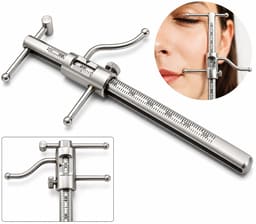
Only 4 Left
199
 105
105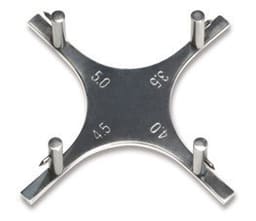
 15
15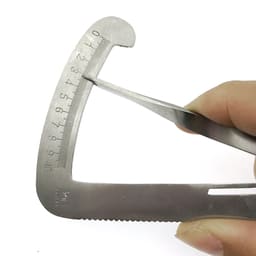
 10
10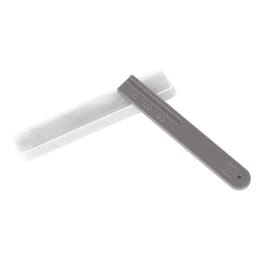
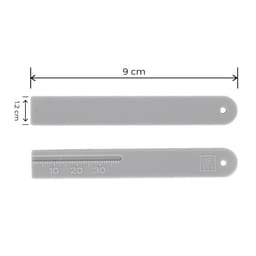
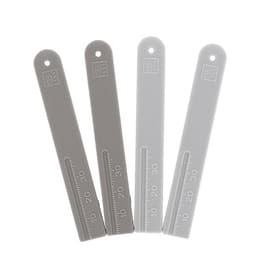
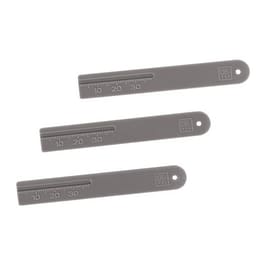 2
2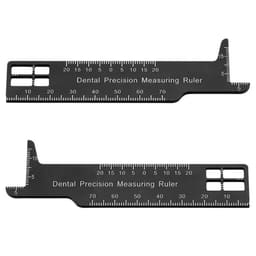
 15
15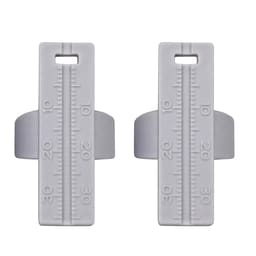
 10
10Measuring Instruments
Accuracy in dentistry rests on measurement — the width of a tooth before a bracket is bonded, the length of a wire, the height of a bracket on the crown, the thickness of a cast, the width of a ridge before an implant. Measuring instruments are the tools that read those dimensions so the work is placed and sized correctly. They do not bend, cut, or hold; they report a number the operator acts on. That single purpose sets them apart from the rest of a tray, and the category gathers the several gauge and caliper designs a practice needs into one place among the diagnostic orthodontic instruments.
Types of measuring instrument
The category covers distinct designs, each reading a particular dimension:
- Boley gauge / caliper — a sliding linear caliper for tooth width, space analysis, and arch-length measurement.
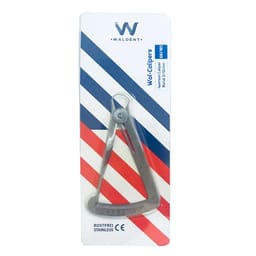
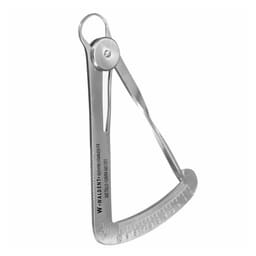
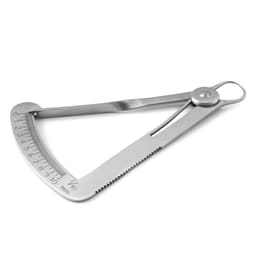
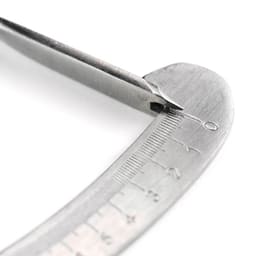
- Iwanson caliper — a sprung gauge that reads the thickness of wax, sheet metal, or wire.
- Castroviejo caliper — a fine, spring-loaded caliper for small, precise linear measurements in surgery and implantology.
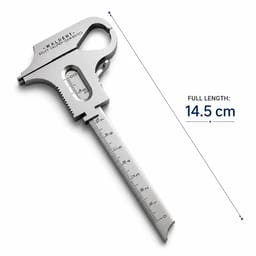
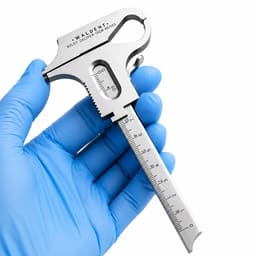
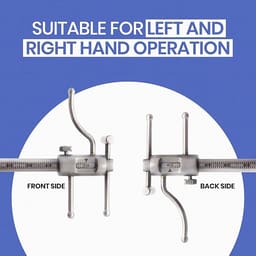
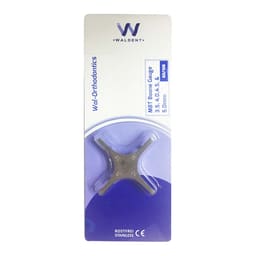
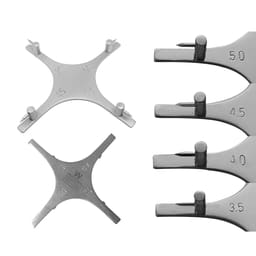
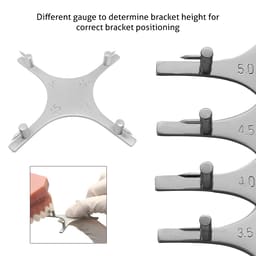
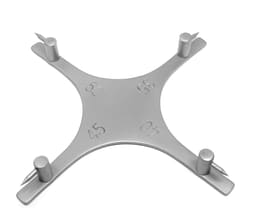
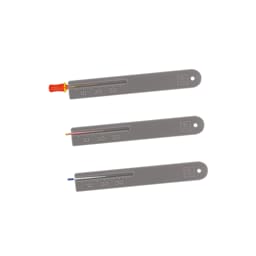
- Boone / MBT gauge — a slotted gauge that reads how high a bracket sits on the crown, the job of a dedicated bracket positioning gauge.
- Dontrix gauge — a force gauge that reads the load a wire or spring applies, in grams.
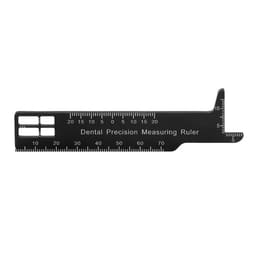
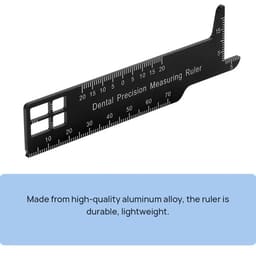
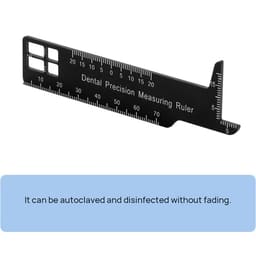
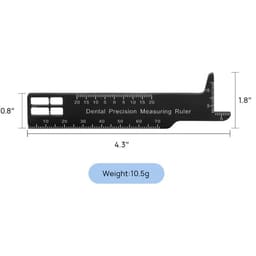
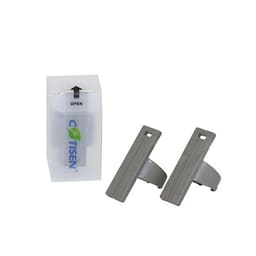
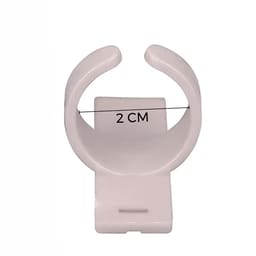
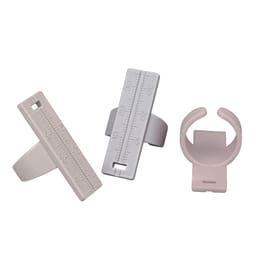
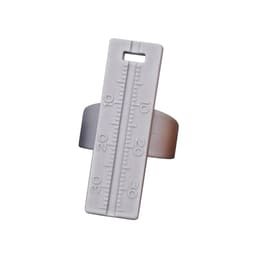
- Ruler, scale, and endo ring — precision rulers and rings for measuring and setting file working length.
Which tools a clinic keeps depends on the work — orthodontic, prosthodontic, or implant — but most benefit from a linear caliper plus the specialist gauges their cases need.
What they measure
Each instrument answers a specific measuring question:
- Linear distance — tooth width, space, and arch length with a Boley or Castroviejo caliper.
- Thickness — wax, sheet, or wire gauge with an Iwanson caliper, useful across the lab and the arch and laboratory wires a technician handles.
- Height and position — where a bracket sits on the crown, read with a Boone gauge during bonding.
- Force — the grams of force in a wire or spring with a Dontrix gauge.
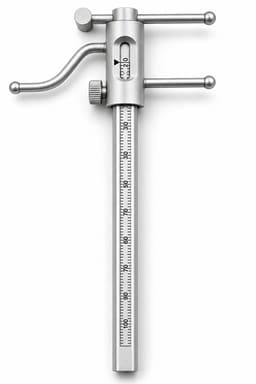
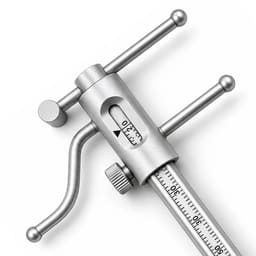
- Ridge width — buccolingual ridge dimension with a ridge-mapping caliper before implant planning.
Reading the right dimension with the right tool is what keeps placement, sizing, and force within plan.
Reading and precision
For a tool whose whole value is an accurate number, a few things matter:
- A clear, fine scale — legible graduations, digital or LED-lit on some models, so the reading is unambiguous.
- A smooth, true action — a sliding or sprung mechanism that moves without play, so the jaws report the real dimension.
- Corrosion-resistant steel — a stable measuring surface that keeps its calibration through cleaning and autoclaving.
A precise gauge returns the identical figure on every reading; a loose or worn one quietly misleads. Kept clean and handled with care, a quality caliper or gauge holds its calibration for years.
Buy measuring instruments at Dentalkart
What a practice buys here follows the readings it takes — linear tooth and space dimensions, cast or wire thickness, bracket height, wire force, or ridge width — and there is a gauge for each, spanning brands such as GDC, Waldent, OSL, Cotisen, Dentomech, MCTBIO, Oracraft, and Julldent. Measuring ranges and current stock are set out product by product, so it pays to check the individual page before you order.
Frequently Asked Questions (FAQs):
What are dental measuring instruments used for?
They read a dimension precisely — tooth width, arch length, bracket height, wire or wax thickness, ridge width, or the force on a wire — so treatment is placed and sized to plan. Unlike pliers or cutters, they alter nothing; they give a number the operator works from. Orthodontic, prosthodontic, and implant procedures all rely on them.
Boley gauge or Iwanson caliper — which measures what?
A Boley gauge is a sliding linear caliper for measuring distance — tooth width, space, and arch length. An Iwanson caliper is a sprung gauge that reads thickness, such as wax, sheet metal, or wire. One measures how far apart two points are; the other measures how thick something is, so most labs and clinics keep both.
What does a Dontrix gauge measure?
A Dontrix gauge reads force, not distance. It shows in grams how much load a wire, spring, or elastic is applying, letting an orthodontist deliver a controlled force rather than guessing. It is the measuring tool for calibrating force during adjustments, where the calipers in this category handle length and thickness instead.
Which caliper suits implant and surgical work?
A Castroviejo caliper, with its fine spring-loaded tips and precise scale, suits small linear measurements in surgery and implantology, while a ridge-mapping caliper reads buccolingual ridge width before implant placement. General tooth and space measurement is better served by a Boley gauge. Pick the caliper by how fine the measurement is and where it is taken.
Are digital or LED measuring gauges worth it?
For readings taken quickly in a busy clinic, a clear digital or LED-lit scale removes the guesswork of reading fine graduations and can speed the work. The measuring principle is the same as an analogue tool; the benefit is legibility and speed. A well-made analogue caliper remains perfectly accurate where budget is the priority.