





Wire forming
4.8
Wire forming pliers are the family used to bend and shape orthodontic and appliance wire — into loops, curves, clasps, and stops. The group covers freehand benders like the bird beak, named loop formers such as Nance, Tweed, and Omega, clasp-adjusting Adams pliers, and multi-prong shapers. Each makes a different kind of bend, spanning chairside and lab wire work.
Sort by - Recommended
 Recommended
 Price- High to LowPrice- Low to High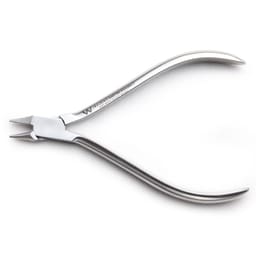

Bird beak plier with round and pyramid shaped short beaks
₹ 740₹ 1700
56.47% Off
 35
35View Similar Products
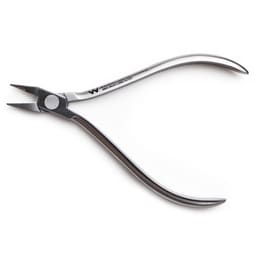
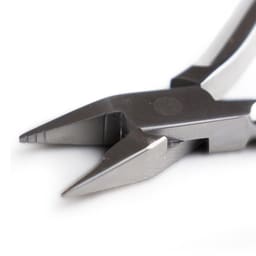
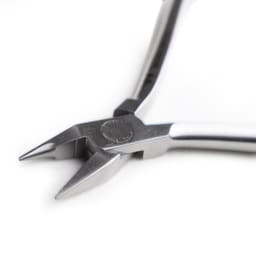
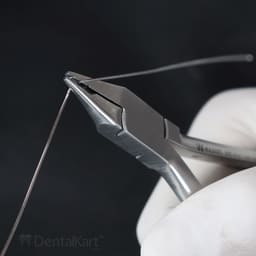
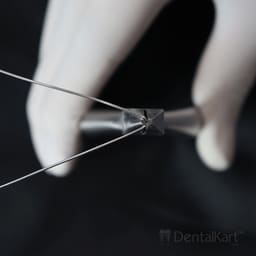
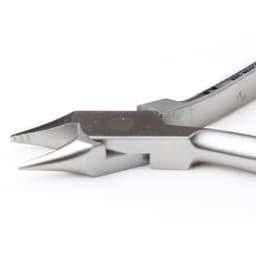
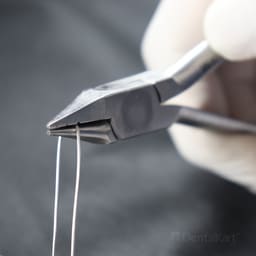
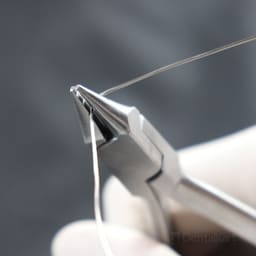
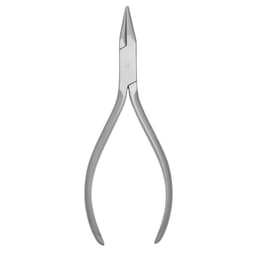
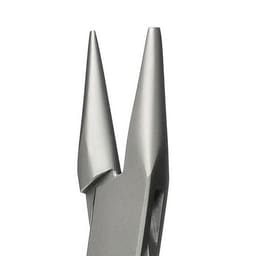
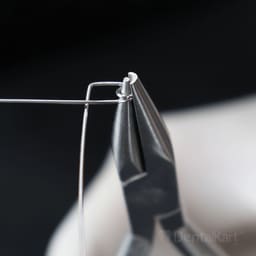
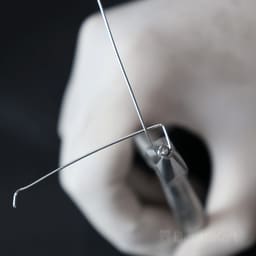
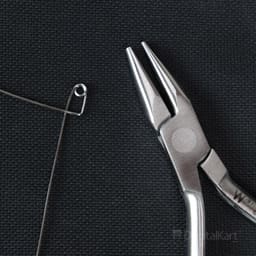
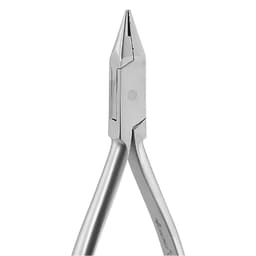
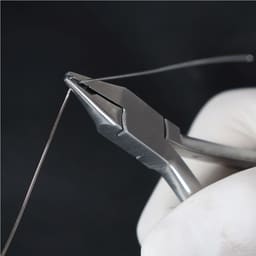
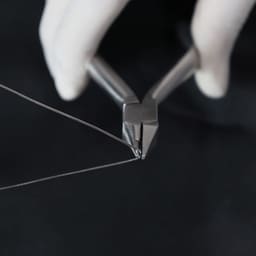
Light Wire Bird Beak Plier features round and pyramid-shaped tapered beaks, ideal for precise bending and forming of wires.
₹ 740₹ 1700
56.47% Off
35View Similar Products
Only 5 Left
★ 5.0
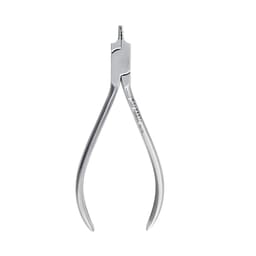
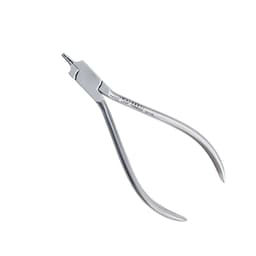
(1)Optical plier with round and concave beaks for contouring and bending of archwires
₹ 1010₹ 1700
40.59% Off
50View Similar Products
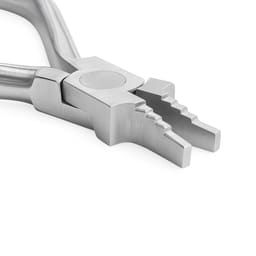
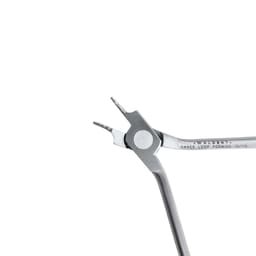

47.94% Off
40View Similar Products
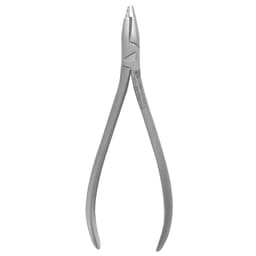
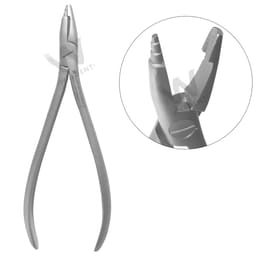
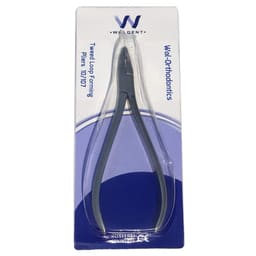
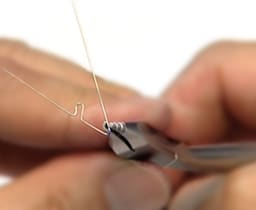
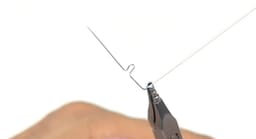
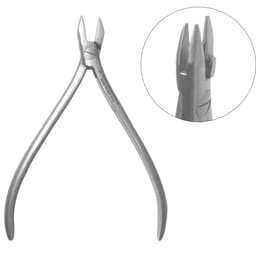
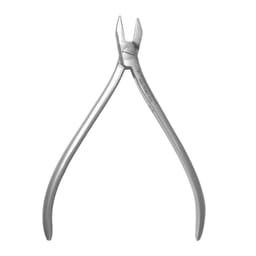
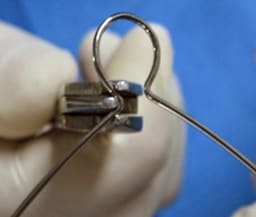
Tweed Loop Forming Plier with three sections in round beak to make uniform loops
₹ 740₹ 1700
56.47% Off
35View Similar Products


★ 5.0
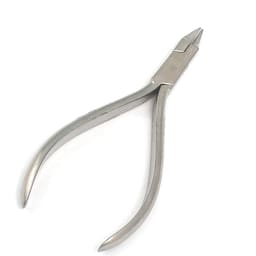
(1)Orthodontic pliers: Precision tools for wire adjustments, and durable stainless steel construction
₹ 850₹ 1700
50.00% Off
40View Similar Products

Only 3 Left
Precision bird beak pliers for accurate orthodontic wire adjustments.
₹ 995₹ 1100
9.55% Off
9View Similar Products
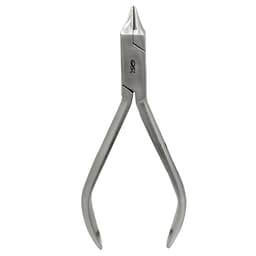
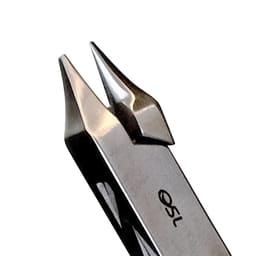
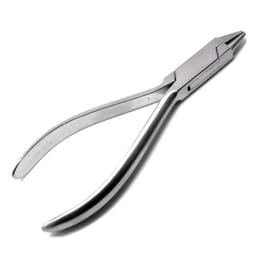
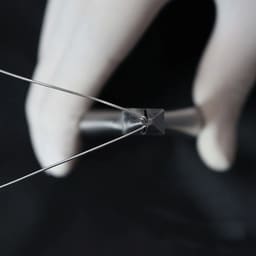
Precision plier for orthodontic wire bending, shaping, and loop formation with smooth beaks
₹ 2000₹ 4500
55.56% Off
40View Similar Products
Filters
Sort By
RecommendedWire Forming
Straight orthodontic wire only becomes useful once it is shaped — bent into a loop that closes a space, a curve that follows the arch, a clasp that grips a tooth, or a stop that holds a position. Wire forming is the category that gathers every plier made for that shaping. It is less one instrument than a family: some pliers bend freehand by feel, some produce a set loop by design, some adjust a clasp, and some grip the wire at several points to twist a precise bend. Bringing them together lets a clinic or lab see the whole range of shaping tools in one place. Within a practice's orthodontic instruments, they make up the shaping side — the counterpart to the cutting and holding tools.
The families of wire-forming plier
The category sorts into a few groups, each defined by how it shapes:
- Bird beak — a round-and-pyramid beak that bends curves and freehand loops by hand.
- Loop formers — Nance, Tweed, Omega, and Facebow pliers whose graduated beaks make a set, repeatable loop.
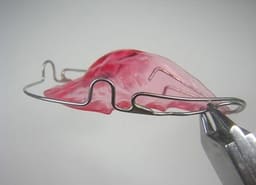
- Adams pliers — square-beak pliers for forming and adjusting the arrowhead clasps of removable appliances.
- Three-prong / three-beak — pliers that grip wire at three points to place a controlled bend, used on clasps and springs.
- Tweed O'Brien / optical — fine pliers for the small, precise bends of detailing and finishing.
Which of these a practice needs depends on the work — arch-wire loops, removable-appliance clasps, or fine detailing — but most labs and clinics carry several.
Freehand, preset, and clasp bends
The clearest way to place a plier in the family is by the bend it makes:
- Freehand shaping — the operator judges the size and curve by hand, the bird beak's domain.
- Preset loops — the plier's graduated beak fixes the loop size for repeatable results.
- Clasp and multi-prong work — a shaped or multi-point beak forms and adjusts a specific component such as a clasp.
The freehand member of the group, judging every curve by hand, is the light wire & bird beak plier.
Choosing across the family
Building a wire-forming set is a matter of matching pliers to the wire work done:
- Arch-wire shaping — a bird beak for freehand curves plus the loop formers for repeatable loops.
- Removable appliances — Adams and three-prong pliers for forming and adjusting clasps.
- Finishing and detailing — a fine optical or Tweed pattern for small, exact bends.
- Durability — tungsten-carbide beaks on the pliers used most, to hold their shape under repeated bending.
For the set, repeatable loops of a fixed size, the loop forming pliers cover that specific ground.
Buy wire forming pliers at Dentalkart
Fitting out for wire forming comes down to the shaping a bench actually does — a bird beak and loop formers for arch wire, Adams and three-prong pliers for clasps, a fine optical pattern for detailing — and putting tungsten-carbide on whichever plier bends the most. Makers here include GDC, Waldent, OSL, and Koden, and any tool's exact pattern and stock sit on its own listing.
Frequently Asked Questions (FAQs):
What counts as a wire forming plier?
Any plier made to bend or shape orthodontic and appliance wire falls in the category — bird beak, loop formers (Nance, Tweed, Omega, Facebow), Adams, three-prong, and fine optical or Tweed O'Brien pliers. What they share is a beak shaped to form wire into loops, curves, clasps, or stops, as opposed to cutting or holding it.
Which wire forming plier should a new clinic start with?
A bird beak covers freehand curves and loops and is the usual first buy, joined by a loop former if the practice bends repeatable loops. A lab making removable appliances adds Adams and three-prong pliers for clasps. Beyond that, a fine optical pattern helps with detailing. Building the set follows the wire work actually done.
Why are so many different pliers grouped under wire forming?
Because they all do one job — shaping wire — even though each makes a different bend. Freehand benders, preset loop formers, clasp pliers, and multi-prong shapers are gathered so a buyer can see the full range of forming tools in one place and pick across it. The individual patterns each carry their own page for the detail.
Do I need separate pliers for appliance clasps?
Usually, yes. Forming and adjusting the arrowhead clasps of removable appliances is the job of an Adams plier, and a three-prong plier helps place controlled bends on clasp and spring wire. Bird-beak and loop-forming pliers are aimed at arch-wire shaping, so a lab doing clasp work keeps the clasp-forming pliers alongside them.
Is tungsten-carbide worth the premium for shaping wire?
On the pliers used most, yes. Constant bending gradually blunts a plain-steel beak, and once its forming edges soften the bends lose their crispness. A carbide beak keeps that shape much longer, so loops and clasps stay true. Reserve carbide for the pliers a busy clinic reaches for daily; lighter shaping is fine on steel.