





Model Bases
Model bases, or base formers, are reusable molds a dental lab uses to shape the base of a poured cast. The set teeth portion of the model drops into the former, which forms a neat, uniform base beneath it. The result is a tidy model that sits flat, articulates with its opposing cast, and stores well.
 Recommended
 Price- High to LowPrice- Low to High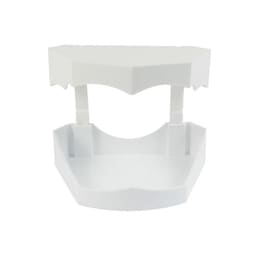

 4
4Model Bases
Pour a dental impression and you get the teeth and gums, but the underside is rough and uneven. A former fixes that. The poured cast is seated into the mold, more stone is added, and the former shapes a clean, flat, standardised underside. What comes out stands square on the bench.
A neat base is more than tidiness. It lets upper and lower casts meet correctly, sit stable for trimming, and stack for storage. These molds are a staple of the lab workflow behind study models.
Types of base former
Base formers vary by how the two arches relate:
- Articulated formers — matched maxillary and mandibular molds shaped so the poured casts meet in the correct bite. E.g. EITI Articulated Base Formers.
- Plain (single) formers — a simple mold for one arch, used when articulation is set separately.
- Reusable rubber/silicone — flexible molds the set model pops out of, used again and again.
- Sized by arch — separate upper and lower shapes so each looks anatomically correct.
Why a good base matters
A well-formed base pays off at several stages:
- Articulation — matched bases let the two casts close into the right relationship.
- Stability — a flat underside sits square for trimming and adjustment.
- Presentation — a clean, uniform finish looks professional to patients and in records.
- Storage — standard shapes stack and file neatly without wobbling.
How base formers are used
The routine is quick and repeatable:
- Pour the impression and let the model begin to set.
- Load the base former with stone or plaster.
- Seat the model into the former and let it fully set.
- Flex the reusable mold to release the finished, based model.
The stone or plaster is poured from an impression material impression, and the finished bases carry the same models used as typodonts and teaching casts.
Choosing a base former
Quick pointers:
- Articulated or plain — articulated for models that must relate to an opposing arch; plain for single casts.
- Reusable material — a flexible rubber or silicone former releases cleanly and lasts.
- Arch fit — separate maxillary and mandibular shapes give the most natural base.
Base formers work alongside the mounted practice models in the jaw sets range.
Frequently Asked Questions (FAQs):
What is a dental model base former?
A base former is a reusable mold, usually rubber or silicone, that shapes the base of a poured dental cast. The set model is seated into the former, more stone or plaster is added, and the mold forms a neat, flat, standardised base beneath the teeth. It turns a rough poured cast into a finished, presentable model.
Why does a dental model need a formed base?
A formed base makes the model usable. It sits flat and stable for trimming. It lets upper and lower casts meet in the correct bite. And it gives a clean, uniform look for records and patient presentation. Standardised bases also stack and store neatly, which matters in a busy lab or clinic.
What is an articulated base former?
An articulated base former is a matched pair of maxillary and mandibular molds. They are shaped so the two poured bases meet in the correct relationship. Instead of forming each base separately and aligning them by hand, the formers set the articulation as the casts are poured. That saves a step and keeps the bite accurate.
Are model base formers reusable?
Yes. Most base formers are flexible rubber or silicone, so the set model pops out cleanly and the mold is used again for the next cast. This makes them economical for a lab that pours models regularly. A single set of upper and lower formers can produce many finished models over its life.
How is a base former used?
Pour the impression and let the model start to set. Load the former with stone or plaster, seat the model into it, and let everything set fully. Then flex the reusable mold to release the finished model with its neat base. The process is quick, repeatable and gives a consistent base every time.