





Solder Wire
Solder wire is silver-based filler supplied on a reel, fed to a heated joint to bond the metal parts of a dental or orthodontic appliance. The NDW reel is cadmium-free, so heating it gives off no toxic fumes. The 10g reel lets the operator meter the exact amount of filler onto each joint. Used with flux, it joins bands, arch wires, and framework parts without distorting the base metal.
 Recommended
 Price- High to LowPrice- Low to High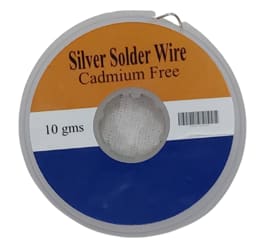

 10
10Solder wire
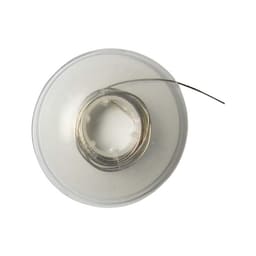
Solder wire is a reel of silver-based filler alloy used to bond metal appliance parts under heat. Because it comes as a continuous wire rather than a strip or paste, the amount fed to the joint is easy to control, which keeps the finished bond neat. For the joining technique and flux itself, see the related silver solder range.
What you can buy here
The category holds silver solder in wire form, on a reel:
- Cadmium-free silver wire — the NDW 10g reel, a safer composition without the cadmium once common in older solders.
- Reel format — a wound length that is snipped or fed as needed, so nothing is wasted per joint.
- Ortho-grade alloy — a melting range matched to common dental base metals to limit distortion.
The wire is fed to joints on the metal appliances built from laboratory wires.
Why a solder wire is worth having
For appliance fabrication and repair, the wire form has clear benefits:
- Metered feed — feeding a continuous wire to the joint gives more control than dropping a strip, so the fillet is the right size.
- Cadmium-free safety — a modern composition avoids the toxic cadmium fumes of older solders during heating.
- Clean, strong joints — a high silver content bonds well and resists oxidation, giving a tidy join.
A paste or strip solder can suit a broad fill, but a reel of wire gives the fine control a precise appliance joint needs. It joins the bands and wires that make up a fixed appliance, such as the molar bands welded and soldered onto an arch.
How it fits your lab work
Solder wire is the filler step in building or repairing a metal appliance:
- Prepare — clean the two metal parts, position them, and coat the joint with the matching flux.
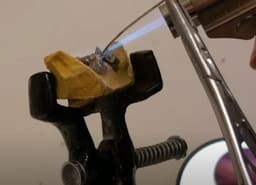
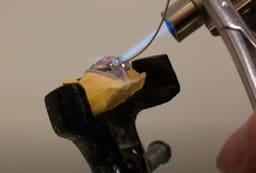
- Feed and heat — bring the parts to soldering temperature, then feed the wire so molten filler flows into the gap.
- Finish — let the joint cool, then pickle and polish it clean of flux and oxide.
Once the joint is solid and finished, the appliance moves on to fitting or the next fabrication step.
Frequently Asked Questions (FAQs):
Why choose a cadmium-free solder wire?
Older silver solders often contained cadmium to lower the melting point, but heating them releases toxic cadmium fumes. A cadmium-free wire, like the NDW reel, removes that hazard while still flowing and bonding well. It is the safer choice for a lab or clinic that solders regularly, with no loss of joint quality.
What is the advantage of wire over strip or paste solder?
Wire lets you feed a measured amount of filler straight to the joint, so the fillet is neither starved nor flooded. Strip and paste solders are harder to dose precisely on a small appliance joint. For orthodontic and framework work, where joints are small and neatness matters, a reel of wire gives the most control.
What can I join with dental solder wire?
Dental solder wire joins the metal parts of appliances: orthodontic bands to arch wires, the components of space maintainers and quad-helix appliances, and metal framework sections. Any stainless steel or base-metal appliance part that needs a heat-bonded join is a candidate, provided the wire's melting range suits the base metal.
Do I need flux with solder wire?
Yes, flux is essential. It cleans the metal surface, stops oxide forming as the joint heats, and helps the molten filler flow and wet the parts. Skip it and the filler pools on the surface rather than drawing into the gap. Apply the recommended flux to the joint before heating, then clean the residue off afterwards.
How do I keep the joint clean and the metal undistorted?
Match the wire's melting range to the base metal so the parts do not overheat and warp. Use flux, heat only the joint area, and feed just enough wire to fill the gap. Overheating burns the flux and distorts thin appliance metal, so remove the heat as soon as the filler flows, then pickle and polish.