


Portable X-Ray Machine
4.7
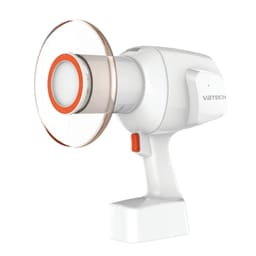
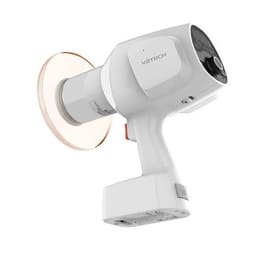
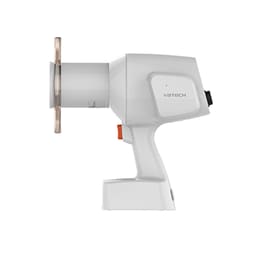
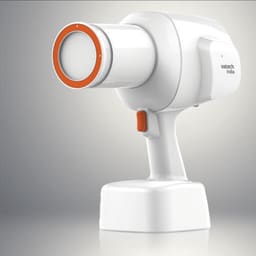
A portable x-ray machine is a cordless handheld device that a dentist points at the tooth to take an intraoral radiograph, no wall arm required. A DC generator gives a stable low-dose beam, while a backscatter shield keeps scatter off the operator. Vatech and Woodpecker models here suit small clinics, dental camps, and home visits.
Sort by - Recommended
 Recommended
 Price- High to LowPrice- Low to High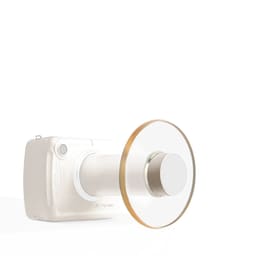
★ 4.0
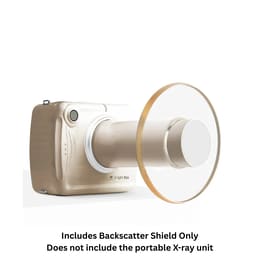
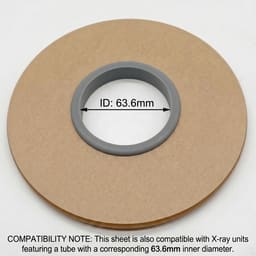
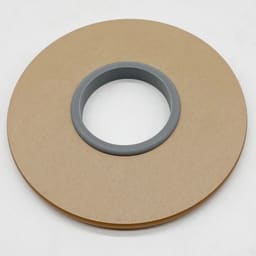
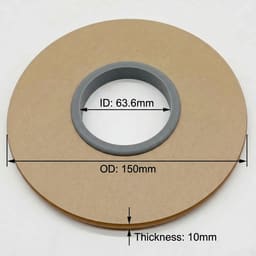
(2)Backscatter shield to block radiation leakage & to protect the operator from radiation exposure
₹ 5240₹ 9800
46.53% Off
 260
260View Similar Products
★ 5.0
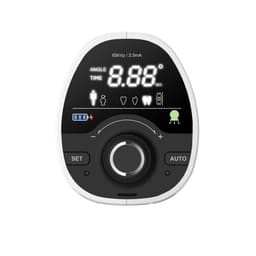
(2)Portable X-ray machine: DC-powered, versatile imaging solution in compact design
View Similar Products

★ 5.0
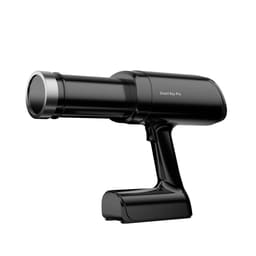
(1)Compact, lightweight, and efficient portable dental X-ray machine with low radiation and precision imaging
₹ 64050₹ 110000
41.77% Off
3.2kView Similar Products
NOTIFY ME
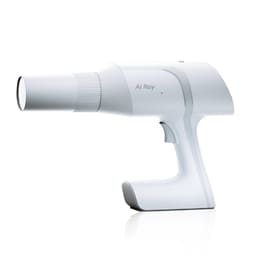
Handheld Intraoral X-ray Unit with long battery life
₹ 86118₹ 159000
45.84% Off
850View Similar Products
Filters
Sort By
RecommendedPortable X-ray machine
A portable x-ray machine is a compact unit the operator carries and holds by hand to image a tooth. There is no arm fixed to the wall — the dentist stands at the chair, lines the cone up to the tooth, and fires a brief DC exposure. With a sensor or film behind the tooth, the diagnostic image appears in seconds.
Why clinics go handheld
A handheld unit removes the constraints of a wall-mounted tube head:
- Works at any chair — no fixed arm, so one device covers every operatory.
- Moves with you — travels to camps, house calls, and mobile setups.
- Fits a small clinic — a single-chair practice avoids the cost and space of a wall unit.
- Fast to position — aim and shoot without repositioning the patient under an arm.
It sits alongside the other imaging gear in the wider dental x-ray range.
What is inside the unit
The imaging quality comes down to the generator and the beam:
- DC generator — direct-current output gives a steady, consistent exposure and a cleaner image than pulsed AC.
- kVp and timer — a fixed or adjustable kilovoltage with preset exposure times for different teeth.
- Battery — a rechargeable pack that runs a full session of exposures between charges.
- Sensor or film — the unit captures onto an intraoral sensor or film, then the image is read on an x-ray viewer or software.
Safety and the backscatter shield
Because the operator holds the device, radiation safety is built in:
- Backscatter shield — an acrylic-lead ring (like the Waldent shield) that catches scatter coming back toward the operator.
- Low, focused dose — a narrow collimated beam keeps the exposure to the target area.
- Distance and PPE — used with a lead apron and correct technique, the scatter dose stays within safe limits.
A shielded handheld is designed to be operated in the room without a separate barrier.
What's stocked here
The range covers complete handhelds and a safety accessory:
- Vatech EZRay Air Plus — a lightweight handheld intraoral unit with a DC generator.
- Woodpecker Ai Ray — a handheld X-ray with long battery life for high-volume days.
- Woodpecker RTA Smart Ray Pro — a DC portable unit supplied by Waldent.
- Waldent backscatter shield — an add-on shield for the V-Light Eco Gold DC machine.
A handheld pairs naturally with a portable dental unit for a fully mobile setup.
Frequently Asked Questions (FAQs):
What is a portable dental X-ray machine?
A portable dental X-ray machine is a handheld, battery-powered unit that captures intraoral radiographs without a wall mount. The operator holds it, aims at the tooth, and fires a short exposure onto a sensor or film. It suits single-chair clinics, dental camps, and any setting where a fixed X-ray is impractical.
Is a handheld X-ray safe for the operator?
A handheld X-ray is safe to operate when it has a backscatter shield and is used with correct technique. The shield catches radiation scattered back toward the operator, the beam is narrowly collimated, and a lead apron protects the patient. Used as directed, the scatter dose to the operator stays within accepted limits.
Why choose a DC portable unit over an AC one?
A DC (direct-current) unit gives a steady, continuous output, so the exposure is consistent and the image cleaner, often at a lower dose than a pulsed AC unit. Most modern handhelds, including the Vatech and Woodpecker models here, are DC for exactly this reason.
Can I pair it with a digital RVG sensor?
Yes, a handheld exposes onto whatever intraoral receptor sits behind the tooth, an RVG sensor or plain film alike. The machine only makes the beam; the RVG sensor catches the image and pushes it to software for instant viewing. A clinic already using digital sensors can add a portable unit with no other change.
Will one handheld cover a small practice?
One handheld usually covers a small practice's intraoral imaging on its own. It handles bitewings, periapicals, and the everyday diagnostic shot at the chair, for far less cost and space than a wall unit, and it can move to a second site when needed. Bigger clinics tend to add panoramic or fixed imaging as well.