


Surgical Instruments
Dental surgical instruments are the forceps, elevators, rongeurs, and needle holders used in tooth extraction and oral surgery. GDC and API cover most routine extractions in Indian clinics; Hu-Friedy is what oral surgery and implant departments order. Dentalkart ships to 110000+ pincodes across India and supplies 50,000+ dentists and dental colleges.
 Recommended
 Price- High to LowPrice- Low to High
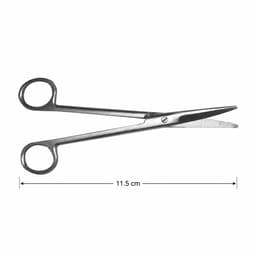
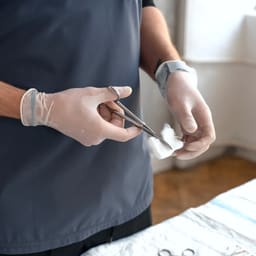

 1
1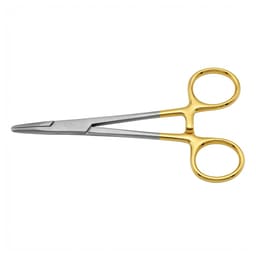
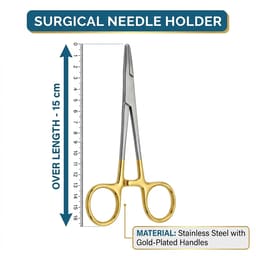
.jpg?w=256)

Only 2 Left
46
-HighVolume.jpg?w=256)
_4.jpg?w=256) 150
150
Only 5 Left
160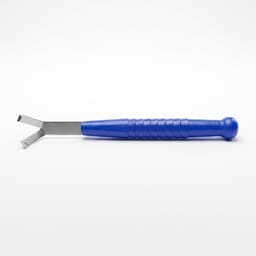
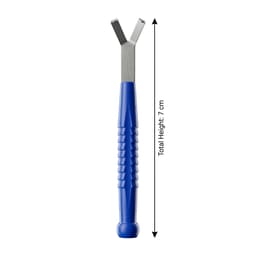
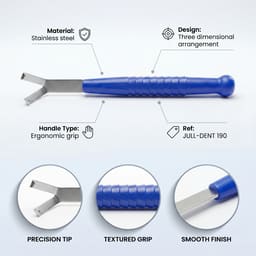
Only 3 Left
30Dental surgical instruments are stainless steel and tungsten carbide tools used in oral and maxillofacial surgery for tooth extraction, bone removal, soft-tissue management, and suturing. Common items in this category include extraction forceps, dental elevators, periosteal elevators, rongeurs, scalpel handles, needle holders, and bone files. Most are manufactured to ISO 7153-1 standards for surgical metals and tolerate repeated autoclave sterilisation at 134°C. Indian dental practices, hospitals, and dental colleges use them across general dentistry, oral surgery, periodontics, and implantology.
Types of Dental Surgical Instruments
Extraction forceps
Extraction forceps are paired-beak instruments shaped to grip specific tooth crowns and roots for removal. Indian dental schools routinely stock #150 and #151 (upper and lower universals), #16 cowhorn, and #88L/R upper molar forceps.
Dental elevators
Dental elevators have a single tapered blade that slides between the tooth and the alveolar socket to break the periodontal ligament before extraction. The straight Coupland, Cryer (left and right), Apexo, and periotome patterns are the workhorses in general practice.
Periosteal elevators
Periosteal elevators have a flat, paddle-shaped working end that lifts the mucoperiosteum off the underlying bone before flap surgery or implant placement. Howarth, Molt #9, and Prichard patterns are the most-used.
Rongeurs and bone files
Rongeurs are double-action plier-style instruments with sharp cup-shaped beaks that trim alveolar bone after extraction or before implant placement. Bone files smooth the bony margins before suturing.
Needle holders and tissue forceps
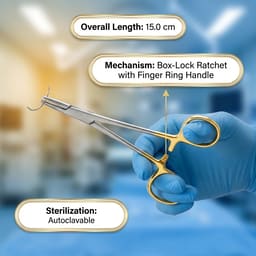
Needle holders have ratchet-locked, cross-hatched jaws that grip curved suture needles during soft-tissue closure. Tissue forceps stabilise the flap while suturing.
Scalpel handles
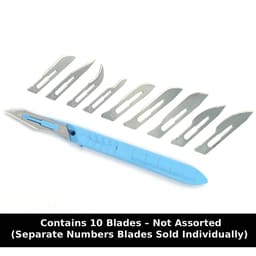
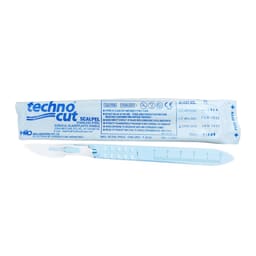
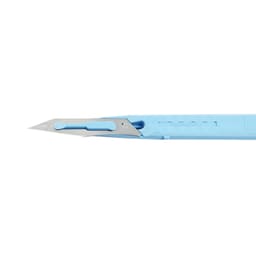
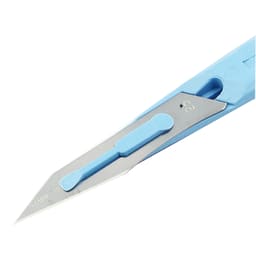
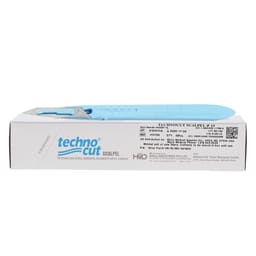
Scalpel handles are metal grips that accept disposable carbon-steel blades such as #11, #12, #15, and #15C for soft-tissue incisions. The #3 BP handle is the dental standard.
When are dental surgical instruments used?
Dental surgical instruments are used during any procedure that involves cutting, removing, or repositioning hard or soft oral tissue. They support routine extractions in general practice as well as more involved oral surgery, periodontal surgery, and implant placement in specialist clinics. Sterilisation between cases is mandatory.
- Simple and surgical extractions of erupted teeth
- Surgical removal of impacted third molars
- Apicoectomy and root-end resection procedures
- Periodontal flap surgery and open-flap debridement
- Implant site preparation and dental implant placement
- Cyst enucleation, biopsy, and minor oral surgery
How to choose the right dental surgical instruments
- Material grade. German and Japanese stainless steel and tungsten-carbide-inserted edges hold sharpness longer and resist corrosion under repeated autoclaving compared to lower-grade stainless steel.
- Manufacturing standard. Instruments built to ISO 7153-1 (surgical-metal grade) and ISO 13485 (manufacturer quality systems) keep consistent jaw alignment and blade geometry. Loose tolerances on forceps beaks slip on the tooth crown during luxation.
- Pattern and number. Every forceps and elevator pattern is engineered for a specific tooth position or extraction technique. Match the pattern number (#150 upper universal, #16 cowhorn, Cryer 30/31) to the cases you do most often.
- Ergonomic handle design. Hollow-handle and silicone-coated grips reduce hand fatigue during long surgical days. Solid-handle instruments are heavier but transfer more torque on difficult extractions.
- Sterilisation tolerance. Premium instruments withstand 2,000+ autoclave cycles at 134°C without surface pitting. Cheaper imports often pit or lose edge alignment after 50 to 100 cycles and need yearly replacement.
- Budget vs. clinical use. GDC and API cover most general-practice needs at an Indian price point. Hu-Friedy justify their cost in high-volume oral surgery and implant clinics.
Dental surgical instrument brands available on Dentalkart
Dentalkart stocks dental surgical instruments from GDC, API, Hu-Friedy, Medesy, Waldent, Premier Dental, and LM Dental. GDC and API dominate the general-practice price point in India. Hu-Friedy and Medesy are imported European and American brands favoured by oral surgery clinics and dental hospitals. Waldent is Dentalkart's in-house brand and offers a starter-grade option for new clinics and dental colleges.
Why buy dental surgical instruments from Dentalkart
Dentalkart sources every surgical instrument directly from authorised brand distributors and manufacturers. Each product ships with the manufacturer warranty and is covered by a 10-day replacement policy on manufacturing defects. Orders reach 110000+ pincodes across India, with cash on delivery available on most listings and EMI options through partner banks. The in-house customer support team includes practising dentists who can guide product selection over phone, WhatsApp, and email.
Frequently Asked Questions (FAQs):
What materials are dental surgical instruments made of?
Dental surgical instruments are made from medical-grade stainless steel. The cutting and gripping parts use 410, 420, or 440 series martensitic alloys. Needle holder jaws and the beak edges of some forceps have tungsten carbide inserts welded in, which hold an edge through more autoclave cycles than plain steel. The metal spec is ISO 7153-1.
What is the difference between dental elevators and extraction forceps?
Elevators and forceps come in at different points of the same extraction. The elevator goes in first. You wedge its single tapered blade between the tooth and the bone to break the periodontal ligament and rock the tooth loose. Once the tooth is mobile, the forceps grip the crown and lift it out.
Which surgical instrument brand is best for general practice in India?
For routine general practice in India, GDC and API are the brands to stock first. Both make decent extraction forceps and elevator sets at a price most clinics can replace every two or three years. Hu-Friedy cost two to four times more but earn it in heavy oral surgery and implant work.
How many autoclave cycles do dental surgical instruments last?
Dental surgical instruments last anywhere from a few hundred to a few thousand autoclave cycles at 134°C. German and Japanese steel from Hu-Friedy and Aesculap usually clears 2,000 cycles before the edges go soft. Cheap imports often pit inside 100 to 300 cycles. Dry instruments before sterilising; trapped moisture is the real cause of rust.
Are dental surgical instruments on Dentalkart genuine?
Yes, every surgical instrument on Dentalkart is sourced direct from the brand's authorised distributor. Boxes are checked for original packaging, manufacturer markings, and batch codes before dispatch, so what arrives at the clinic matches the catalogue. A 10-day replacement covers any manufacturing defect. If a batch ever looks off, call support with the batch number.