
Dr. Bhavishya Arora
Chief Dental Editor
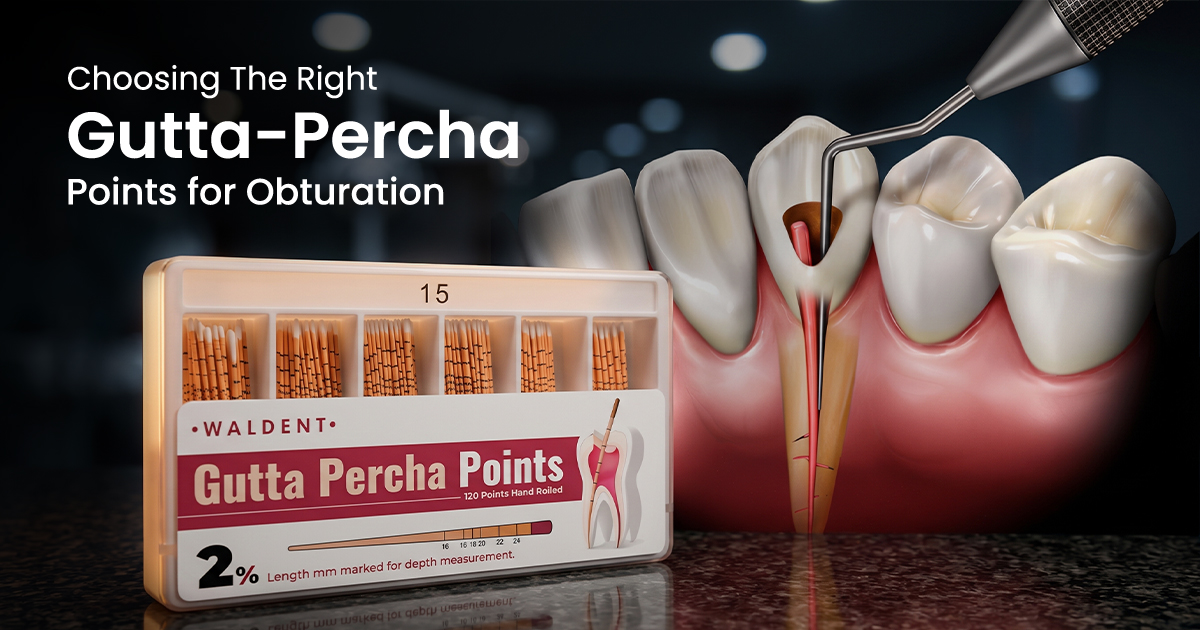
Choosing The Right Gutta-Percha Points for Obturation
A Clinical Selection Guide
Choosing the right endodontic gutta percha point is critical for achieving a dense, three-dimensional seal for long-term root canal success. This choice directly impacts obturation quality, making material selection a foundational decision for clinicians navigating varied canal anatomies in India.
Table of Contents
What are Standard ISO Gutta-Percha Sizes?
Standard ISO gutta-percha (GP) points have a conventional, non-standardized taper of approximately 2% (or .02), meaning their diameter increases by 0.02 mm for every 1 mm of length from the tip. The ISO size number (e.g., 15, 20, 25) corresponds to the tip diameter in hundredths of a millimeter (e.g., size 25 has a 0.25 mm tip diameter).
This standardized sizing and color-coding system ensures predictability when matching a GP cone to the master apical file (MAF) used for canal preparation, especially in traditional step-back techniques. For example, after preparing the apex with a size 40 K-file, a size 40 ISO GP point should fit snugly at the working length. This system provides a foundational language for clinicians globally, ensuring consistency across different brands of gutta percha points.
- Color Coding: Matches ISO file colors for easy chairside identification (e.g., Size 15 is white, 20 is yellow, 25 is red).
- Taper: A constant .02 taper is assumed, though manufacturing tolerances can lead to slight variations.
- Flexibility: Smaller ISO sizes (15-30) offer greater flexibility, ideal for navigating curved canals without ledging.
- Use Case: Primarily used with manual instrumentation techniques or for lateral compaction where multiple accessory cones are required to fill the canal space.
| ISO Size | Tip Diameter (D0) | ISO Color Code |
|---|---|---|
| 15 | 0.15 mm | White |
| 20 | 0.20 mm | Yellow |
| 25 | 0.25 mm | Red |
| 30 | 0.30 mm | Blue |
| 35 | 0.35 mm | Green |
| 40 | 0.40 mm | Black |
Conventional vs. Variable Taper GP Points
The primary difference is that conventional points have a standard .02 taper, while variable (or greater) taper points have tapers of .04, .06, or even variable tapers along their length to match modern rotary file systems. You should use conventional points for lateral compaction techniques and variable taper points for single-cone or warm vertical obturation techniques after shaping with corresponding rotary files.
Using a variable taper GP point that matches the final shaping file's taper (e.g., a .06 taper GP point for a canal shaped with a .06 taper file) simplifies obturation significantly. It creates a more uniform seal with fewer accessory points, reducing chair time and minimizing voids. This approach is particularly efficient in high-volume Indian clinics where procedural speed is essential without compromising the quality of the seal.
- Conventional (.02) Taper: Best for narrow, calcified, or severely curved canals where flexibility is key and lateral compaction is the planned technique.
- Variable Taper (.04, .06): Ideal for canals prepared with rotary systems. It aims for a single-cone fit, reducing the complexity of the obturation process.
- Apical Fit: Variable taper points provide a better hydraulic force during compaction, pushing sealer into lateral canals more effectively.
- Procedural Time: Single-cone techniques with variable taper points are significantly faster than multi-cone lateral compaction.
Conventional Taper (.02)
- Excellent flexibility for curved canals.
- Ideal for lateral compaction technique.
- Time-consuming; requires multiple accessory cones.
- Less effective at filling canal irregularities.
Variable Taper (.04/.06)
- Matches modern rotary file preparations.
- Enables faster single-cone obturation.
- Provides better hydraulic pressure for sealer flow.
- Less forgiving in complex canal anatomies.
Benefits of Bioceramic Coated GP Points
Bioceramic (BC) coated gutta-percha points are standard GP cones surface-coated with fine bioceramic particles. Their primary clinical benefit is the ability to create a true chemical bond between the root canal wall, sealer, and GP point, resulting in a gap-free, monolithic seal.
When used with bioceramic root canal sealers, the moisture in the dentinal tubules triggers a hydration reaction, forming hydroxyapatite crystals that physically integrate with the dentin. This hydrophilic, bioactive bond significantly enhances seal quality, prevents microleakage, and creates an antibacterial, high-pH environment (~12) that promotes periapical healing. This makes them an excellent choice for compromised cases, such as retreatments, open apices, or perforation repairs.
- Monoblock Obturation: Forms a single, solid unit by bonding the sealer to both the dentin and the GP cone.
- Bioactivity: Actively promotes tissue healing by releasing calcium and hydroxide ions.
- Dimensional Stability: Undergoes zero shrinkage upon setting, unlike some traditional sealers.
- Hydrophilic Nature: Uses residual moisture in dentinal tubules to initiate its setting reaction, a major advantage over hydrophobic materials.
MECHANISM OF BIOCERAMIC BONDING
Bioceramic particles react with moisture from dentinal tubules to start the setting process.
The reaction produces hydroxyapatite crystals, the same mineral found in natural tooth structure.
These crystals create a strong, gap-free chemical bond between the dentin and the GP point.
How to Match GP to Rotary File Systems
To match gutta-percha points to a rotary file system, you must select a GP cone with the same tip size and taper as the final finishing file used to prepare the canal. Most major manufacturers offer system-matched GP points designed to precisely fit the canal shapes created by their corresponding files.
For example, if you finish a canal with a ProTaper Gold F2 file (tip size 25, .08 taper in the apical 3 mm), you should use a ProTaper Gold F2 gutta-percha point. This system-based matching ensures a predictable apical fit and 'tug-back,' which is the slight resistance felt when withdrawing the master cone. This confirms a secure seal at the working length. Using advanced endomotors with precise torque control helps create these standardized shapes, making matching even more reliable.
- Check Tip and Taper: Always verify the size (e.g., #25) and taper (e.g., .04 or .06) of your master apical file.
- Use System-Matched Cones: Whenever possible, use the GP cones manufactured specifically for your rotary files for the most accurate fit.
- Verify with Radiograph: A cone-fit radiograph is mandatory to confirm the GP point has reached the full working length without extending beyond the apex.
- Confirm Tug-Back: The master cone should feel snug at the working length but should not require excessive force to place.
Chairside Apical Fit Verification
Choose a GP point with the same ISO tip size and taper as your master apical file.
Measure the cone against the working length determined by your apex locator and set the silicone stopper.
Insert the cone into the dried canal until the stopper reaches the reference point. Do not force it.
Gently pull back on the cone. You should feel slight frictional resistance, indicating a good apical seal.
Verify the cone's position relative to the radiographic apex before proceeding with obturation.
Frequently Asked Questions
Tug-back is the slight frictional resistance felt when withdrawing a master gutta-percha cone from the prepared root canal. It indicates that the cone is well-adapted to the apical 2-3 mm of the canal, ensuring a snug fit. This tactile feedback is crucial for confirming the apical seal, which prevents over-instrumentation, sealer extrusion, and future microleakage, forming the basis of a successful obturation.
Gutta-percha points typically buckle for two main reasons: an inadequate canal preparation or excessive force. If the canal taper is insufficient or if there is a ledge or blockage, the cone will bind before reaching the apex and bend under pressure. Always ensure a smooth, tapered glide path and never force a cone to the working length; let it slide in passively.
For warm vertical compaction, it is best to use gutta-percha specifically formulated for thermal techniques, often labeled as 'alpha-phase' or 'low-temperature flow' gutta-percha. These points have a lower viscosity when heated, allowing them to flow and adapt better to canal irregularities under pressure from pluggers. Always use these with appropriate obturation systems to control the temperature accurately.
The primary difference lies in their physical state and clinical application. Beta-phase gutta-percha is the solid, more brittle form found in standard GP points, suitable for cold lateral compaction. Alpha-phase is more pliable and tacky, with a lower melting point, making it ideal for thermoplasticized techniques like warm vertical compaction, as it flows readily when heated to fill canal intricacies.
Yes, you can trim a gutta-percha point, but only with a sharp, sterile scalpel blade to create a clean cut. This is often done to customize the fit when a standard size is slightly too long or wide. However, excessive trimming can alter the standardized taper and tip size, so it is best to use a properly sized endodontic gutta percha point from the start whenever possible.
Written by
Dr. Bhavishya Arora
BDS, MDSChief Dental Editor
A contributing clinician at Dentalkart Blogs, Dr. Bhavishya is a compassionate, detail-driven dentist known for thoughtful patient care, clear communication, and a calm chair-side manner that puts patients at ease. Beyond the clinic, she leads product content and category initiatives at Dentalkart India's largest dental marketplace where she bridges clinical understanding with commercial insight to help dentists make better-informed product choices.
Keep reading
Browse all →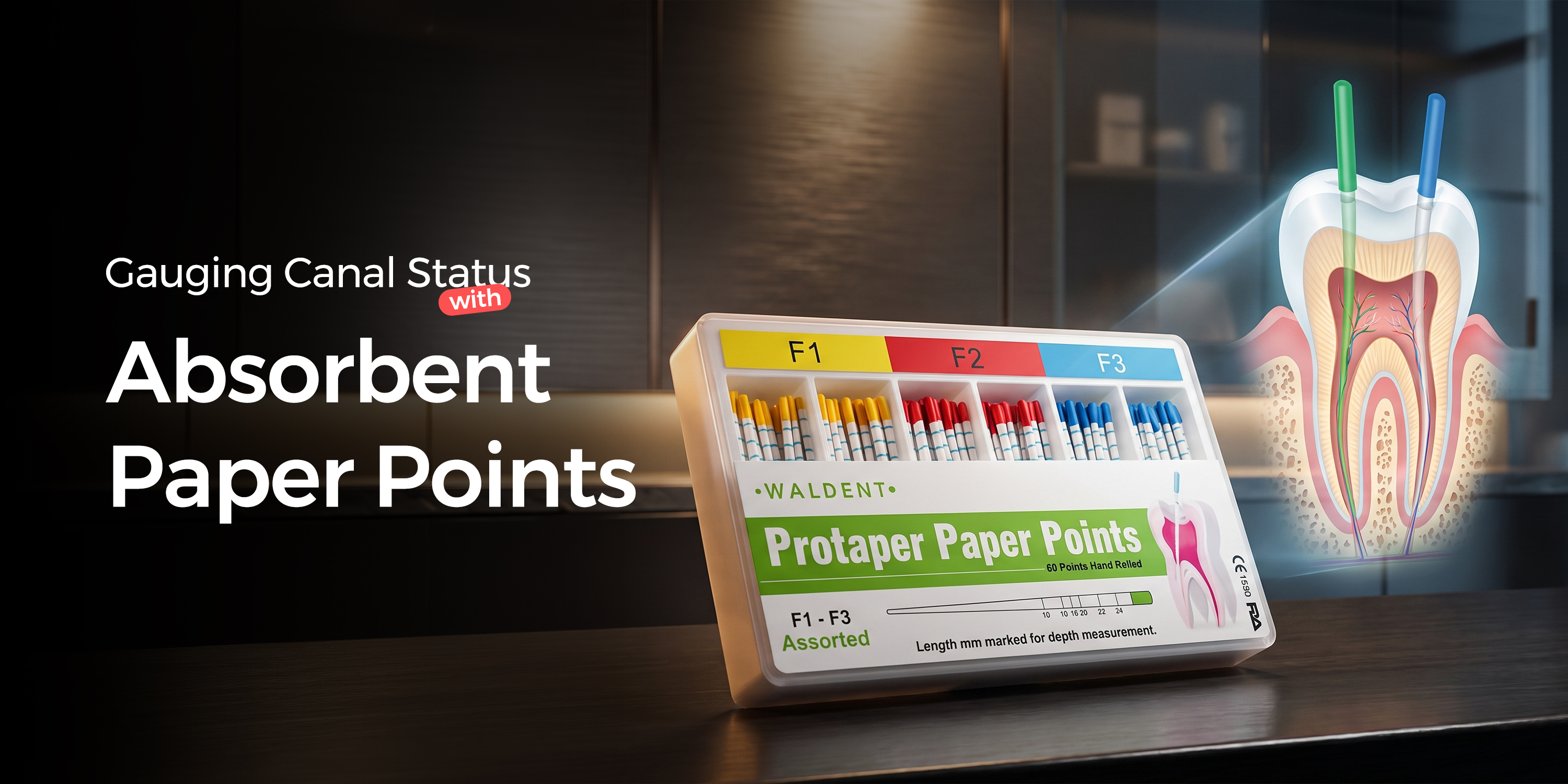
Gauging Canal Status with Absorbent Paper Points
Gauging Canal Status with Absorbent Paper PointsA Clinical Selection Guide Using absorbent paper points for diagnosis provides critical, real-time feedback on c


Ideal Cases for Intraligamentary Anaesthesia
Ideal Cases for Intraligamentary AnaesthesiaAn Evidence-Based Guide Intraligamentary anaesthesia is a supplemental injection technique that forces a local anaes

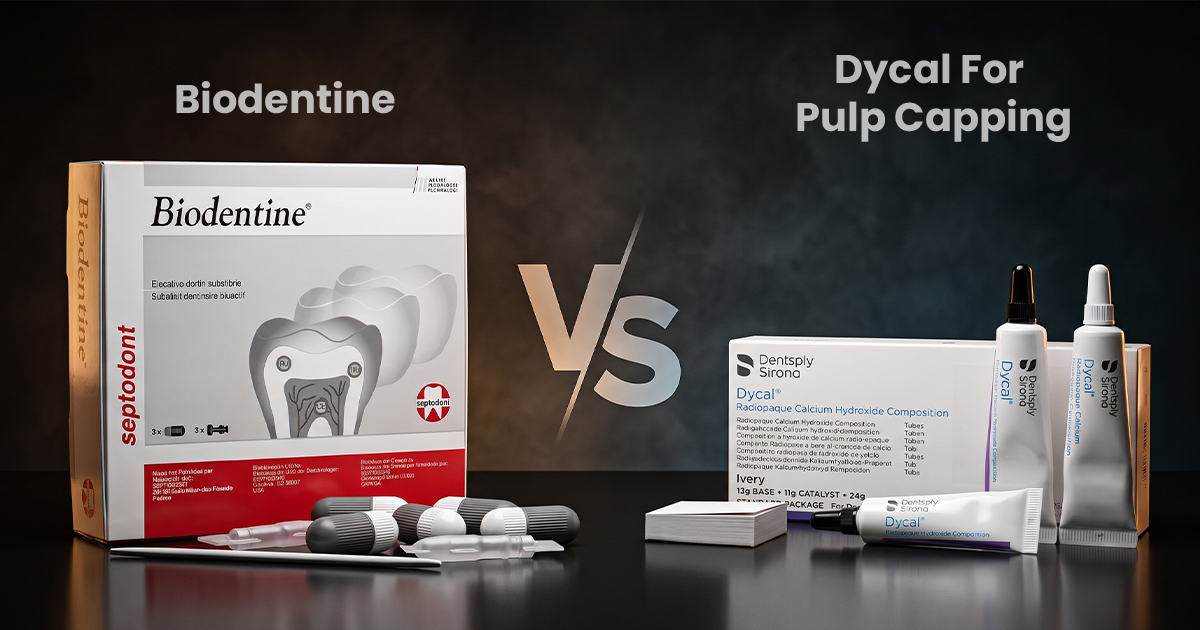
Biodentine vs. Dycal For Pulp Capping
Biodentine vs. Dycal For Pulp CappingA Case Selection Guide The choice between Biodentine and Dycal as pulp capping materials hinges on bioactivity and seal qua