
Dr. Prerna Sahrawat
Contributing Dental Clinician
Ideal Cases for Intraligamentary Anaesthesia
An Evidence-Based Guide
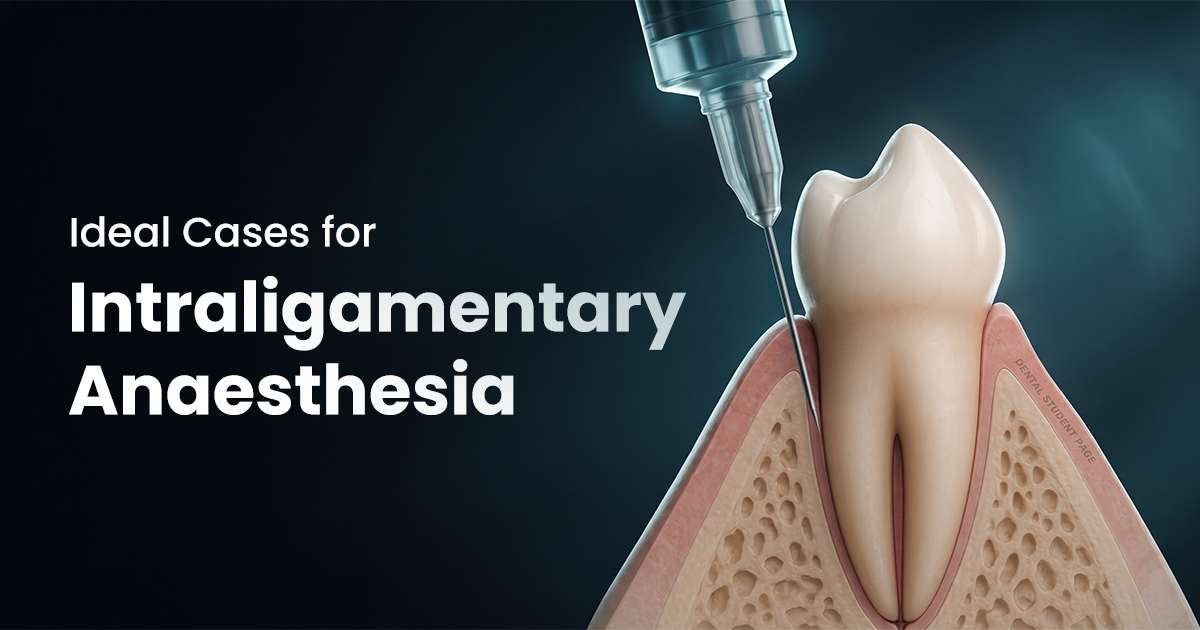
Intraligamentary anaesthesia is a supplemental injection technique that forces a local anaesthetic through the periodontal ligament space into the surrounding cancellous bone, ideal for single-tooth procedures. It provides a reliable solution for achieving profound pulpal anaesthesia when a standard inferior alveolar nerve block fails.
Table of Contents
What Are the Primary Indications for a PDL Injection?
The primary indication for a periodontal ligament (PDL) injection is to provide supplemental anaesthesia for a single tooth, particularly a mandibular molar with irreversible pulpitis, after an initial nerve block has failed. This technique is also valuable for isolated restorative or endodontic procedures where anaesthetizing an entire quadrant is unnecessary.
By using a specialized intraligamentary syringe that provides mechanical advantage, the anaesthetic solution is forced under pressure through the cribriform plate into the marrow spaces surrounding the tooth apex. This route bypasses the potential barriers of inflamed tissue that can neutralize the anaesthetic from a regional block, achieving profound anaesthesia with a minimal volume of around 0.2 mL per root.
- Supplemental Anaesthesia: Most commonly used to salvage a failed IANB in mandibular molars, especially in cases of symptomatic irreversible pulpitis (a "hot pulp").
- Single-Tooth Procedures: An efficient option for procedures on an isolated tooth when a field block is not required, minimizing numbness to the lip and tongue.
- Medically Compromised Patients: Useful for patients where bilateral blocks are contraindicated or where limiting the total dose of anaesthetic is a clinical priority.
- Diagnostic Aid: Helps to isolate the source of pain to a specific tooth when clinical and radiographic findings are inconclusive.
When to Consider a PDL Injection
Contraindicated Cases for Intraligamentary Anaesthesia
The absolute contraindication for intraligamentary anaesthesia is the presence of acute infection or significant periodontal disease at the injection site. Forcing anaesthetic solution into an area with a purulent exudate or deep periodontal pockets risks spreading the infection into the systemic circulation.
This iatrogenic bacteraemia can be especially dangerous for patients with a history of infective endocarditis or those who are severely immunocompromised. Furthermore, the technique is generally discouraged in primary teeth, as the high pressure of the injection has been linked to potential enamel hypoplasia or damage to the underlying permanent tooth bud. When prepping the canal for gutta percha points, ensuring a sterile field is paramount, and introducing bacteria is counterproductive.
- Acute Infection: Never inject into a site with a periapical or periodontal abscess due to the high risk of spreading infection.
- Severe Periodontitis: Pockets deeper than 5 mm and significant attachment loss provide a direct pathway for bacteria into the bloodstream.
- Primary Dentition: Avoid use in primary teeth to prevent potential damage to the succedaneous permanent tooth.
- Cardiac Conditions: Use with extreme caution in patients with prosthetic heart valves or a history of infective endocarditis.
Risk of Iatrogenic Bacteraemia
Injecting into an infected periodontal pocket can drive bacteria directly into the bloodstream. Always perform a thorough periodontal assessment before considering a PDL injection, especially in medically compromised patients.
Evaluate Success in Irreversible Pulpitis
Intraligamentary injections dramatically improve anaesthetic success rates in mandibular molars with irreversible pulpitis, often turning a failed procedure into a successful one. When an IANB alone fails to achieve pulpal anaesthesia in a "hot tooth," success rates can be as low as 20-30%; adding a PDL injection can elevate this success to over 80%.
The underlying mechanism is twofold: bypassing the acidic, inflamed environment of the pulp which can inactivate local anaesthetics, and delivering a high concentration of the solution directly to the periapical nerve supply. For these challenging cases, using 4% articaine is often preferred over 2% lidocaine due to its superior bone-penetrating properties. Successful anaesthesia allows for pain-free instrumentation with rotary files and effective shaping with modern endomotors.
- Success Rate Boost: Supplemental PDL injections can increase the success of anaesthetizing a mandibular molar with irreversible pulpitis from under 30% to over 80%.
- Anaesthetic Choice: 4% articaine with 1:100,000 epinephrine is often considered more efficacious than lidocaine for PDL injections due to better lipid solubility and diffusion.
- Pressure Requirement: A dedicated intraligamentary syringe is essential to generate the necessary pressure to force the solution through the dense cortical bone.
- Onset of Action: Anaesthesia is almost immediate (within 30 seconds) but has a shorter duration, typically lasting 15-20 minutes of profound pulpal numbness.
IANB Alone
- Anaesthetizes a full quadrant
- High failure rate (up to 80%) in irreversible pulpitis
- Slower onset of pulpal anaesthesia
- Unwanted soft tissue numbness (lip, tongue)
IANB + PDL Injection
- High success rate (>80%) in irreversible pulpitis
- Rapid onset (less than 30 seconds)
- Minimal soft tissue numbness
- Potential for transient post-op discomfort
Does Intraligamentary Injection Cause Periodontal Damage?
Concerns about periodontal damage are valid, but evidence shows that when performed correctly in a healthy periodontium, any resulting damage is minimal and transient. The high injection pressure can cause localized ischaemia, crushing of PDL fibres, and minor resorption of the alveolar bone crest, but these effects typically resolve within a few weeks.
To mitigate these risks, the anaesthetic solution should be delivered very slowly, depositing approximately 0.2 mL over a period of 20-30 seconds per root. Rapid injection is the primary cause of post-operative pain and tissue damage. After the root canal is completed and filled with root canal sealers, the minor PDL inflammation from the injection will have already begun to heal. Long-term studies have not shown any significant permanent attachment loss or periodontal pocket formation resulting from this technique when used in periodontally sound sites.
- Transient Soreness: The most common side effect is post-operative tenderness or pain on biting, which usually subsides within 2-3 days.
- Injection Speed: A slow injection rate (e.g., 0.2 mL over 20-30 seconds) is the single most critical factor in minimizing tissue trauma.
- Minimal Volume: Using the smallest effective volume of anaesthetic reduces the total hydraulic pressure exerted on the PDL space.
- Healing: Histological studies show that the PDL reorganizes and returns to normal function within a month, with no lasting negative effects in healthy tissue.
Technique for Minimizing Periodontal Risk
Confirm the absence of deep pockets, inflammation, or infection at the injection site before proceeding.
Employ an intraligamentary syringe to ensure controlled, slow delivery and prevent excessive pressure.
Administer 0.2 mL of anaesthetic solution over a minimum of 20 seconds to allow for tissue diffusion.
Insert the needle into the gingival sulcus at a 30-degree angle until firm resistance is met.
Conclusion: Mastering the PDL Injection
The intraligamentary injection is an indispensable tool for managing difficult anaesthetic cases, but it must be regarded as a supplemental technique, not a universal primary block. Its true clinical value lies in its targeted application for single-tooth anaesthesia, especially in salvaging a failed IANB in a mandibular molar with irreversible pulpitis. Proper case selection, centred on assessing periodontal health and understanding contraindications, is the key to leveraging its high success rate while avoiding iatrogenic complications.
- Primary Use: Reserve for single-tooth supplemental anaesthesia in mandibular molars after a confirmed IANB failure.
- Absolute Contraindication: Never inject into a site with active periodontal or periapical infection to prevent bacteraemia.
- Technique is Key: Administer 0.2 mL per root slowly, over at least 20 seconds, to minimize post-operative pain and tissue damage.
- Proven Efficacy: Can elevate anaesthetic success rates in 'hot pulps' from as low as 20% to over 80%.
Frequently Asked Questions
The primary advantage of a specialized intraligamentary syringe is its gear or lever system, which provides significant mechanical advantage. This allows the clinician to deliver the anaesthetic solution against the high back-pressure of the PDL space slowly and with precise control, something that is nearly impossible with a standard aspirating syringe. This controlled pressure is crucial for efficacy and patient comfort.
A very small volume is required for an effective PDL injection. The standard dose is 0.2 mL per root, delivered slowly over 20-30 seconds. For a two-rooted mandibular molar, a total of 0.4 mL is typically sufficient. Exceeding this volume does not improve the anaesthesia and significantly increases the risk of post-operative pain and tissue damage.
Yes, a PDL injection can be effective for single-tooth extractions, especially when a nerve block is undesirable or has failed. It provides profound osseous and pulpal anaesthesia. However, it does not anaesthetize the buccal and lingual soft tissues, so a separate local infiltration is still required to achieve comfortable soft tissue retraction and prevent pain during elevation.
The key difference is the delivery path. An intraligamentary (PDL) injection forces anaesthetic through the existing periodontal ligament space into the cancellous bone. An intraosseous (IO) injection involves drilling a small perforation through the cortical plate of bone and delivering the anaesthetic directly into the cancellous bone, a technique often used with specialized obturation systems and devices.
Pain on biting is the most common post-operative complaint and is usually due to transient inflammation of the periodontal ligament. This can be caused by the hydraulic pressure of the injection, minor chemical irritation from the anaesthetic solution, or slight extrusion of the tooth from the socket. The discomfort is self-limiting and typically resolves within 2-3 days.
Written by
Dr. Prerna Sahrawat
Contributing Dental Clinician
Dr. Prerna Sahrawat is a dentist with over 4 years of experience in clinical dentistry and dental content writing. She is passionate about simplifying complex dental concepts into practical, evidence-based content that helps dentists make informed clinical and purchasing decisions while staying updated with the latest advancements in dentistry.
Keep reading
Browse all →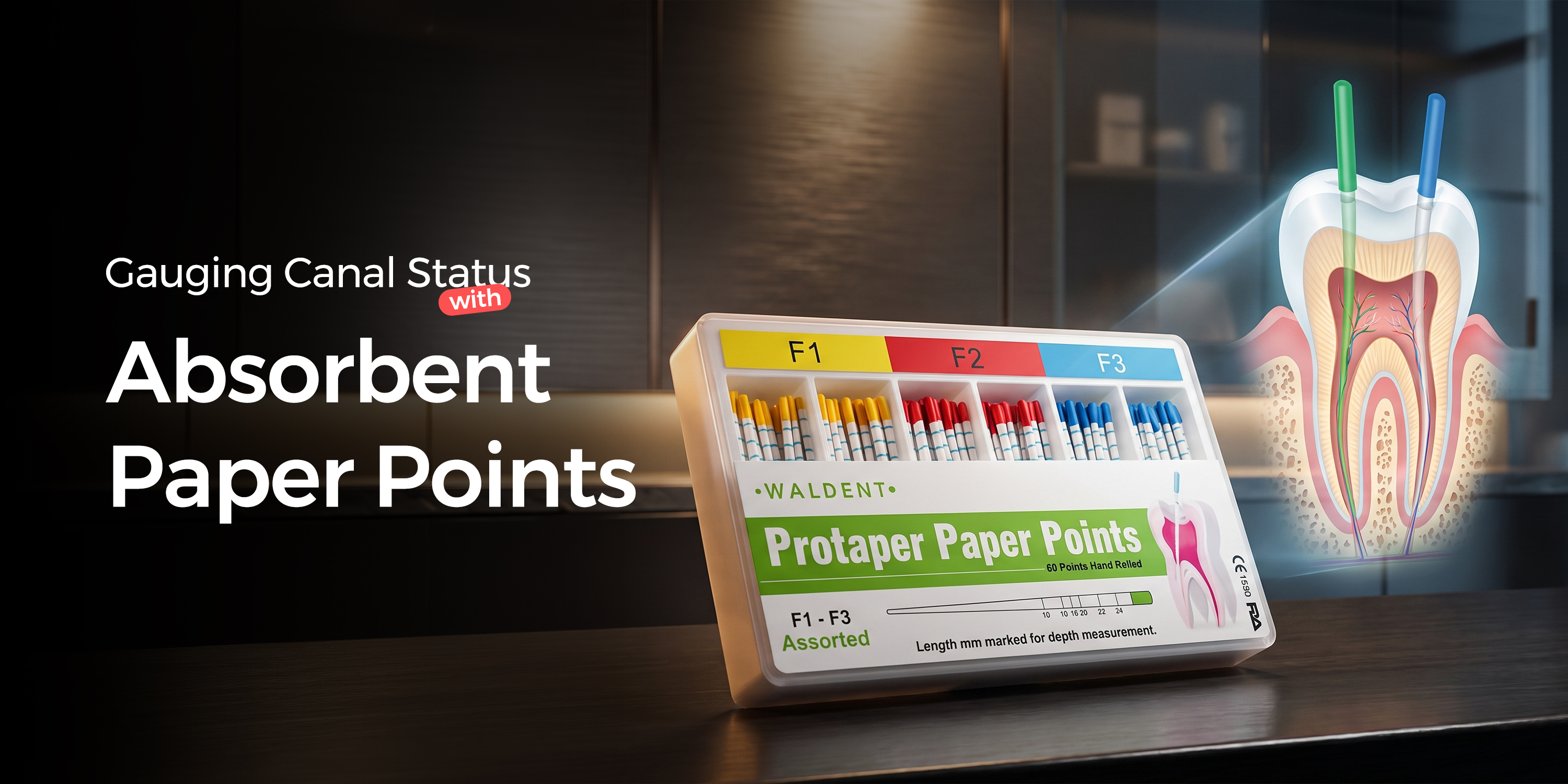
Gauging Canal Status with Absorbent Paper Points
Gauging Canal Status with Absorbent Paper PointsA Clinical Selection Guide Using absorbent paper points for diagnosis provides critical, real-time feedback on c

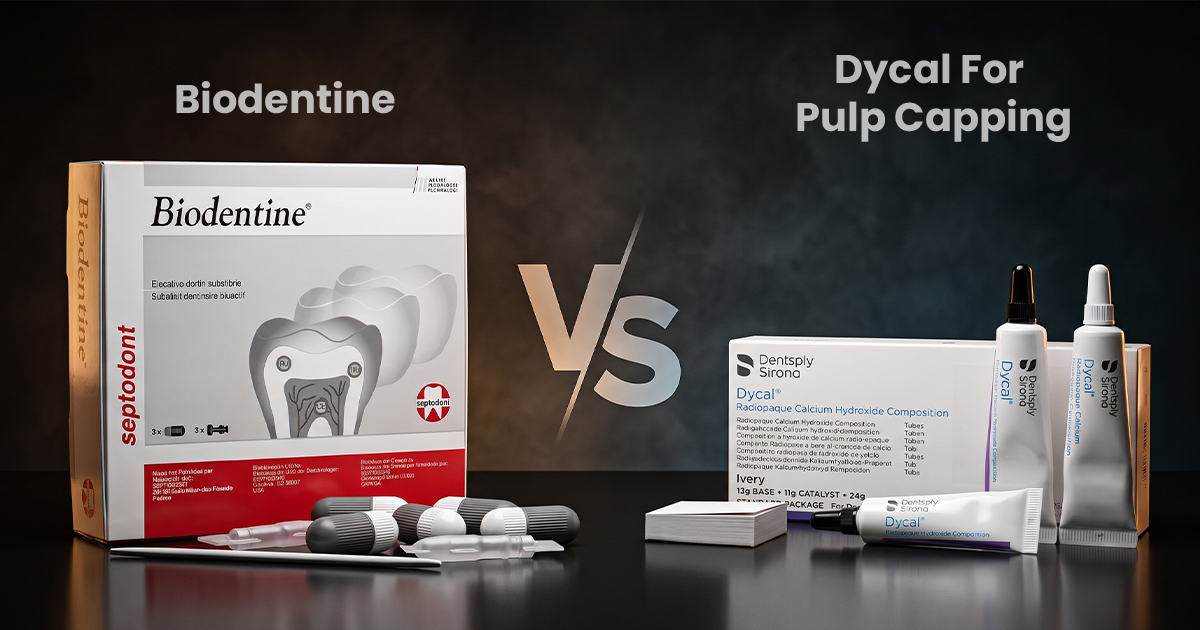
Biodentine vs. Dycal For Pulp Capping
Biodentine vs. Dycal For Pulp CappingA Case Selection Guide The choice between Biodentine and Dycal as pulp capping materials hinges on bioactivity and seal qua

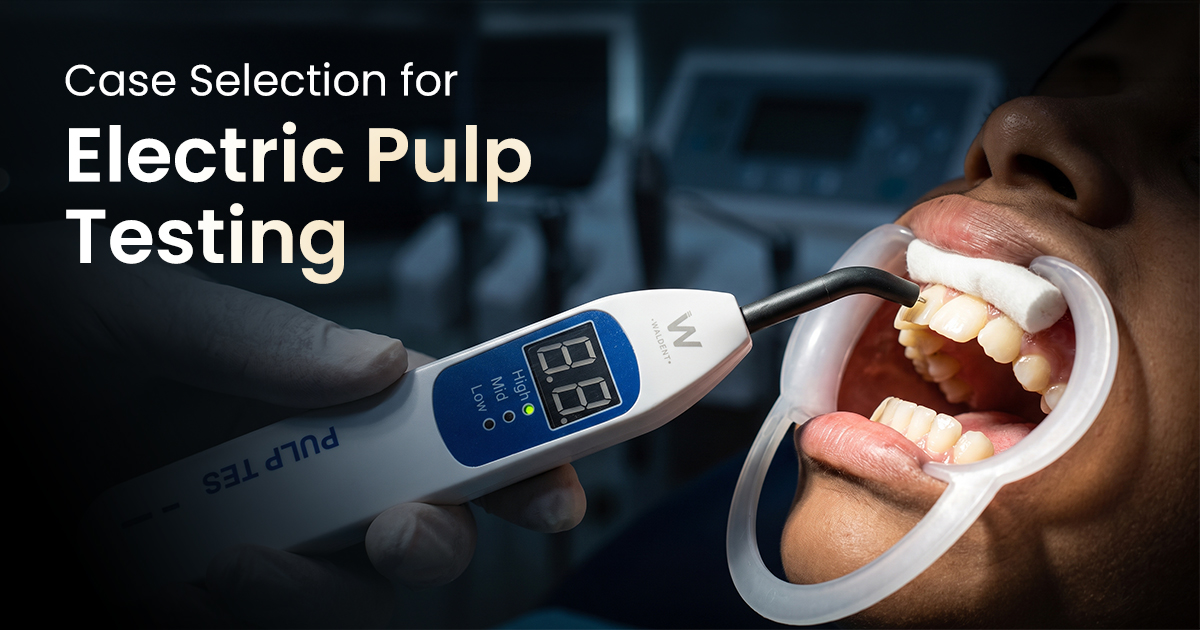
Case Selection for Electric Pulp Testing
Case Selection for Electric Pulp TestingA Diagnostic Decision Guide An electric pulp tester (EPT) assesses pulp nerve response using a graduated electrical curr