
Dr. Prerna Sahrawat
Contributing Dental Clinician
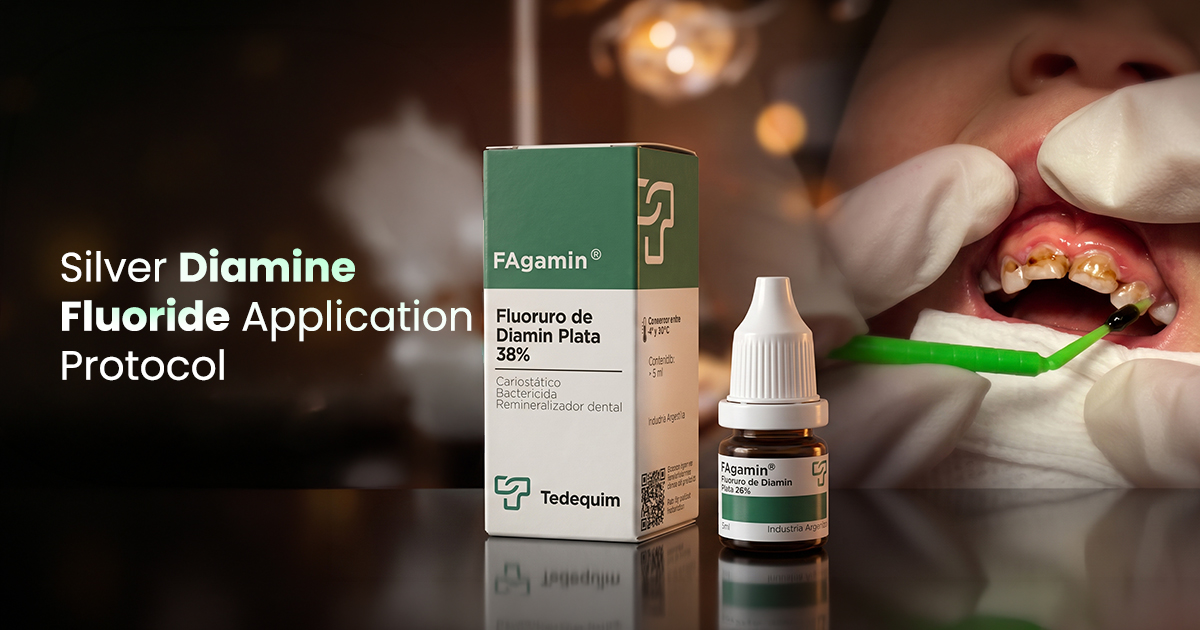
Silver Diamine Fluoride Application Protocol
A Non-Invasive Caries Arrestment Guide
Silver Diamine Fluoride (SDF) is a liquid topical agent that non-invasively arrests dental caries by combining the antimicrobial action of silver with the remineralizing effect of fluoride. Its simple application makes it a critical tool for managing caries in high-risk populations.
Table of Contents
Ideal Clinical Cases for SDF Therapy
Silver diamine fluoride is indicated wherever caries arrest is preferable to restoration, and SDF in pediatric dentistry is now its fastest-growing application. SDF therapy is ideal for arresting cavitated carious lesions on any tooth surface in patients who are uncooperative, have extreme caries risk, or face barriers to traditional restorative care. It is a powerful tool for managing challenging clinical scenarios where conventional treatment is not feasible due to patient age, behavior, or medical complexity.
The 38% SDF solution works by creating a silver-protein conjugate layer that is resistant to acid and enzymatic degradation, while the high fluoride concentration (44,800 ppm) promotes the formation of fluoroapatite. This dual-action mechanism effectively halts lesion progression, making it an excellent choice for stabilizing a patient's oral health before definitive restorations can be planned. It is particularly effective for difficult-to-treat root surface caries in geriatric patients.
- Early Childhood Caries: For young, pre-cooperative children where treatment under general anesthesia is the only alternative.
- Root Caries: In elderly patients with limited mobility or dexterity, where isolation for conventional restorations is challenging.
- Special Healthcare Needs: For patients with physical, developmental, or cognitive disabilities that prevent conventional treatment.
- Caries Stabilization: As an interim therapy in patients with extensive caries to arrest all lesions quickly and prevent further breakdown.
- Asymptomatic Lesions: For cavitated lesions without signs or symptoms of irreversible pulpitis.
SDF Patient Selection Criteria
Tooth Preparation Protocol for SDF Application
Correct isolation is the single biggest determinant of a successful silver diamine fluoride application. Proper tooth preparation for SDF involves gently removing gross debris from the carious lesion and ensuring the surface is completely dry for optimal agent penetration. Unlike conventional restorations, aggressive excavation of sound or affected dentin is unnecessary and counterproductive; the goal is simply to create a clean, accessible surface for the SDF to contact the active lesion.
Moisture control is the most critical factor for successful application. A dry field ensures the SDF solution is not diluted and can react directly with the hydroxyapatite and organic matrix of the dentin. Isolate with cotton rolls or a rubber dam, and use a three-way syringe to dry the tooth surface for at least 10 seconds until it appears dull or frosted. This simple step significantly enhances the efficacy of the treatment.
- Isolate: Use cotton rolls and/or a rubber dam to protect surrounding soft tissues and prevent saliva contamination.
- Clean: Gently remove food debris and loose plaque with a microbrush, toothbrush, or spoon excavator. No local anesthesia is required.
- Dry: Thoroughly dry the lesion with a gentle, continuous stream of oil-free air for a minimum of 10 seconds.
- Protect: Apply a thin layer of petroleum jelly to the gingiva and lips immediately surrounding the treatment area to prevent temporary pigmentation.
Pre-Application Armamentarium Checklist
Clearly explain the benefits, risks (especially the permanent black stain), and alternatives to the patient or guardian.
Wear protective eyewear, gloves, and mask. Provide protective eyewear for the patient.
Have SDF solution, two microbrushes, a plastic dappen dish, cotton rolls/pellets, and petroleum jelly ready.
Ensure the target lesion is asymptomatic and does not show clinical or radiographic signs of pulpal pathology.
Correct SDF Application Technique
Silver diamine fluoride dental application is a four-step chairside procedure that takes under two minutes per tooth. The correct SDF application technique involves dispensing a single drop of 38% SDF, applying it directly onto the clean and dry lesion with a microbrush, and allowing it to absorb for at least one minute. This minimally invasive protocol maximizes the therapeutic effect while minimizing patient discomfort and chair time.
A single drop of SDF (approximately 25 µL) is sufficient to treat up to five lesions, making it a cost-effective material. After applying, gently agitate or burnish the solution into the lesion to enhance penetration into the demineralized tooth structure. Following the absorption period, blot away any excess liquid with a cotton pellet to prevent the patient from swallowing the solution and to minimize contact with soft tissues. Explore our range of topical fluoride products for comprehensive caries management.
- Dispense: Place one drop of 38% SDF into a disposable plastic dappen dish. Never dispense directly into the patient's mouth.
- Apply: Saturate a microbrush tip and apply it directly to the entire surface of the carious lesion.
- Soak: Allow the SDF to remain undisturbed on the lesion for 60 seconds to 3 minutes, as per manufacturer guidelines.
- Blot Excess: Use a cotton pellet or gauze to gently remove any pooled SDF solution from the tooth surface.
- Post-Op Instructions: Advise the patient to avoid eating or drinking for 30-60 minutes to allow the protective layer to fully form.
Step 1: Isolate and Dry
Use cotton rolls to isolate the quadrant. Dry the target lesion thoroughly with compressed air for 10-15 seconds until it appears chalky.
Step 2: Apply SDF
Using a microbrush, apply a minimal amount of 38% SDF directly to the lesion. Gently rub it into the surface for at least 60 seconds.
Step 3: Remove Excess
Blot any excess solution from the tooth surface with a cotton pellet. This minimizes potential staining of adjacent tissues and ingestion.
Step 4: Finalize
A final application of fluoride varnish can be placed over the SDF to seal it, reduce the metallic taste, and deliver additional fluoride.
Post-Application Management and Follow-Up
Patients should be told what to expect after silver diamine fluoride treatment, particularly the permanent black staining of arrested lesions. Post-application management focuses on patient education about the expected black staining of the arrested lesion and scheduling follow-ups to assess treatment efficacy. The characteristic dark stain is not a side effect but rather a clinical indicator of successful caries arrest, resulting from the precipitation of silver phosphate.
The primary follow-up goal is to verify that the lesion has become hard and resistant to excavation with a dental explorer. The first re-evaluation should occur within 2-4 weeks, with subsequent recalls every 6 months. If a lesion appears soft or chalky at a follow-up visit, it indicates continued demineralization, and re-application of SDF is necessary. For comprehensive preventive care, consider integrating other fluoride varnishes and gels into the patient's treatment plan.
- Patient Education: Reiterate to the patient or guardian that the black color confirms the treatment is working and the decay has stopped.
- Aesthetic Masking: For anterior teeth, the arrested lesion can be aesthetically restored using the SMART (Silver Modified Atraumatic Restorative Technique) with a glass ionomer cement (GIC) or composite resin.
- Follow-Up Schedule: Re-evaluate the lesion at 2-4 weeks, 3 months, and 6 months post-application to ensure continued arrest.
- Re-application Protocol: Re-apply SDF (typically annually) if the lesion feels soft to a probe or shows signs of progression.
Chairside Tip for Managing Staining
To minimize unwanted staining, immediately wipe any spilled SDF from skin or oral mucosa with a saline or hydrogen peroxide-soaked gauze. When planning an aesthetic restoration over an arrested lesion, wait 2-4 weeks post-SDF to ensure stability before placing a GIC or composite.
Frequently Asked Questions
Silver Diamine Fluoride works through a dual mechanism. The silver ions provide a potent antimicrobial effect, killing cariogenic bacteria like Streptococcus mutans and disrupting biofilm formation. Simultaneously, the high concentration of fluoride ions (around 44,800 ppm) promotes remineralization by forming highly resilient fluoroapatite on the tooth surface, arresting the carious lesion.
SDF is primarily a caries-arresting agent, while fluoride varnish is a caries-preventing agent. SDF (38%) has a much higher concentration of fluoride and contains silver, which actively stops existing cavitated lesions but causes black staining. Varnish (5% Sodium Fluoride) is used to remineralize incipient lesions and prevent new ones, with no staining effect.
Reapplication depends on caries risk and lesion activity, not a fixed schedule. While many protocols suggest a 6-month or annual reapplication for high-risk patients, the clinical indicator is key. If an SDF-treated lesion remains hard to a probe, it is considered arrested and may not require reapplication. If it softens, reapplication is necessary.
If SDF contacts the gingiva or mucosa, it will cause a temporary, painless brown or white stain which is a superficial chemical burn. Reassure the patient this is not harmful and will resolve on its own within 48-72 hours as the epithelial cells naturally slough off. Immediately rinsing the area with saline can help minimize the extent of the stain.
Yes, SDF is highly effective for adults, particularly for treating root surface caries which can be difficult to restore conventionally. It is also an excellent option for medically compromised or institutionalized adults who cannot tolerate lengthy dental procedures. The primary consideration remains the patient's acceptance of the permanent black stain on the treated area.
Written by
Dr. Prerna Sahrawat
Contributing Dental Clinician
Dr. Prerna Sahrawat is a dentist with over 4 years of experience in clinical dentistry and dental content writing. She is passionate about simplifying complex dental concepts into practical, evidence-based content that helps dentists make informed clinical and purchasing decisions while staying updated with the latest advancements in dentistry.
Keep reading
Browse all →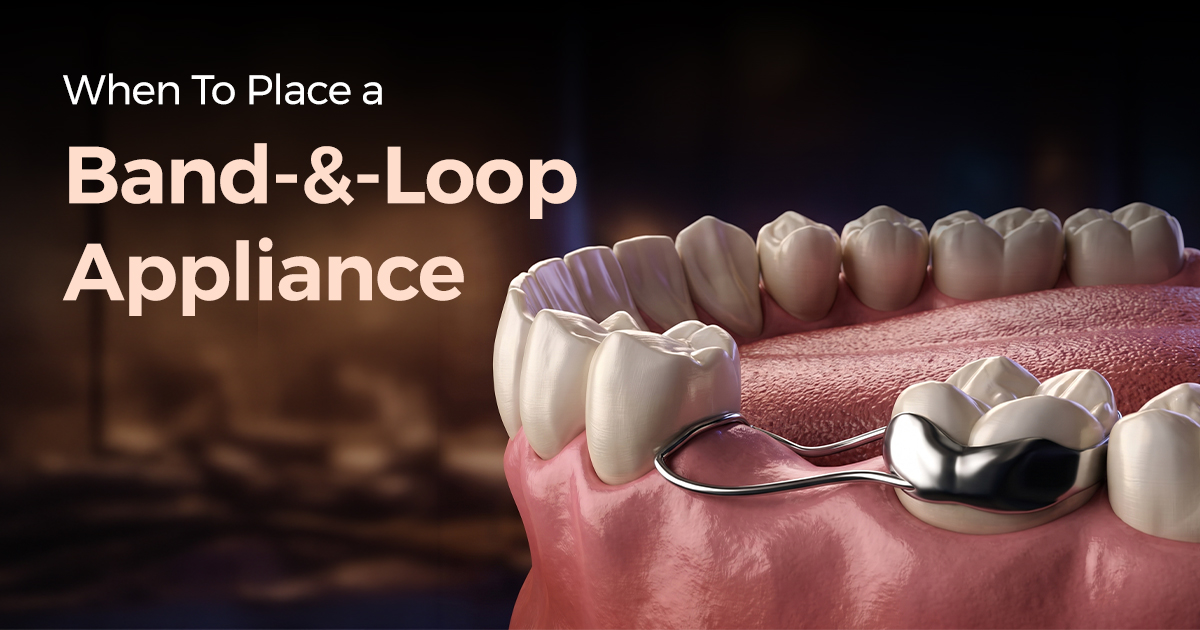
When To Place a Band-and-Loop Appliance
When To Place a Band-and-Loop ApplianceAn Evidence-Based Selection Protocol A band-and-loop is a unilateral, fixed appliance preserving mesiodistal dimension af

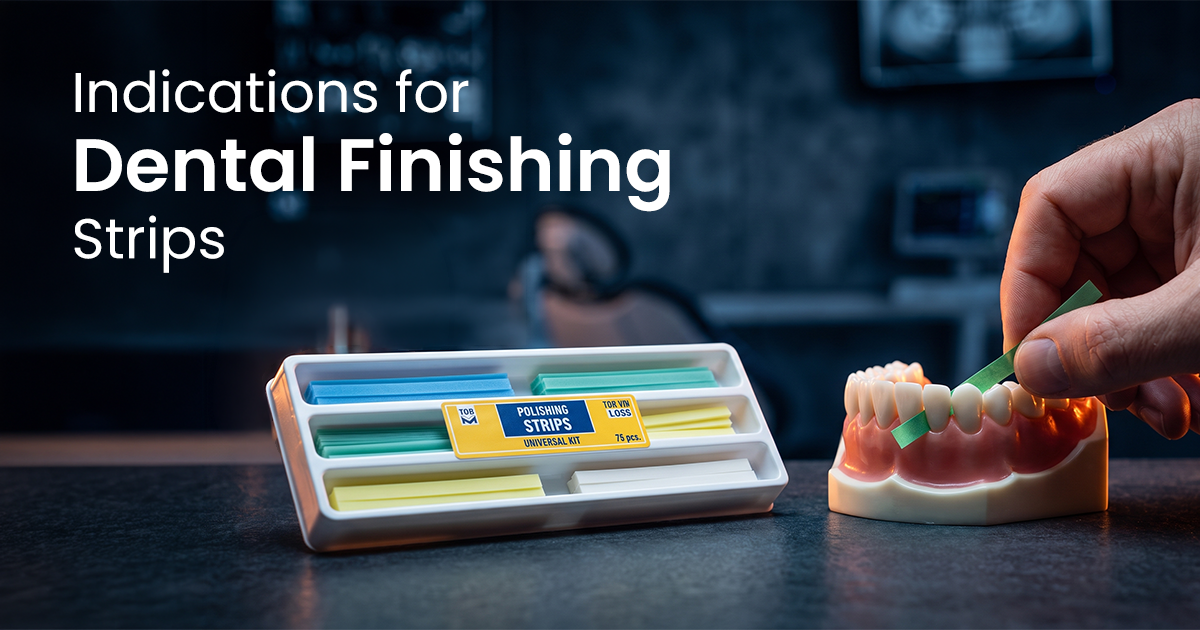
Indications for Dental Finishing Strips
Indications for Dental Finishing StripsA Clinical Selection Guide Dental finishing strips are thin, flexible abrasive instruments used for final contouring and

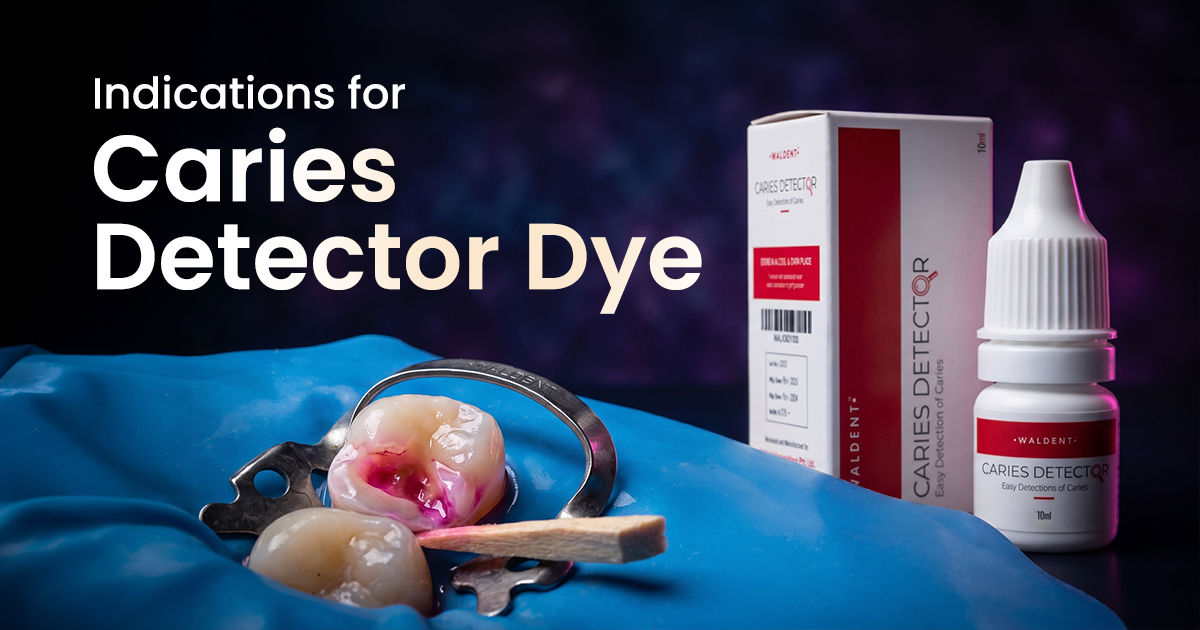
Indications for Caries Detector Dye
Indications for Caries Detector Dye A Case-Based Clinical Guide Caries detector dye aids excavation by staining denatured collagen in carious dentin, but i