

Ligature Wire Cutter
3.8
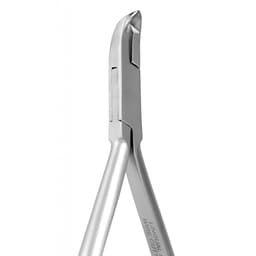
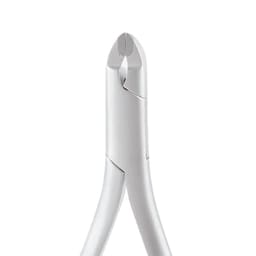
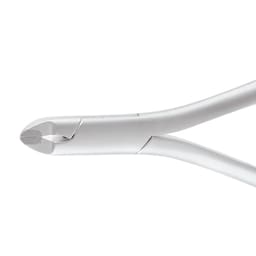
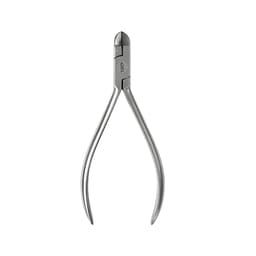
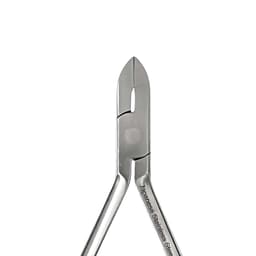
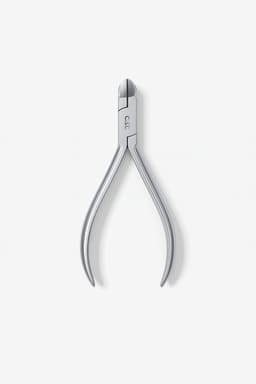
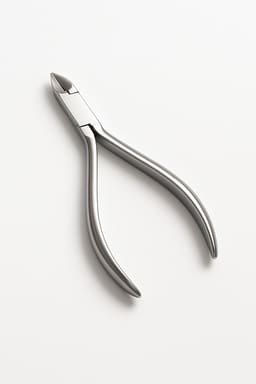
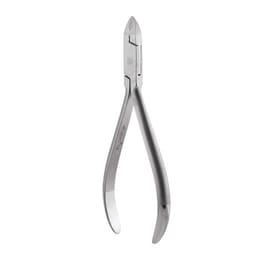
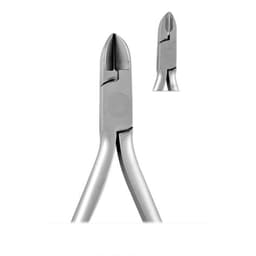
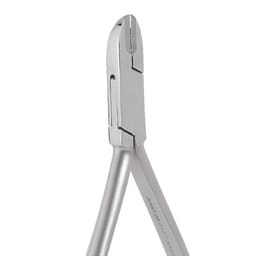
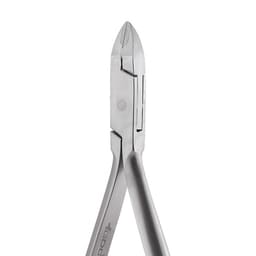
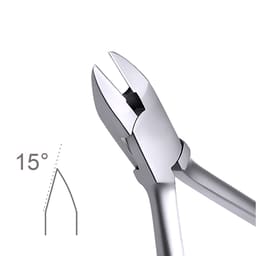
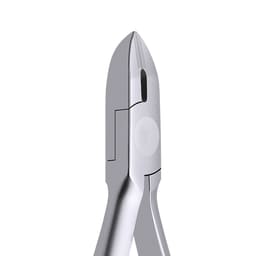
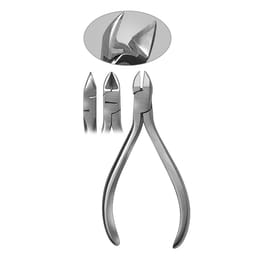
A ligature wire cutter is a fine orthodontic cutter for trimming twisted ligature ends and thin locking pins near the bracket. It comes with the head set straight, at 15°, or at 45°, plus micro and slim tips, so the blade reaches a ligature at the angle each tooth presents. Tungsten-carbide models across these angulations are available from GDC, Waldent, and OSL.
Sort by - Recommended
 Recommended
 Price- High to LowPrice- Low to High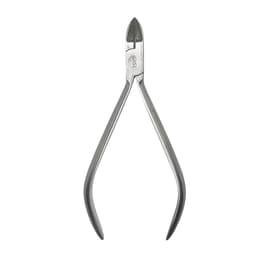
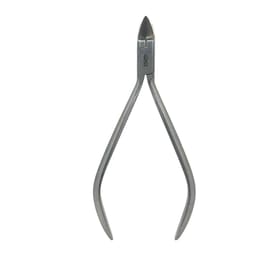
Only 2 Left
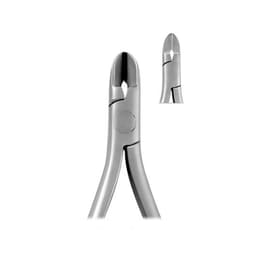
Ergonomic cutter for precise cutting of ligature wires and pins
₹ 3900₹ 7500
48.00% Off
 78
78View Similar Products
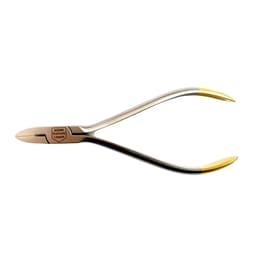
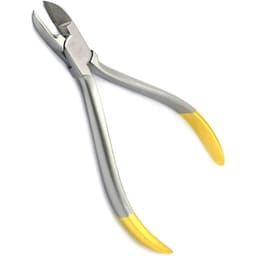
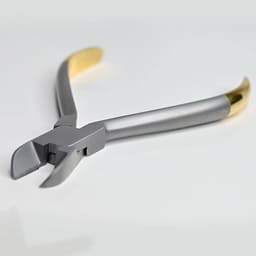
Only 5 Left
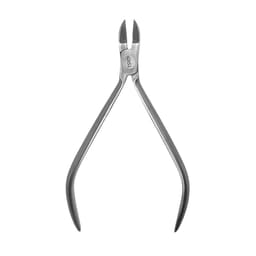
Lingual Pin & Ligature Cutter offers precise ergonomic cutting for orthodontic procedures.
₹ 2025₹ 3500
42.14% Off
2View Similar Products

Only 2 Left
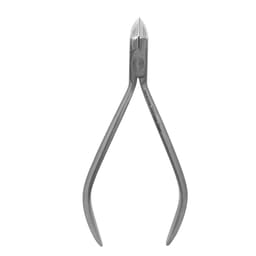
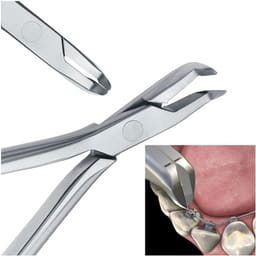
The Pin Ligature Cutter 45° is a precise orthodontic instrument used for cutting ligature wires.
₹ 2935₹ 4900
40.10% Off
59View Similar Products
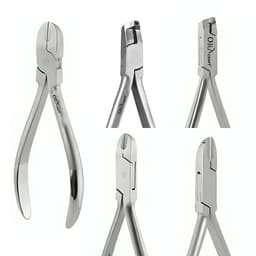
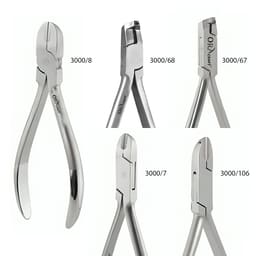
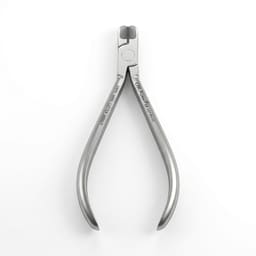
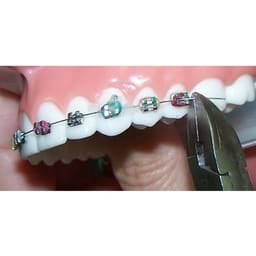
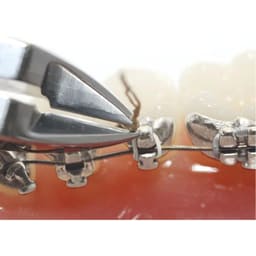
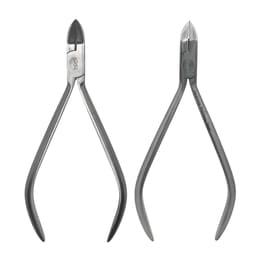
Hold, align, and cut orthodontic wires precisely with Oracraft Orthodontic Wire Cutters.
Starting at₹ 2788
View Similar Products
★ 1.0
(1)Ligature cutter designed to ensure precision cutting of ligature wire.
₹ 2935₹ 5145
42.95% Off
59View Similar Products
Only 5 Left
High-precision cutter for ligatures, pins, and soft orthodontic wires
₹ 3900₹ 7500
48.00% Off
78View Similar Products

Only 3 Left
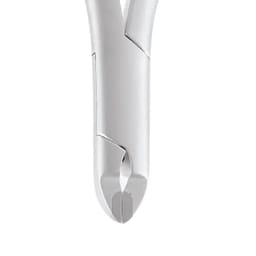
Ligature cutter designed to ensure precision cutting of ligature wire.
₹ 2935₹ 5145
42.95% Off
59View Similar Products
Only 5 Left
A precise instrument for efficient and clean cutting of ligatures in orthodontic procedures.
₹ 2935₹ 5145
42.95% Off
59View Similar Products
Filters
Sort By
RecommendedLigature Wire Cutter
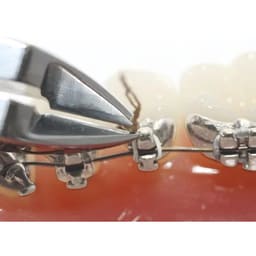
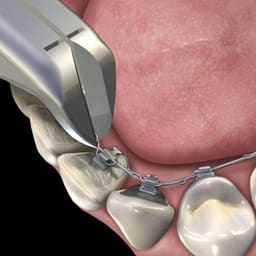
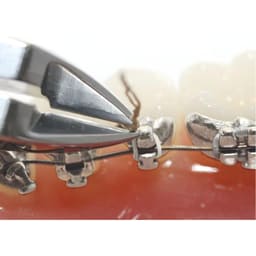
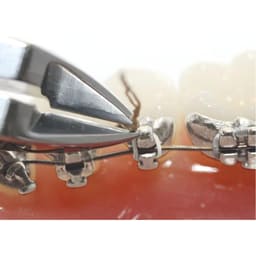
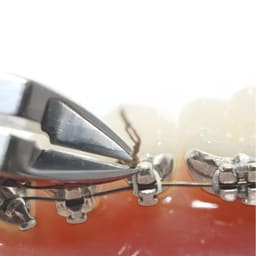
After a stainless ligature is twisted around a bracket, the twisted tail has to be cut short and tucked so it does not catch the lip or cheek. A ligature wire cutter does that fine cut — a small, sharp blade that snips the thin ligature or a locking pin cleanly, close to the bracket, without touching the arch wire. The trait that sets one cutter apart from another is the angle of its head, because reaching a ligature knot on a rotated or tilted tooth is easier when the blade comes in at the right angle. It is one of the everyday cutting orthodontic instruments used at every adjustment visit.
Straight, 15°, and 45° heads
The head angulation is the main choice, matched to access:
- Straight — the blade in line with the handle, for direct, front-of-mouth ligature cuts.
- 15° angled — a slight bend that clears the adjacent teeth and improves the view on most posterior work.
- 45° angled — a stronger bend for awkward second-molar and lingual access, keeping the hand well clear.
The angled heads exist because a ligature sits at a different orientation on every tooth, and an angle that suits an incisor will not suit a molar. Many clinicians keep more than one angulation for that reason. The ligatures being trimmed are the ligature ties that hold the arch wire in the bracket slot.
Micro and slim heads
Beyond the angle, the size of the head decides how tight a space it reaches:
- Micro head — a very small cutting head that fits between crowded brackets to reach a single ligature.
- Slim profile — a narrow body that slides into a tight buccal corridor without pushing the cheek.
- Standard head — a fuller head for routine, unobstructed cuts.
A micro or slim cutter is the one to reach for in a crowded arch or a small mouth; a standard head is quicker where access is open. For cutting locking pins as well as ligatures, the closely related pin and ligature cutter covers both.
Cutting a ligature cleanly
Trimming a ligature well is quick but deliberate:
- Position — bring the chosen angulation to the twisted tail so the blade sits close to the bracket.
- Cut — snip the ligature short, leaving no sharp protruding end to irritate the soft tissue.
- Tuck — turn the cut end in against the bracket, often with a separate tucker, so it lies flat.
A clean, short cut and a tucked end are what keep the ligature comfortable until the next visit. Because the blade is fine, cutting only ligature and pin wire — never the arch wire — keeps its edge sharp.
Build and the TC edge
For a small blade cutting thin stainless many times a visit, the edge is everything:
- Tungsten-carbide edge — a TC blade keeps snipping thin ligature wire long after a plain-steel edge would have gone dull.
- Fine, aligned blades — edges that meet precisely part the thin wire with a clean snip instead of a crushing pinch.
- A smooth joint — an accurate pivot keeps the tips together and the action light over a long list.
A plain-steel ligature cutter does the job for the occasional case, but a TC edge is what a high-volume practice depends on to keep cutting cleanly all day.
Buy ligature wire cutters at Dentalkart
The ligature wire cutters here span the angulations — straight, 15°, and 45° — plus micro and slim heads, from GDC, Waldent, OSL, Koden, and Oracraft, mostly tungsten-carbide. A clinic can pick the angle and head size that suit its access and keep a couple of angulations for different teeth. Every one is a genuine branded instrument; the angle, head, and current stock are shown on the individual page.
Frequently Asked Questions (FAQs):
What does a ligature wire cutter cut?
It trims the twisted end of a metal ligature after it has been tied around a bracket, and the thin locking pins used with some brackets. Its small, sharp blade snips that fine wire cleanly close to the bracket without disturbing the arch wire. The heavier working wire is off limits — this cutter is strictly for the thin ligature and pin wire.
Why do these cutters come in 15° and 45° angles?
A ligature sits at a different orientation on every tooth, so the blade needs to arrive at the right angle to reach it. A straight head suits front teeth, a 15° head clears neighbouring teeth on most posterior work, and a 45° head reaches awkward second-molar or lingual positions. Keeping more than one angulation covers the whole arch.
Where do the micro and slim heads help?
In a crowded arch or a small mouth, where a standard head cannot reach between brackets to a single ligature. The micro head fits those tight gaps, and the slim body slips into a narrow buccal corridor without shoving the cheek aside. Where access is open a standard head is faster, so the fine heads are kept for the difficult spots.
How does this relate to a pin and ligature cutter?
They are close cousins. One that carries the pin-and-ligature name is designed to sever both the locking pins and the ligature ties; one listed simply as a ligature cutter concentrates on the ligature ends. Both descriptions appear in this stock, and the pick usually turns on whether you also place pins, and on the head angle you favour.
Should I pay extra for a TC-edged ligature cutter?
For frequent use, yes. The blade is small and snips thin stainless many times a visit, and a tungsten-carbide edge holds that fine cut sharp well beyond what plain steel manages. Plain steel suits the occasional ligature job, but a TC edge is the sensible pick for a practice trimming ligatures daily.