

Pin & Ligature Cutter
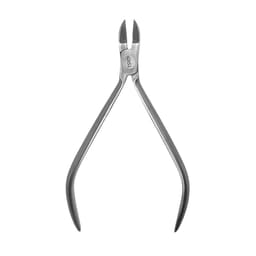
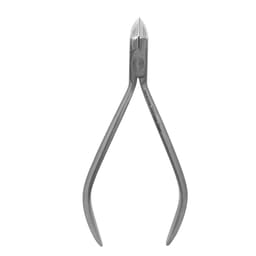
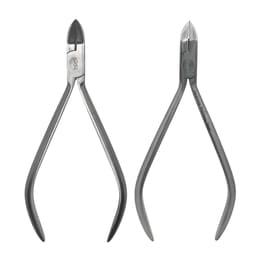
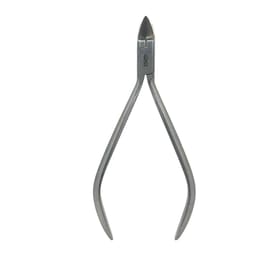
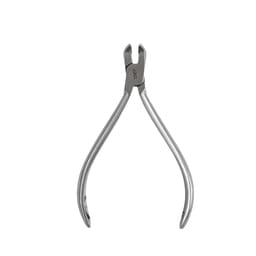
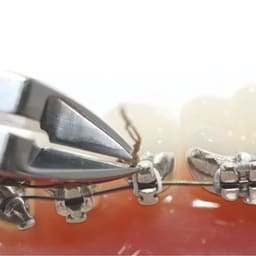
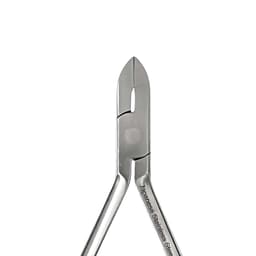
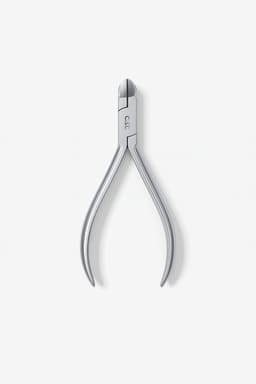
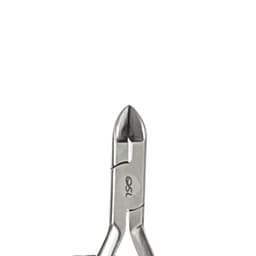
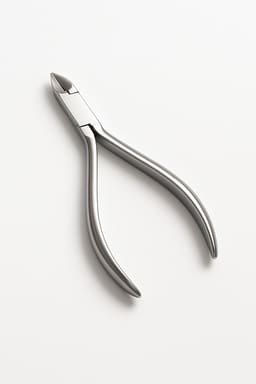
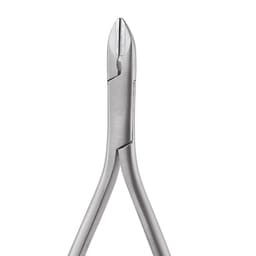
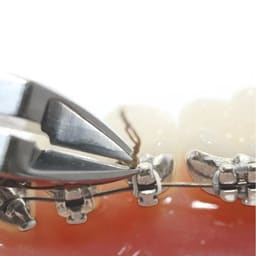
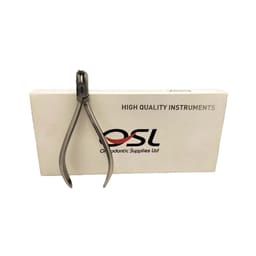
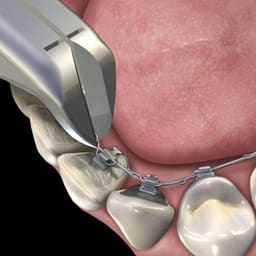
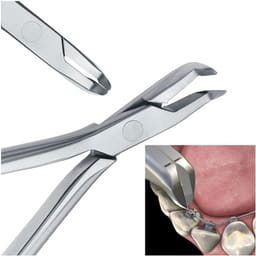
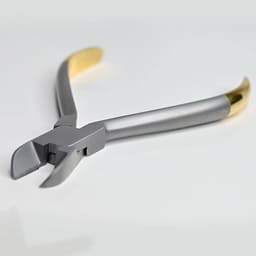
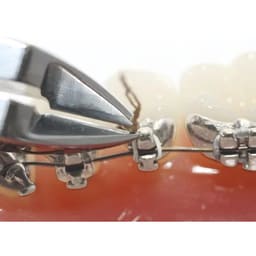
A pin and ligature cutter is a fine orthodontic cutter that removes both the locking pins some brackets use and the thin steel ligature ties, with one carbide tip. Working right at the bracket, it parts either fixing cleanly and leaves the working arch wire alone. It is stocked in standard, slim, micro, and Black Line patterns, from Waldent, OSL, GDC, and Koden.
 Recommended
 Price- High to LowPrice- Low to High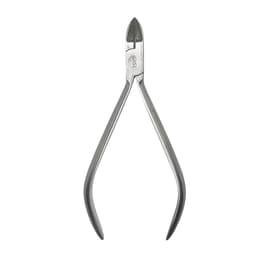
Only 2 Left
 78
78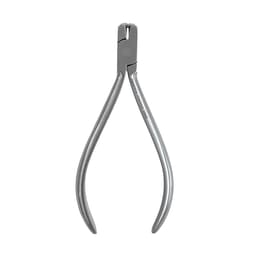
Only 4 Left
78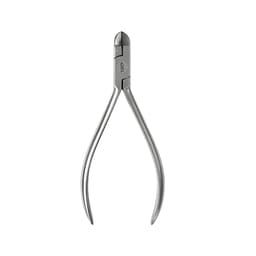
Only 5 Left
78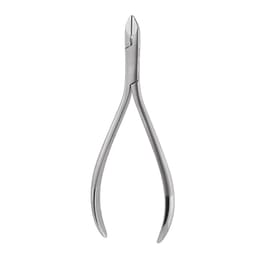

Only 3 Left
59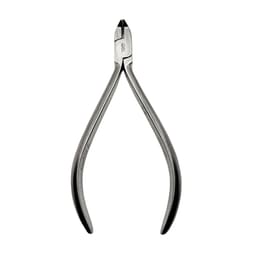
 78
78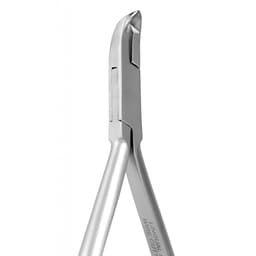

Only 2 Left
59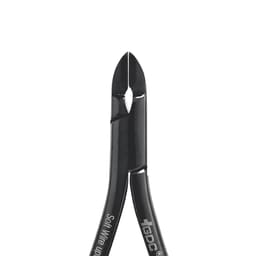

Only 3 Left
108
Only 5 Left
2Pin & Ligature Cutter
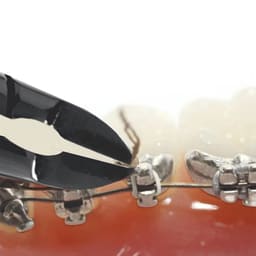
A bracket's wire is held by two small fixings: the twisted steel tie that binds the arch wire into the slot, and — on systems that use them — a locking pin. Each is fine, each sits hard against the bracket, and each has to come away neatly when the wire is changed. A pin and ligature cutter is the one tool designed to take off both. Its hard little tip parts a tie or a pin where the fixing meets the bracket, leaving the arch wire itself alone. Carrying a single instrument for the two removals, instead of picking up a second, is the practical saving it brings to a busy chair. Among the orthodontic instruments on a fixed-appliance tray, it is the nipper reached for whenever a tie or a pin comes off.
The two fixings it removes
The name states its double duty:
- Ligature ties — parts the twisted steel tie that binds the arch wire, taking it off at a wire change or when a tie is renewed.
- Locking pins — severs the thin retention pins certain bracket systems rely on, a job a ligature-only cutter is not meant for.
- Fine auxiliary wire — trims other light steel, such as a Kobayashi hook tail, within the slim gauges it is rated for.
Coping with the pin as well as the tie is what marks this cutter out from one made for ligature ends alone. The tie half of that duty involves the steel ligature ties looped through each bracket to seat the wire.
Why one tool does both
Keeping a single fine cutter for pins and ligatures fits the rhythm of a fixed-appliance visit:
- Fewer swaps — one instrument removes the tie and the pin, so the operator is not putting down one tool for another.
- Same reach — the slim, sharp point that gets to a tie also gets to a pin sitting at the bracket.
- Light gauges only — as with any fine cutter, it stays on ligature and pin steel; a heavy arch wire belongs to a hard wire cutter.
When the task is only trimming ligature ends and the deciding factor is the head angle, the closely related ligature wire cutter is written up for that.
The carbide edge and Black Line
What a pin-and-ligature cutter is judged on is how long its small edge stays keen:
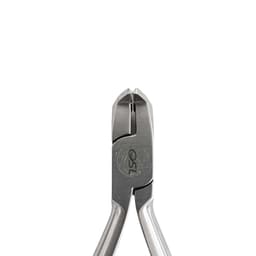
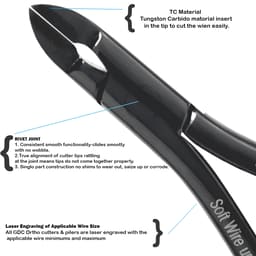
- Tungsten-carbide edge — a carbide tip goes on parting thin pins and ties well past the point a plain-steel one turns dull.
- Precisely met tips — two edges closing exactly on line, so the fixing is cut rather than pinched.
- Black Line finish — the matte dark coating on some GDC models, chosen to tame lamp glare and hold off corrosion.
Plain steel copes with the odd case; carbide is what a high-turnover clinic leans on to keep the cut clean from the first patient to the last. Slim, micro, and angled bodies extend the reach into awkward bracket positions.
Buy pin and ligature cutters at Dentalkart
The pin and ligature cutters here are mostly tungsten-carbide, in standard, slim, micro, angled, and Black Line patterns, from Waldent, OSL, GDC, and Koden. A practice can choose the tip and reach that fit how it takes off ties and pins, and rely on the carbide edge for daily turnover. The pattern, edge type, and live stock sit on each product's own page.
Frequently Asked Questions (FAQs):
What does a pin and ligature cutter cut?
It removes two fixings a fixed appliance uses — the thin steel ties that bind the arch wire, and the locking pins that some bracket systems take. Its fine hard tip parts either one where it meets the bracket, clear of the working wire. It will also trim other light steel auxiliaries, provided they fall inside the slim gauge it is rated for.
Why 'pin and ligature' — what is the pin part?
Some bracket systems retain the arch wire with a small metal pin rather than only a twisted tie. This cutter is built to sever that pin as well as the ligature, which a ligature-only cutter is not intended to do. The dual capability is the whole point of the name, and it is why clinics running pin-retained brackets keep this pattern on the tray.
Can it cut heavy arch wire?
No — like every fine cutter, it is rated for thin ligature and pin steel only. Driving a heavy stainless or beta-titanium arch wire through it will chip the delicate edge and cost its accuracy. That heavier wire is a hard wire cutter's job; holding this tool to light gauges protects its fine tip for the pins and ties it is meant to take off.
Is a carbide edge worth paying for?
For regular turnover, yes. The tip is tiny and makes many cuts through thin steel in one appointment, and carbide keeps that fine edge keen far beyond what plain steel manages. A plain-steel cutter suits the occasional case, but for a clinic changing ties and pins daily, the carbide version is the sensible buy.
What does the Black Line coating do?
Black Line is the dark coating GDC applies to some of its cutters. It does two practical things: it cuts the glare bouncing off the instrument under the lamp, and it improves corrosion resistance. The cut itself is unaffected — the carbide tip handles that — so the finish is really about easier viewing and a longer working life.