





Suction Unit Cleaners
Suction unit cleaners are disinfectant solutions run through a dental suction system to clean it from the inside. Diluted and drawn through the tubing at the end of the day, they clear the blood, saliva, and biofilm that build up in the line. Keeping the aspiration circuit clean protects suction power and stops odour and blockages.
Sort by - Recommended
 Recommended
 Price- High to LowPrice- Low to High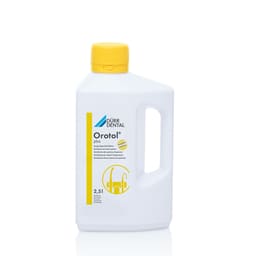



Only 3 Left
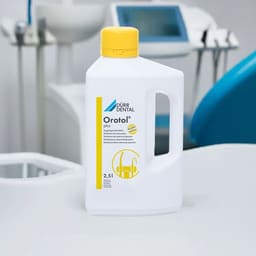
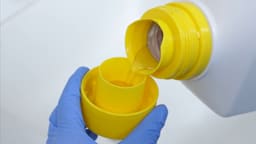
Effective 2% concentrate for cleaning and disinfection of suction systems
₹ 4915₹ 8740
43.76% Off
 49
49View Similar Products
NOTIFY ME
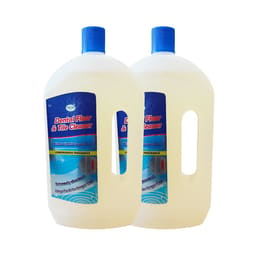
Dental floor & tile cleaner ensures deep cleaning, kills germs, and leaves a refreshing fragrance
₹ 275₹ 300
8.33% Off
6View Similar Products
Filters
Sort By
RecommendedSuction Unit Cleaners
Every aspiration during treatment pulls blood, saliva, and debris into the suction tubing, where it dries and forms biofilm. Left alone, that build-up cuts suction power, smells, and eventually blocks the line. A suction unit cleaner is the solution made to clear it. It is diluted in water and drawn through the system, usually after the last patient. That disinfects and flushes the internal circuit no wipe or spray can reach. It is the internal counterpart to the surface disinfectants that clean the operatory outside.
Why the suction line needs its own cleaner
The aspiration circuit is a sealed internal path, so it is cleaned differently from anything external:
- Reaches inside — the fluid is drawn through the whole tubing run, not applied to a surface.
- Breaks down biofilm — it dissolves the protein and blood film that ordinary rinsing leaves behind.
- Protects the pump — clearing debris keeps suction strong and the motor working freely.
A quick water rinse is not enough; the line needs a disinfectant made for it, just as the chairside surfaces need their own disinfectant wipes.
How to use a suction cleaner
Getting the routine right is what keeps the system clear:
- Dilute correctly — mix to the strength the label states; too weak underperforms, too strong wastes product.
- Run it through — draw the diluted solution through each suction line so the whole circuit is filled.
- Do it daily — a run at the end of each day stops build-up rather than fighting it later.
- Non-foaming — a low-foam formula suits the pump and avoids overflow in the separator.
Pair the routine with fresh saliva ejectors so the tips that feed the line stay clean too.
What to look for
A few points when choosing:
- Concentrate — a diluted concentrate (such as Dürr Orotol Plus) gives many runs per bottle and better value.
- Disinfectant action — confirm it disinfects as well as cleans, for true infection control.
- Material-safe — a formula that will not corrode the pump, valves, or tubing over time.
- Bulk packs — multi-bottle packs to keep a daily routine stocked without reordering often.
Suction-line care sits within the clinic's wider instrument sterilization and infection-control routine.
Frequently Asked Questions (FAQs):
What is a suction unit cleaner used for?
It cleans and disinfects the inside of a dental suction system. During treatment, aspiration pulls blood and saliva into the tubing, where it dries into biofilm. A suction cleaner is diluted and drawn through the line to dissolve and flush that build-up. This keeps suction strong, prevents odour and blockages, and disinfects a circuit that external cleaning can never reach.
Why can't I just rinse the suction line with water?
Water alone moves loose debris but does not break down the protein and blood biofilm that clings to the tubing walls. That film keeps growing, cuts suction, and harbours microbes. A dedicated cleaner-disinfectant dissolves the biofilm and disinfects the surface underneath, which plain water cannot do. Rinsing helps between runs but does not replace a proper suction cleaner.
How often should the suction system be cleaned?
Ideally at the end of every working day. Running a diluted cleaner through the lines daily stops biofilm from establishing, which is far easier than removing a heavy build-up later. Some clinics also do a quick mid-day flush during busy lists. A consistent daily routine keeps suction reliable and the system hygienic.
How do I use a suction line disinfectant?
Dilute the concentrate in water to the strength on the label. Then draw the solution through each suction line until the circuit is filled, and leave or flush as directed. Always follow the product's own instructions for dilution and contact time. Use a low-foam formula so it does not foam up in the pump or separator.
Is a suction cleaner the same as a surface disinfectant?
No. A surface disinfectant cleans external hard surfaces like chairs and worktops. A suction cleaner is drawn through the internal aspiration tubing to disinfect and de-clog the line from within. They are different products for different jobs, and a surface spray will not properly clean a suction circuit. A clinic needs both.