Login
carousel image
carousel image

Micromotors

4.3

Dental micromotors are the electric or air engines that drive straight and contra-angle handpieces, spinning a bur to cut, trim, and polish. Marathon, NSK, and Waldent lead the clinical kits, lab units, and brushless electric motors on Dentalkart. Speeds top out near 50,000 rpm with about 9.5 N·cm of torque, and brushless motors run cooler and quieter than brushed ones.

Micromotors

Dental Micromotors — Clinical, Laboratory, Electric & Air-Driven Bur Engines

A dental micromotor is the powered engine behind a rotary handpiece — the unit that spins a bur, disc, or polisher at a set speed so the operator can cut, shape, and finish. It shows up in two settings. At the chair it refines cavities and polishes restorations; on the lab bench it carries the heavier torque needed to trim dentures, adjust frameworks, and grind acrylic. The motor itself is either electric — brushed, or the quieter, longer-lived brushless type — or air-driven off the chair's compressed-air line. None of it overlaps with the endo motor, a slow, torque-limited unit reserved for driving NiTi files in a root canal.

Types of dental micromotors

Clinical micromotor kits

A chairside kit pairs a motor and control box with a foot pedal and a straight or contra-angle handpiece, ready to cut and polish in the operatory, with brushless versions the usual pick for quiet, steady torque. The Api Strong Micromotor Complete Set is a budget control-box option.

Laboratory bench micromotors

Bench and desktop units are tuned for sustained load — trimming denture bases, adjusting cast metal, finishing acrylic — and hold their speed where a slim chairside motor would bog down. The Marathon M4 (Lab) Micromotor - Hand Piece Only is a long-running example.

Brushless LED electric motors

These mount to the chair and spin a 1:5 increasing handpiece with its own light, giving torque-controlled high-speed cutting in place of an air turbine. Waldent TurboDrive and Woodpecker MT2 sit here.

Air-motor engines

An air-motor runs the same handpieces straight off the chair's air supply with no electronics — the simplest, cheapest engine for routine work. The Apple Dental Air-Motor Engine takes both straight and contra-angle heads.

Spares — control boxes, pedals, and cords

Replacement control boxes, foot pedals, and curl cords keep an existing motor running and set its speed and direction.

Where a micromotor does its work

A micromotor turns wherever a bur, disc, or polisher needs steady, controllable rotation — which covers most of restorative dentistry and almost all of the lab. The everyday jobs:

  • Refining and finishing cavity preparations at the chair
  • Polishing composite and ceramic restorations to a shine
  • Trimming and finishing denture bases and acrylics on the bench
  • Adjusting and shaping crowns, bridges, and cast frameworks
  • Occlusal adjustment and stain removal at recall visits
  • Driving a 1:5 high-speed handpiece through a brushless electric motor

How to choose a micromotor

  1. Clinic or lab — a compact control-box kit for the chair, a high-torque bench motor for prosthetic work, often one of each.
  2. Brushless or brushed — brushless lasts longer and runs cooler with no carbon brushes; brushed costs less but needs them changed.
  3. Speed and torque — light polishing and heavy denture trimming sit far apart, so match the figures to the task.
  4. Handpiece fit — E-type, straight, contra-angle, or 1:5 increasing must suit the handpieces you already run.
  5. Electric or air — electric for torque and control, air for a simple, low-cost engine off the chair line.
  6. Complete set or motor only — check whether the control box, foot pedal, and handpiece come in the box.

Micromotor brands on Dentalkart

NSK and Marathon hold the precision end — NSK's Ultimate XL and Volovere, Marathon's M-series and bench motors — built for torque and a long service life.

Waldent and Woodpecker carry the brushless electric motors for high-speed handpieces, while API, Apple Dental, Ortist, Unident, and Confident cover clinical kits, air-motors, and spares across budgets.

Why buy a micromotor from Dentalkart

What costs you over a micromotor's life is downtime, not the purchase price, so two things matter: that it is genuine and that spares are easy to get. Every motor here is sourced through the brand's authorised Indian channel under full warranty; complete kits include the control box, foot pedal, and handpiece; and the wear items — carbon brushes, cords, pedals, and handpieces — are stocked separately, so a worn unit goes back into service instead of the bin.

Filters
Sort By
Recommended

Dental Micromotors — Clinical, Laboratory, Electric & Air-Driven Bur Engines

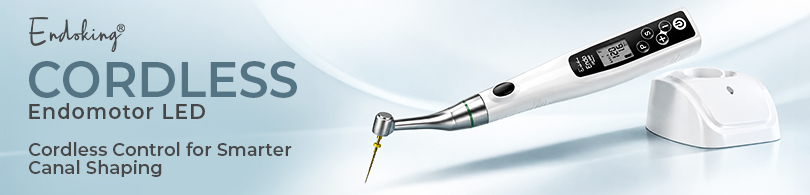
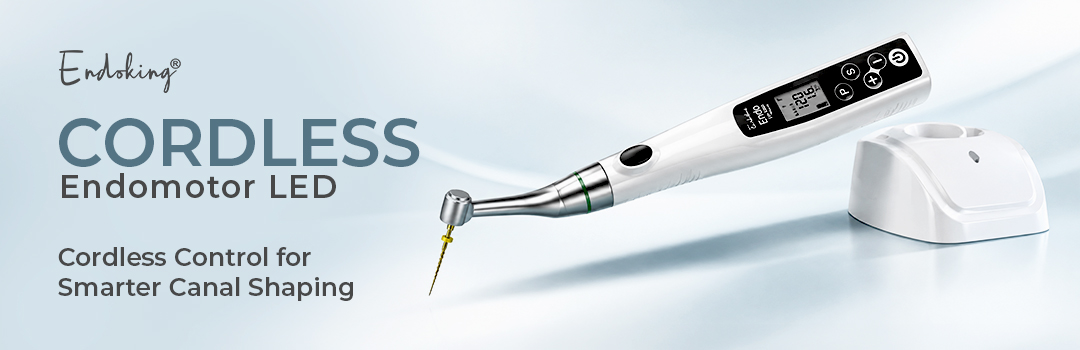
A dental micromotor is the powered engine behind a rotary handpiece — the unit that spins a bur, disc, or polisher at a set speed so the operator can cut, shape, and finish. It shows up in two settings. At the chair it refines cavities and polishes restorations; on the lab bench it carries the heavier torque needed to trim dentures, adjust frameworks, and grind acrylic. The motor itself is either electric — brushed, or the quieter, longer-lived brushless type — or air-driven off the chair's compressed-air line. None of it overlaps with the endo motor, a slow, torque-limited unit reserved for driving NiTi files in a root canal.

Types of dental micromotors

Clinical micromotor kits

A chairside kit pairs a motor and control box with a foot pedal and a straight or contra-angle handpiece, ready to cut and polish in the operatory, with brushless versions the usual pick for quiet, steady torque. The Api Strong Micromotor Complete Set is a budget control-box option.

Laboratory bench micromotors

Bench and desktop units are tuned for sustained load — trimming denture bases, adjusting cast metal, finishing acrylic — and hold their speed where a slim chairside motor would bog down. The Marathon M4 (Lab) Micromotor - Hand Piece Only is a long-running example.

Brushless LED electric motors

These mount to the chair and spin a 1:5 increasing handpiece with its own light, giving torque-controlled high-speed cutting in place of an air turbine. Waldent TurboDrive and Woodpecker MT2 sit here.

Air-motor engines

An air-motor runs the same handpieces straight off the chair's air supply with no electronics — the simplest, cheapest engine for routine work. The Apple Dental Air-Motor Engine takes both straight and contra-angle heads.

Spares — control boxes, pedals, and cords

Replacement control boxes, foot pedals, and curl cords keep an existing motor running and set its speed and direction.

Where a micromotor does its work

A micromotor turns wherever a bur, disc, or polisher needs steady, controllable rotation — which covers most of restorative dentistry and almost all of the lab. The everyday jobs:

  • Refining and finishing cavity preparations at the chair
  • Polishing composite and ceramic restorations to a shine
  • Trimming and finishing denture bases and acrylics on the bench
  • Adjusting and shaping crowns, bridges, and cast frameworks
  • Occlusal adjustment and stain removal at recall visits
  • Driving a 1:5 high-speed handpiece through a brushless electric motor

How to choose a micromotor

  1. Clinic or lab — a compact control-box kit for the chair, a high-torque bench motor for prosthetic work, often one of each.
  2. Brushless or brushed — brushless lasts longer and runs cooler with no carbon brushes; brushed costs less but needs them changed.
  3. Speed and torque — light polishing and heavy denture trimming sit far apart, so match the figures to the task.
  4. Handpiece fit — E-type, straight, contra-angle, or 1:5 increasing must suit the handpieces you already run.
  5. Electric or air — electric for torque and control, air for a simple, low-cost engine off the chair line.
  6. Complete set or motor only — check whether the control box, foot pedal, and handpiece come in the box.

Micromotor brands on Dentalkart

NSK and Marathon hold the precision end — NSK's Ultimate XL and Volovere, Marathon's M-series and bench motors — built for torque and a long service life.

Waldent and Woodpecker carry the brushless electric motors for high-speed handpieces, while API, Apple Dental, Ortist, Unident, and Confident cover clinical kits, air-motors, and spares across budgets.

Why buy a micromotor from Dentalkart

What costs you over a micromotor's life is downtime, not the purchase price, so two things matter: that it is genuine and that spares are easy to get. Every motor here is sourced through the brand's authorised Indian channel under full warranty; complete kits include the control box, foot pedal, and handpiece; and the wear items — carbon brushes, cords, pedals, and handpieces — are stocked separately, so a worn unit goes back into service instead of the bin.

Frequently Asked Questions (FAQs):

What does a dental micromotor do?

A dental micromotor powers a straight or contra-angle handpiece, spinning a bur, disc, or polisher to cut, trim, grind, and polish. The control box sets the speed and direction while the foot pedal runs it hands-free. At the chair it finishes restorations; on the bench it shapes dentures and crowns.

Micromotor or endo motor — are they the same?

No. A general micromotor spins handpieces fast and hard for cutting and polishing across clinic and lab, whereas an endo motor runs slow and torque-limited, purpose-built to carry NiTi files through a root canal with auto-reverse. Using one for the other's job ends in a stalled bur or a snapped file.

Do I need both a clinical and a lab micromotor?

If you do chairside work and your own prosthetics, usually yes. Bench motors carry the sustained torque that trimming dentures and frameworks needs, while a compact control-box kit handles chairside cutting and polishing. A practice that only treats patients can manage with the clinical unit alone.

Is a brushless micromotor worth the extra cost?

Over a few years, usually. A brushless motor has no carbon brushes to wear out, runs cooler, and holds torque more evenly, so it spends less time being serviced. A brushed motor is cheaper to buy but needs periodic brush changes — and the gap shows most under heavy daily use.

Electric or air-motor — which should I choose?

An electric micromotor gives steadier torque, finer speed control, and quieter running, and a brushless one needs little upkeep. An air-motor is simpler and cheaper, drawing power straight from the chair's compressed air with nothing to service, but with less torque and control. Many clinics keep an air-motor as a low-cost backup.

Stay Connected
15k+

Followers

ABOUT
Contact Us
About Us
Careers
CONTACT US
Investor Relations
Dealer Price Bulk Inquiry
Waldent Dealership
Sell on Dentalkart
HELP
Orders
Refunds
Payments
Rewards
POLICY
Return Policy
Terms of Use
Privacy
Sitemap
REGISTERED OFFICE ADDRESS

2016-2026, VASA DENTICITY LIMITED

Crafted with in India

Our Payment Partners
gpay
paytm
rupay
phonepe
visa
masterCard
like
4.5
Average online rating