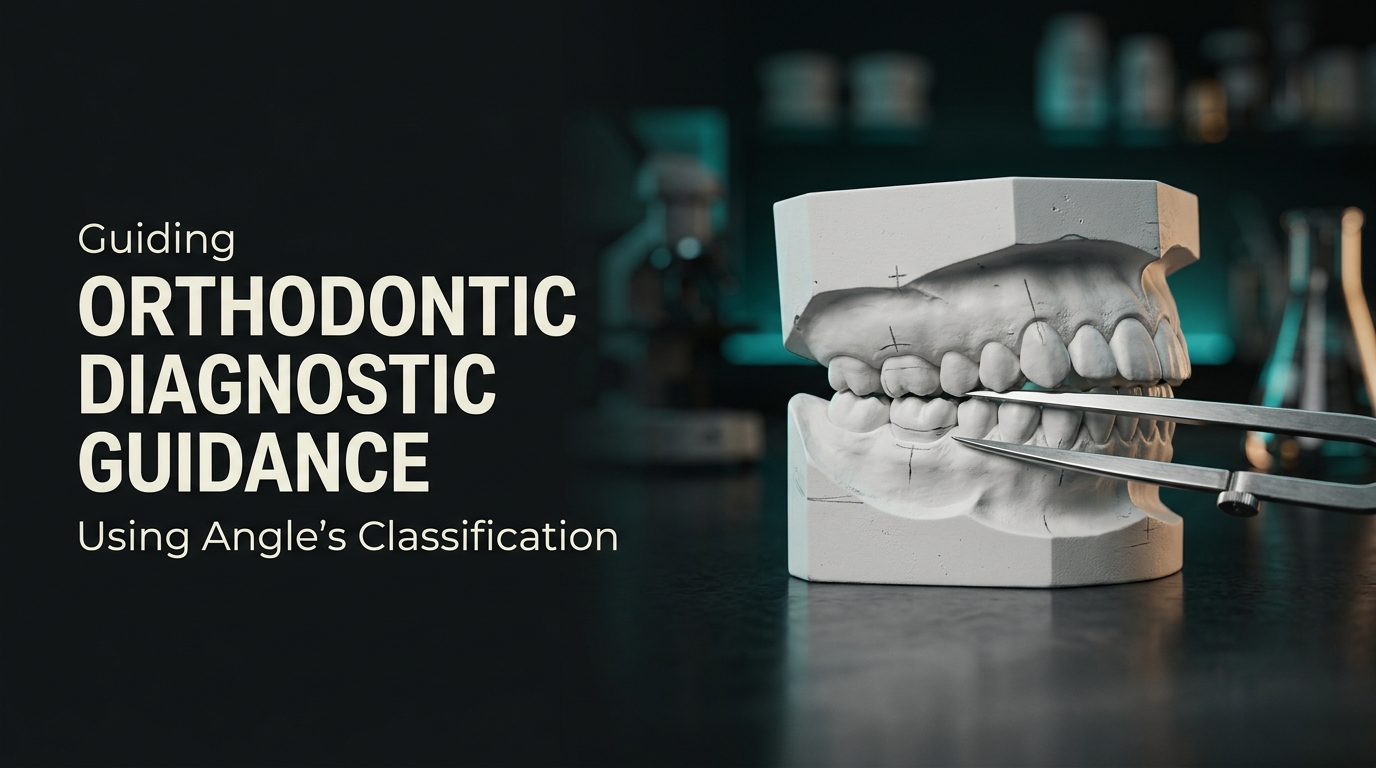
How Angle’s Classification in Orthodontics Guides Diagnosis

Dr. Gurjeet
Contributing Dental Clinician
What Is Angle’s Classification in Orthodontics and How Is It Used?
Angle's classification records the anteroposterior relationship of the first permanent molars on each side. In Class I, the upper mesiobuccal cusp occludes in the lower buccal groove; in Class II the lower molar sits distal to that position; in Class III it sits mesial. It tells you the direction and dental size of the sagittal problem. It does not tell you whether the jaws, the teeth, or both are responsible.
That limitation is the most important thing to understand about it. In my notes, Angle's class is the opening line of a diagnosis, never the conclusion.
What the Molar Relationship Actually Records
Edward Angle proposed the system in 1899, treating the maxillary first molar as a relatively stable reference. In a Class I relationship its mesiobuccal cusp occludes in the buccal groove of the mandibular first molar.
Class | Molar relationship | Commonly accompanied by |
Class I | Upper mesiobuccal cusp in lower buccal groove | Crowding, spacing, rotations, crossbites, open or deep bites |
Class II | Lower molar distal to the Class I position | Increased overjet (Division 1) or deep bite with retroclined centrals (Division 2) |
Class III | Lower molar mesial to the Class I position | Reduced or reverse overjet, anterior crossbite |

Class I is a normal molar relationship, not a normal occlusion. A Class I case can carry 8 mm of crowding, a bilateral posterior crossbite or an anterior open bite. Andrews' six keys to normal occlusion (1972) refined the molar key further: the distal surface of the distobuccal cusp of the upper first molar should also contact the mesial surface of the mesiobuccal cusp of the lower second molar. A molar can be "Class I" by Angle's definition and still be rotated or tipped enough to waste arch space.
Quantifying the Discrepancy, Not Just Naming It
"Class II" on its own says nothing about severity. Record the discrepancy in millimetres or cusp units on each side and the finding becomes usable for planning.
A full-cusp discrepancy corresponds roughly to the mesiodistal width of a premolar, around 7 mm. A half-cusp (end-on, cusp-to-cusp) relationship is roughly half that. Expressing it this way connects the diagnosis straight to the mechanics.
Worked example (hypothetical case):
Side | Molar finding | Discrepancy from Class I |
Right | Class I | 0 mm |
Left | End-on, lower molar distal | ≈ 3.5 mm |
This is recorded as a Class II subdivision left: one side Class I, the other Class II. The left side needs about 3.5 mm of sagittal correction; the right needs none. That asymmetry raises questions a single "Class II" label would hide. Is there a mandibular asymmetry, a dental midline shift, or a unilateral drift of the upper molar after early loss of the second primary molar? Each points to different mechanics, and asymmetric correction makes very different anchorage demands from a bilateral one.
Reading the Class Chairside, Step by Step
Seat the patient upright with good light and cheek retractors. You can also read it from well-trimmed study models or an intraoral scan, but always confirm step 6 clinically.
Close in habitual intercuspation. Ask the patient to bite together on their back teeth as they normally would.
Read the right molar. Note where the upper mesiobuccal cusp sits relative to the lower buccal groove, and record the difference in millimetres or as a cusp fraction.
Read the left molar. Do not assume symmetry; subdivisions are common.
Read the canines on both sides. In Class I, the upper canine tip sits in the embrasure between the lower canine and first premolar. The canine is especially useful when a molar is missing, rotated or has drifted.
Measure overjet and overbite, and check the midlines. Record both in millimetres, and note any upper or lower midline deviation.
Guide the mandible into centric relation and watch the closure. Look for a first contact on the incisors followed by a forward or lateral slide into intercuspation. A forward slide off an incisor interference is the hallmark of a pseudo-Class III.

Step 6 is the one most often skipped, and a pseudo-Class III is managed very differently from a skeletal one.
Reference Values
Feature | Reference | Common deviations |
Molar | Upper MB cusp in lower buccal groove | Distal (Class II) or mesial (Class III) |
Canine | Upper canine tip in lower canine/first premolar embrasure | Ahead or behind by part or full unit |
Overjet | About 2 to 3 mm | Increased in Class II Div 1; reduced or negative in Class III |
Overbite | Upper incisors cover about one-third of the lower crowns | Deep bite (often Class II Div 2) or open bite |
These describe a typical well-functioning occlusion, not treatment targets. A patient with a stable, functional 4 mm overjet and competent lips may need no correction of that feature at all.
Mixed Dentition: Why the Class Can Change
Read Angle's class with caution before the permanent dentition is complete, because the molar relationship is still settling. In the late mixed dentition, permanent first molars often meet end-on when the primary second molars have a flush terminal plane. As the primary molars exfoliate, the leeway space allows the lower first molar to move further mesially than the upper. Leeway space is commonly cited as about 0.9 mm per side in the maxilla and about 1.7 mm per side in the mandible (Moyers). An end-on relationship at age 9 may well settle into Class I by 12.
The practical rule: record the molar relationship and the terminal plane, monitor it, and do not commit to sagittal mechanics on an end-on mixed-dentition reading alone, unless other records (profile, cephalometry, overjet) clearly support a Class II skeletal pattern.
What the Class Changes in the Plan, and What It Cannot
The class tells you the direction of the problem. Three other factors decide what to do about it:
Source. Cephalometry shows whether the discrepancy is skeletal, dentoalveolar or both. Class I molars can sit on a Class II skeletal base when the dentition has compensated.
Growth. A growing Class II patient with mandibular retrognathism may be a candidate for a functional appliance around the pubertal growth spurt. The same molar relationship in an adult usually means camouflage (with extractions or distalisation) or surgery.
Severity and soft tissue. A mild Class III with good facial balance may be camouflaged; a severe one with a concave profile may need surgical planning, with dentoalveolar compensations removed first.

So the class steers which family of options to consider: growth modification, camouflage, space management or surgical referral. It never selects the appliance on its own. Read it alongside cephalometry, space analysis, Bolton analysis, photographs and radiographs taken on a suitable dental X-ray unit, and combine everything into one problem list before choosing between options such as functional appliances or fixed orthodontic brackets.
Documenting It So the Record Is Usable
"Class II" written in the notes is nearly useless six months later. A useful entry records:
molar class on each side, with cusp fraction or millimetres;
any subdivision;
canine class on each side;
overjet and overbite in millimetres;
Division, for Class II;
midline deviation, crossbites and any functional shift;
the dentition stage.
Dated clinical photographs from an intraoral camera, and models or scans made with accurate impression materials, let you verify the reading later and track change during treatment.
Frequently Asked Questions
Use the canine relationship as the primary sagittal indicator, supported by overjet and the cephalometric skeletal pattern. Record the molar finding as unreliable rather than forcing a class, and note the extraction or drift so the reading is not misinterpreted later.
Yes. In a pseudo-Class III, an incisor interference makes the mandible slide forward on closure. In centric relation the incisors may meet edge-to-edge and the molars may be Class I or end-on. This often responds to relatively simple interceptive correction of the anterior crossbite, whereas a true skeletal Class III stays Class III in centric relation too.
Not on its own. Agreement between examiners drops in end-on and asymmetric cases, and the system ignores the vertical and transverse dimensions entirely. For referral, pair it with the skeletal pattern, growth stage and facial profile, since these decide whether a case is straightforward or needs specialist or surgical input.
Written by
Dr. Gurjeet
Contributing Dental Clinician
Dr. Gurjeet is a practising dental clinician contributing to Dentalkart Blogs, sharing chair-side experience, treatment protocols, and equipment insights for the wider dental community.
Keep reading
Browse all →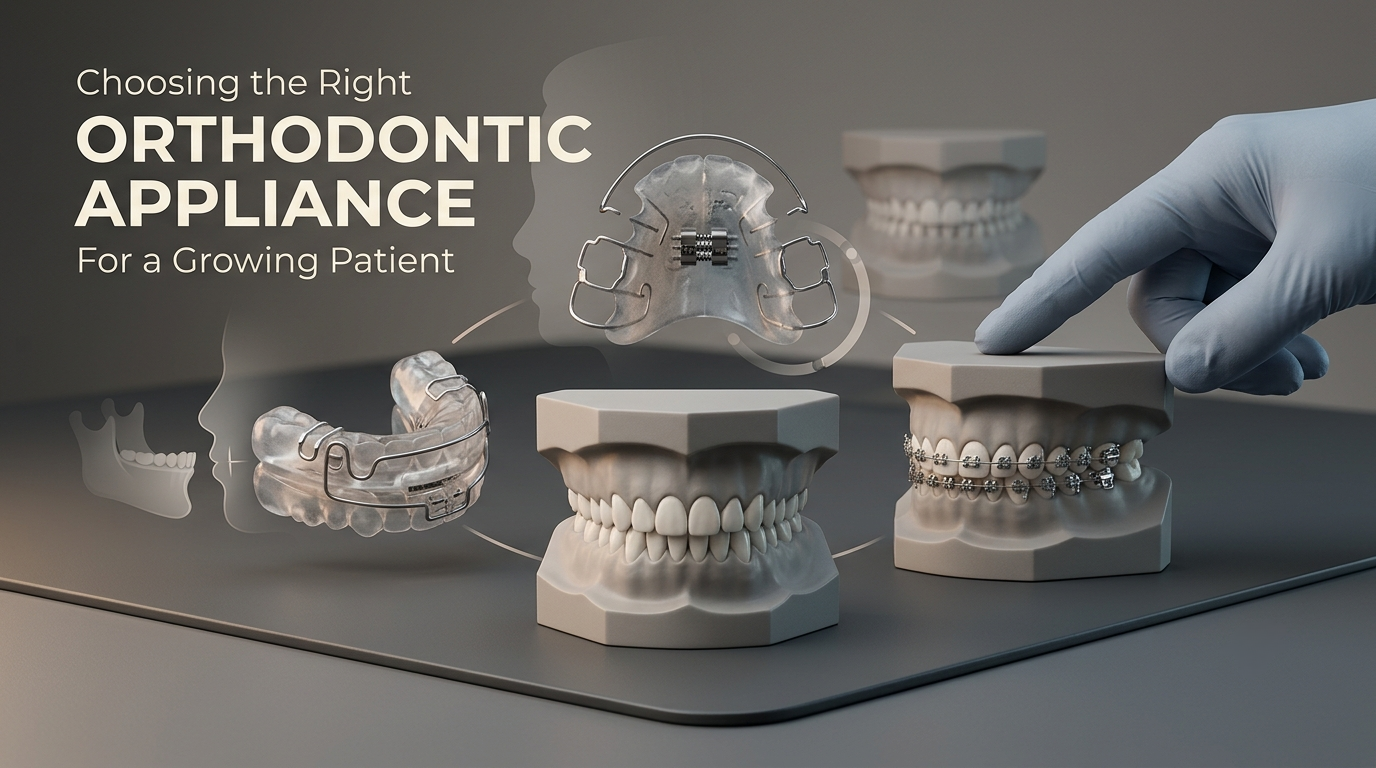
How to Choose Orthodontic Appliances for Growing Patients
How Do You Choose Between a Functional, Removable, or Fixed Orthodontic Appliance?In a growing patient, choose the appliance by the level of the problem first,
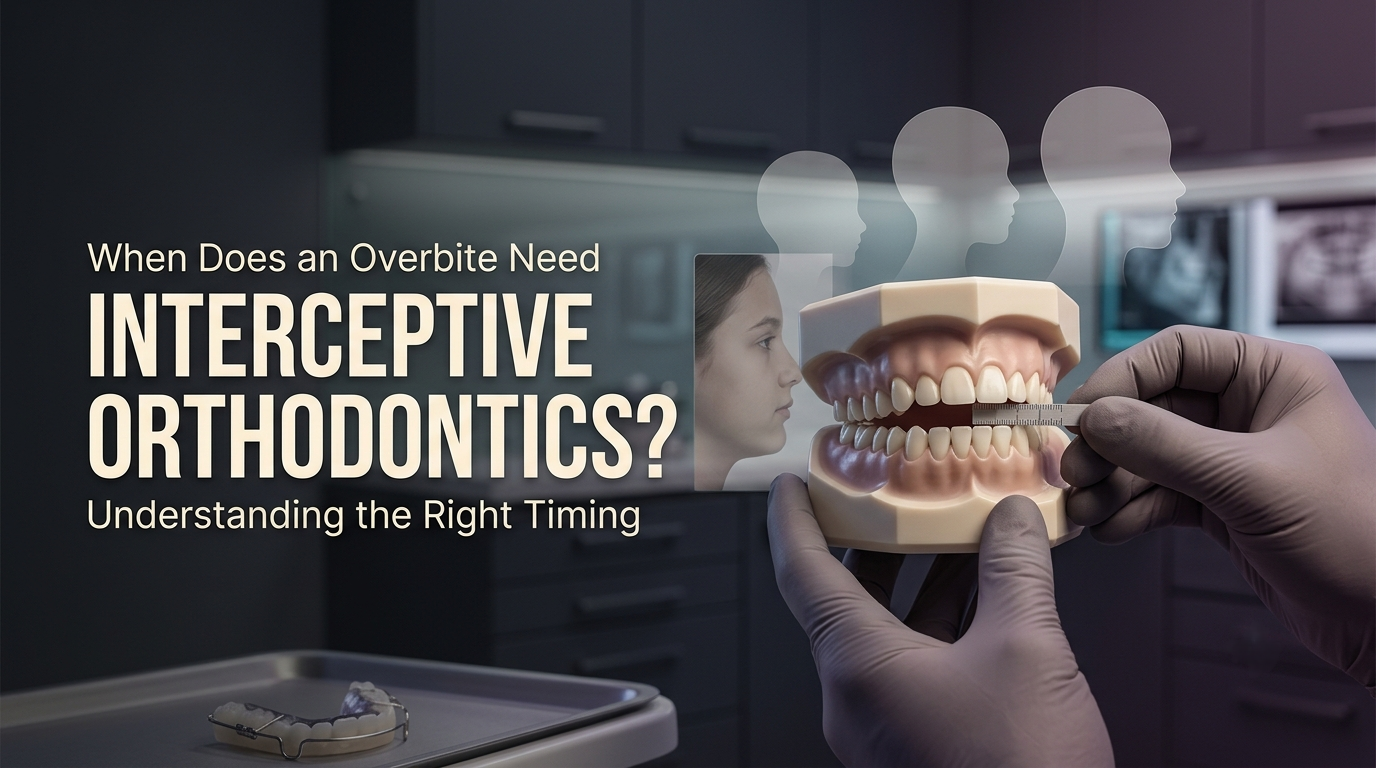
When Interceptive Orthodontics Is Needed for an Overbite
When Does an Overbite Case Call for Interceptive Orthodontics Instead of Waiting?Interceptive orthodontics is justified in an overbite case in two situations: w
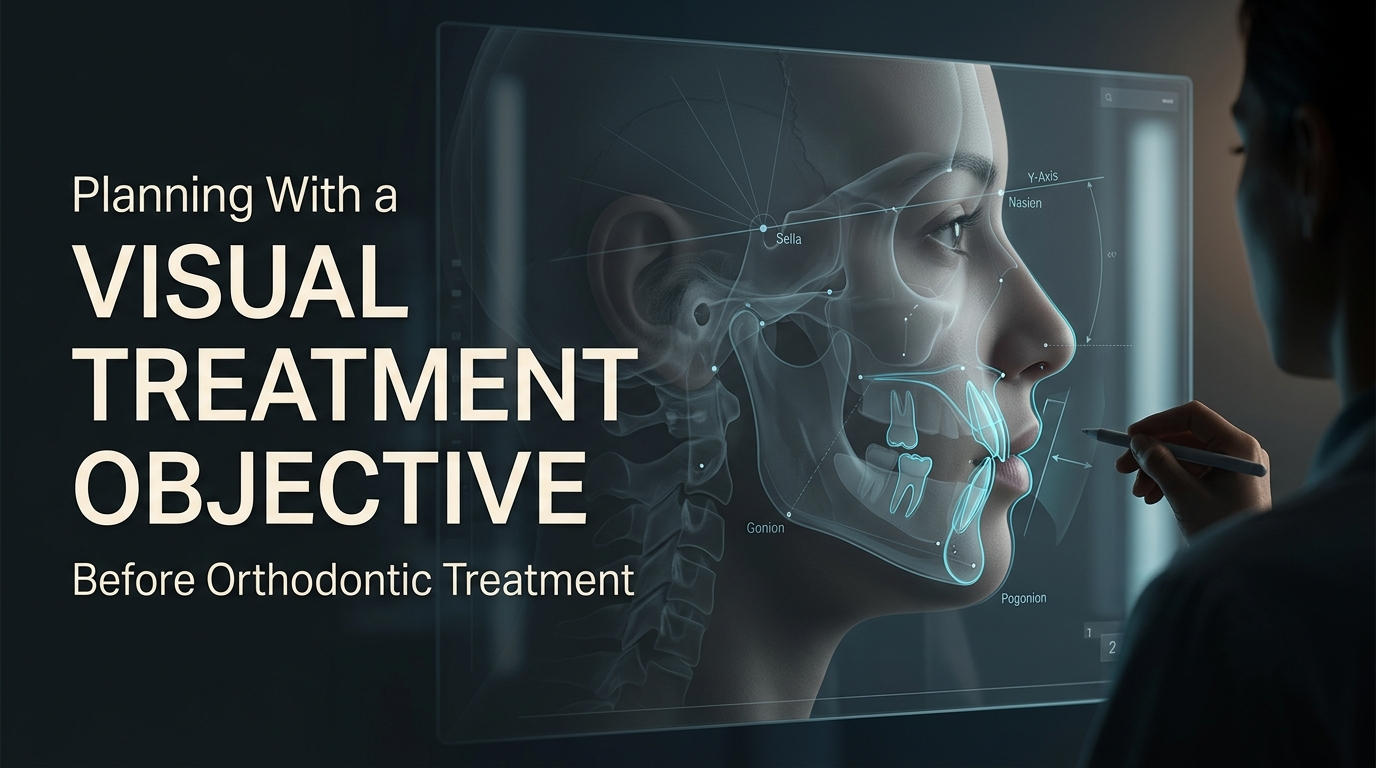
How VTO in Orthodontics Helps Plan Treatment and Outcomes
How Is a Visual Treatment Objective (VTO) Used to Plan an Orthodontic Case?A Visual Treatment Objective is used to test a plan before treatment starts. On the l