
Dr. Bhavishya Arora
Chief Dental Editor
Composite vs Porcelain Smile Design
A Clinical Selection Guide
The demand for cosmetic smile enhancement is rapidly growing. This guide provides a framework for selecting the appropriate material based on clinical indications, patient expectations, and practice workflow for these aesthetic restorations.
Table of Contents
Composite Veneers: Indications & Limitations
- Ideal for closing minor diastemas or incisal edge chips.
- Excellent for recontouring peg laterals or correcting slight rotations.
- A reversible treatment option requiring minimal enamel removal.
- Allows for easy, in-office repairs if fractures or chips occur.
- Less resistant to wear and fracture in high-stress occlusal areas.
- Prone to long-term discoloration from coffee, tea, or smoking habits.
Selecting Porcelain Veneers
- Indicated for masking severe intrinsic staining or tetracycline discoloration.
- Best for correcting significant malocclusion, crowding, or size discrepancies.
- Offer superior biocompatibility and excellent long-term gingival health.
- Provide exceptional stain resistance, maintaining their shade for over a decade.
- Requires at least two appointments for preparation, impressions, and final seating.
- The procedure is irreversible due to the necessary enamel preparation.
Clinical Decision Matrix
Aesthetics, Longevity & Chair Time
- Porcelain provides unmatched translucency and vitality, mimicking natural enamel perfectly.
- Composite aesthetics are highly dependent on the clinician’s skill and artistry.
- Porcelain restorations are expected to last 10-15 years or more.
- Composite restorations typically require replacement or major repair every 4-8 years.
- Direct composite procedures are completed in one visit, usually 2-3 hours.
- Indirect porcelain procedures span two visits over a 1-2 week period.
| Feature | Composite | Porcelain |
|---|---|---|
| Aesthetics | Very Good | Excellent premium |
| Longevity | 4-8 Years | 10-15+ Years |
| Stain Resistance | Moderate | High best |
| Repairability | Easy (In-Office) | Difficult (Lab Required) |
| Chair Time | Single Visit | 2+ Visits |
Preparation & Bonding Protocols
- Composite placement is often additive, requiring no tooth preparation.
- Porcelain requires a precise facial reduction of at least 0.3-0.5 mm.
- A total-etch or self-etch adhesive system must be chosen carefully.
- Effective isolation with a rubber dam is essential to prevent contamination.
- Proper light-curing technique is crucial for composite strength and stability.
- The cementation of porcelain requires a specific resin cement and protocol.
Frequently Asked Questions
No, direct composite materials do not respond to tooth whitening agents. If a patient wishes to whiten their teeth, it should be done before the restorations are placed. The new composite shade can then be matched to the newly whitened teeth, ensuring a uniform smile for at least 5-7 years.
Preparation for porcelain restorations is conservative but necessary. Typically, about 0.3 to 0.5 millimeters of enamel is removed from the facial surface of the tooth. This minimal reduction creates space for the porcelain, ensuring it doesn't look bulky and can be bonded strongly for a lifespan of over 10 years.
The most common cause of failure is debonding, often due to moisture contamination during the bonding procedure or excessive occlusal forces. For composites, chipping and staining over 5-8 years are also common issues. For porcelain, fracture is rare but can occur with severe trauma. Meticulous technique is key.
Porcelain is significantly better for masking dark intrinsic stains, such as those from tetracycline. Its opacity can be controlled in the lab, allowing it to completely block underlying discoloration. While opaque dental composites exist, achieving a natural look over very dark teeth can be challenging in a single visit of 2-3 hours.
Maintenance involves excellent oral hygiene, including regular brushing and flossing. Patients should avoid biting hard objects. Composites require periodic polishing every 1-2 years with professional finishing and polishing materials to maintain their luster and prevent staining, helping them last their full 5-8 year lifespan.
Written by
Dr. Bhavishya Arora
BDS, MDSChief Dental Editor
A contributing clinician at Dentalkart Blogs, Dr. Bhavishya is a compassionate, detail-driven dentist known for thoughtful patient care, clear communication, and a calm chair-side manner that puts patients at ease. Beyond the clinic, she leads product content and category initiatives at Dentalkart India's largest dental marketplace where she bridges clinical understanding with commercial insight to help dentists make better-informed product choices.
Keep reading
Browse all →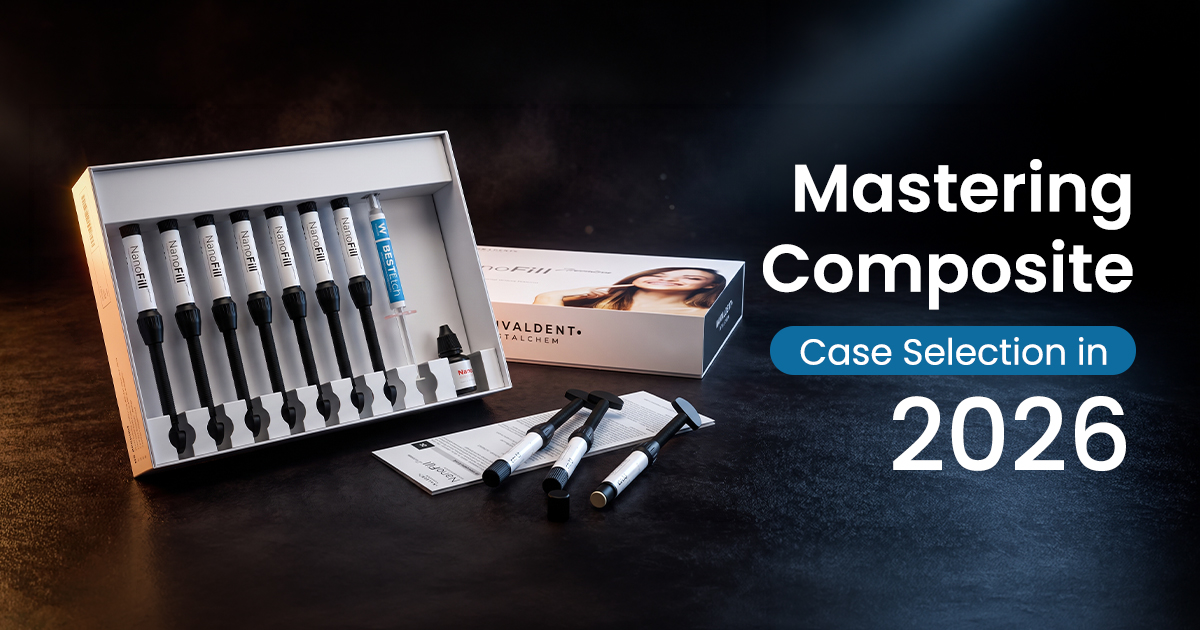
Mastering Dental Composite Case Selection in 2026
Mastering Dental Composite Case Selection in 2026Optimal Use for Aesthetic Restorations Effective composite case selection involves matching a material's specif

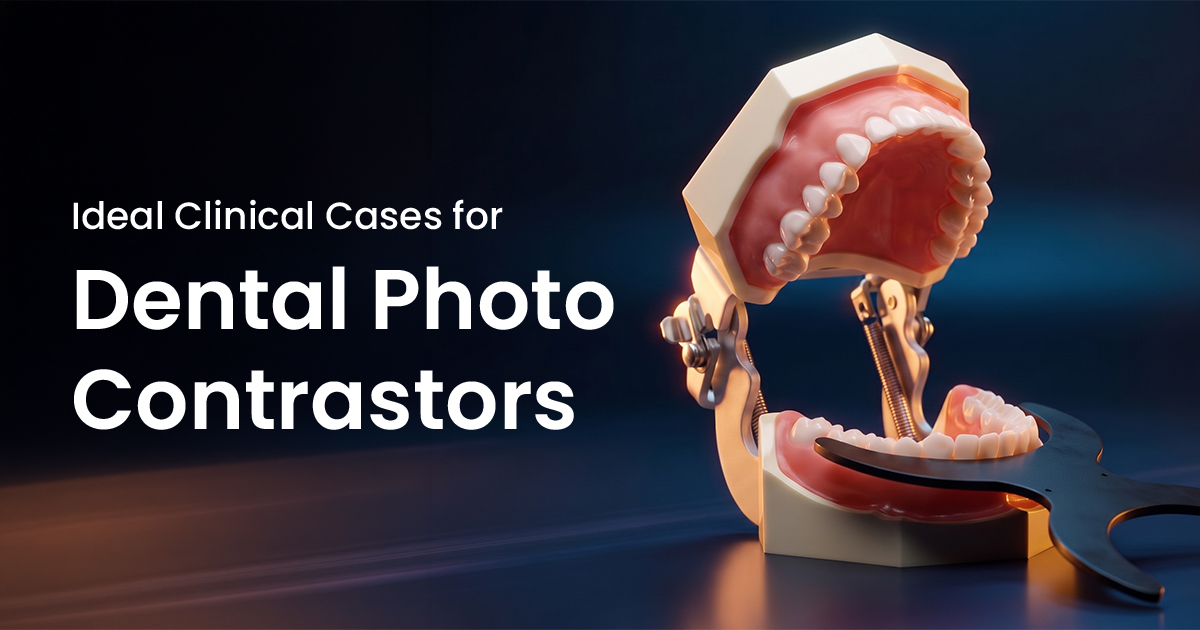
Ideal Clinical Cases for Dental Photo Contrastors
Ideal Clinical Cases for Dental Photo ContrastorsElevating Your Clinical Photography Dental photography contrastors are non-reflective, black intraoral tools th
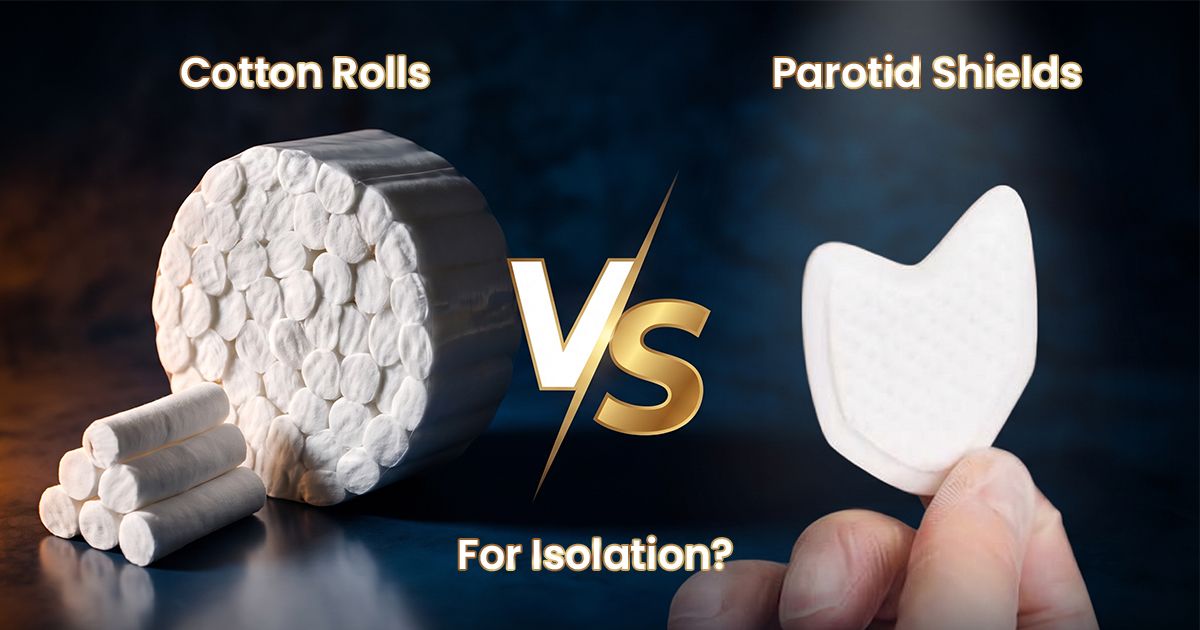
Cotton Rolls vs Parotid Shields for Isolation?
Cotton Rolls vs Parotid Shields for Isolation?A Moisture Control Decision Guide Effective dental isolation techniques depend on case selection: cotton rolls are