
Dr. Bhavishya Arora
Chief Dental Editor
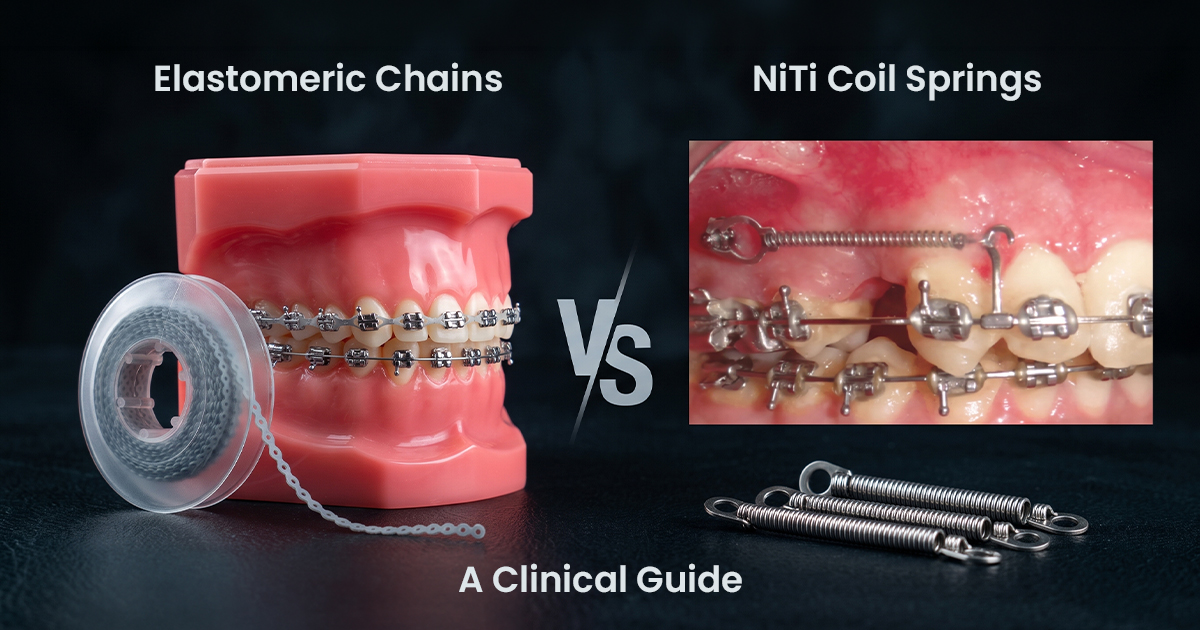
Elastomeric Chains vs. NiTi Coil Springs: A Clinical Guide
Space Closure Selection
An elastomeric power chain delivers a high initial force that decays rapidly, while a NiTi coil spring provides a lower, more continuous force. This fundamental difference in force delivery dictates their ideal clinical applications, directly influencing treatment efficiency and patient outcomes in orthodontic space closure.
Table of Contents
What are the force delivery differences?
The primary difference lies in force decay: elastomeric chains exhibit rapid, significant force degradation, whereas NiTi coil springs maintain a consistent, light force over a wider activation range. An elastomeric power chain is made of polyurethane, which undergoes stress relaxation and absorbs oral fluids, causing it to lose up to 50-60% of its initial force within the first 24 hours. In contrast, Nickel-Titanium's superelastic properties allow it to deliver a near-constant force as it returns to its original shape, providing more predictable and biologically favorable tooth movement.
This makes NiTi springs ideal for bodily movement, which requires sustained pressure. The high initial force of an elastomeric chain can exceed the optimal range for tooth movement, potentially causing patient discomfort and hyalinization of the periodontal ligament, which temporarily halts tooth movement. Therefore, selecting the appropriate orthodontic wires and springs is critical for biomechanical control.
- Initial Force: Elastomeric chains deliver a high, often supra-optimal initial force (300-450g), which can be difficult to calibrate.
- Force Decay: Chains lose the majority of their force in the first day, with continuous degradation over 3-4 weeks.
- Consistent Force: NiTi springs provide a continuous, light force (typically 150-200g for canine retraction) ideal for physiological tooth movement.
- Reactivation Schedule: The rapid decay in chains necessitates shorter reactivation intervals (every 3-4 weeks), unlike springs which can remain active for longer.
| Property | Elastomeric Chains | NiTi Coil Springs |
|---|---|---|
| Force Delivery | High initial, rapid decay | Low, continuous, consistent best |
| Force Decay (24h) | ~50-60% | <10% |
| Reactivation Interval | 3-4 weeks | 6-8 weeks |
| Biologic Response | Risk of hyalinization | Promotes physiological movement |
| Primary Material | Polyurethane | Nickel-Titanium Alloy |
Selecting Mechanics for En-Masse Retraction
For en-masse retraction of anterior teeth, NiTi coil springs are biomechanically superior due to their ability to deliver consistent, light forces over the long distance required. This continuous pressure is essential for achieving bodily movement and preventing the undesirable tipping that can occur with the fluctuating forces of elastomeric chains. Consistent force minimizes round-tripping of roots and leads to more efficient, predictable space closure with better anchorage control.
Using an elastomeric power chain for en-masse retraction requires meticulous management of anchorage and friction. The high initial force can strain anchorage units, while the subsequent rapid force drop can allow teeth to tip back and forth between appointments. The constant force from a NiTi spring sliding on a rigid stainless steel archwire minimizes binding at the orthodontic brackets, ensuring smoother translation of the entire anterior segment.
- Anchorage Control: Continuous force from NiTi springs is less demanding on posterior anchorage compared to the high initial shock of chains.
- Tooth Movement: Springs favor bodily movement (translation), which is the goal of en-masse retraction. Chains tend to cause uncontrolled tipping initially.
- Friction: While friction is a factor for both, the light, continuous force of springs is more effective at overcoming static friction for consistent sliding mechanics.
- Treatment Time: The efficiency of bodily movement with springs can often lead to shorter treatment times for space closure phases.
Elastomeric Chains
- Low cost and easy to place.
- Useful for final space consolidation (1-2 mm).
- High, uncontrolled initial force.
- Rapid force decay leads to inefficient movement.
- Increased risk of tipping and anchorage loss.
NiTi Coil Springs
- Consistent, optimal force for bodily movement.
- Greater activation range reduces appointments.
- Superior anchorage control.
- Higher cost and can be bulkier.
- Requires careful measurement for correct force delivery.
Consider Oral Hygiene in Your Choice
Oral hygiene is a critical, non-mechanical factor in selecting a space closure device. Elastomeric chains are significantly more plaque-retentive than NiTi coil springs due to their porous material and segmented design. The inter-module junctions create stagnation areas that are difficult for patients to clean, increasing the risk of gingivitis, demineralization, and enamel decalcification around the brackets.
NiTi coil springs, being a smooth, single metallic component, present a much smaller surface area for plaque accumulation and are easier for patients to brush around. For any patient with a history of poor compliance, high caries risk, or existing gingival inflammation, a NiTi coil spring is the safer clinical choice. Chains are also prone to staining from dietary chromogens (like turmeric in Indian cuisine), which can be an aesthetic concern for patients.
- Plaque Retention: The polyurethane material and design of chains harbor significantly more bacteria than metallic springs.
- Gingival Health: Increased plaque from chains can lead to persistent gingival inflammation, complicating tooth movement.
- Enamel Health: Poor hygiene around chains elevates the risk of white spot lesions, especially during long treatment phases.
- Aesthetics: Clear or light-colored chains stain easily, compromising aesthetics between appointments.
Hygiene-Based Selection Matrix
When NiTi Coil Springs Are Clinically Superior
NiTi coil springs are the clinically superior option in any scenario demanding predictable, long-range tooth translation with light, continuous forces. Their unique superelastic properties allow them to exert a near-constant force over a large deactivation distance, which is impossible to achieve with elastomers. This makes them the gold standard for closing significant extraction spaces, especially in maximum anchorage cases where minimizing forward movement of posterior teeth is paramount.
By delivering a force closer to the biological optimum (e.g., 150-200 grams for canine retraction), NiTi springs facilitate efficient cellular activity in the PDL without causing tissue damage. This translates to more comfortable and consistent tooth movement for the patient. Using them on robust, rectangular NiTi archwires or stainless steel base wires provides an excellent low-friction system for sliding mechanics, further enhancing their efficiency over elastomeric chains.
- Canine Retraction: Ideal for distalizing canines into first premolar extraction sites with bodily movement.
- En-Masse Anterior Retraction: The preferred mechanic for retracting the entire anterior segment following second premolar extractions.
- Molar Protraction: Effective for moving molars forward into edentulous spaces, which requires sustained force over a long distance.
- Impacted Tooth Exposure: A light, continuous force from a NiTi spring is ideal for gently guiding an impacted tooth into the arch.
Indications Checklist for NiTi Coil Springs
For large extraction spaces requiring substantial tooth movement and time.
When preserving the position of posterior teeth is critical to the treatment outcome.
When translation of the root and crown is needed, not just tipping.
To reduce the risk of plaque accumulation, gingivitis, and demineralization.
When patients cannot visit the clinic every 3-4 weeks for reactivation.
Conclusion: Matching Mechanic to Case Demands
The optimal choice between an elastomeric power chain and a NiTi coil spring is dictated entirely by the biomechanical requirements of the case, not by habit or convenience. While chains are simple and cost-effective for minor space closure, NiTi springs provide the superior force control necessary for complex, long-range bodily tooth movement. Critically evaluating anchorage needs, the type of tooth movement desired, and the patient's oral hygiene status is the key to selecting the most efficient and safest mechanic for predictable results.
- Force Decay: An elastomeric power chain loses approximately 50-60% of its force within 24 hours, mandating frequent reactivation.
- En-Masse Retraction: NiTi coil springs are the preferred mechanic for their continuous, light force delivery, which promotes bodily movement.
- Oral Hygiene: Prefer NiTi coil springs for patients with fair to poor hygiene to minimize plaque retention and gingival inflammation.
- Activation Range: NiTi springs remain active over a longer range, allowing for appointment intervals of 6-8 weeks, compared to 3-4 weeks for chains.
Frequently Asked Questions
Force decay is the rapid loss of applied force from an elastomeric power chain after it is stretched. This occurs because the polyurethane material absorbs water and saliva, and undergoes stress relaxation. Clinically, this means a chain can lose over half its initial force within the first 24 hours, making its force delivery intermittent rather than continuous.
An elastomeric power chain should typically be changed every 3 to 4 weeks. This interval is necessary to counteract the significant force decay that occurs. Changing them more frequently does not improve the rate of tooth movement and can lead to excessive, potentially damaging initial forces with each new application.
No, not for all cases. While NiTi springs are biomechanically superior for long-range bodily movement like extraction space closure, an elastomeric power chain is often sufficient and more cost-effective for minor tasks. This includes consolidating small final spaces (1-2 mm), correcting minor rotations, or holding spaces closed at the end of treatment.
Elastomeric chains can break due to material fatigue or degradation in the oral environment. Factors like overstretching during placement, exposure to acidic foods and drinks, and interaction with certain enzymes in saliva can weaken the polyurethane material over a 3-4 week period, leading to fracture at the inter-module links.
While it is possible, it is not the most efficient or biomechanically sound method. Using an elastomeric power chain for such a large space often results in significant tipping of adjacent teeth rather than bodily movement. A NiTi coil spring is the preferred mechanic as its light, continuous force is much more effective for translating teeth over long distances.
Written by
Dr. Bhavishya Arora
BDS, MDSChief Dental Editor
A contributing clinician at Dentalkart Blogs, Dr. Bhavishya is a compassionate, detail-driven dentist known for thoughtful patient care, clear communication, and a calm chair-side manner that puts patients at ease. Beyond the clinic, she leads product content and category initiatives at Dentalkart India's largest dental marketplace where she bridges clinical understanding with commercial insight to help dentists make better-informed product choices.
Keep reading
Browse all →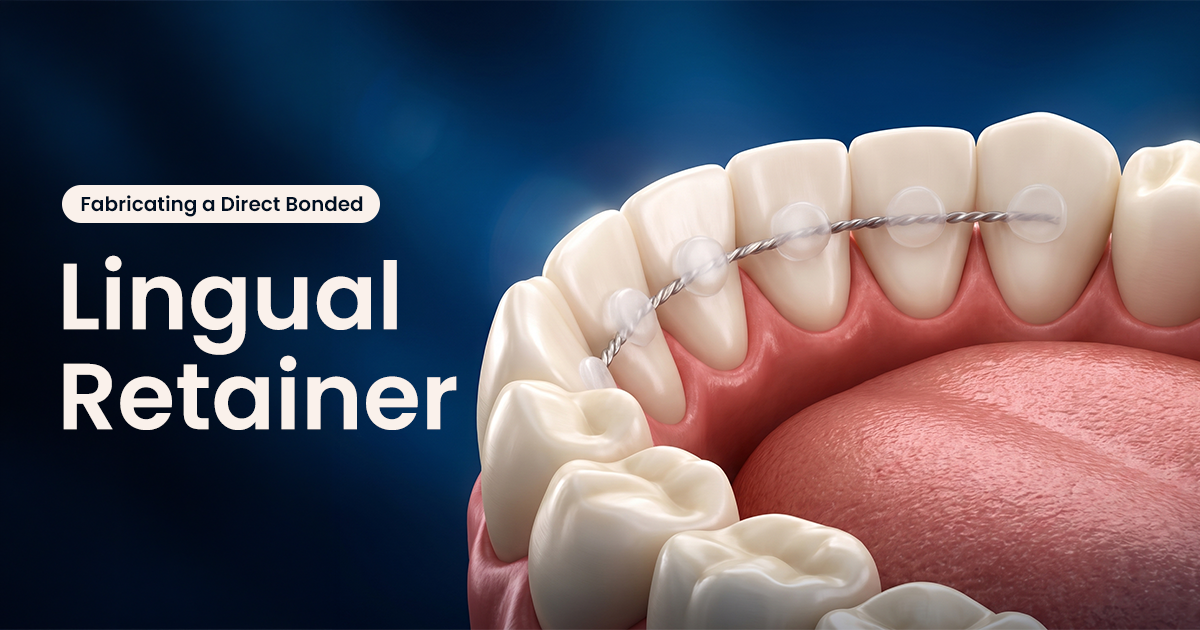
Fabricating a Direct Bonded Lingual Retainer
Fabricating a Direct Bonded Lingual RetainerA Chairside Clinical Protocol A fixed lingual retainer is a passive, multi-stranded wire bonded to anterior teeth's

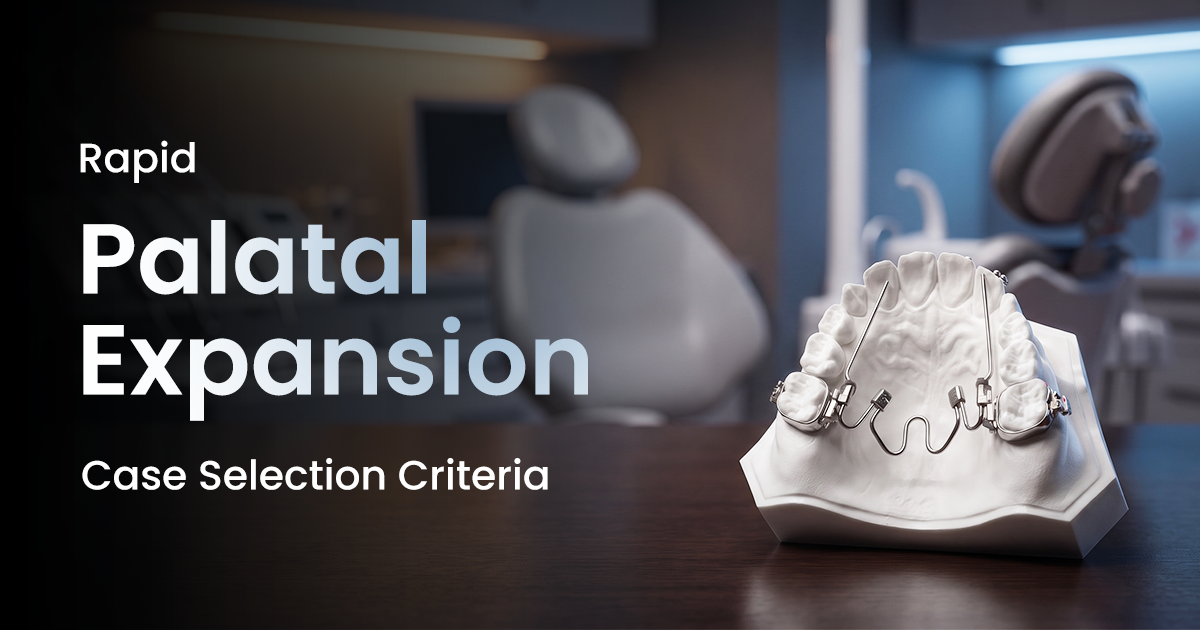
Rapid Palatal Expansion Case Selection Criteria
Rapid Palatal Expansion Case Selection CriteriaAn Orthodontic Clinical Guide A rapid palatal expander (RPE) is indicated for skeletal maxillary transverse defic

A Clinician's Guide to Pediatric Space Maintainer Selection
A Clinician's Guide to Pediatric Space Maintainer SelectionCase Selection Simplified A pediatric space maintainer is a custom-made appliance designed to preserv
