
Dr.Bhavishya
Dental Content Contributor
MTA vs. Bioceramic Repair Materials
A Clinical Selection Guide
Modern endodontics requires more than simple obturation. The choice between traditional MTA and newer bioactive putties for complex repairs can significantly impact clinical outcomes and chair time. This guide clarifies material selection for your practice.
Table of Contents
When to Use Bioceramics
- Ideal for direct and indirect pulp capping procedures.
- Used for repairing iatrogenic or pathologic root perforations.
- The material of choice for apexification in immature teeth.
- Effective for creating an apical plug during obturation.
- Serves as a reliable root-end filling material in apicoectomy.
- Excellent for managing cases of internal root resorption.
PRIMARY APPLICATIONS FOR BIOCERAMIC PUTTIES
Provides a biocompatible seal in furcal or strip perforations, promoting tissue healing.
Induces dentin bridge formation in pulp capping and pulpotomy procedures effectively.
Creates a hard tissue barrier at the root apex of non-vital immature teeth.
Acts as a superior retrograde filling material after an apicoectomy is performed.
MTA vs. Bioceramics Comparison
- Modern bioceramics are premixed, eliminating mixing inconsistencies.
- MTA typically requires a 3-4 hour initial setting time.
- Newer materials offer superior washout resistance after placement.
- MTA is known to cause potential tooth discoloration (graying).
- Bioceramic putties are generally easier to handle and place.
- Both materials demonstrate excellent biocompatibility and sealing ability.
Traditional MTA
- Long history of clinical success and research.
- Excellent sealing ability and biocompatibility.
- Difficult handling due to sandy consistency.
- Very long setting time (up to 4 hours).
- Potential for tooth discoloration (Gray MTA).
- High material waste due to mixing protocol.
Modern Bioceramics
- Premixed syringe delivery for easy handling.
- Faster setting times (around 20-30 minutes).
- High washout resistance immediately after placement.
- Non-staining formulations are widely available.
- Zero material waste due to direct application.
- Generally higher initial cost per application.
Moisture is Key
Both MTA and bioceramic putties are hydraulic cements. They require moisture to set. Ensure the field is slightly moist (but not flooded) with sterile saline before placement to initiate the setting reaction properly.
Handling and Placement Techniques
- Ensure the surgical site is clean and has hemostasis.
- Use a dedicated carrier like a MAP System for precision.
- Apply gentle tamping pressure with a suitable micro-plugger.
- Avoid over-instrumentation which can disrupt the material matrix.
- Place a moist cotton pellet over the material to aid setting.
- Confirm placement and adaptation with a radiograph post-procedure.
Step 1: Isolate and Prepare
Achieve proper isolation and clean the defect site. Gently dry the area, leaving it slightly moist to facilitate the hydraulic setting reaction.
Step 2: Dispense and Carry
Extrude a small, 2-3 mm increment of the premixed putty. Pick it up with a micro-carrier or small amalgam carrier for precise delivery.
Step 3: Place and Adapt
Carefully place the material into the defect. Use a micro-plugger with light, vertical pressure to ensure it is well-adapted against all walls of the cavity.
Step 4: Verify and Cover
Take a radiograph to confirm placement. Place a moist cotton pellet over the material for at least 15-20 minutes to start the setting process before final restoration.
Selection for Your Practice
- Evaluate the case complexity and need for precise placement.
- Consider the impact of chair time savings on overall profitability.
- Assess the material's shelf life and storage requirements.
- Factor in the cost per application, not just the total pack price.
- Check for washout resistance if immediate restoration is planned.
- Ensure the chosen material has sufficient radiopacity for follow-up.
Material Selection Matrix
KEY BENEFITS OF MODERN BIOCERAMICS
Premixed formulations eliminate mixing time and simplify the placement process significantly.
Materials are stable in the presence of moisture, reducing the risk of dislodgement.
Consistent, void-free application leads to more reliable sealing and tissue response.
Frequently Asked Questions
The main advantage is handling and efficiency. Premixed bioceramics are delivered via syringe, eliminating manual mixing which saves 5-7 minutes of chair time and prevents inconsistencies. Their creamy, non-slumping consistency and superior washout resistance make precise placement in difficult-to-reach areas, like a perforation site, much more predictable than with MTA's sandy texture.
Most modern bioceramic formulations are specifically designed to be non-staining. They use zirconium oxide as a radiopacifier instead of bismuth oxide, which is the agent responsible for the graying discoloration seen with some MTA products. For any procedure in the aesthetic zone, it is critical to select a bioceramic material explicitly marketed as non-staining, typically labeled as a 'white' or 'tooth-colored' formula.
Setting times vary by brand but are significantly faster than traditional MTA. Most premixed bioceramic putties achieve an initial set within 20-30 minutes, allowing for the placement of a permanent restoration in the same appointment. The full hydraulic setting reaction continues over the next 24 hours, achieving maximum compressive strength and hardness.
Yes, but in a unique way. These materials are hydrophilic and hydraulic, meaning they require moisture to set. The surgical site should not be desiccated; a slightly moist environment from sterile saline or residual fluid is ideal. However, excessive bleeding or fluid flow must be controlled, as it can wash out the material before it stabilizes, a process that takes about 5 minutes for newer formulas.
Written by
Dr.Bhavishya
Dental Content Contributor
A contributing clinician at Dentalkart Blogs, Dr. Bhavishya is a compassionate, detail-driven dentist known for thoughtful patient care, clear communication, and a calm chair-side manner that puts patients at ease. Beyond the clinic, she leads product content and category initiatives at Dentalkart India's largest dental marketplace where she bridges clinical understanding with commercial insight to help dentists make better-informed product choices.
Keep reading
Browse all →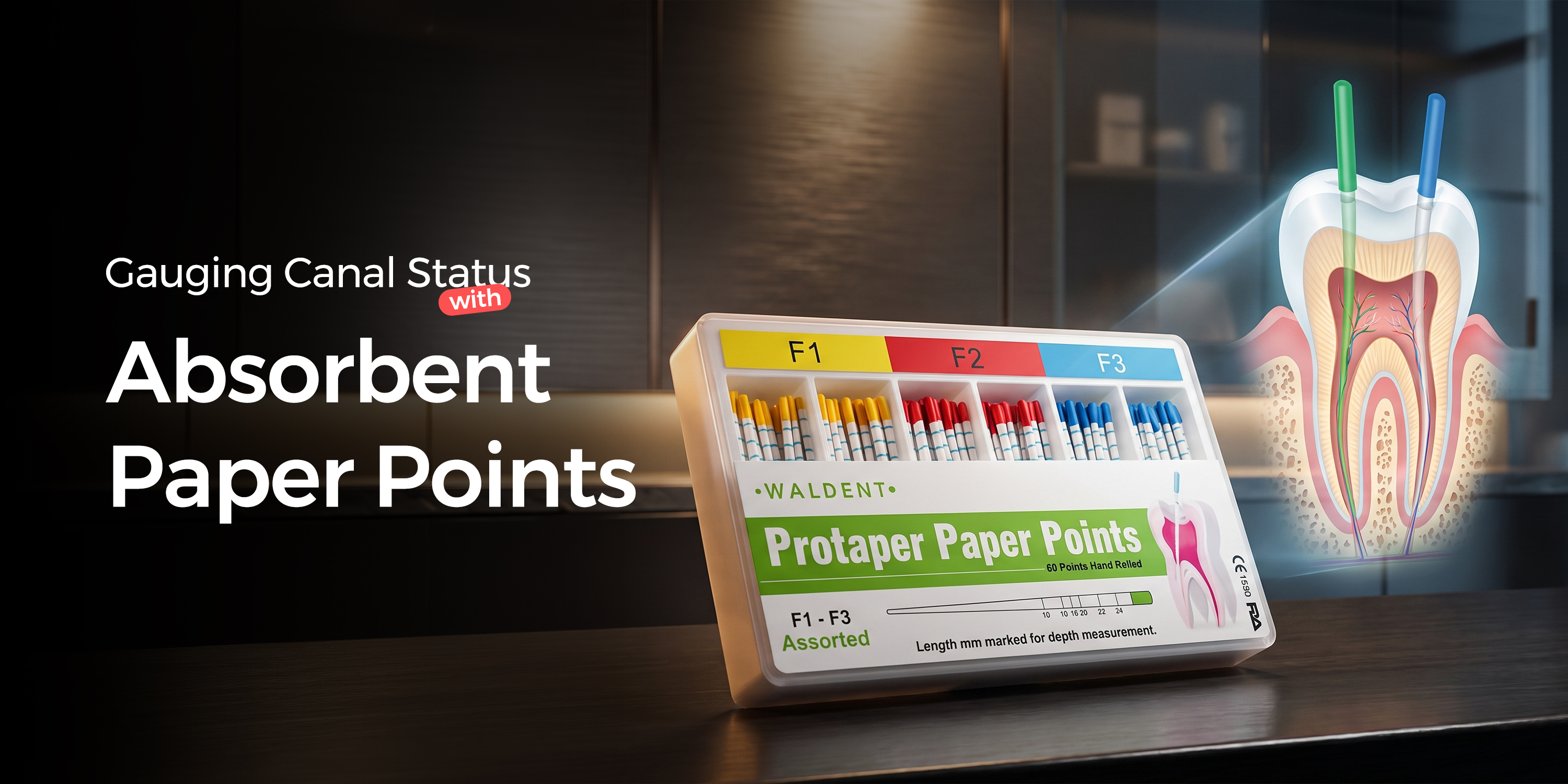
Gauging Canal Status with Absorbent Paper Points
Gauging Canal Status with Absorbent Paper PointsA Clinical Selection Guide Using absorbent paper points for diagnosis provides critical, real-time feedback on c

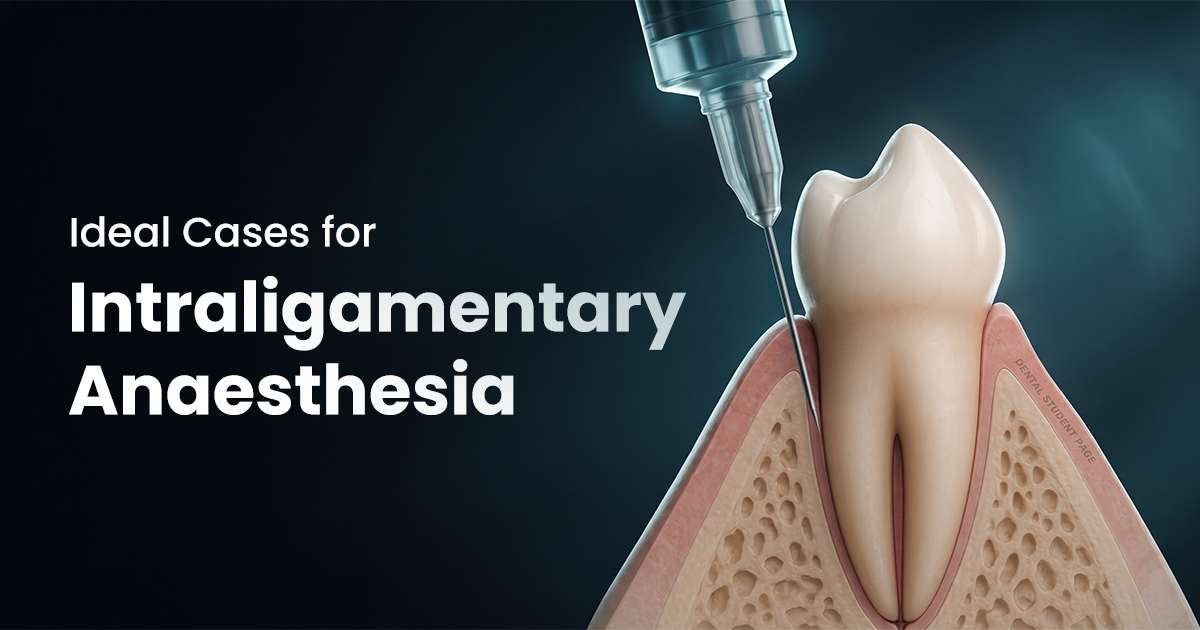
Ideal Cases for Intraligamentary Anaesthesia
Ideal Cases for Intraligamentary AnaesthesiaAn Evidence-Based Guide Intraligamentary anaesthesia is a supplemental injection technique that forces a local anaes

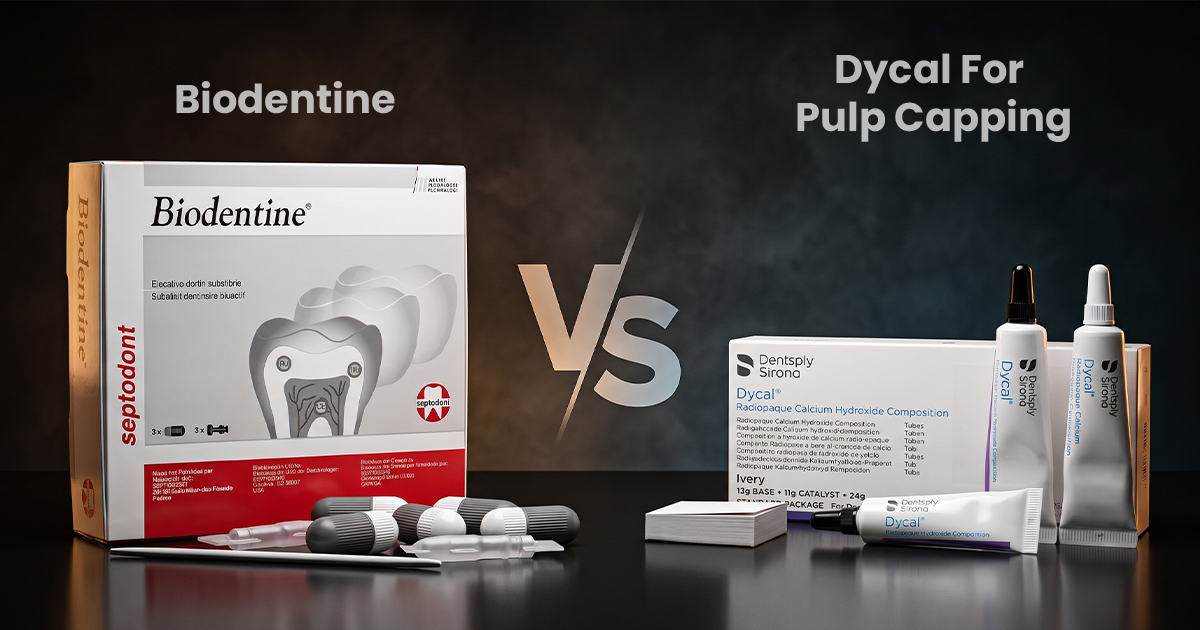
Biodentine vs. Dycal For Pulp Capping
Biodentine vs. Dycal For Pulp CappingA Case Selection Guide The choice between Biodentine and Dycal as pulp capping materials hinges on bioactivity and seal qua