
Dr. Bhavishya Arora
Chief Dental Editor
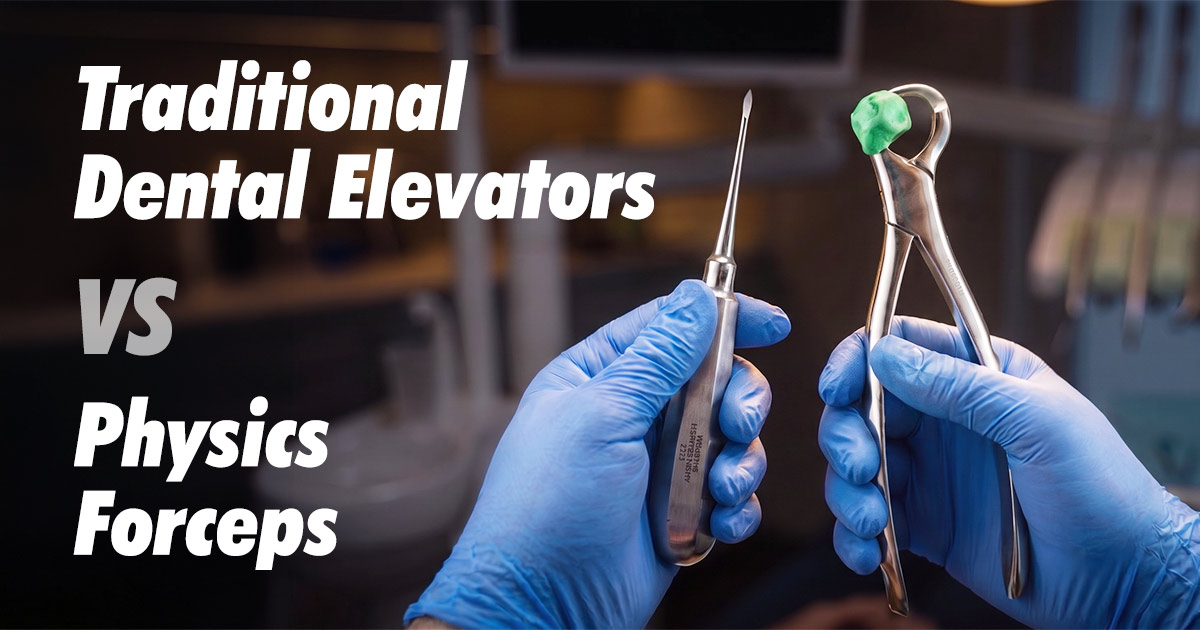
Physics Forceps vs. Traditional Dental Elevators
An Ergonomic Technique Comparison
Physics forceps reduce operator strain by using a first-class lever system that multiplies force and minimizes the physical effort of tooth extraction, offering a less traumatic alternative to traditional dental elevators. In high-volume Indian practices, adopting such atraumatic extraction instruments is critical for preventing chronic musculoskeletal injury and career-limiting fatigue.
Table of Contents
How Physics Forceps Biomechanics Reduce Operator Force
Physics Forceps operate on a first-class lever principle, fundamentally different from the wedge and screw mechanics of traditional elevators. The instrument's beak is placed on the lingual or palatal aspect of the tooth, acting as a fulcrum on the crestal bone, while the bumper applies steady pressure to the buccal alveolar ridge, creating a slow, controlled rotational force that luxates the tooth.
This mechanical advantage means the clinician applies only minimal, steady wrist rotation—often less than 20 degrees—to achieve extraction, rather than the significant apical and rotational pressure required with traditional dental elevators. This system preserves the buccal plate and drastically cuts down on the physical exertion needed for each procedure, which is a major benefit in clinics with a high volume of oral surgery products in use.
- Lever Action: Utilizes the alveolar bone as a fulcrum to multiply force, requiring minimal clinician strength.
- Constant Pressure: The bumper provides continuous, gentle pressure, allowing the periodontal ligament to release chemically and physically over 60-90 seconds.
- Energy Conservation: The design redirects the operator's wrist movement into a more efficient tooth-lifting force.
- Reduced Chair Time: The efficient force application can often shorten the duration of the luxation and extraction phase.
FIRST-CLASS LEVER BIOMECHANICS
Gentle, steady rotational force applied by the clinician's wrist to the instrument handles.
The beak of the forceps rests on the alveolar ridge, creating a stable pivot point.
The tooth and periodontal ligament, which are gently and progressively elevated from the socket.
Long-Term Ergonomic Risks of Traditional Elevators
The long-term ergonomic risk of using traditional elevators is the high incidence of cumulative trauma disorders (CTDs) affecting the hand, wrist, and shoulder. These instruments require sustained, forceful gripping and pushing, often with the wrist held in non-neutral positions like extreme flexion or ulnar deviation.
This repetitive strain can lead to conditions like carpal tunnel syndrome, tendonitis, and chronic muscle fatigue. Over years of practice, maintaining awkward postures to gain leverage for difficult extractions also contributes significantly to lower back and neck pain. Proper selection of extraction instruments — whether physics forceps or elevators — is therefore not just about clinical efficiency but also about career longevity.
- High Pinch Force: Traditional elevator handles demand a high pinch force, which strains the thumb's carpometacarpal joint.
- Awkward Postures: Gaining leverage often forces the clinician into non-ergonomic positions, straining the back and neck.
- Contact Stress: Thin handles concentrate pressure on the nerves and tendons in the fingers and palm.
- Vibration Transfer: The force required to luxate a tooth can transfer minor vibrations and jarring forces up the arm.
Repetitive Strain Injury (RSI) Alert
Sustained forceful gripping exceeding 11 N significantly increases the risk of carpal tunnel syndrome. Ensure you take frequent microbreaks to stretch your hands and wrists during long or multiple extraction sessions.
Comparing Instrument Grip and Handle Design for Wrist Health
An instrument's handle design is a primary factor in maintaining wrist health and reducing operator fatigue. The ideal ergonomic handle has a diameter of at least 10-12 mm and features a textured, cushioned surface to distribute pressure evenly across the palm and reduce the required pinch force.
Traditional elevators often feature narrow, smooth, all-metal handles that necessitate a tight, focused grip, leading to rapid muscle fatigue. In contrast, many modern atraumatic extraction instruments, including Physics Forceps, incorporate wider, silicone-molded handles. These designs encourage a more relaxed, neutral wrist posture, allowing the larger muscles of the forearm to do the work rather than the small, delicate muscles of the hand.
- Diameter: Wider handles (>10 mm) reduce muscle load and strain compared to thinner designs.
- Texture: Knurled or silicone-textured surfaces provide superior grip with less force, especially with wet gloves.
- Weight: A balanced instrument reduces the muscular effort needed to hold it steady during delicate procedures.
- Shape: Contoured handles that fit the natural curve of the palm minimize pressure points.
Traditional Thin Handles
- Provides high tactile feedback.
- Requires significant pinch force, causing fatigue.
- Concentrates pressure, increasing risk of nerve compression.
- Can become slippery when wet.
Ergonomic Wide-Grip Handles
- Reduces muscle load and risk of CTDs.
- Disperses pressure across the palm.
- Improves grip security with less force.
- May slightly reduce tactile sensitivity for some users.
Identify Extraction Cases for an Ergonomic-First Approach
An ergonomic-first approach is most beneficial in cases that predictably require sustained force, have difficult access, or involve multiple teeth. These situations rapidly accelerate operator fatigue and increase the risk of iatrogenic damage when using high-force traditional techniques.
Specifically, impacted mandibular third molars, ankylosed teeth, and patients with dense cortical bone are prime candidates for tools like Physics Forceps. Using a lever-based system in these scenarios conserves the clinician’s physical energy, protects surrounding structures, and often simplifies the procedure. Proper use of dental anaesthetics is paramount to ensure patient comfort during these often longer procedures, which may require closure with sutures and needles.
- Multiple Extractions: Reduces cumulative strain during full-mouth or quadrant extractions.
- Molars with Complex Roots: Ideal for teeth with divergent, bulbous, or hypercementosed roots.
- Ankylosed Teeth: Allows for a slow, steady application of force to break the ankylosis without fracturing the root.
- Proximity to Vital Structures: The controlled movement minimizes risk to the maxillary sinus or inferior alveolar nerve.
Selecting an Ergonomic Technique
Frequently Asked Questions
The primary difference is the application of force. Regular forceps work by gripping, squeezing, and pulling the tooth, relying heavily on clinician strength. Physics Forceps utilize a first-class lever system, where the instrument pivots on the alveolar bone to generate a slow, steady rotational force that gently eases the tooth out, requiring significantly less operator effort.
No, they are complementary tools, not replacements. Dental elevators are still indispensable for initiating luxation, creating purchase points, and removing root fragments. Physics Forceps excel at the elevation and removal stage, particularly for intact teeth, by applying force more ergonomically. The ideal setup often involves using both types of instruments at different stages of an extraction.
A new dentist should first invest in a high-quality set of periotomes and luxating elevators. These are versatile foundational instruments for severing the PDL and initiating movement with minimal trauma. Once proficient with these, adding a system like Physics Forceps is an excellent second step to manage more complex cases ergonomically and further enhance an atraumatic technique.
Strain while using Physics Forceps typically stems from improper technique, not a lack of force. The most common errors are incorrect fulcrum placement (not seating the beak firmly on the bone) or attempting to pull or twist like a traditional forcep. The technique requires a learned, gentle, and patient wrist rotation, allowing the instrument's mechanics to do the work over 60-90 seconds.
Poor ergonomics, especially the forceful, repetitive motions used with traditional elevators, leads to chronic musculoskeletal disorders (MSDs). Conditions like carpal tunnel syndrome, de Quervain's tenosynovitis, and chronic lower back pain are common. Over a career, this cumulative strain can lead to decreased productivity, chronic pain, and even forced early retirement from clinical practice.
Written by
Dr. Bhavishya Arora
BDS, MDSChief Dental Editor
A contributing clinician at Dentalkart Blogs, Dr. Bhavishya is a compassionate, detail-driven dentist known for thoughtful patient care, clear communication, and a calm chair-side manner that puts patients at ease. Beyond the clinic, she leads product content and category initiatives at Dentalkart India's largest dental marketplace where she bridges clinical understanding with commercial insight to help dentists make better-informed product choices.
Keep reading
Browse all →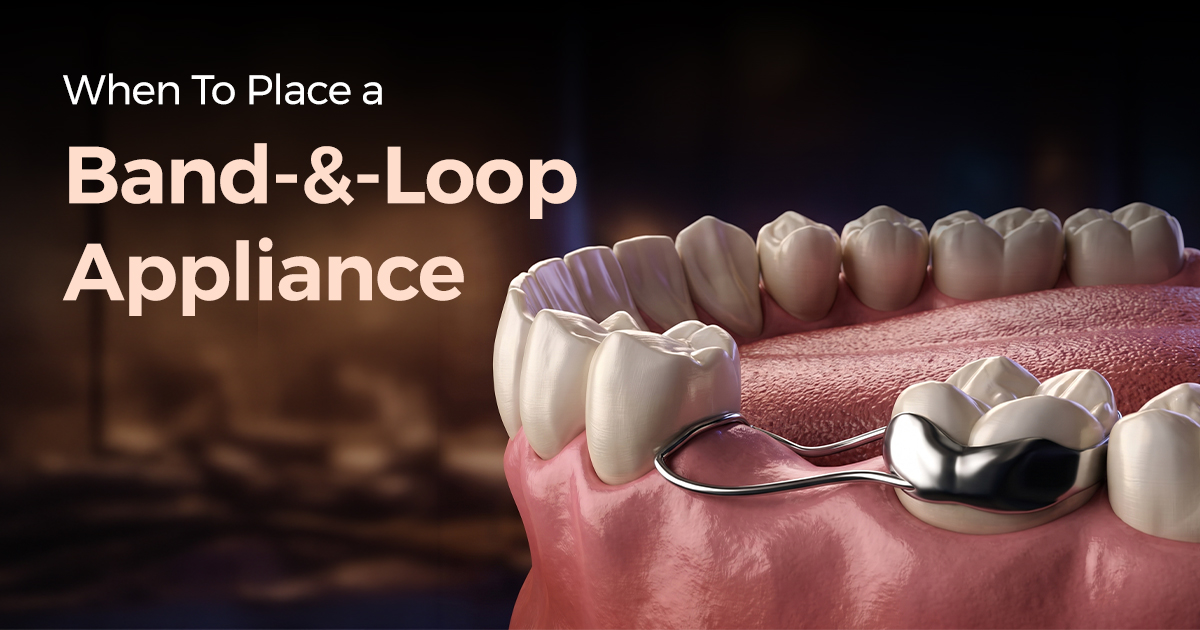
When To Place a Band-and-Loop Appliance
When To Place a Band-and-Loop ApplianceAn Evidence-Based Selection Protocol A band-and-loop is a unilateral, fixed appliance preserving mesiodistal dimension af
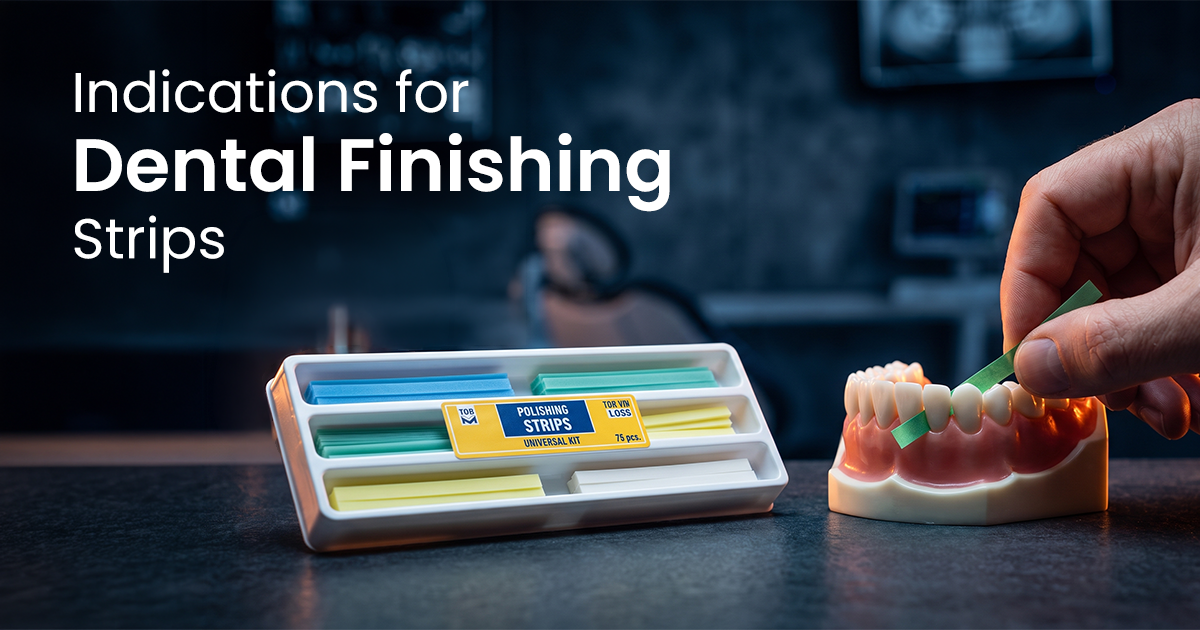
Indications for Dental Finishing Strips
Indications for Dental Finishing StripsA Clinical Selection Guide Dental finishing strips are thin, flexible abrasive instruments used for final contouring and

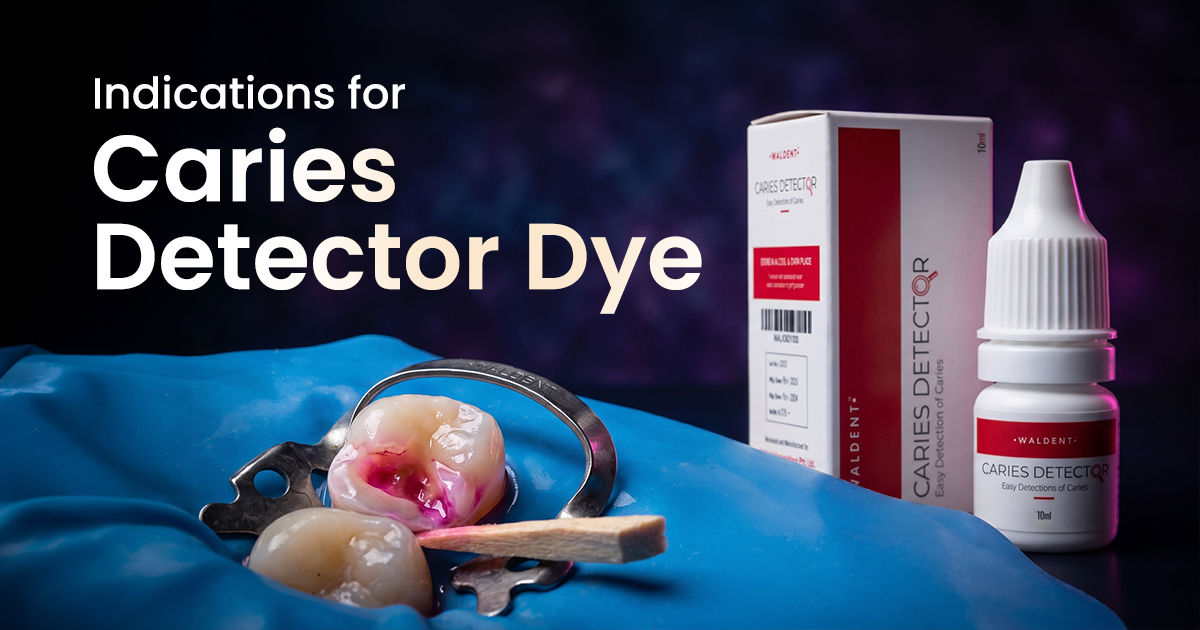
Indications for Caries Detector Dye
Indications for Caries Detector Dye A Case-Based Clinical Guide Caries detector dye aids excavation by staining denatured collagen in carious dentin, but i