Top Infection Control Mistakes Dentists Still Make: A Step-by-Step Guide

Dr. Noopur Aggarwal
Contributing Dental Clinician
Dentistry infection control is not a choice it is a life-preserving necessity. And yet, with the best of ideas, small oversights can lead to devastating consequences to your patients, to your staff, and to your practice reputation.
Even with SOPs, the majority of clinics still make routine infection control mistakes unconsciously. They're not always bad habits, they're more antiquated protocol, skipped steps, or insufficient training.
Let's address them individually in the most prevalent mistakes dentists still make, and more importantly, how to fix them realistically and feasibly.
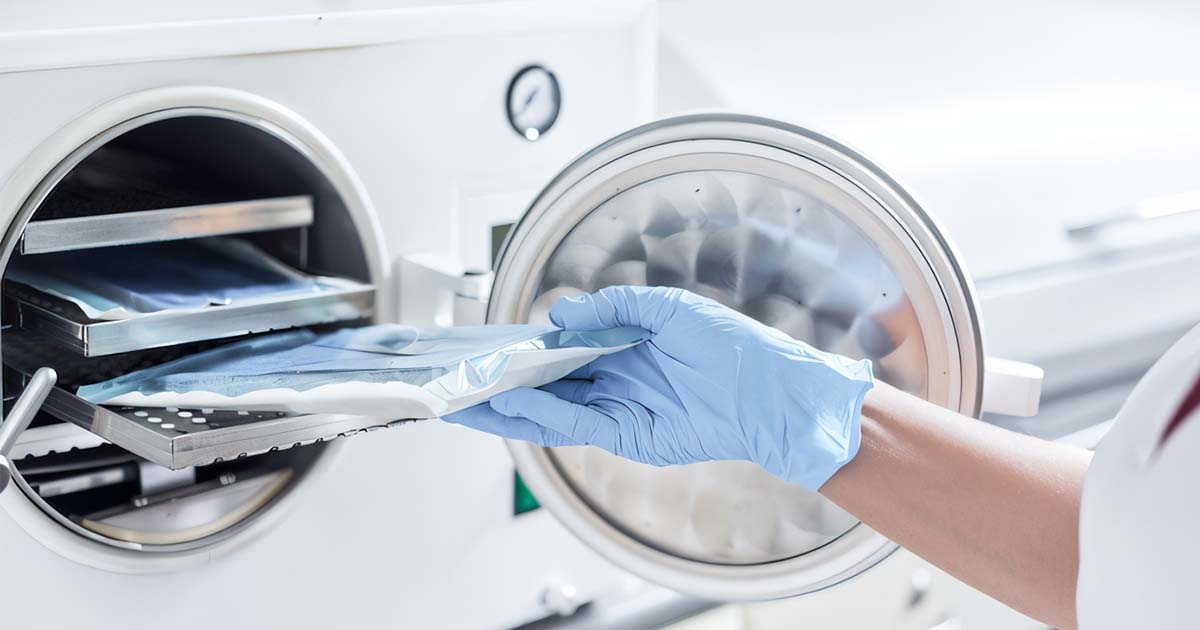
1. Incomplete Sterilization of Instruments
It's easy to assume that once you autoclaves an instrument, you are set. But:
- Are you pre-cleaning out debris prior to sterilizing?
- Are instruments dried beforehand before autoclaving?
- Are cassettes packed such that steam cannot penetrate through?
Mistakes We Make:
- Not pre-cleaning (ultrasonic or manual)
- Overloading with too many things in one pouch
- Use of old/broken pouches
Correct It:
- Always Ultrasonically clean or manually scrub before sterilizing
- Don't overloading the Autoclave
- Put Sterilization indicator in each pouch
- Record and report sterilization cycles daily
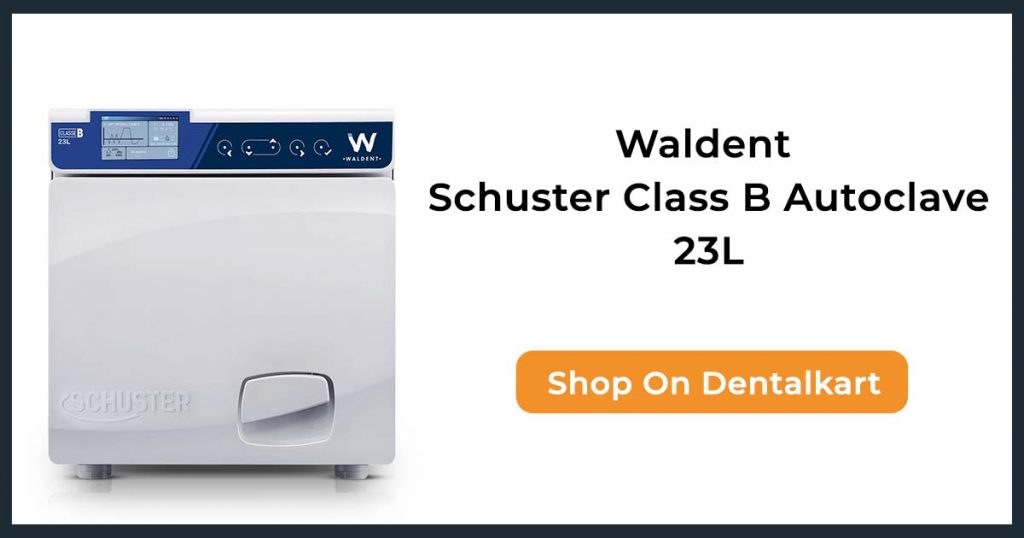 Top Infection Control Mistakes Dentists[/caption]
2. Not Changing Gloves or Masks Frequently Enough
How often do you change your mask or open a drawer during a procedure?
Even when gloved, cross-contamination is an easy occurrence-
- Touching unsterile surfaces
- Reusing the same gloves from one operatory to another
- Reusing masks on several patients
Correct It:
- Change gloves with each patient.
- Replace masks each patient or when damp.
- Use barrier protection (e.g., water film) on contact surfaces.
3. Inadequate Surface Disinfection
Cleaning a chair once a day? That's not enough.
Most dentists or assistants forget:
- Disinfecting chair handles, light switches, drawer knobs
- Utilizing fresh disinfectant wipes (not dry out ones)
- Allowing contact time for disinfectants
Fix It:
- Disinfect all surfaces between patients
- Apply EPA-approved disinfectants
- Use recommended contact time (usually 1–3 minutes)
- Use disposable barriers where possible on high-contact surfaces
4. Reusing Single-Use Items
It occurs more frequently than you know especially in low-budget clinics.
Examples:
- Saliva ejectors
- Air-water syringe tips
- Plastic sleeves or suction tips
Although they "look clean," they aren't designed to be reused and may harbor biofilm or disease-causing agents.
Fix It:
- Use disposable items Single-Use, no exceptions
- Buy bulk to reduce per-piece cost
- Educate staff why reusing disposables is illegal and a moral risk
5. Poor Hand Hygiene
Gloves are never an alternative to handwashing.
Poor hand hygiene: During glove removal Before donning new gloves Between non-clinical and clinical activity. equals cross-contamination continues.
Correct It:
- Follow WHO's 5 Moments of Hand Hygiene
- Apply alcohol-based hand rub on clean hands
- Hand wash with soap and water after every session, or if visibly dirty
6. Inappropriate Waste Disposal Procedures
Poor disposal of:
- Sharps
- Bloody gauze
- Used PPE
- Amalgam waste.
May result in injury, fine, or contamination.
Common Errors:
- Over-filling sharps containers
- Dumping clinical waste in general bin
- Failure to color-code biomedical waste bags
Get It Right:
- Use puncture-proof sharps containers
- Label and sort waste (yellow, red, blue, black bags)
- Work with a certified biomedical waste manager
7. Failing to Monitor Sterilization Effectiveness
Even if your autoclave is running every day, are you sure it's properly sterilizing anything?
Gaps:
- Failing to utilize biological indicators on a weekly basis
- Failing to inspect autoclave printouts or sterilization records
- Non-functional autoclaves with invalidations
Fix It:
- Utilize Class 5 chemical indicators in each load
- Use Biological Indicators (spore tests) at least weekly
- Maintain a logbook of sterilization cycles and maintenance checks
- Have the autoclave serviced every 3–6 months
8. Undertrained or Unaware Staff
It's not always the dentist; it's the assistant or receptionist who skips a step for habits or ignorance.
Infection control is a team effort.
Fix It:
- Offer monthly infection control training
- Place protocols in sterility and operatory areas
- Assign one team member as an Infection Control Lead
9. Waterline Contamination Ignored
Dental unit waterlines can harbor biofilm and Legionella bacteria if not properly disinfected.
Symptoms do not quickly appear, but periodic flushing is not enough.
Fix It:
Flush lines 2 minutes every day, 20–30 sec between patients Use dental waterline disinfectants weekly Test waterlines quarterly or as per local regulation
10. Outdated Procedures and Complacency
Most dentists still depend upon 2010-era infection control SOPs. Guidelines change, particularly post-COVID.
Also, older employees get too complacent, corners without an appreciation for the risk.
Fix It:
- Check CDC or DCI infection control practices annually
- Audit your clinic policy every 6 months
- Encourage a no-blame culture in which employees can report violations without fear
Steps of Instrument Sterilization-
- Manual Cleaning using soap and water.
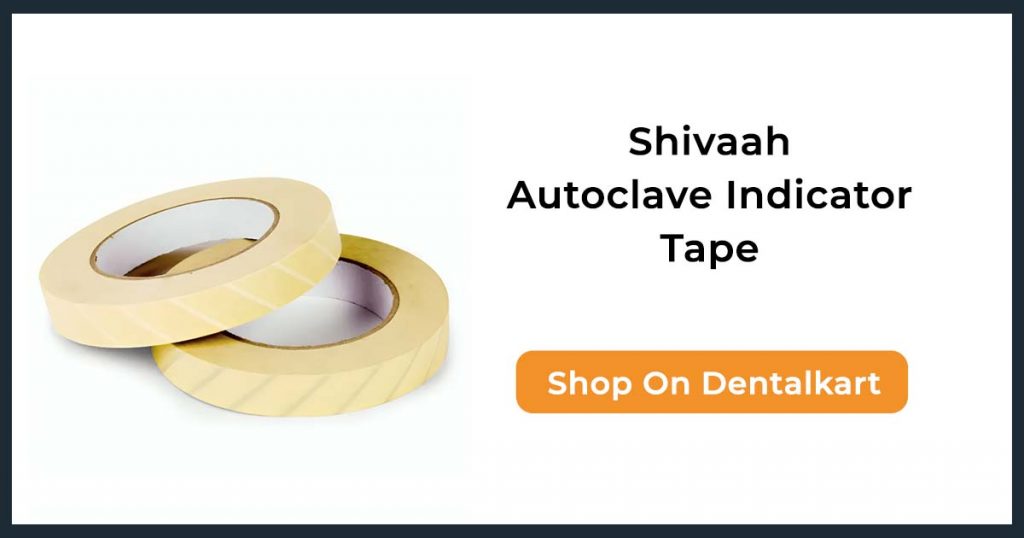
- Ultrasonic Cleaning- using an Ultrasonic Cleaner
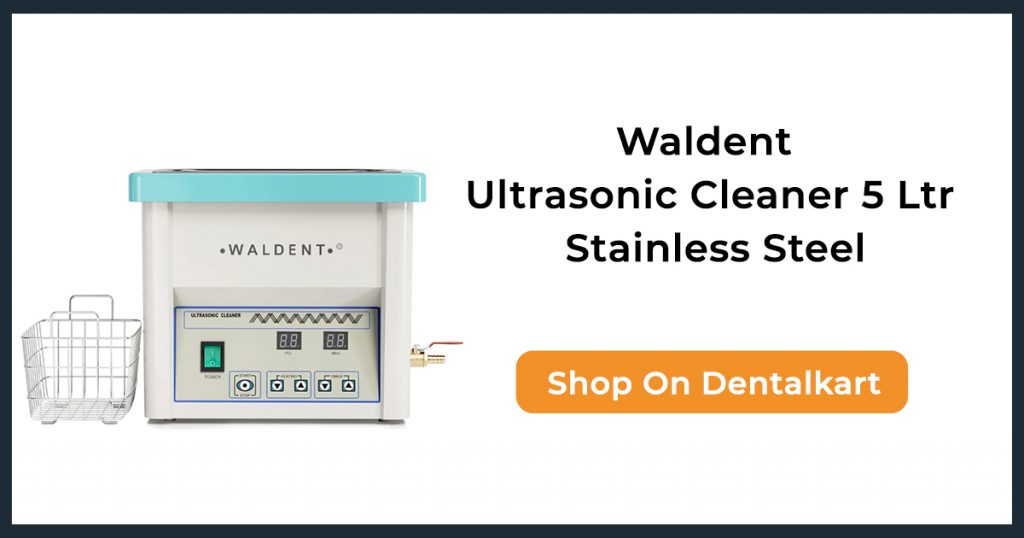
- Sterilization Monitoring- Done Using Indicator Tapes, instruments are to be kept in Sterilization pouches.
- Steam Sterilization- Pack Instruments in sterilization pouches and put them in Autoclave.
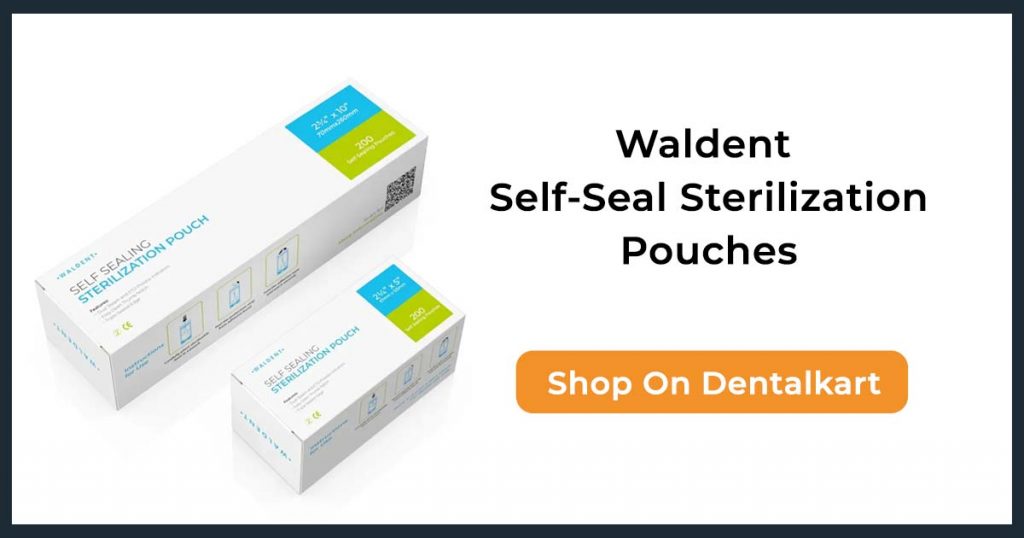
- UV Sterilization- Put Instruments in UV Chamber sealed nicely in pouches.

Final Thoughts
Infection control is not just about sterilizing instruments or gloving up, it's creating a culture of safety. And yeah, even the most seasoned dentists get it wrong sometimes.
But with regular audits, training, and updated protocols, you can stay ahead of it safe for your patients, staff, and yourself.
Because ultimately, a clean clinic is a trusted clinic.
Frequently Asked Questions:
1. How often should I test biological indicators?
Ans- At least once a week or as required by your state or local public health agency.
2. Can I reuse the gloves to sign the patient record after treatment?
Ans- No. Take off gloves first before handling anything else aside from the area treated.
3. What is the required contact time for surface disinfectants?
Ans- Depending on the manufacturer but typically 1 to 3 minutes. Always read the label.
4. Is ultrasonic cleaning adequate to sterilize equipment?
Ans- No. Ultrasonic cleaning is for pre-cleaning. You must then follow up with autoclaving.
5. How do I get staff to use infection control procedures routinely?
Ans- Use visual reminder posters, random checks, and involve employees in training and audits.
Written by
Dr. Noopur Aggarwal
Contributing Dental Clinician
Dr. Noopur Aggarwal writes for Dentalkart Blogs on clinical decision-making, patient communication, and the materials and tools that shape modern dental practice.
Keep reading
Browse all →
Avoiding Common SSC Case Selection Errors
Avoiding Common SSC Case Selection ErrorsA Pediatric Clinical Guide SSCs are indicated for multi-surface carious primary molars, post-pulpotomy teeth, and high-

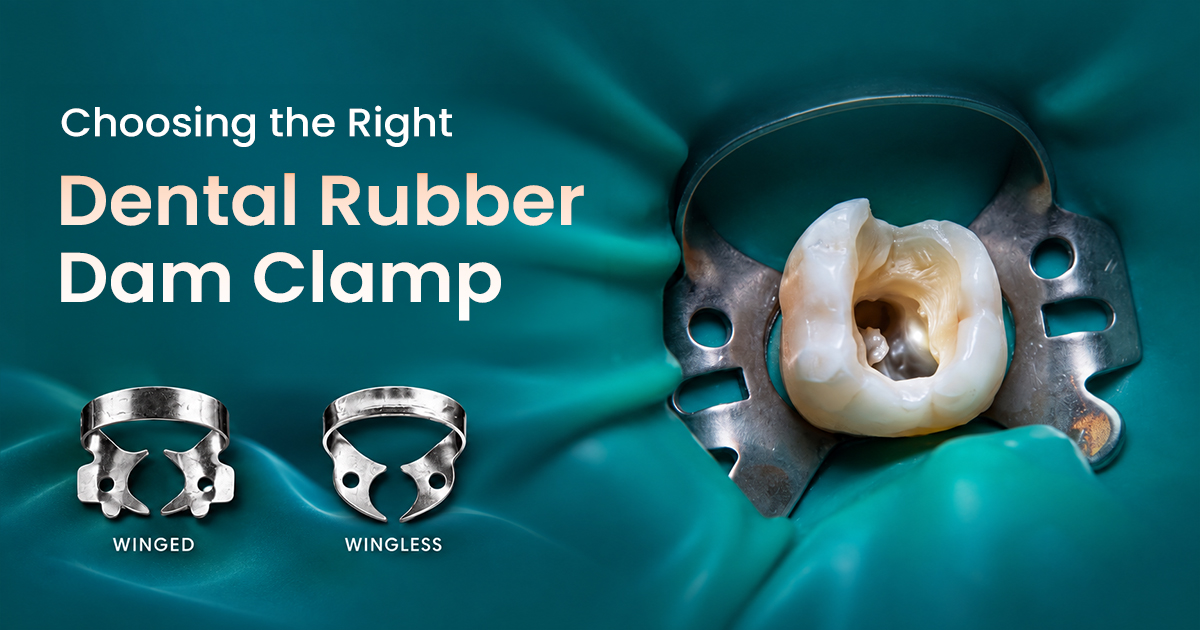
Choosing the Right Dental Rubber Dam Clamp
Choosing the Right Dental Rubber Dam ClampAn Isolation Selection Guide Selecting the correct dental dam clamps involves matching jaw design, bow configuration,

Bis-acryl vs. PMMA Temporary Materials
Bis-acryl vs. PMMA Temporary MaterialsA Case Selection Guide The choice between bis-acryl and PMMA provisional crown materials depends on the clinical case: bis