
Dentalkart Editorial
Editorial Team
Troubleshooting Common Dental Bleaching Issues
A Practical Troubleshooting Guide
Teeth whitening is a popular aesthetic service that boosts patient confidence. However, side effects like sensitivity can arise, making it crucial for clinicians to troubleshoot effectively to ensure patient satisfaction and uphold their practice's reputation.
Table of Contents
Identifying Pre-Treatment Risk Factors
- Thoroughly document the patient's baseline tooth shade for accurate comparison.
- Examine teeth for cracks, exposed dentin, and faulty restorations.
- Assess gingival health and note any areas of recession.
- Discuss the patient's diet and habits, such as coffee or tobacco use.
- Use a comprehensive medical and dental history form before proceeding.
- Manage patient expectations regarding the final shade and potential limitations.
Pre-Bleaching Patient Assessment Checklist
Use a shade guide in natural light to record the initial tooth color.
Check for enamel cracks, abfractions, or exposed dentin that could cause sensitivity.
Inform the patient that existing crowns, veneers, and fillings will not whiten.
Ensure gums are healthy and free of inflammation before applying any bleaching agents.
Discuss risks, benefits, and realistic outcomes, then obtain signed consent.
Managing Intra-Operative Complications
- Ensure the gingival barrier is properly cured and completely sealed.
- Immediately remove any gel that contacts soft tissues with a microbrush.
- Have Vitamin E oil on hand for immediate soothing of chemical burns.
- Monitor the patient for signs of discomfort like sharp "zingers" or pain.
- Keep the procedure time within the manufacturer's recommended guidelines.
- Use proper suction to prevent the patient from swallowing any gel.
IMMEDIATE RESPONSE PROTOCOL FOR GINGIVAL IRRITATION
Immediately cease the application of the bleaching agent and light source.
Wipe away all gel and rinse the affected area with copious amounts of water.
Apply Vitamin E oil directly to the irritated tissue to soothe the chemical burn.
Assess the tissue and decide whether to continue after re-isolating the area.
Light-Activated Whitening
- Potentially faster whitening reaction time
- Strong marketing appeal for patients
- Increased risk of heat-induced sensitivity
- Requires specific equipment investment
Chemically-Activated Whitening
- Lower risk of pulpal sensitivity
- No additional equipment needed
- May require slightly longer application time
- Perceived as less 'high-tech' by some patients
Preventing Post-Operative Sensitivity
- Advise patients to use a desensitizing toothpaste for two weeks prior.
- Apply a potassium nitrate gel in-office before the whitening procedure.
- Prescribe or dispense a neutral sodium fluoride rinse for post-op use.
- Recommend avoiding hot or cold foods and drinks for 24-48 hours.
- Consider prescribing a non-steroidal anti-inflammatory drug (NSAID) for severe cases.
- Adjust the peroxide concentration for patients with a history of sensitivity.
Sensitivity Management Decision Guide
Prophylactic Desensitization
Apply a potassium nitrate-based desensitizing agent for 10-15 minutes immediately before applying the bleaching gel. This simple step can block dentinal tubules and reduce post-operative sensitivity by up to 50%.
Addressing Uneven Whitening Results
- Explain that initial blotchiness is common and often resolves within 48 hours.
- Schedule a follow-up appointment two weeks later to assess the stable shade.
- Identify the cause, such as fluorosis spots or tetracycline banding.
- Perform targeted, short-duration touch-ups on darker areas only.
- Consider microabrasion or ICON resin infiltration for resistant white spots.
- Maintain open communication and manage expectations for complex cases.
WORKFLOW FOR CORRECTING UNEVEN WHITENING
Instruct the patient to wait 2 weeks for the teeth to rehydrate and color to stabilize.
At the follow-up, determine if unevenness is from demineralization or intrinsic stain.
Apply a small amount of gel only to the darker areas for a short duration.
For persistent spots, propose microabrasion, ICON infiltration, or cosmetic bonding.
Avoid Over-Bleaching
Resist the temptation to immediately re-bleach uneven spots. This can cause severe sensitivity and irreversible enamel damage. Always allow at least 2 weeks for the color to stabilize before considering any touch-up application.
Frequently Asked Questions
Sensitivity occurs because the active ingredient, hydrogen or carbamide peroxide, temporarily penetrates the enamel and dentin. This allows it to reach the nerve pulp, causing transient inflammation. This effect is completely reversible and typically subsides within 24 to 48 hours. Up to 80% of patients experience some level of sensitivity, making proactive management a crucial part of the service.
It is critical to wait at least 2 weeks before considering any touch-up procedures. Tooth color requires time to stabilize and rehydrate after a whitening session. Assessing the shade too early can lead to an inaccurate evaluation and the risk of over-bleaching. This 14-day period allows the true, final shade to emerge, ensuring any touch-up is precise and necessary.
Tetracycline-stained teeth are among the most challenging to whiten, but improvement is possible. It requires a different approach than standard whitening, often involving a multi-month protocol with a lower concentration take-home gel. The characteristic gray or brown banding may not be completely eliminated, so it's vital to set realistic patient expectations, explaining that an improvement of 2-3 shades is a successful outcome.
The appearance of bright white spots or an uneven, blotchy look immediately after the procedure is typically caused by enamel dehydration. Certain areas of the enamel lose water content faster than others, making them appear opaquer and whiter. This is a temporary effect that usually resolves on its own within 24 to 48 hours as the teeth naturally rehydrate from saliva.
No, using a light is not always necessary. Many modern chemical-activated gels are highly effective on their own. While lights can accelerate the whitening reaction, they can also generate heat, which may increase tooth sensitivity by up to 30%. The choice depends on the specific system being used and the patient's sensitivity history. Always follow the manufacturer's specific instructions for the best results.
Written by
Dentalkart Editorial
Editorial Team
The Dentalkart Editorial team curates dental education content, treatment guides, and equipment insights drawn from clinical research and feedback from practising dentists across India.
Keep reading
Browse all →
Choosing Composite vs Porcelain Dental Veneers
Composite vs Porcelain Smile DesignA Clinical Selection Guide The demand for cosmetic smile enhancement is rapidly growing. This guide provides a framework for
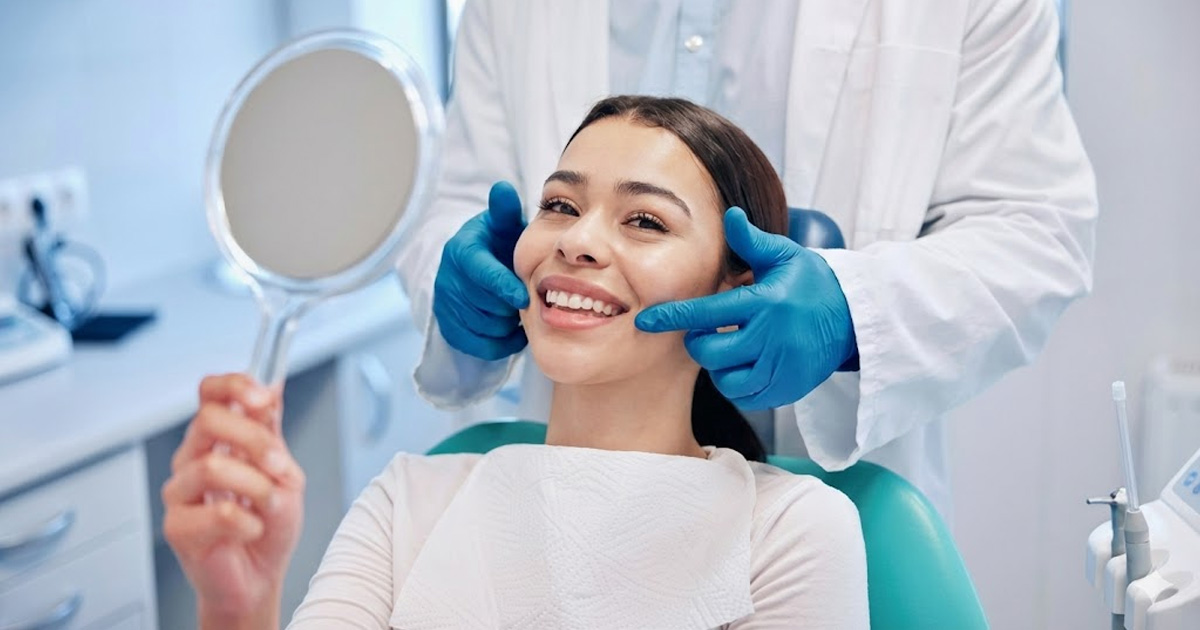
Step-by-Step Protocols for Minimally Invasive Cosmetic Dentistry (No-Prep Veneers & More)
Cosmetic dentistry is no longer about aggressive tooth reduction it is about preserving enamel, enhancing aesthetics, and maintaining long-term tooth health. To
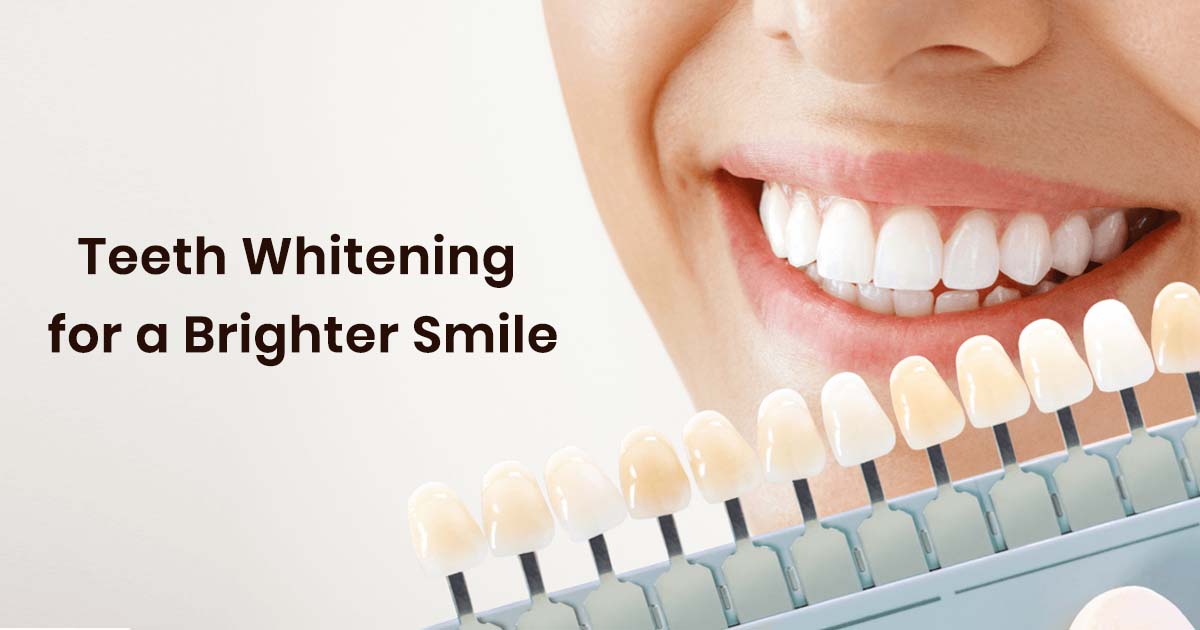
Teeth Whitening : Types, Procedure and Technique
Greetings, dental professionals! Are you prepared to improve the smiles of your patients and increase their self-confidence? Teeth whitening is not just a cosme