
Dr.Yukti
Dental Content Contributor
Choosing Your Occlusal Splint Material: A Clinical Guide
A Prosthodontist's Selection Guide
Selecting the right occlusal splint materials involves choosing between rigid acrylics and flexible thermoplastics based on the clinical diagnosis, such as bruxism or TMD. This decision directly impacts treatment efficacy, patient compliance, and the long-term protection of dentition and restorations.
Table of Contents
Hard vs. Soft Splint Materials: Which to Choose?
The primary choice between hard and soft splint materials depends on the therapeutic goal; hard splints provide rigid occlusal control for parafunction, while soft splints offer palliative cushioning for acute muscle pain.
Hard splints, typically fabricated from PMMA, establish a new, idealized occlusal scheme that deprograms masticatory musculature. In contrast, soft splints made from materials like ethylene vinyl acetate (EVA) provide immediate comfort by distributing forces, but their resiliency can sometimes encourage clenching, acting like a "chewing gum" and potentially exacerbating bruxism over the long term.
Recommended products:
- Hard Splint: U Ortho Vacuum Forming Splint Sheets
- Soft splint: Sawbros Softflex Thermoforming Plastic Soft Sheet
- Hard Splints (PMMA): Indicated for severe bruxism, TMD with occlusal interferences, and to protect complex restorative work. They are durable, adjustable, and provide precise occlusal stability.
- Soft Splints (EVA): Best for short-term (under 3 weeks) management of acute myofascial pain, protection during contact sports, or as a temporary appliance. They are not suitable for long-term bruxism management.
- Durability & Adjustment: Hard acrylics can be precisely adjusted and relined chairside, offering a service life of several years. Soft materials wear quickly and cannot be accurately adjusted, requiring frequent replacement.
Hard Acrylic Splints (PMMA)
- Provides definitive occlusal stability and deprograms musculature.
- Highly durable and resistant to wear from heavy bruxism.
- Can be precisely adjusted, repaired, and relined.
- More complex and time-consuming fabrication process.
Soft Thermoplastic Splints (EVA)
- Fast and simple chairside or lab fabrication via vacuum forming.
- Provides immediate cushioning and comfort for acute muscle pain.
- Can exacerbate bruxism in some patients (chewing effect).
- Wears quickly and cannot be accurately adjusted.
Properties of PMMA Acrylic Resins for Splints
Polymethyl methacrylate (PMMA) resins are the gold standard for hard occlusal splints due to their superior rigidity, wear resistance, and excellent polishability, which allows for meticulous occlusal adjustments.
Lab-processed, heat-cured PMMA achieves a high degree of polymerization when processed at around 74°C, resulting in a dense, non-porous material with a flexural strength often exceeding 80 MPa. This makes it highly resistant to fracture from bruxing forces and minimizes free monomer, improving biocompatibility. These superior physical properties make PMMA the material of choice for definitive, long-term splints like the Michigan or Tanner appliance.
- High Hardness: PMMA surfaces are hard enough to resist wear and indentation from opposing cusps, maintaining the prescribed occlusal scheme over time.
- Dimensional Stability: Low water sorption and minimal polymerization shrinkage (especially with heat-curing) ensure the splint maintains a precise and stable fit.
- Adjustability: The material can be easily ground with acrylic burs and polished to a high shine, which is critical for creating smooth, shallow guidance paths and preventing plaque accumulation.
- Biocompatibility: Properly processed heat-cured PMMA has very low residual monomer content, reducing the risk of allergic or irritant contact stomatitis.
| Property | Heat-Cured PMMA | Self-Cured PMMA |
|---|---|---|
| Flexural Strength | High (>80 MPa) best | Moderate (≈65 MPa) |
| Residual Monomer | Very Low (<1%) | Higher (3-5%) |
| Porosity | Low | Higher |
| Fabrication | Laboratory (Heat/Pressure) | Chairside or Lab (Chemical) |
| Indication | Definitive Splints | Repairs, Relines, Provisionals |
Thermoplastic Materials for Vacuum Forming
Thermoplastic materials, including ethylene vinyl acetate (EVA), polypropylene, and polycarbonate, enable rapid in-office fabrication of splints via vacuum or pressure forming, but they offer less durability and occlusal precision than laboratory-processed acrylics.
These materials are supplied as sheets of varying thickness, typically 1.5 mm to 4.0 mm, which are heated to their specific working temperature (around 120-150°C) and adapted to a model. While this process is fast and cost-effective for fabricating night guards or bleaching trays, the resulting appliance lacks the rigidity and adjustability required for definitive occlusal therapy. Their ease of use makes them a staple in many clinics for temporary solutions.
- Ethylene Vinyl Acetate (EVA): Soft and flexible, used for athletic mouthguards and temporary splints for acute myalgia. It has high energy absorption but poor wear resistance.
- Polypropylene/Polyethylene (PETG): A harder, more rigid thermoplastic than EVA. Often used for orthodontic retainers (e.g., Essix) and temporary splints where some rigidity is needed.
- Dual-Laminate Sheets: These combine a soft, model-side layer for comfort with a hard, occlusal-side layer for durability, offering a good compromise for some bruxism patients.
EVA (Soft)
Ideal for athletic mouthguards and short-term palliative care for TMD muscle soreness. Not for long-term bruxism.
PETG (Hard)
Commonly used for clear orthodontic retainers and some harder thermoplastic splints. More durable than EVA.
Dual-Laminate (Hard/Soft)
Combines a hard outer layer for wear resistance with a soft inner layer for patient comfort. A good compromise.
Material Selection for TMD vs. Bruxism
For severe bruxism, a hard PMMA stabilization splint is the definitive treatment, whereas for acute muscle-related TMD, a soft splint may provide initial, short-term relief before transitioning to a hard appliance if needed.
The choice of occlusal splint materials is dictated by the diagnosis. Bruxism, a parafunctional motor disorder, requires a hard, non-yielding surface to deprogram muscle activity and protect teeth from attrition. In contrast, TMD can be articular (internal derangement) or muscular (myofascial pain). Muscular pain may respond to a soft splint's cushioning effect for a few weeks, but articular disorders like disc displacement often require a hard acrylic anterior repositioning splint. Choosing correctly from available prosthodontic supplies is key.
- Severe Bruxism/Clenching: A full-coverage, hard PMMA stabilization splint (e.g., Michigan splint) is the gold standard. It provides canine guidance and posterior disclusion.
- Acute Myofascial Pain: A soft EVA splint can be used for 1-2 weeks for palliative care. Prolonged use is contraindicated as it may perpetuate parafunction.
- Internal Derangement (Clicking): A hard PMMA anterior repositioning splint is indicated to guide the mandible into a protrusive position, allowing the condyle-disc assembly to function correctly.
Clinical Indication to Material Selection
Frequently Asked Questions
A dual-laminate occlusal splint is a hybrid appliance fabricated from a thermoplastic sheet with two bonded layers: a soft, comfortable inner layer that contacts the teeth and a hard, durable outer layer for the occlusal surface. This design aims to combine the patient comfort of a soft splint with the wear resistance of a hard splint, making it a popular choice for moderate bruxers who struggle with the rigidity of full acrylic.
A hard splint works by providing a new, ideal occlusal surface that eliminates interferences, allowing the mandible to seat in its most stable musculoskeletal position and deprogramming hyperactive muscles. A soft splint, however, works primarily by providing a cushioning effect that dissipates occlusal forces, offering temporary muscle relaxation. It does not provide a stable or adjustable occlusal endpoint, which is critical for long-term therapy.
A hard acrylic splint should be meticulously adjusted at delivery to establish even, simultaneous bilateral contacts in centric relation and smooth eccentric guidance. Follow-up adjustments are typically needed after 1-2 weeks, again at 1 month, and then every 6-12 months for maintenance. Adjustments are crucial to accommodate changes in the occlusal scheme as the masticatory muscles deprogram and relax.
For patients with a confirmed allergy to PMMA or its residual monomer, thermoplastic materials like polypropylene, PETG, or polycarbonate are the best alternatives for a hard-style splint as they are monomer-free. If a soft appliance is indicated, medical-grade silicone or EVA can be used. It is essential to confirm the specific allergy before selecting any alternative occlusal splint materials.
A patient's bruxism can worsen with a soft splint due to a phenomenon known as the 'rebound effect'. The resilient, chewy nature of the soft material can stimulate the proprioceptive feedback loop in the periodontal ligament and masticatory muscles, inadvertently increasing clenching or grinding activity rather than reducing it. For this reason, soft splints are generally not recommended for long-term bruxism management.
Written by
Dr.Yukti
Dental Content Contributor
Dr. Yukti Jain is a BDS-qualified dental professional and Product Specialist at Dentalkart with expertise in dental materials, equipment, and clinical innovations. Passionate about evidence-based dentistry, she creates insightful, research-driven content that simplifies complex topics and empowers dental professionals to make informed clinical and purchasing decisions.
Keep reading
Browse all →Optimizing Your Dental Lab Vibrator Technique
Optimizing Your Dental Lab Vibrator TechniqueA Guide to Bubble-Free Casts A dental vibrator machine uses controlled vibrations to remove trapped air from gypsum

When Should You Use a Dental Vacuum Former?
When Should You Use a Dental Vacuum Former?A Guide to Clinical Applications A dental vacuum former is best used for fabricating single-arch appliances like blea

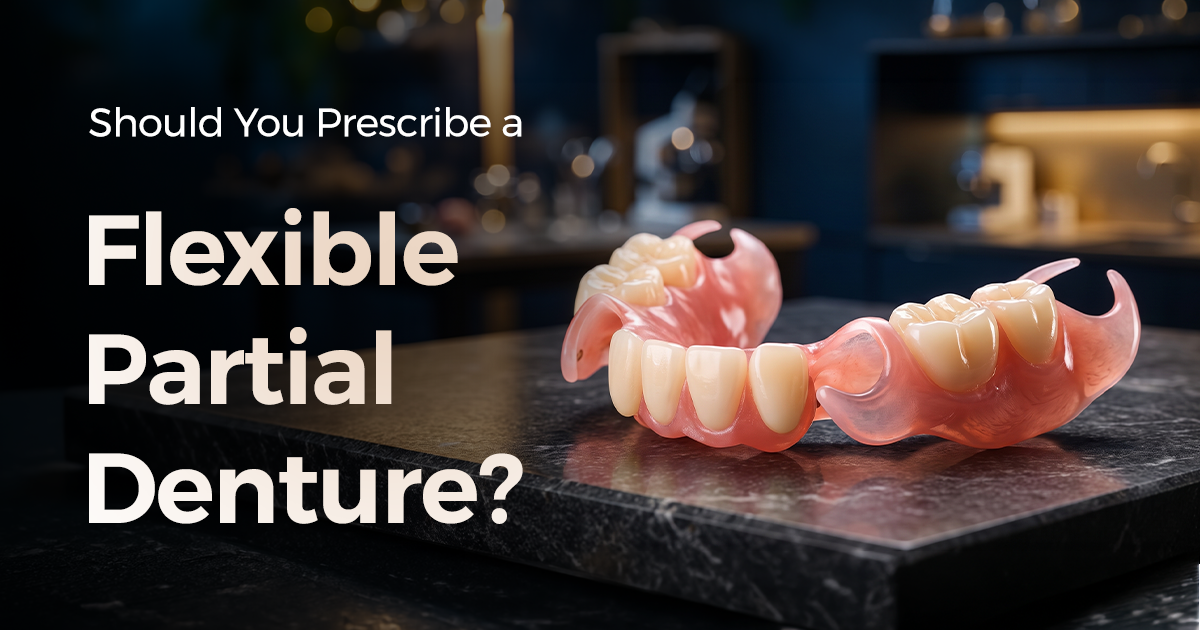
Should You Prescribe a Flexible Partial Denture?
Should You Prescribe a Flexible Partial Denture?A Clinical Case Selection Guide Flexible partial dentures are metal-free removable prostheses ideal for patients