
Dr.Prerna
Dental Content Contributor
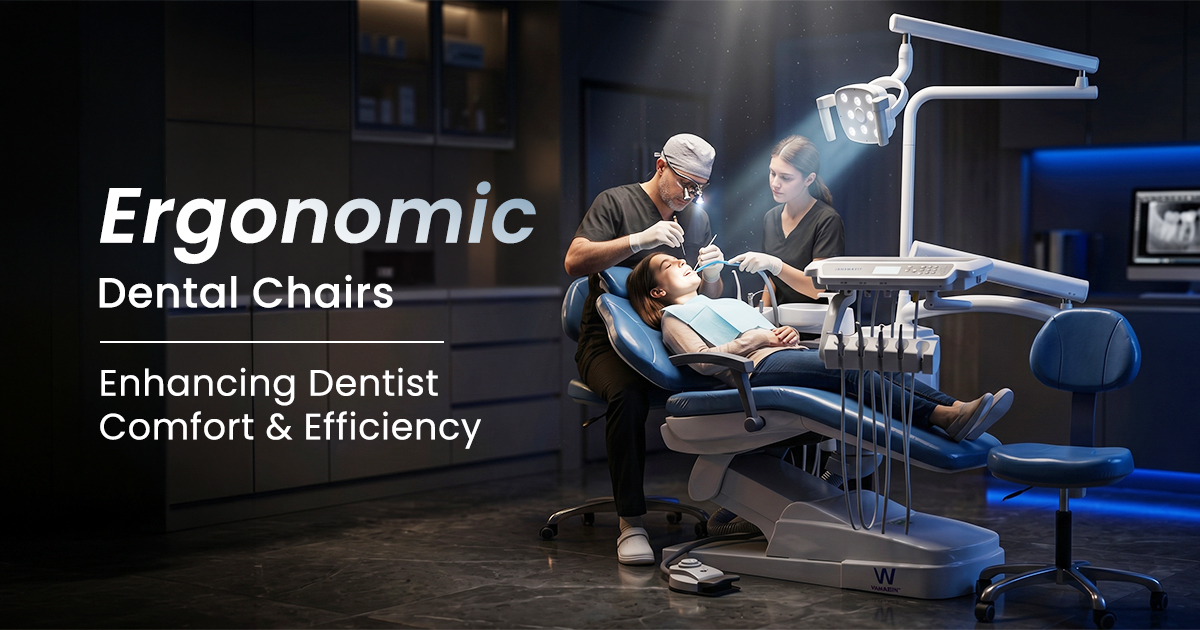
Ergonomic Dental Chairs: Enhancing Dentist Comfort & Efficiency
Optimize practice comfort and productivity.
An ergonomic dental chair is a treatment unit specifically engineered to support the operator's neutral posture, minimizing physical strain during procedures. For the demanding Indian dental landscape, this design is crucial for preventing musculoskeletal disorders and sustaining high productivity.
Table of Contents
Defining an Ergonomic Dental Chair
An ergonomic dental chair is defined by features that facilitate neutral, balanced posture for the dental team while providing optimal access to the oral cavity. Key characteristics include a thin, narrow backrest, a double-articulating headrest, and seamless, contoured upholstery that supports the patient comfortably.
These design elements allow the clinician to maintain a neutral spine with forward flexion under 20 degrees and a hip angle greater than 110 degrees, significantly reducing static load on the lower back. The thin profile of the backrest, often less than 25 mm thick, is critical for allowing the operator to position their knees underneath, bringing them closer to the patient without compromising posture.
- Thin/Narrow Backrest: Enables closer positioning to the patient, preventing the operator from leaning forward and straining their back.
- Double-Articulating Headrest: Provides precise patient head positioning for clear visibility of both maxillary and mandibular arches.
- Seamless Upholstery: Simplifies infection control and features contours that support the patient, reducing their tendency to shift during treatment.
- Stable Base: A low-profile, sturdy base prevents chair movement or vibration, which can compromise procedural precision and operator balance.
CORE PILLARS OF ERGONOMIC CHAIR DESIGN
A thin backrest and adjustable headrest allow close proximity to the patient, ensuring clear visibility without operator strain.
The chair's design encourages a neutral spine and proper hip angles, actively preventing operator fatigue and injury.
Contoured support and a solid base keep the patient comfortable and still, enhancing procedural safety and efficiency.
Essential Adjustable Features for Operators
The most essential adjustable features are those that allow the chair to adapt to the specific operator, patient, and procedure. These include independent control over chair height, backrest recline, and headrest position, as well as programmable memory settings for frequently used positions.
A proper ergonomic setup requires the operator's feet to be flat on the floor with thighs parallel to the ground. The chair's height adjustment range must accommodate this for operators of varying statures. Programmable settings on Waldent units, such as pre-set entry/exit and treatment positions (e.g., Trendelenburg), reduce manual adjustments, saving time and minimizing interruptions in a busy Indian practice. Quality dental chairs feature smooth, quiet electro-mechanical or hydraulic motors for these adjustments.
- Programmable Memory Positions: At least 2-3 programmable positions streamline patient turnover and procedural workflow.
- Independent Leg Rest: Allows for better patient comfort and positioning during long procedures, especially for medically compromised patients.
- Ambidextrous Functionality: Swing-mounted delivery units or convertible designs accommodate both right- and left-handed operators.
- Swivel Capability: A 30-45 degree swivel lock allows for minor repositioning without moving the entire chair base.
Chair Evaluation Checklist
Ensures operators of any height can keep their feet flat on the floor with thighs angled slightly downward.
Verifies that adjustments are not jarring to the patient or disruptive to the clinical environment.
Check for easy-to-reach foot pedals and touchpads that can be operated without breaking posture.
Confirms the chair can be rotated and securely locked for optimal access to the patient.
Preventing Musculoskeletal Disorders (MSDs)
Ergonomic design directly prevents musculoskeletal disorders (MSDs) by minimizing the key risk factors inherent in dentistry: static postures, repetitive motions, and forceful exertions. By supporting a neutral operator posture, an ergonomic dental chair reduces chronic strain on the spine, neck, and shoulders.
MSDs like cervical spondylosis and chronic lower back pain are highly prevalent among dentists due to prolonged, awkward postures. An ergonomic chair allows the operator to work with their spine in a neutral 'S' curve, elbows close to their body at a 90-degree angle, and wrists straight. This biomechanically efficient posture reduces static muscle fatigue and uneven loading on intervertebral discs, which is a primary cause of long-term disability.
- Reduces Spinal Loading: Keeps forward head posture below 15 degrees, which drastically cuts down on strain to the cervical and thoracic spine.
- Improves Blood Circulation: Prevents pressure points and constriction of blood flow to the lower limbs from improper seat angles.
- Minimizes Repetitive Strain: Allows the operator to use body mechanics efficiently, reducing reliance on small muscle groups in the hands and wrists.
- Supports Four-Handed Dentistry: Provides adequate space and access for the dental assistant — pair the chair with ergonomic Dental Stools to promote a balanced team posture.
Choosing a Chair for Your Indian Clinic
For an Indian clinic, choosing the ideal ergonomic dental chair requires balancing advanced features with practical considerations like durability, maintenance, and power stability. The best choice is a robust unit that can withstand a high patient load and is supported by reliable local service.
Consider the chair's construction; a solid metal frame is preferable to plastic for longevity. The upholstery should be a high-grade, seamless vinyl that can withstand repeated disinfection with common solutions like sodium hypochlorite or chlorhexidine without cracking. Given potential power fluctuations, chairs with high-quality electrical components and voltage stabilizers are a wise investment to protect sensitive circuit boards and motors. For a fully-electric unit built around these priorities, the Waldent Orion Comfort Dental Chair offers programmable positions, seamless upholstery, and motorised suction in a permanent-operatory build.
- Upholstery Quality: Look for tear-resistant, non-absorbent material that is easy to clean between patients.
- Service and Spares: Prioritize brands with a strong service network and readily available spare parts in India.
- Ambidextrous Design: A convertible chair offers maximum flexibility for clinics with multiple operators or for future resale value.
- Weight Capacity: Ensure the chair's lift mechanism can comfortably handle a patient load of at least 150 kg for bariatric accommodation.
Matching Chair Features to Clinic Needs
Long-Term Benefits for Your Practice
The long-term benefits of investing in an ergonomic dental chair extend beyond operator comfort to encompass practice productivity, profitability, and career longevity. A key advantage is the significant reduction in work-related pain, leading to fewer sick days and a more sustainable career.
By reducing physical fatigue, dentists can maintain higher levels of concentration and fine motor control throughout the day, improving the quality of clinical outcomes. This efficiency can translate to seeing more patients or performing more complex procedures without burnout. Furthermore, a modern, comfortable chair enhances the patient experience, which improves patient retention and builds a positive practice reputation—a critical factor for growth in a competitive market.
- Career Longevity: Actively mitigates the physical stresses that force many dentists into early retirement.
- Enhanced Productivity: Reduced fatigue allows for more efficient work, potentially shortening procedure times by 10-15%.
- Improved Clinical Precision: A stable and comfortable posture is essential for the fine motor skills required in modern dentistry.
- Higher Return on Investment (ROI): The cost is offset by increased productivity, reduced absenteeism, and enhanced patient loyalty over the chair's lifespan.
A Note on ROI
When calculating the return on investment for an ergonomic chair, factor in the cost of potential lost income. Just 3-5 days of missed work per year due to back or neck pain can easily equate to the cost difference between a basic and a truly ergonomic model over several years.
Frequently Asked Questions
The ideal seated posture involves keeping your spine in a neutral 'S' curve with your back supported and feet flat on the floor. Your thighs should be angled slightly downwards, creating a hip angle of 110-120 degrees to open the pelvis and reduce lumbar disc pressure. Keep your elbows close to your body and bent at approximately 90 degrees.
An ergonomic operator stool is critical for completing the ergonomic system. A saddle-style stool, for example, promotes an open hip angle and automatically positions the spine in a neutral posture. The stool's height should be adjusted so your hips are slightly higher than your knees, working in synergy with the patient chair to allow close access without leaning.
Seamless, medical-grade vinyl upholstery is the best choice for a busy Indian clinic. Unlike leather or stitched fabrics, it is non-porous, preventing the absorption of fluids and contaminants, which is critical for infection control. This material is also highly durable and resistant to staining and degradation from common surface disinfectants used between patients.
Dental chair hydraulics and motors should undergo professional inspection and servicing at least once a year. This preventative maintenance ensures smooth and safe operation, identifies potential fluid leaks in hydraulic systems, and verifies the calibration of electronic controls. Regular servicing prevents unexpected breakdowns, which can be costly and disruptive to a busy practice schedule.
The most common mistake is failing to properly position the patient for the specific quadrant being treated. Instead of adjusting the patient's head or the chair's recline, many dentists will twist their own body or lean forward, negating the benefits of the ergonomic dental chair. Always take the extra 15 seconds to adjust the patient to give you direct, strain-free line of sight.
Written by
Dr.Prerna
Dental Content Contributor
Dr. Prerna Sahrawat is a dentist with over 4 years of experience in clinical dentistry and dental content writing. She is passionate about simplifying complex dental concepts into practical, evidence-based content that helps dentists make informed clinical and purchasing decisions while staying updated with the latest advancements in dentistry.
Keep reading
Browse all →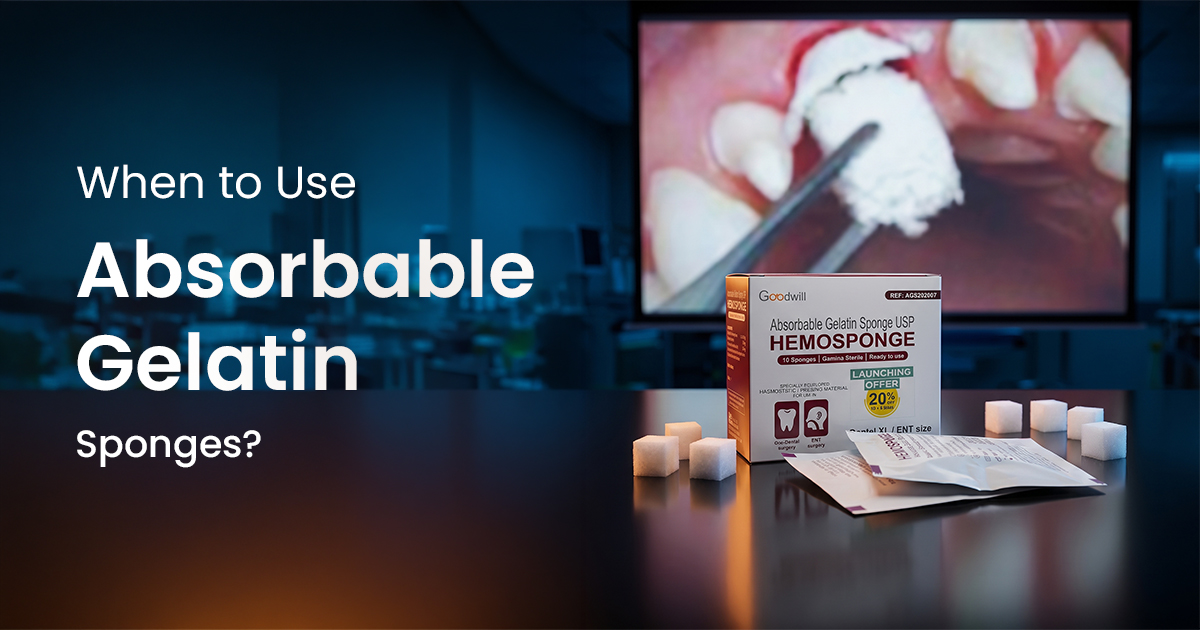
When to Use Absorbable Gelatin Sponges?
When to Use Absorbable Gelatin Sponges?Clinical Hemostasis Case Selection An absorbable dental hemostatic sponge is a sterile, porcine-derived gelatin foam used
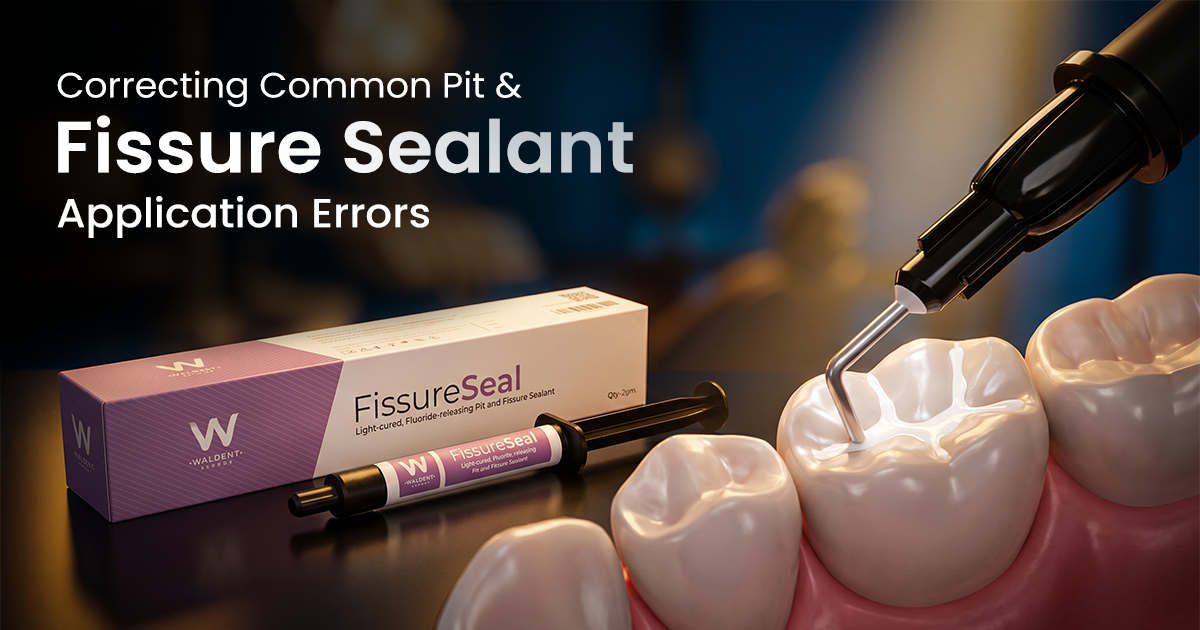
Correcting Common Pit & Fissure Sealant Application Errors
Correcting Common Pit & Fissure Sealant Application ErrorsAn Evidence-Based Guide Successful pit and fissure sealant application is technique-sensitive, and

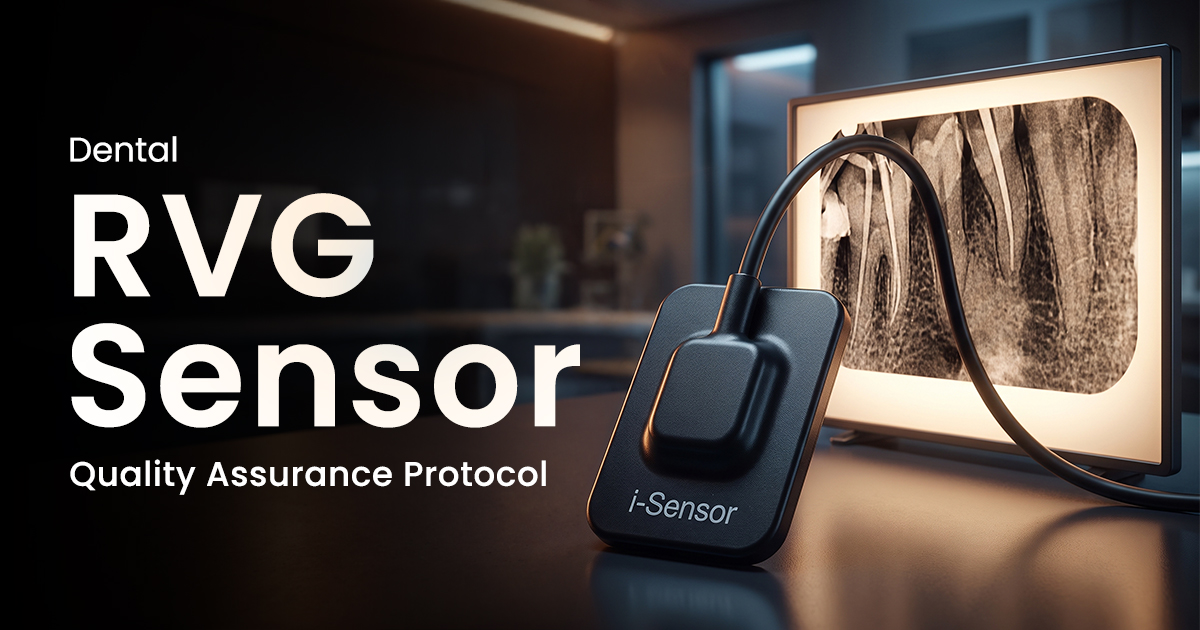
Dental RVG Sensor Quality Assurance Protocol
Dental RVG Sensor Quality Assurance ProtocolA Clinical Calibration Guide A dental RVG (radiovisiography) sensor quality assurance protocol is a set of routine t